Custom Smart Plugs: Automate 10 Appliances for $100 in 2025
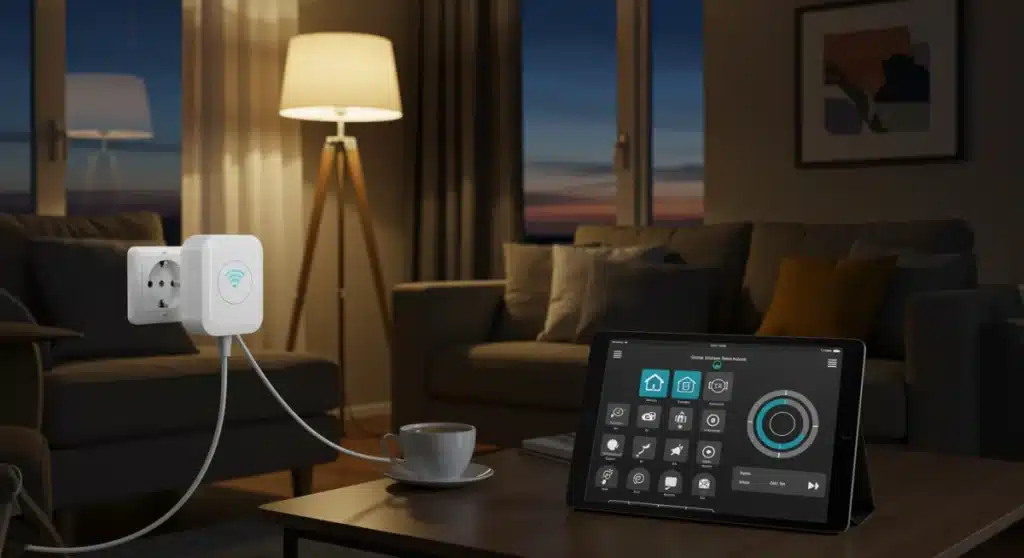
Custom smart plugs offer an accessible and budget-friendly solution to automate up to ten home appliances for under $100 in 2025, enhancing convenience and energy efficiency.
Are you ready to transform your living space into a smarter, more efficient home without breaking the bank? The idea of a fully automated home might seem like a distant, expensive dream, but with custom smart plugs, it’s a tangible reality for 2025. Imagine automating up to 10 of your everyday appliances for an incredible budget of under $100. This isn’t just about convenience; it’s about optimizing energy usage, enhancing security, and simplifying your daily routines.
The Smart Plug Revolution: A Foundation for Automation
Smart plugs have evolved significantly, moving beyond simple on/off switches to become sophisticated tools for home automation. Their affordability and ease of integration make them a cornerstone for anyone looking to dip their toes into the smart home ecosystem. In 2025, these devices are more robust, reliable, and feature-rich than ever, providing a gateway to a connected lifestyle.
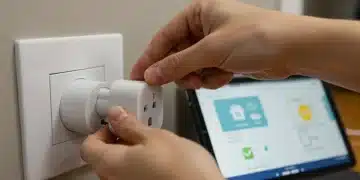
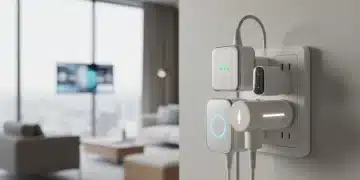
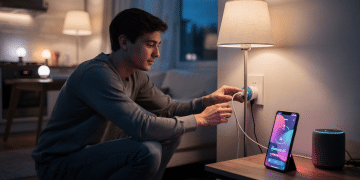
The beauty of smart plugs lies in their simplicity. You plug an appliance into the smart plug, and then the smart plug into the wall outlet. From there, you gain remote control via a smartphone app, voice commands, or automated schedules. This level of control extends to a wide array of devices that were previously ‘dumb,’ giving them a new lease on smart life.
Understanding Smart Plug Technology
At their core, smart plugs connect to your home’s Wi-Fi network, allowing them to communicate with your smartphone or smart home hub. Most modern smart plugs utilize 2.4GHz Wi-Fi, which provides excellent range and penetration through walls, ensuring reliable connectivity throughout your home. Some advanced models might also incorporate Bluetooth for initial setup or Zigbee/Z-Wave for integration into more complex smart home systems, though basic Wi-Fi models are often sufficient for budget-conscious automation.
- Wi-Fi Connectivity: Enables remote control and scheduling via a smartphone app.
- Energy Monitoring: Many plugs track power consumption, helping identify energy-hungry appliances.
- Voice Assistant Integration: Compatible with Amazon Alexa, Google Assistant, and sometimes Apple HomeKit.
- Scheduling and Timers: Set appliances to turn on or off at specific times or after a set duration.
The widespread adoption of these technologies means that even entry-level smart plugs offer a surprising amount of functionality. This accessibility is key to achieving significant home automation without a hefty investment, making the $100 goal for automating ten appliances highly realistic.
Identifying Your Automation Needs: Which Appliances First?
Before diving into purchasing smart plugs, it’s crucial to identify which appliances will benefit most from automation. This strategic approach ensures you maximize your budget and impact. Think about devices that are frequently used, consume noticeable power, or could enhance your daily routines through scheduled operation.
Start by walking through your home and listing appliances that could be made smarter. Consider both convenience and potential energy savings. Lamps, coffee makers, fans, humidifiers, and even holiday lights are excellent candidates. The goal is to select ten appliances that will collectively deliver the most value for your investment.
Top 10 Appliance Candidates for Smart Plugs
Choosing the right appliances is paramount to a successful and impactful smart home setup. Focus on devices that don’t already have smart features built-in and can be safely controlled by cutting power. Appliances with mechanical switches that return to the ‘on’ position when power is restored are ideal. Avoid devices that require a manual button press after power is supplied, as a smart plug would only cut and restore power, not press the button.
- Lamps: Control lighting schedules, create ambiance, or simulate occupancy.
- Coffee Maker: Wake up to freshly brewed coffee by scheduling it to turn on.
- Fans/Heaters (Non-thermostat controlled): Manage climate control in individual rooms.
- Humidifiers/Dehumidifiers: Maintain optimal indoor air quality on a schedule.
- Slow Cookers: Start dinner remotely or on a timer for convenience.
- Electric Kettles: Boil water for tea or instant meals before you even enter the kitchen.
- Hair Straighteners/Curling Irons: Ensure they are turned off after leaving home for safety.
- Holiday Lights/Decorations: Automate festive displays effortlessly.
- Phone/Tablet Chargers: Prevent overcharging by scheduling power cutoff.
- Aquarium Lights/Pumps: Maintain a consistent environment for pets.
By prioritizing these types of appliances, you’re setting yourself up for practical, impactful automation that truly enhances your daily life. This careful selection process is a key component of achieving your automation goals within the $100 budget.
Selecting the Right Smart Plugs on a Budget
The market for smart plugs is flooded with options, making selection challenging. For a $100 budget to automate ten appliances, you’ll need to focus on cost-effective yet reliable brands. Many reputable manufacturers offer multi-packs or individual plugs at competitive prices, especially during sales events.
Look for plugs that are independently certified for safety and compatible with major smart home ecosystems like Amazon Alexa or Google Assistant, even if you don’t currently use them. This ensures future compatibility and broader integration options. Prioritize features like energy monitoring if that’s important for your energy efficiency goals, but be prepared to compromise on some advanced features to stay within budget.
Key Considerations for Budget Smart Plugs
When shopping for smart plugs, particularly with a tight budget, several factors come into play beyond just the price tag. Reliability and ease of setup are paramount, as flaky connections or complicated installations can quickly diminish the value of your automation efforts. User reviews are an invaluable resource for gauging real-world performance and common issues.
Consider the physical size of the plugs; some can be bulky and block adjacent outlets, which can be inconvenient. Compact designs are preferable, especially for power strips. Also, check for any subscription fees or hidden costs associated with advanced features, as these can quickly push you over your $100 limit.
- Cost Per Plug: Aim for $8-$10 per plug to stay within the $100 budget for 10 devices.
- Compatibility: Ensure they work with your preferred voice assistant (Alexa, Google Assistant) or a universal app.
- Reliability: Read reviews for consistent performance and connectivity.
- Size and Design: Opt for compact designs that don’t obstruct other outlets.
- Safety Certifications: Look for UL or ETL certification for peace of mind.
By carefully evaluating these aspects, you can confidently select smart plugs that offer the best balance of features, reliability, and affordability, making your automation project a success.
Setting Up and Configuring Your Smart Plugs
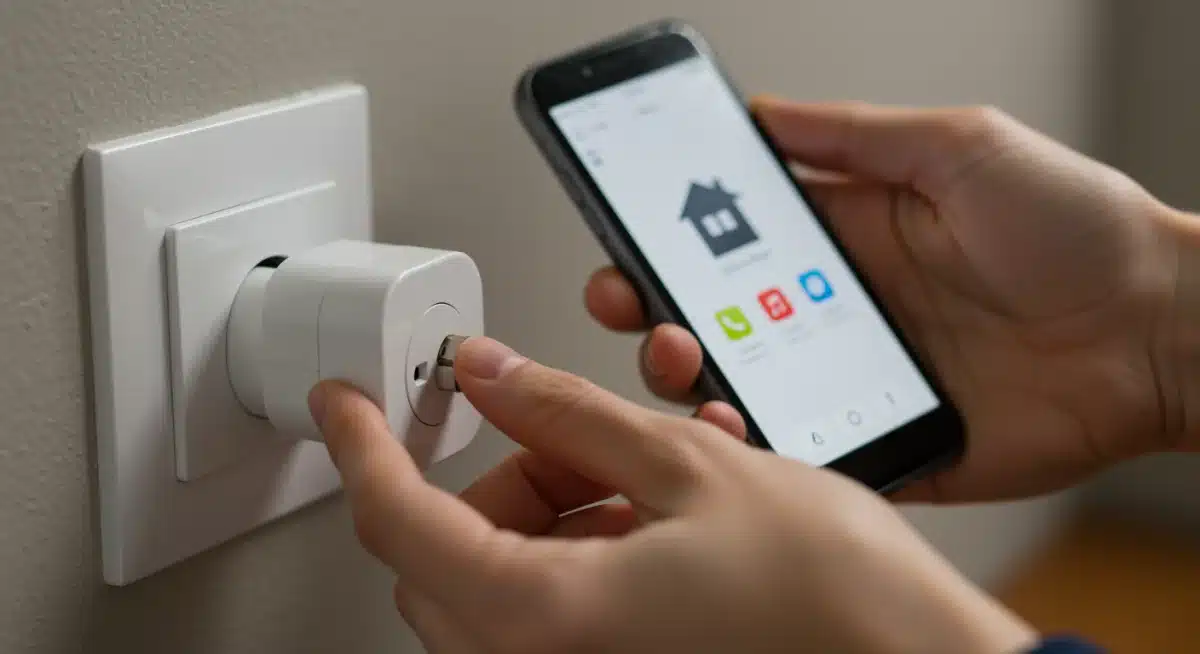
Once you’ve purchased your smart plugs, the setup process is typically straightforward, designed to be user-friendly even for those new to smart home technology. Most plugs follow a similar installation procedure: plug it in, download the associated app, and follow the on-screen instructions to connect it to your Wi-Fi network.
It’s important to name each plug clearly within the app (e.g., “Living Room Lamp,” “Coffee Maker”) to avoid confusion, especially when using voice commands. Grouping similar devices (e.g., all living room lights) can also streamline control and automation routines. This initial configuration lays the groundwork for seamless daily operation.
Step-by-Step Installation Guide
The installation of smart plugs is generally a quick process, often taking just a few minutes per device. The key is to have your Wi-Fi network information readily available and to be within a reasonable range of your router, especially during the initial pairing phase. Most apps provide clear visual cues and prompts to guide you through each step, making the process intuitive.
After connecting each plug, take a moment to test its functionality by toggling it on and off from the app. This confirms a stable connection and ensures the appliance responds as expected. Don’t rush this step, as a solid foundation will prevent headaches down the line.
- Plug it In: Insert the smart plug into a wall outlet near the appliance you wish to automate.
- Download the App: Install the manufacturer’s dedicated app on your smartphone or tablet.
- Create an Account: Sign up for an account within the app, if required.
- Add Device: Follow the app’s instructions to add a new smart plug, usually involving putting the plug into pairing mode (often indicated by a blinking light).
- Connect to Wi-Fi: Select your home’s 2.4GHz Wi-Fi network and enter the password.
- Name Your Plug: Assign a descriptive name to each smart plug for easy identification.
By following these steps, you’ll have all ten of your smart plugs connected and ready for automation in no time, setting the stage for a truly smart home experience.
Crafting Automation Routines and Schedules
With your smart plugs installed, the real fun begins: creating automation routines and schedules. This is where you unlock the true potential of your smart home, making your appliances work for you without constant manual intervention. Most smart plug apps offer intuitive interfaces for setting up these automations.
Consider your daily habits and how automation can simplify them. Do you want your coffee to start brewing before your alarm? Or lights to turn on automatically when you arrive home? These are the types of scenarios that smart plugs excel at, bringing convenience and efficiency to your fingertips.
Examples of Practical Smart Plug Automations
The possibilities for automation are vast, limited only by your imagination and the appliances you’ve connected. Beyond simple on/off schedules, many apps allow for more complex routines based on conditions like sunrise/sunset, motion detection (if integrated with other smart sensors), or even your location. Experiment with different scenarios to find what works best for your lifestyle.
Remember that well-designed routines can not only save you time but also contribute to energy conservation by ensuring appliances are only active when truly needed. This dual benefit of convenience and efficiency is a hallmark of effective smart home automation.
- Morning Routine: Coffee maker on at 6:30 AM, bedroom lamp at 6:45 AM.
- Evening Ambiance: Living room lamps on at sunset, fan off at 10:00 PM.
- Away Mode: Randomly turn lamps on and off while you’re away to simulate occupancy.
- Energy Saving: Turn off phone chargers after 2 hours to prevent overcharging.
- Safety Check: Automatically cut power to hair styling tools after 30 minutes.
These examples illustrate how custom smart plugs can adapt to various needs, making your home more responsive and intelligent. The ability to customize these routines is what truly defines a personalized smart home experience.
Maximizing Your $100 Budget: Tips and Tricks
Achieving your goal of automating ten appliances for under $100 requires smart shopping and strategic planning. The market is dynamic, so staying informed about sales and promotions is key. Black Friday, Cyber Monday, and Amazon Prime Day are excellent opportunities to snag multi-packs of smart plugs at significantly reduced prices.
Consider buying from brands that offer bulk discounts or starter kits, which often provide a better per-plug value. Don’t be afraid to mix and match brands if necessary, as long as they are compatible with a common smart home platform or voice assistant. This flexibility can open up more budget-friendly options.
Smart Shopping Strategies for Smart Plugs
To stretch your budget, focus on value over premium features. While some expensive smart plugs offer advanced functionalities like power monitoring or extremely compact designs, basic Wi-Fi enabled plugs are often perfectly adequate for simple on/off automation and scheduling. The goal is to get the most functional plugs for the least amount of money, allowing you to hit your target of ten automated appliances.
Also, explore refurbished options from reputable sellers. These can offer substantial savings while still providing reliable performance. Always check the warranty and return policy, however, to ensure peace of mind with your purchase.
- Look for Multi-Packs: Buying 4-packs or 6-packs often reduces the per-plug cost significantly.
- Seasonal Sales: Keep an eye out for major sales events throughout the year.
- Generic Brands: Many lesser-known brands offer reliable smart plugs at lower prices, often using the same underlying technology as more expensive counterparts.
- Compatibility: Ensure chosen plugs work with a central app or voice assistant to avoid fragmented control.
- Energy Monitoring (Optional): Decide if this feature is worth the extra cost for your specific needs.
By employing these smart shopping tactics, you can confidently build a comprehensive smart home setup for ten appliances, all while staying comfortably within your $100 budget.
Beyond the Basics: Expanding Your Smart Home
Once you’ve successfully automated ten appliances with your custom smart plugs, you might find yourself eager to expand your smart home capabilities. This initial success can serve as a springboard for exploring other smart devices, such as smart light bulbs, thermostats, or security cameras. The foundation you’ve built with smart plugs makes integrating these new devices much smoother.
Consider adding a dedicated smart home hub if you haven’t already, especially if you plan to incorporate devices that use Zigbee or Z-Wave protocols. A hub can centralize control, improve responsiveness, and enable more complex automation routines across different brands and technologies.
Integrating with Voice Assistants and Smart Hubs
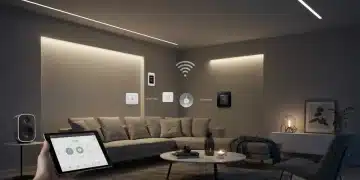
The true power of a smart home often comes alive when you integrate your devices with a central control system. Voice assistants like Amazon Alexa or Google Assistant provide a hands-free way to manage your smart plugs, while smart home hubs offer advanced customization and cross-device communication. This integration allows for a more cohesive and intelligent living environment.
Many smart plug apps also offer integration with IFTTT (If This Then That), a service that allows you to create custom applets that connect various smart devices and web services. This opens up a world of possibilities for advanced automation, such as turning on your lights when your smart doorbell detects motion or pausing your music when you leave the house.
- Voice Control: Use Alexa or Google Assistant for hands-free command of your plugs.
- Smart Hubs: Centralize control and enable more complex routines for diverse devices.
- IFTTT Integration: Create advanced automations linking smart plugs with other services.
- Energy Savings: Leverage energy monitoring features to identify and reduce consumption.
- Security Enhancements: Use timed lighting to deter potential intruders.
Your journey into smart home automation begins with these simple yet powerful custom smart plugs, proving that a connected home is within reach for everyone, regardless of budget.
| Key Aspect | Brief Description |
|---|---|
| Budget Goal | Automate 10 appliances for under $100 in 2025. |
| Appliance Selection | Prioritize lamps, coffee makers, fans, and safety devices for maximum impact. |
| Smart Plug Choice | Focus on multi-packs, sales, and reliable, basic Wi-Fi models for cost-effectiveness. |
| Automation Benefits | Enhance convenience, improve energy efficiency, and boost home security. |
Frequently Asked Questions About Smart Plugs
In 2025, you can typically find reliable individual smart plugs for around $10-$15, with multi-packs often reducing the per-plug cost to $8-$10. Look for sales during major shopping events to maximize savings.
Yes, smart plugs can contribute to energy savings by allowing you to schedule when appliances turn on and off, preventing ‘vampire drain’ from devices in standby mode, and monitoring energy consumption to identify wasteful habits.
Smart plugs work best with appliances that have a mechanical on/off switch or return to their ‘on’ state when power is restored. Avoid appliances that require a manual button press to operate after being plugged in.
Most Wi-Fi smart plugs do not require a separate hub and can be controlled directly via their manufacturer’s app or a voice assistant. A hub becomes beneficial for integrating diverse smart devices or complex automations.
Reputable smart plug brands implement encryption and security protocols. Ensure your home Wi-Fi network is strong and secure with a unique password. Regularly update device firmware to protect against potential vulnerabilities and maintain privacy.
Conclusion
Embracing the smart home revolution doesn’t have to be an intimidating or expensive endeavor. As demonstrated, leveraging custom smart plugs offers an incredibly accessible pathway to automate up to ten of your home appliances for less than $100 in 2025. This budget-friendly approach empowers you to enhance convenience, optimize energy usage, and even bolster home security, all through simple, intuitive technology. By strategically selecting your appliances, choosing cost-effective yet reliable smart plugs, and crafting intelligent automation routines, you can transform your living space into a more responsive and efficient environment. The journey to a smarter home is within reach, starting with these versatile and affordable devices.