Unlock Federal Tax Credits 2026: Up To $3,200 for Home Energy Efficiency
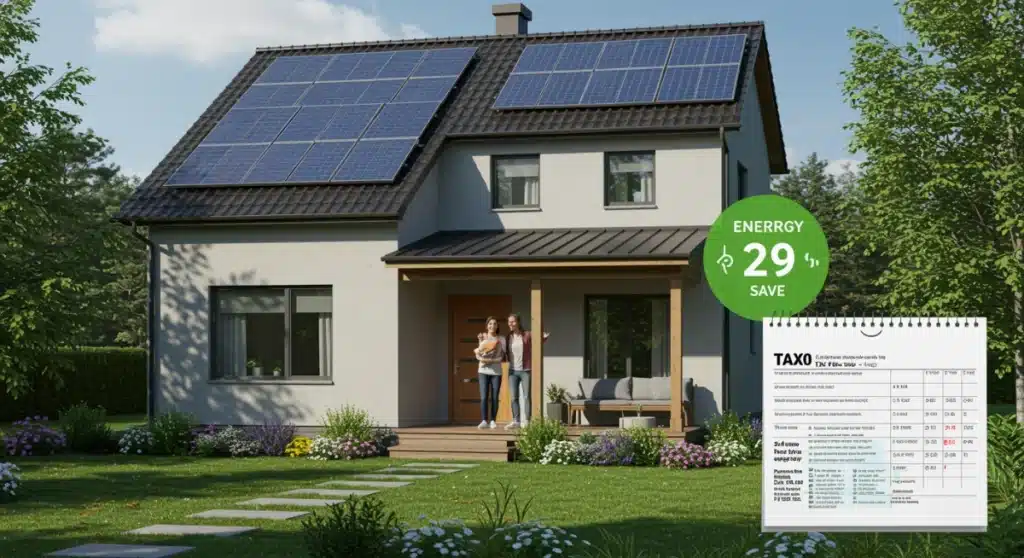
Homeowners can claim significant federal tax credits in 2026, offering up to $3,200 for eligible energy efficiency improvements, making it an opportune time to invest in sustainable home upgrades and reduce utility costs.
Are you ready to transform your home into an energy-efficient haven while saving a substantial amount of money? In 2026, the opportunity to claim up to $3,200 for home energy efficiency upgrades through federal tax credits 2026 is more accessible than ever. This guide will walk you through everything you need to know to maximize your savings and make your home smarter and more sustainable.
Understanding the 2026 Federal Tax Credits Landscape
The federal government continues its commitment to promoting energy efficiency, and 2026 brings renewed incentives designed to help homeowners reduce their carbon footprint and utility bills. These tax credits are not merely deductions; they are direct reductions from the amount of tax you owe, providing a powerful financial incentive for making eco-friendly home improvements. Understanding the specific programs and their nuances is the first step toward unlocking these valuable savings.
The core of these incentives lies in encouraging upgrades that significantly improve your home’s energy performance. This includes everything from better insulation to advanced heating and cooling systems. The goal is to make these crucial improvements more affordable, accelerating the transition to a greener, more sustainable living environment for American households. Eligibility criteria and specific credit amounts can vary, so a detailed understanding is essential to ensure you qualify for the maximum possible benefit.
The Inflation Reduction Act’s Enduring Impact
The Inflation Reduction Act (IRA) of 2022 laid the groundwork for many of the energy efficiency tax credits that continue into 2026. This landmark legislation expanded and extended several key tax incentives, providing long-term stability and predictability for homeowners planning upgrades. The IRA’s provisions aim to reduce energy costs for families, create good-paying jobs, and tackle climate change. For homeowners, this means a sustained period of robust support for energy-efficient investments.
- Extended Programs: Many popular credits, like those for heat pumps and insulation, are extended through 2032.
- Increased Credit Amounts: The IRA significantly increased the annual limits for many credits, making larger projects more appealing.
- Broader Eligibility: More types of energy-efficient products and services now qualify under the updated guidelines.
The continuous rollout of these IRA-backed credits demonstrates a clear federal strategy to incentivize sustainable living. Homeowners should view these credits as a substantial opportunity to invest in their property’s long-term value and operational efficiency. Staying informed about the specific details of these programs is crucial for anyone looking to undertake home improvement projects in the coming years. This long-term commitment allows for better planning and more impactful upgrades.
Eligible Home Energy Efficiency Upgrades for 2026
Diving into the specifics, knowing which home improvements qualify for the 2026 federal tax credits is paramount. These credits are designed to cover a broad range of upgrades, all aimed at reducing your home’s energy consumption. From improving your home’s envelope to upgrading its mechanical systems, many projects can put money back in your pocket. Understanding the categories of eligible upgrades will help you plan your projects strategically.
The focus remains on improvements that deliver measurable energy savings and environmental benefits. This includes items that directly impact heating, cooling, and overall electricity usage. Preparing a list of potential upgrades and then cross-referencing them with the official IRS guidelines is a smart approach to ensure eligibility and maximize your credit potential. It’s not just about making your home look better; it’s about making it perform better.
Key Categories of Qualifying Improvements
Several major categories stand out when considering eligible upgrades. These often represent the most impactful changes you can make to your home’s energy profile. Each category has specific requirements and credit limits, which we will explore in detail. Focusing on these high-impact areas can yield the greatest returns both in terms of energy savings and tax credits.
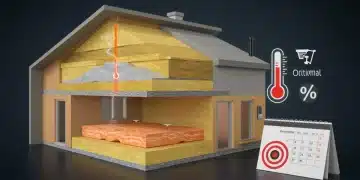
- Insulation and Air Sealing: Upgrading your home’s insulation (attic, wall, floor) and sealing air leaks are fundamental for energy efficiency. These improvements prevent heat loss in winter and heat gain in summer, significantly reducing the load on your HVAC system.
- Energy-Efficient Windows, Doors, and Skylights: Replacing old, drafty windows and doors with ENERGY STAR certified alternatives can dramatically improve your home’s thermal performance.
- High-Efficiency Heating and Cooling Equipment: Installing heat pumps, central air conditioners, furnaces, and water heaters that meet specific efficiency standards are often eligible for substantial credits.
- Residential Energy Property: This category includes items like home energy audits, biomass stoves, and certain electrical panel upgrades.
Understanding these categories is the foundation of a successful energy efficiency upgrade plan. Each improvement not only contributes to a more comfortable home environment but also plays a role in reducing your long-term energy expenditures. Prioritizing upgrades based on your home’s current inefficiencies and the available tax credits can lead to significant financial benefits.
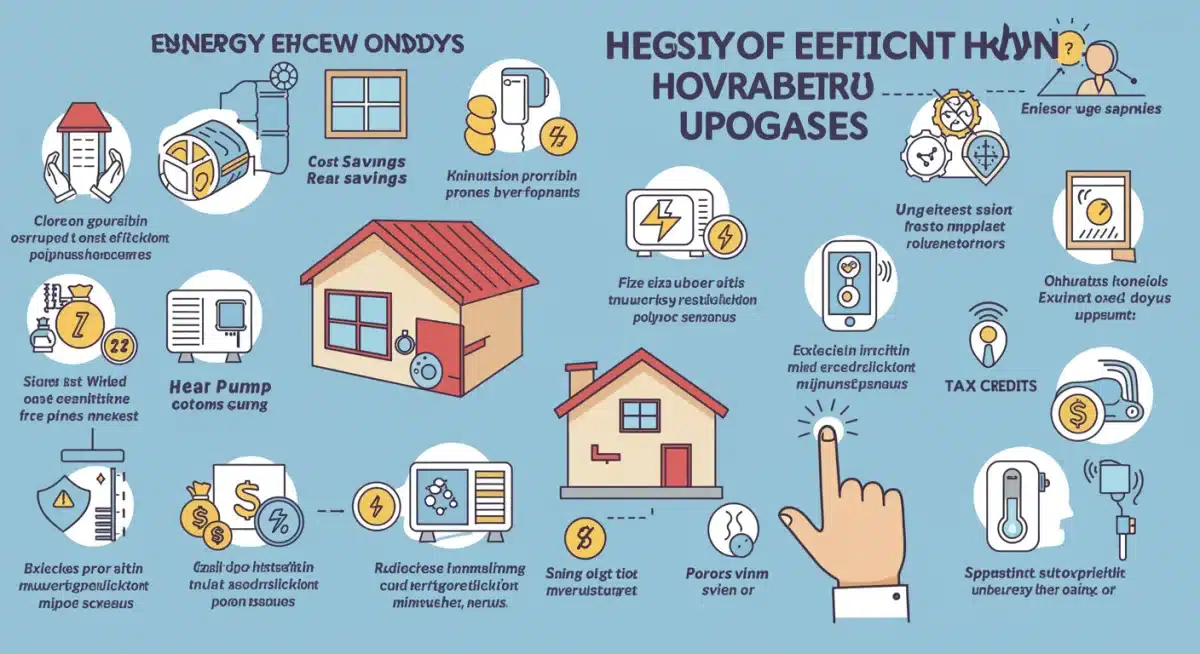
Navigating the Credit Amounts and Annual Limits
While the headline figure of up to $3,200 is exciting, it’s crucial to understand how this amount is broken down and what annual limits apply to different types of upgrades. The federal tax credits for energy-efficient home improvements are structured with both overall annual limits and specific caps for individual categories of upgrades. This tiered approach ensures a balanced distribution of incentives across various types of projects.
The overall annual credit limit for most energy-efficient home improvements is $3,200. However, this isn’t a single lump sum you can claim for any one project. Instead, it’s a cumulative limit for most of the smaller, non-solar upgrades. For instance, if you install new insulation and then later upgrade your windows, these costs contribute to the same annual cap. This structure encourages homeowners to undertake multiple smaller upgrades or one significant project within a given year.
Specific Credit Caps for Different Upgrades
Beyond the general annual limit, individual categories of improvements often have their own specific credit caps. These caps are designed to reflect the typical costs and energy savings associated with each type of upgrade. Knowing these specific limits is essential for accurately budgeting your projects and understanding your potential tax relief.
- General Energy Efficient Home Improvement Credit: You can claim 30% of the cost of eligible home improvements, up to a maximum of $1,200 annually. This applies to insulation, exterior doors (up to $250 per door, $500 total), exterior windows and skylights (up to $600), and certain energy property like central air conditioners and furnaces.
- Heat Pumps and Biomass Stoves/Boilers: These high-efficiency items have a more generous annual credit of 30% of the cost, up to $2,000. This credit is separate from the $1,200 general credit, allowing for a combined potential of $3,200 in a single year if you undertake both types of upgrades.
- Home Energy Audits: The cost of a home energy audit, performed by a certified professional, can also be included, up to a maximum credit of $150.
It’s important to keep meticulous records of all your expenses, including receipts for materials and labor, to substantiate your claims. These detailed caps mean that a strategic approach to your home improvements can maximize the total credit you receive. For example, installing a heat pump and then upgrading your insulation and windows in the same year could allow you to tap into both the $2,000 and $1,200 limits, reaching the maximum $3,200.
Step-by-Step Guide to Claiming Your Credits
Claiming the federal tax credits for energy efficiency doesn’t have to be complicated, but it does require careful attention to detail and proper documentation. By following a clear, step-by-step process, you can ensure you receive all the benefits you’re entitled to without any hitches. This section will walk you through the necessary actions, from initial planning to filing your tax return.
The general principle is to ensure that all your eligible expenses are well-documented and that you understand which forms to use when filing your taxes. Proactive planning and organization will save you time and potential headaches down the line. Remember, these are non-refundable credits, meaning they can reduce your tax liability to zero, but you won’t get a refund for any credit amount exceeding your tax due.
Essential Steps for a Smooth Claim Process
To successfully claim your federal tax credits, consider these key steps:
- Research Eligibility: Before starting any project, confirm that your chosen upgrades and the products you intend to install meet the specific energy efficiency requirements set by the IRS. Look for ENERGY STAR certifications or manufacturer’s statements of qualification.
- Keep Detailed Records: Maintain thorough records of all expenses. This includes receipts for materials, invoices from contractors, and any manufacturer’s certifications for eligible products. Document the date of installation and the cost of each item.
- Understand IRS Form 5695: This is the primary form used to claim the residential energy credits. You will need to complete this form and attach it to your federal income tax return (Form 1040). Familiarize yourself with the sections relevant to your specific upgrades.
- Consult a Tax Professional: If you have complex tax situations or are unsure about any aspect of claiming the credits, consult with a qualified tax professional. They can provide personalized advice and ensure you maximize your benefits while complying with all regulations.
By diligently following these steps, you can confidently claim your federal tax credits and enjoy the financial rewards of your energy-efficient home improvements. The process is manageable with good organization and a clear understanding of the requirements. Do not underestimate the value of solid documentation and professional advice.
Maximizing Your Savings: Combining Credits and Rebates
While federal tax credits offer significant savings, they are often just one piece of the puzzle. Many states, local municipalities, and even utility companies offer additional incentive programs, including rebates and other credits, for energy-efficient upgrades. Combining these various programs can lead to even greater financial benefits, making your home improvement projects incredibly cost-effective.
The key to maximizing your savings is understanding the landscape of all available incentives in your area. This requires a bit of research, but the effort can yield substantial returns. Often, federal credits can be combined with state or local rebates, as long as the same expenses are not double-counted for both a credit and a rebate (though they usually aren’t). Always check the specific rules for each program you are considering.
Exploring State, Local, and Utility Programs
Many complementary programs exist that homeowners should explore. These can significantly reduce the out-of-pocket costs for energy efficiency upgrades.
- State Tax Credits: Several states offer their own tax credits for energy-efficient home improvements, which can be claimed in addition to federal credits.
- Local Government Programs: Some cities or counties provide grants, low-interest loans, or rebates for specific energy-saving projects within their jurisdiction.
- Utility Company Rebates: Many electric and gas utility companies offer rebates for installing high-efficiency appliances, smart thermostats, or insulation, as it helps them manage demand.
It’s advisable to visit your state’s energy office website, your local government’s planning department, and your utility provider’s website to find current programs. Always check the eligibility requirements and application deadlines carefully. By strategically stacking these incentives, you can dramatically lower the net cost of your energy upgrades, making them more affordable and accelerating your return on investment. This comprehensive approach ensures you don’t leave any money on the table.
Long-Term Benefits of Energy-Efficient Upgrades
Beyond the immediate financial relief provided by the 2026 federal tax credits, investing in energy-efficient home upgrades offers a wealth of long-term benefits that extend far beyond a single tax season. These advantages contribute to a more comfortable, valuable, and sustainable home environment, solidifying the wisdom of making these improvements.
The most obvious long-term benefit is the reduction in your monthly utility bills. By consuming less energy for heating, cooling, and electricity, you’ll see consistent savings year after year. These savings accumulate over time, often offsetting the initial investment in just a few years, especially when combined with tax credits and rebates. Furthermore, an energy-efficient home typically has a higher resale value, appealing to eco-conscious buyers.
Enhanced Comfort, Value, and Environmental Impact
The benefits of an energy-efficient home are multifaceted, touching upon personal comfort, property value, and broader environmental stewardship.
- Increased Home Comfort: Better insulation, airtight sealing, and efficient HVAC systems lead to more consistent indoor temperatures, fewer drafts, and improved air quality, making your home a more pleasant place to live year-round.
- Higher Property Value: Energy-efficient homes are increasingly attractive to potential buyers. Features like low utility bills and modern, efficient systems are significant selling points that can command a higher price and faster sale.
- Reduced Carbon Footprint: By using less energy, you contribute directly to reducing greenhouse gas emissions. This environmental benefit aligns with a growing global imperative for sustainable living and positions your home as part of the solution to climate change.
- Greater Energy Independence: A more efficient home reduces your reliance on external energy sources and makes you less vulnerable to fluctuating energy prices.
Investing in energy efficiency is a decision that pays dividends in multiple ways. It’s an investment in your comfort, your financial future, and the health of the planet. The initial effort to upgrade and claim credits is a small price to pay for the enduring advantages you will enjoy for years to come. Consider these long-term gains as compelling reasons to act on the available federal tax credits.
Looking Ahead: Future of Energy Efficiency Incentives
The landscape of energy efficiency incentives is dynamic, continually evolving to meet new environmental goals and technological advancements. While the 2026 federal tax credits provide a clear roadmap for current projects, it’s beneficial for homeowners to keep an eye on future developments. The commitment to a greener economy suggests that support for energy-efficient homes will likely continue and potentially expand.
Government policies and technological innovation often work hand-in-hand to accelerate the adoption of sustainable practices. As new energy-saving technologies emerge, it’s probable that future incentive programs will adapt to include them, ensuring that homeowners always have access to cutting-edge solutions. Staying informed about proposed legislation and industry trends can help you plan for even more advanced upgrades down the line.
Anticipating Policy Changes and New Technologies
The ongoing commitment to climate action means that energy efficiency will remain a priority, influencing future policy and available incentives.
- Potential for New Credits: As renewable energy and storage solutions become more mainstream, there’s potential for new or expanded credits for technologies like home battery storage or advanced grid-interactive devices.
- Evolving Efficiency Standards: The definition of what qualifies as “energy-efficient” may become more stringent over time as technology improves, potentially requiring higher performance standards for future credits.
- Increased Focus on Whole-Home Solutions: There might be a greater emphasis on comprehensive, whole-home energy retrofits rather than individual component upgrades, possibly leading to integrated incentive programs.
For homeowners, this forward-looking perspective means that the journey toward a truly energy-independent and sustainable home is continuous. The 2026 federal tax credits are an excellent starting point, but remaining engaged with policy updates and technological advancements will ensure you’re always positioned to take advantage of the next wave of incentives. Prepare your home not just for today’s efficiency standards, but for tomorrow’s as well.
| Key Point | Brief Description |
|---|---|
| Total Credit Limit | Up to $3,200 annually for eligible energy efficiency upgrades. |
| Eligible Upgrades | Includes insulation, windows, doors, heat pumps, and certain HVAC systems. |
| Claiming Process | Requires filing IRS Form 5695 with detailed records and receipts. |
| Maximizing Savings | Combine federal credits with state, local, and utility rebates. |
Frequently Asked Questions About 2026 Energy Tax Credits
You can claim up to $3,200 annually in federal tax credits for eligible home energy efficiency upgrades in 2026. This is a combined limit, with specific caps for different types of improvements, such as $1,200 for general upgrades and $2,000 for heat pumps.
Eligible improvements include insulation, air sealing, energy-efficient exterior windows, doors, skylights, and high-efficiency heating and cooling equipment like heat pumps, central air conditioners, and furnaces. A home energy audit also qualifies for a smaller credit.
Yes, absolutely. It is crucial to keep meticulous records of all expenses, including receipts for materials and invoices from contractors, along with any manufacturer’s certifications. These documents are essential to substantiate your claim when filing IRS Form 5695.
In most cases, yes. You can often combine federal tax credits with state, local, and utility company rebates. However, it’s important to check the specific rules of each program to ensure you are not double-counting the same expenses for different incentives.
The federal energy efficiency tax credits are non-refundable. This means they can reduce your tax liability down to zero, but you will not receive a refund for any credit amount that exceeds the total tax you owe for the year.
Conclusion
The opportunity to unlock federal tax credits in 2026, offering up to $3,200 for home energy efficiency upgrades, represents a significant incentive for homeowners. By understanding the eligible improvements, navigating the credit amounts, and meticulously documenting your projects, you can transform your living space into a more sustainable and cost-effective environment. Beyond the immediate financial savings, these upgrades contribute to long-term comfort, increased property value, and a reduced environmental footprint. Embracing these incentives is a smart investment in both your home and the planet, paving the way for a greener, more efficient future.