Elevating Home Comfort: 3 Smart Thermostat Automation Strategies for Peak Efficiency in 2026
Elevating Home Comfort: 3 Smart Thermostat Automation Strategies for Peak Efficiency in 2026
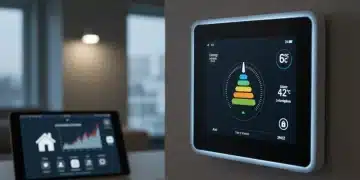
In the rapidly evolving landscape of smart home technology, the humble thermostat has undergone a profound transformation. No longer just a dial on the wall, today’s smart thermostats are sophisticated hubs of climate control, offering unparalleled opportunities for comfort, convenience, and, crucially, energy efficiency. As we look towards 2026, the potential of Smart Thermostat Automation to revolutionize how we manage our home environments is more significant than ever. This guide delves into three cutting-edge strategies that will empower you to achieve peak efficiency and elevate your home comfort to new heights.
The promise of a truly intelligent home lies in its ability to anticipate and adapt to your needs without constant manual intervention. For heating, ventilation, and air conditioning (HVAC) systems, this means moving beyond simple scheduling to dynamic, responsive automation. Imagine a home that knows when you’re arriving, adjusts the temperature based on real-time weather data, and even learns your preferences over time. This isn’t science fiction; it’s the reality of advanced Smart Thermostat Automation.
The benefits extend far beyond just comfort. By optimizing your HVAC usage, smart thermostat automation can lead to substantial reductions in your energy bills, lessen your carbon footprint, and prolong the lifespan of your heating and cooling equipment. In an era where sustainability and cost-effectiveness are paramount, integrating these advanced strategies into your home is not just an upgrade; it’s a necessity.
This article will explore three pivotal strategies: Geofencing for Dynamic Control, AI-Powered Predictive Learning, and Integration with Broader Smart Home Ecosystems. Each strategy offers distinct advantages and, when combined, creates a holistic approach to intelligent climate management. Let’s dive into how you can harness the power of Smart Thermostat Automation to create a more comfortable, efficient, and responsive home.
Strategy 1: Geofencing for Dynamic, Location-Based Climate Control
One of the most impactful advancements in Smart Thermostat Automation is the widespread adoption and refinement of geofencing technology. Geofencing utilizes your smartphone’s location services to create a virtual perimeter around your home. When you cross this perimeter, your smart thermostat can automatically adjust its settings, ensuring your home is comfortable when you arrive and saving energy when you’re away.
How Geofencing Works with Your Smart Thermostat
At its core, geofencing is about proximity. You define a ‘home zone’ in your smart thermostat’s app. As you leave this zone, your thermostat can automatically switch to an ‘away’ mode, raising the temperature in summer or lowering it in winter to conserve energy. Conversely, as you re-enter the zone, it can begin to heat or cool your home to your preferred ‘home’ temperature, ensuring maximum comfort the moment you walk through the door. This eliminates the need for rigid schedules that might not align with your ever-changing daily routine.
Beyond Basic On/Off: Advanced Geofencing Capabilities
Modern geofencing for Smart Thermostat Automation goes far beyond simple on/off commands. Advanced systems can:
- Multi-User Geofencing: Recognize when multiple household members are away or home, only adjusting the climate when the last person leaves and the first person returns. This prevents unnecessary heating or cooling if one family member is still at home.
- Customizable Zones: Create multiple geofence zones with different radii. For instance, a larger outer zone might trigger a pre-cooling or pre-heating cycle, while a smaller inner zone might fine-tune the temperature just before you arrive.
- Integration with Traffic Data: Some sophisticated systems can even integrate with real-time traffic data. If your commute is unexpectedly long, the thermostat might delay its pre-conditioning cycle, saving even more energy.
- Learning from Patterns: Over time, the system can learn your typical travel patterns and adjust its geofencing responses for optimal efficiency and comfort, minimizing drastic temperature swings.
Benefits of Geofencing for Smart Thermostat Automation
The advantages of implementing geofencing are multifaceted:
- Significant Energy Savings: By ensuring your HVAC system only runs efficiently when necessary, geofencing can drastically reduce energy waste associated with heating or cooling an empty house.
- Uninterrupted Comfort: Arrive home to a perfectly conditioned environment every time, without having to remember to adjust your thermostat beforehand.
- Flexibility and Adaptability: Geofencing adapts to your unpredictable schedule, making it ideal for those with irregular work hours or frequent travel.
- Reduced HVAC Wear and Tear: More efficient operation means less stress on your heating and cooling equipment, potentially extending its lifespan.
Implementing geofencing for your Smart Thermostat Automation requires a compatible smart thermostat and usually involves enabling location services on your smartphone. Most major smart thermostat brands, such as Nest, Ecobee, and Honeywell Home, offer robust geofencing features, making this a highly accessible and effective strategy for modern homes.
Strategy 2: AI-Powered Predictive Learning for Optimal Climate Control
Beyond reacting to your presence, the next frontier in Smart Thermostat Automation is its ability to anticipate your needs and optimize climate control through Artificial Intelligence (AI) and machine learning. AI-powered predictive learning transforms your thermostat from a reactive device into a proactive climate manager, constantly learning and adapting to create the most efficient and comfortable environment possible.
The Evolution of Learning Thermostats
Early ‘learning’ thermostats could observe your manual adjustments over a week or two and then attempt to replicate those patterns. While a step forward, these systems often struggled with deviations from the norm. AI-powered predictive learning, however, goes much deeper. It analyzes a vast array of data points to build a comprehensive model of your home’s thermal characteristics and your household’s preferences.
Key Elements of AI-Powered Predictive Learning
- Occupancy Sensing: Advanced smart thermostats incorporate motion and occupancy sensors to understand actual presence in rooms, not just rely on geofencing for the entire house. This allows for zoned heating/cooling in multi-room setups.
- Weather Integration: AI algorithms meticulously analyze local weather forecasts, including temperature, humidity, wind, and even solar gain. If a sunny day is predicted, the system might pre-cool slightly less, knowing the sun will contribute to warming. Conversely, it might pre-heat more aggressively before a cold front arrives.
- Thermal Modeling of Your Home: Over time, the AI learns how quickly your home heats up and cools down. It understands your home’s insulation levels, window efficiency, and even the thermal mass of its construction materials. This allows it to initiate heating or cooling cycles at precisely the right time to reach your desired temperature when you want it, minimizing overshoot or undershoot.
- User Preference Learning: Beyond simple schedules, the AI observes your manual overrides, preferred temperatures at different times of day, and even your reactions to varying humidity levels. It learns your ‘comfort sweet spot’ and strives to maintain it.
- Energy Cost Optimization: Some advanced AI systems can even integrate with real-time electricity pricing (if available from your utility) to shift energy-intensive heating or cooling to off-peak hours, further reducing costs.
Benefits of AI-Powered Predictive Learning
Embracing AI in your Smart Thermostat Automation offers substantial advantages:
- Maximized Energy Efficiency: By precisely timing heating and cooling cycles and accounting for external factors, AI significantly reduces wasted energy, leading to lower utility bills.
- Unparalleled Comfort Consistency: The system aims to maintain your desired comfort level with greater precision, eliminating uncomfortable temperature fluctuations.
- Truly Hands-Off Operation: Once the AI has learned your patterns and your home’s characteristics, it largely operates autonomously, requiring minimal manual intervention.
- Proactive Problem Solving: Some AI systems can detect unusual energy usage patterns or HVAC performance issues, potentially alerting you to maintenance needs before they become major problems.
The sophistication of AI-powered predictive learning is continually advancing, making Smart Thermostat Automation an increasingly intelligent and indispensable part of the modern smart home. Brands like Google Nest and Ecobee are at the forefront of integrating these AI capabilities into their devices, offering users a truly intelligent climate control experience.
Strategy 3: Integration with Broader Smart Home Ecosystems
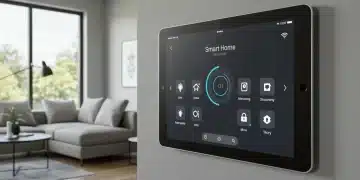
The true power of Smart Thermostat Automation is unleashed when it moves beyond being a standalone device and becomes an integral, interconnected component of a larger smart home ecosystem. Integrating your smart thermostat with other smart devices allows for synergistic automation scenarios that enhance comfort, security, and efficiency in ways a single device cannot achieve.
Creating a Unified Smart Home Experience
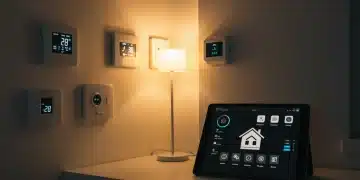
Think of your smart home as an orchestra, and your smart thermostat as a key instrument. When all instruments play in harmony, the result is a beautiful symphony of automation. Integration typically occurs through central smart home hubs (like Amazon Echo, Google Home, Apple HomeKit, or Samsung SmartThings) or directly between compatible devices via platforms like IFTTT (If This Then That).
Examples of Integrated Smart Thermostat Automation
- Lighting and Shades Integration:
- Scenario: On a hot, sunny day, your smart thermostat detects rising indoor temperatures.
- Automation: It signals your smart blinds or shades to close partially or fully, blocking solar gain and reducing the load on your air conditioning. Simultaneously, smart lights might dim or adjust color temperature to maintain ambient light levels.
- Benefit: Reduces cooling costs significantly and prevents uncomfortable glare.
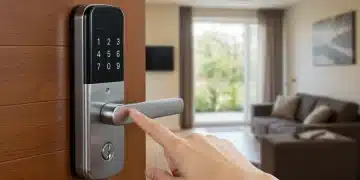
- Smart Locks and Security Systems:
- Scenario: You lock your front door as you leave for work, and your security system arms.
- Automation: This action triggers your smart thermostat to switch to ‘away’ mode, initiating energy-saving temperatures. If a window or door is left open, the thermostat could pause HVAC operation to avoid wasting energy.
- Benefit: Ensures energy savings automatically when the house is empty and prevents energy waste from open windows.
- Smart Fans and Ventilation Systems:
- Scenario: Your smart thermostat detects slightly elevated humidity or a minor temperature increase that doesn’t warrant full HVAC activation.
- Automation: It can activate smart ceiling fans or whole-house ventilation systems to circulate air or exhaust excess humidity, providing comfort with less energy consumption than running the AC.
- Benefit: Uses less energy for minor adjustments, improving air quality and comfort.
- Voice Assistant Control:
- Scenario: You’re relaxing on the couch and feel a little warm.
- Automation: A simple voice command like ‘Hey Google, set the thermostat to 72 degrees’ or ‘Alexa, make it cooler’ instantly adjusts the temperature without you needing to get up or open an app.
- Benefit: Adds unparalleled convenience and hands-free control to your Smart Thermostat Automation.
The Future of Ecosystem Integration
As smart home standards continue to evolve (e.g., Matter protocol), the level of integration and interoperability between devices will only improve. This means more seamless connections and more complex, yet intuitive, automation routines. Your Smart Thermostat Automation will become a central orchestrator of your home’s climate, working in concert with every other smart device to create a truly intelligent and responsive living space.
Implementing Your Smart Thermostat Automation Strategies
Now that we’ve explored these powerful strategies, let’s look at how to effectively implement them in your home to maximize your comfort and efficiency with Smart Thermostat Automation.
Choosing the Right Smart Thermostat
The foundation of effective automation is selecting a smart thermostat that meets your needs. Consider the following:
- Compatibility: Ensure it’s compatible with your existing HVAC system (e.g., conventional, heat pump, multi-stage).
- Features: Look for geofencing, AI learning capabilities, and integration with your preferred smart home ecosystem (e.g., Google Home, Amazon Alexa, Apple HomeKit).
- Sensors: Some models offer remote room sensors to measure temperature and occupancy in different areas, allowing for more precise control and addressing hot/cold spots.
- User Interface: An intuitive app and on-device interface make setup and adjustments easier.
- Energy Reports: Many smart thermostats provide detailed energy usage reports, helping you understand your consumption patterns and identify further savings opportunities.
Installation and Setup
Most smart thermostats are designed for DIY installation, often taking less than 30 minutes. However, if you’re uncomfortable with electrical wiring or have a complex HVAC system, professional installation is recommended. Once installed, the initial setup involves connecting it to your Wi-Fi network and configuring basic preferences through the accompanying mobile app.
Configuring Automation Rules
This is where the magic of Smart Thermostat Automation truly comes alive:
- Geofencing: In your thermostat’s app, define your home’s perimeter and set ‘home’ and ‘away’ temperatures. Ensure location services are enabled for your smartphone and the thermostat app.
- AI Learning: Allow the thermostat a few weeks to observe your patterns and preferences. Interact with it naturally, making adjustments when needed, and the AI will learn from your behavior.
- Ecosystem Integration: Link your smart thermostat to your smart home hub (e.g., Google Home, Alexa app). Then, create routines or automations that combine actions from different devices. For example, ‘When I leave home (geofence trigger), turn off lights, arm security, and set thermostat to away mode.’
- Schedules and Presets: Even with advanced automation, setting basic schedules for peak occupancy times can provide a baseline for the AI to optimize around. Use ‘Eco’ or ‘Away’ presets for quick energy-saving modes.
- Remote Sensors: If using remote sensors, strategically place them in frequently used rooms or areas prone to temperature imbalances to give your thermostat more accurate data.
Monitoring and Optimization
Smart Thermostat Automation is not a ‘set it and forget it’ solution, although it strives to be. Regularly review the energy reports provided by your thermostat’s app. These insights can reveal patterns of usage, potential inefficiencies, and confirm the savings you’re achieving. Make minor adjustments to your automation rules or preferred temperatures as your lifestyle or comfort needs evolve. The goal is continuous optimization for both comfort and cost savings.
Addressing Common Concerns and Future Trends
While the benefits of Smart Thermostat Automation are clear, some common concerns and exciting future trends are worth considering.
Data Privacy and Security
Smart thermostats collect data on your home’s climate and occupancy patterns. It’s crucial to choose reputable brands that prioritize data security and clearly outline their privacy policies. Ensure your Wi-Fi network is secure, and use strong, unique passwords for all your smart home devices.
Interoperability Challenges
Historically, different smart home ecosystems have struggled with seamless communication. However, initiatives like the Matter protocol are specifically designed to address these interoperability challenges, promising a future where devices from different manufacturers can communicate and automate with greater ease and reliability. This will significantly enhance the potential of integrated Smart Thermostat Automation.
The Rise of Hyper-Personalized Climate Zones
Looking ahead to 2026 and beyond, we can anticipate even more granular control. Imagine individual room sensors that not only monitor temperature and occupancy but also air quality (VOCs, CO2). This data, combined with advanced AI, could lead to hyper-personalized climate zones, where each room is precisely conditioned based on its current occupants’ preferences and real-time environmental factors, rather than just a general ‘home’ or ‘away’ setting. This takes Smart Thermostat Automation to an unprecedented level of customization and efficiency.
Integration with Renewable Energy and Grid Optimization
Future Smart Thermostat Automation will likely play a more active role in managing home energy in conjunction with renewable sources like solar panels and even interacting with the local energy grid. By dynamically adjusting heating and cooling based on solar power generation or grid demand, these systems could help homeowners maximize their self-consumption of renewable energy and potentially earn credits from utility companies during peak demand periods.
Conclusion: Embrace the Future of Home Comfort and Efficiency
The journey towards a truly smart and efficient home is an ongoing one, and Smart Thermostat Automation stands at the forefront of this evolution. By strategically implementing geofencing for dynamic, location-based control, leveraging AI-powered predictive learning for unparalleled optimization, and integrating your thermostat into a broader smart home ecosystem, you can unlock a new era of home comfort and significant energy savings.
These strategies are not just about convenience; they represent a fundamental shift in how we interact with our living spaces, making them more responsive, more sustainable, and ultimately, more intelligent. As technology continues to advance, the potential for Smart Thermostat Automation to enhance our daily lives will only grow. Embrace these innovations today, and step into a future where your home’s climate control is not just smart, but truly brilliant.