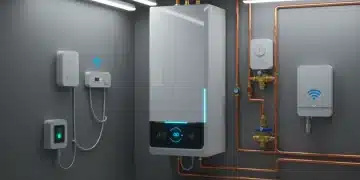
Water Heater Upgrades 2026: Cut Energy by 40% with Tankless & Hybrid
Water Heater Upgrades for 2026: Cut Energy Consumption by 40% with Tankless and Hybrid Models
As we approach 2026, the landscape of home energy efficiency continues to evolve at a rapid pace. For many homeowners, one of the largest and most often overlooked energy consumers is the water heater. Traditional tank-style water heaters, while reliable, are notoriously inefficient, constantly heating and reheating a large volume of water whether you need it or not. However, the good news is that significant advancements in technology now offer compelling alternatives that can drastically reduce your energy bills and environmental footprint. We’re talking about tankless water heaters and hybrid water heaters – two revolutionary options poised to become the standard for modern, energy-conscious homes.
The promise? Cutting your water heating energy consumption by an impressive 40% or even more. This isn’t just a marginal improvement; it’s a game-changer for household budgets and the planet. In this comprehensive guide, we’ll dive deep into the world of Water Heater Upgrades for 2026, exploring the benefits, costs, installation considerations, and what you need to know to make an informed decision for your home. Get ready to transform your hot water experience and unlock substantial savings.
The Energy Drain: Why Your Old Water Heater is Costing You
Before we delve into the exciting new technologies, let’s understand why upgrading your water heater is such a critical step towards energy efficiency. Your conventional tank-style water heater operates on a simple, yet inherently inefficient, principle: it heats a large tank of water to a set temperature and then maintains that temperature 24/7, regardless of demand. This constant heating and reheating is known as “standby heat loss,” and it accounts for a significant portion of your energy bill.
Understanding Standby Heat Loss
Imagine boiling a kettle of water and then keeping it perpetually hot, even when you’re not making tea. That’s essentially what a traditional water heater does. Heat naturally escapes through the tank walls, even if they are insulated. To counteract this, the heating element (gas or electric) kicks in periodically to bring the water back up to the desired temperature. This energy isn’t used to provide you with hot water; it’s simply wasted maintaining a ready supply that might not be used for hours.
According to the U.S. Department of Energy, water heating can account for 14% to 18% of the average utility bill. For many households, this translates to hundreds of dollars annually simply disappearing into thin air due to standby heat loss. As energy costs continue to rise, these inefficiencies become even more impactful on your household budget. This makes Water Heater Upgrades not just a convenience, but a financial imperative.
Environmental Impact
Beyond the financial cost, the energy consumed by inefficient water heaters also carries an environmental burden. The more energy your water heater uses, the larger its carbon footprint. By opting for energy-efficient Water Heater Upgrades, you’re not only saving money but also contributing to a more sustainable future by reducing greenhouse gas emissions associated with energy production.
Introducing the Game Changers: Tankless and Hybrid Water Heaters
The good news is that you don’t have to be stuck with an energy-guzzling appliance. The market for Water Heater Upgrades has matured significantly, offering two primary high-efficiency alternatives: tankless water heaters and hybrid (heat pump) water heaters. Each offers distinct advantages and caters to different household needs and preferences.
1. Tankless Water Heaters: Hot Water On-Demand
As the name suggests, tankless water heaters (also known as on-demand water heaters) eliminate the need for a storage tank. Instead, they heat water directly as it flows through the unit. When you turn on a hot water faucet, cold water travels through a pipe into the unit. A powerful heating element (gas or electric) rapidly heats the water to your desired temperature, delivering a continuous supply of hot water for as long as you need it.
How They Work
The magic of a tankless system lies in its ability to heat water instantaneously. When hot water is called for, a flow sensor activates the heating elements. For gas tankless units, a powerful burner ignites, heating a heat exchanger through which the water flows. Electric tankless units use high-wattage electric coils. The water is heated to the set temperature and then delivered to your faucet. When the faucet is turned off, the unit powers down, consuming no energy until hot water is needed again. This eliminates standby heat loss entirely, making them incredibly efficient.
Benefits of Tankless Water Heaters:
- Endless Hot Water: Never run out of hot water again! Tankless units provide a continuous supply, perfect for large families or homes with multiple simultaneous hot water demands.
- Significant Energy Savings: By eliminating standby heat loss, tankless heaters can be 24%–34% more energy efficient than conventional storage tank water heaters for a typical family, according to Energy.gov. This can translate to substantial savings on your utility bills.
- Longer Lifespan: Tankless units typically last longer than traditional tank heaters, often 20 years or more, compared to 10-15 years for tank models.
- Space-Saving Design: Their compact size allows them to be mounted on a wall, freeing up valuable floor space in utility closets, basements, or garages.
- Reduced Risk of Leaks: Without a large tank of stored water, the risk of catastrophic leaks and associated water damage is significantly reduced.
Considerations for Tankless Water Heaters:
- Higher Upfront Cost: The initial purchase and installation cost of a tankless unit is generally higher than a conventional tank heater.
- Flow Rate Limitations: While they provide endless hot water, tankless heaters have a maximum flow rate (gallons per minute). If multiple high-demand fixtures are used simultaneously (e.g., two showers and a dishwasher), you might experience a slight drop in temperature or flow. Proper sizing is crucial.
- Installation Requirements: Gas tankless units often require larger gas lines and specific venting, while electric tankless units may require significant electrical panel upgrades due to their high power draw.
2. Hybrid (Heat Pump) Water Heaters: The Best of Both Worlds
Hybrid water heaters, also known as heat pump water heaters (HPWHs), represent another excellent option for energy-conscious homeowners seeking Water Heater Upgrades. These innovative systems combine the best features of conventional tank water heaters with the energy-saving technology of a heat pump.
How They Work
Unlike traditional electric water heaters that use resistive heating elements to directly heat water, hybrid water heaters extract heat from the surrounding air and transfer it to the water in the storage tank. They work much like a refrigerator in reverse. An internal fan draws in ambient air, and a compressor uses a refrigerant to absorb heat from that air. This heated refrigerant then passes through a coil in the water tank, transferring its heat to the water. When demand is high, or ambient air temperature is too low, the hybrid unit automatically switches to conventional electric resistance heating to supplement the heat pump, ensuring you always have enough hot water.
Benefits of Hybrid Water Heaters:
- Exceptional Energy Efficiency: Hybrid water heaters are incredibly efficient, typically 2-3 times more efficient than standard electric resistance water heaters. They can reduce water heating costs by 50-70%, translating into significant savings.
- Lower Operating Costs: While the upfront cost might be higher, the substantial energy savings often lead to a quicker payback period than many other energy-efficient home improvements.
- Environmental Friendliness: By using ambient air heat, they significantly reduce electricity consumption and, consequently, your carbon footprint.
- Reliable Hot Water Supply: With a storage tank, you have a ready reservoir of hot water, and the electric resistance elements provide a backup for peak demand.
- Rebates and Incentives: Due to their high efficiency, many utility companies and government programs offer rebates and tax credits for installing hybrid water heaters, further reducing the net cost.
Considerations for Hybrid Water Heaters:
- Installation Location: Hybrid water heaters require a certain amount of unconditioned space (typically 1,000 cubic feet of air space) to operate efficiently, as they draw heat from the surrounding air. They are best suited for basements, garages, or large utility rooms, not small, enclosed closets.
- Noise: The fan and compressor generate some noise, similar to a refrigerator, which might be a concern if installed near living areas.
- Drainage: They produce condensate as a byproduct of the heat exchange process, requiring a nearby drain.
- Higher Upfront Cost: Similar to tankless units, the initial investment is higher than conventional tank models.
Choosing the Right Water Heater Upgrade for You
With two excellent options for Water Heater Upgrades, how do you decide which is best for your home? The choice often boils down to several factors, including your budget, household size, existing infrastructure, and specific hot water demands.
Factors to Consider:
- Household Size and Hot Water Demand:
- Tankless: Ideal for households with high, continuous hot water needs (multiple showers, large families) as long as flow rates are managed. Proper sizing is crucial to avoid cold showers.
- Hybrid: Excellent for average to large households, providing ample hot water with significant energy savings. The tank ensures a reserve, but recovery time is slower than tankless if the tank is depleted.
- Fuel Type:
- Tankless: Available in natural gas, propane, and electric models. Gas models generally offer higher flow rates and lower operating costs in many regions. Electric tankless units can require substantial electrical upgrades.
- Hybrid: Primarily electric, making them suitable for homes with sufficient electrical capacity. They are a great alternative to standard electric resistance heaters.
- Installation Space and Requirements:
- Tankless: Compact, wall-mounted. Requires adequate gas line or electrical service, and proper venting for gas models.
- Hybrid: Requires a larger footprint than a standard tank heater due to the heat pump components, and needs sufficient unconditioned air space (e.g., basement, garage) and a drain for condensate.
- Upfront Cost vs. Long-Term Savings:
- Both tankless and hybrid units have higher initial costs than conventional heaters. However, their superior energy efficiency leads to significant long-term savings that often offset the initial investment over their lifespan. Hybrid water heaters often have the fastest payback period due to their high efficiency and available incentives.
- Climate:
- Tankless: Performs well in all climates.
- Hybrid: Most efficient in moderate to warm climates where ambient air temperatures are consistently above 40-50°F (4-10°C). In very cold climates, they may rely more on resistive heating, reducing efficiency. However, modern units are improving performance in colder conditions.
Installation and Maintenance Considerations for Water Heater Upgrades
Regardless of whether you choose a tankless or hybrid unit, professional installation is paramount. These are sophisticated appliances that require specialized knowledge for safe and efficient operation. Incorrect installation can lead to safety hazards, reduced efficiency, and voided warranties.
Professional Installation is Key
- Sizing: A qualified professional will assess your hot water needs to correctly size the unit, ensuring it can meet your household’s demand.
- Permits: Many jurisdictions require permits for water heater installations due to safety and code compliance. Your installer should handle this.
- Infrastructure Upgrades: As mentioned, tankless gas units might need larger gas lines and specific venting. Electric tankless and hybrid units may require electrical panel upgrades. Your installer will identify these needs.
- Drainage: Hybrid units require a condensate drain, which needs to be properly installed.
Maintenance for Longevity and Efficiency
To ensure your new Water Heater Upgrades continue to perform optimally and provide maximum energy savings, regular maintenance is essential.
- Tankless Water Heaters:
- Flushing: Annually flushing the unit to remove mineral buildup (scale) is crucial, especially in areas with hard water. This prevents blockages and maintains efficiency.
- Inlet Filter Cleaning: Regularly clean the inlet water filter to ensure unobstructed water flow.
- Hybrid Water Heaters:
- Air Filter Cleaning: Periodically clean or replace the air filter on the heat pump to ensure optimal airflow and heat exchange.
- Condensate Drain Cleaning: Ensure the condensate drain line is clear and free of blockages.
- Anode Rod Inspection: Like traditional tank heaters, inspect and replace the anode rod as needed to protect the tank from corrosion.
The Future of Hot Water: Smart Features and Integration
As we look towards 2026 and beyond, Water Heater Upgrades are not just about efficiency but also about intelligence. Many modern tankless and hybrid units now come equipped with smart features that further enhance convenience, control, and savings.
- Wi-Fi Connectivity: Control and monitor your water heater from anywhere using a smartphone app. Adjust temperatures, set schedules, and receive alerts.
- Energy Monitoring: Track your hot water usage and energy consumption in real-time, helping you identify opportunities for further savings.
- Leak Detection: Some advanced models include integrated leak detection, providing early warnings to prevent costly water damage.
- Voice Assistant Integration: Integrate your water heater with smart home platforms like Amazon Alexa or Google Assistant for voice-activated control.
- Demand Response Programs: Participate in utility demand response programs, where your water heater can automatically adjust its operation during peak energy demand periods, earning you rebates or bill credits.
These smart features transform your water heater from a passive appliance into an active participant in your home’s overall energy management strategy, maximizing the benefits of your Water Heater Upgrades.
Financial Incentives and Rebates for Water Heater Upgrades
The good news for homeowners considering Water Heater Upgrades is that the long-term energy savings are often complemented by various financial incentives. Governments, utility companies, and even manufacturers recognize the value of energy-efficient appliances and offer programs to encourage their adoption.
Federal Tax Credits
The U.S. federal government often provides tax credits for qualifying energy-efficient home improvements, including certain high-efficiency water heaters. For example, the Inflation Reduction Act of 2022 extended and expanded tax credits for residential energy efficiency. It’s crucial to check the latest IRS guidelines or consult with a tax professional to see which specific models and efficiency ratings qualify.
State and Local Rebates
Many state and local governments, as well as municipal utility companies, offer their own rebate programs. These can vary significantly by location but often include substantial incentives for installing ENERGY STAR certified tankless or hybrid water heaters. Websites like ENERGY STAR’s Rebate Finder are excellent resources for discovering programs in your area.
Manufacturer Rebates
Don’t forget to check with individual water heater manufacturers. They sometimes offer their own rebates or special promotions, especially for new, high-efficiency models. Combining these with utility or government incentives can significantly reduce your upfront cost.
Always research available incentives before making your purchase. These programs can make the initial investment in Water Heater Upgrades much more manageable and accelerate your payback period.
Long-Term Impact and ROI of Water Heater Upgrades
Investing in Water Heater Upgrades like tankless or hybrid models is not just about immediate savings; it’s a long-term investment in your home’s value, comfort, and sustainability. While the upfront cost might be higher than a conventional unit, the return on investment (ROI) is often compelling.
Increased Home Value
Energy-efficient appliances are a significant selling point for prospective homebuyers. A modern, high-efficiency water heater can enhance your home’s appeal and potentially increase its resale value, as buyers are increasingly prioritizing lower operating costs and sustainable features.
Reduced Carbon Footprint
By significantly decreasing your energy consumption for hot water, you are actively contributing to a reduction in greenhouse gas emissions. This aligns with growing environmental consciousness and provides peace of mind that you’re doing your part for the planet.
Enhanced Comfort and Convenience
Beyond the financial and environmental benefits, modern water heaters offer a superior user experience. Tankless units provide endless hot water, while hybrid units offer consistent performance with excellent efficiency. This translates to a more comfortable and convenient lifestyle for you and your family.
Conclusion: Embrace the Future of Hot Water with Smart Water Heater Upgrades
As we look to 2026, the message is clear: the era of inefficient water heating is drawing to a close. With advancements in tankless and hybrid technologies, homeowners now have powerful and effective options to dramatically reduce their energy consumption for hot water, often by 40% or more. These Water Heater Upgrades offer a compelling blend of financial savings, environmental responsibility, and enhanced home comfort.
Whether you prioritize endless hot water and space savings with a tankless unit, or maximum energy efficiency and a reliable supply with a hybrid heat pump model, there’s a solution perfectly suited for your needs. By understanding the benefits, considering the installation requirements, and taking advantage of available incentives, you can make an informed decision that will pay dividends for years to come.
Don’t let your old, inefficient water heater continue to drain your wallet and impact the environment. Now is the time to explore the exciting possibilities of modern Water Heater Upgrades and step into a future of sustainable, cost-effective hot water. Consult with a qualified plumbing and HVAC professional today to assess your home’s specific needs and embark on your journey towards significant energy savings and a greener home.