Smart Lighting 2026: Matter Protocol for Seamless Home Automation
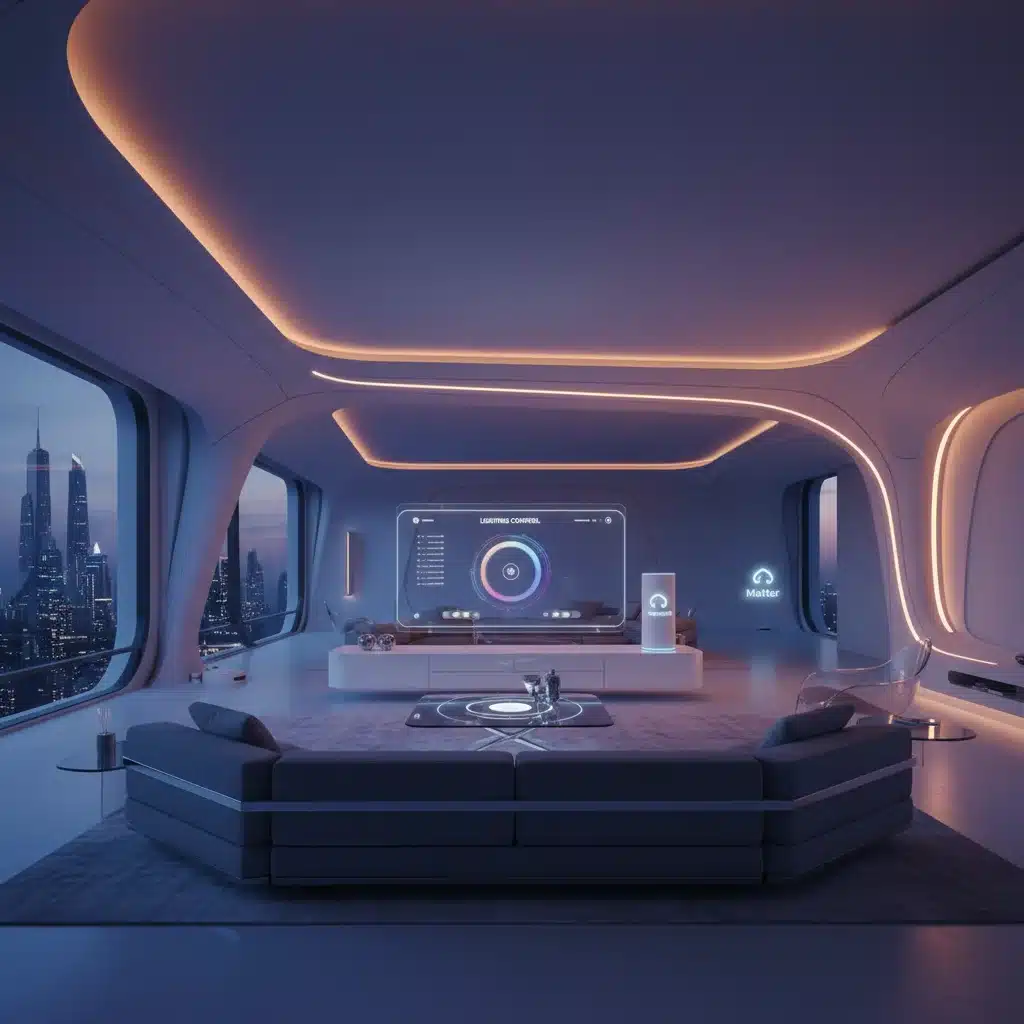
The landscape of home automation is constantly evolving, with new technologies promising to make our lives easier, more efficient, and more interconnected. Among the myriad innovations, smart lighting has carved out a significant niche, transforming how we interact with our living spaces. But as we look towards 2026, a truly revolutionary shift is on the horizon: the widespread integration of the Matter Protocol into smart lighting systems. This isn’t just another incremental upgrade; it’s a foundational change that promises to redefine seamless home automation.
The Dawn of a Unified Smart Home: Understanding the Matter Protocol
For years, the smart home market has been a fragmented ecosystem. Different brands, different protocols (Wi-Fi, Bluetooth, Zigbee, Z-Wave), and often, different apps were required to control various devices. This complexity has been a significant barrier to mainstream adoption, leading to frustration and compatibility headaches for consumers. Enter the Matter Protocol.
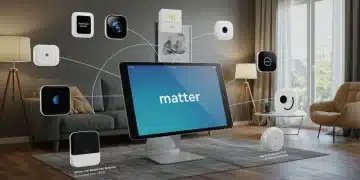
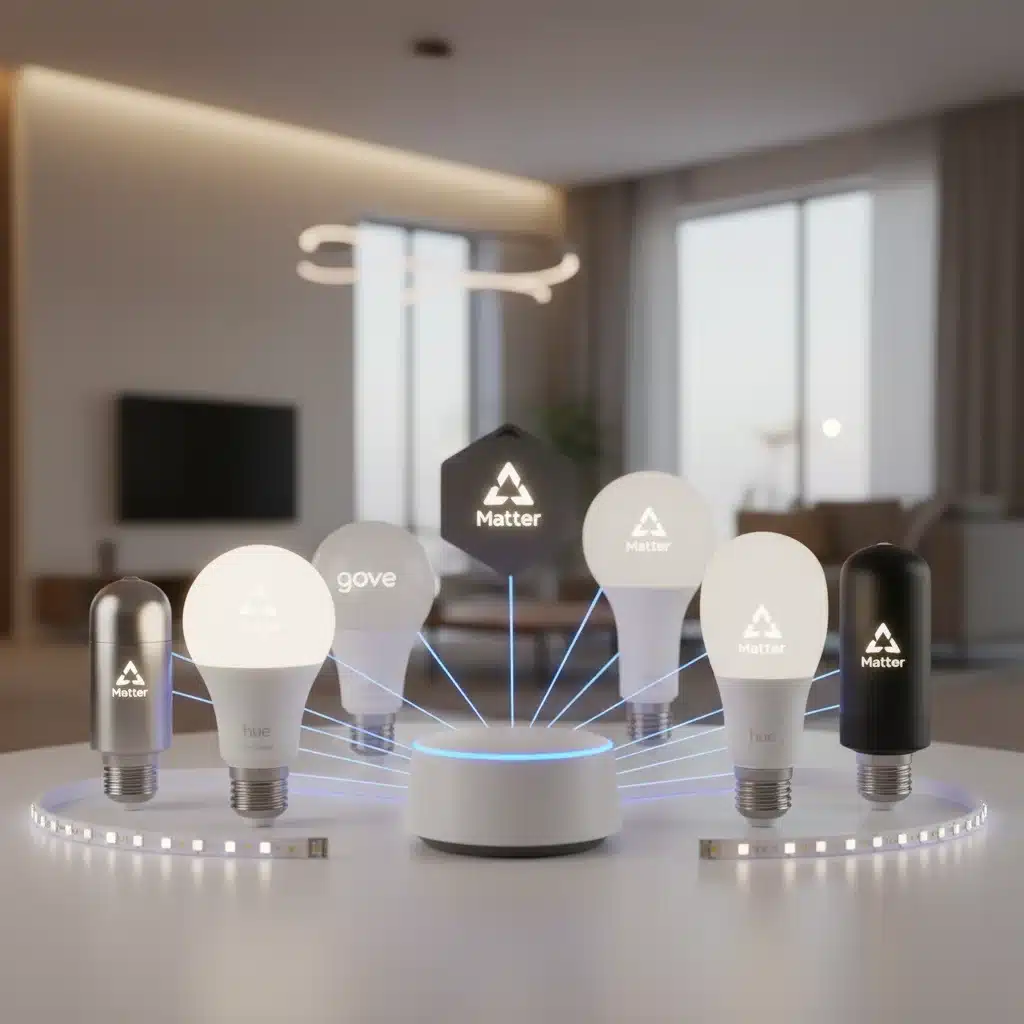
Matter, developed by the Connectivity Standards Alliance (CSA) – an organization supported by tech giants like Apple, Google, Amazon, and Samsung – is an open-source connectivity standard designed to simplify smart home device interoperability. Its core promise is simple: any Matter-certified device will work seamlessly with any other Matter-certified device, regardless of brand or ecosystem. This means your Philips Hue bulbs could communicate directly with your Google Nest Hub, and your Apple HomeKit system could easily integrate with your Amazon Echo-controlled smart plugs, all without complex bridges or multiple apps.
The implications for Smart Lighting Matter Protocol integration are profound. Imagine a world where setting up a new smart bulb is as straightforward as screwing it in and scanning a QR code. A world where your smart lights can react not just to your voice commands, but also to motion sensors from a different manufacturer, or even to the status of your smart thermostat. This is the promise of Matter, and 2026 is poised to be the year it truly shines in the smart lighting domain.
Why Matter is a Game-Changer for Smart Lighting
The benefits of Matter for smart lighting are multifaceted, addressing long-standing pain points for both consumers and manufacturers:
- Enhanced Interoperability: This is Matter’s flagship feature. No more worrying if your new smart bulb will work with your existing smart home hub. If it’s Matter-certified, it will. This dramatically expands consumer choice and reduces vendor lock-in.
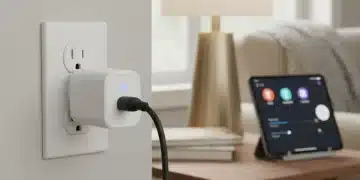
- Simplified Setup: The pairing process for smart devices has often been cumbersome. Matter aims to streamline this with a consistent, user-friendly experience, often involving a simple QR code scan.
- Local Control and Reliability: Many smart devices rely heavily on cloud services, which can introduce latency and dependency on internet connectivity. Matter emphasizes local device communication, meaning your lights can respond faster and remain functional even if your internet goes down.
- Improved Security: Matter is built with security in mind, incorporating robust encryption and authentication mechanisms to protect your smart home network from unauthorized access.
- Future-Proofing: As an open standard, Matter is designed to evolve. This means that Matter-certified smart lighting devices purchased today are more likely to remain compatible with future smart home innovations.
These advantages collectively pave the way for a truly integrated and intuitive smart home experience, with smart lighting at its forefront. The era of fragmented control is slowly but surely fading, making way for a unified and intelligent lighting ecosystem.
The Current State of Smart Lighting: A Pre-Matter Landscape
Before diving deeper into the 2026 vision, it’s crucial to understand where smart lighting stands today. The market is vibrant, with a plethora of options ranging from basic smart bulbs that can be controlled via an app to sophisticated systems offering dynamic scenes, color changing capabilities, and integration with voice assistants. Brands like Philips Hue, Nanoleaf, Govee, LIFX, and many others have pushed the boundaries of what’s possible with light.
However, the underlying communication protocols have often dictated compatibility. Philips Hue, for instance, primarily uses Zigbee, requiring a Hue Bridge. Other brands might rely on Wi-Fi, Bluetooth, or proprietary systems. This has led to:
- Bridge Overload: Many homes end up with multiple bridges or hubs, each managing a different set of devices, adding clutter and complexity.
- App Fatigue: Users often need several apps to control their various smart devices, leading to a disjointed user experience.
- Limited Cross-Brand Automation: While some integrations exist (e.g., through IFTTT or major ecosystems like Alexa or Google Home), native, direct communication between devices from different brands has been rare and often clunky.
Despite these challenges, the appeal of smart lighting remains strong. The ability to control lights remotely, set schedules, create ambiances, and even use them for security purposes has captivated consumers. The introduction of the Smart Lighting Matter Protocol is set to resolve many of these existing frustrations, propelling smart lighting into a new era of accessibility and functionality.
Key Smart Lighting Features Enhanced by Matter
Matter won’t just make existing smart lighting work together; it will enhance the core features that consumers love:
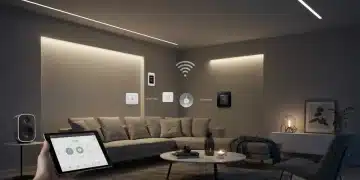
- Dynamic Scenes and Routines: Imagine a ‘Movie Night’ scene that dims your living room lights, turns on your TV, and adjusts your smart blinds, all triggered by a single command, with devices from different manufacturers collaborating seamlessly.
- Adaptive Lighting: Lights that automatically adjust color temperature and brightness throughout the day to mimic natural light cycles, supporting circadian rhythms, will become more sophisticated and widely available with Matter’s unified control.
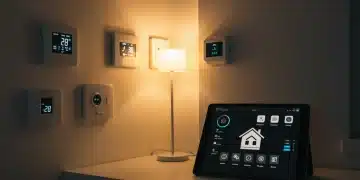
- Energy Efficiency: With better integration, smart lighting systems can more effectively coordinate with occupancy sensors and smart thermostats to optimize energy consumption, turning off lights in empty rooms or dimming them when natural light is abundant.
- Accessibility: Matter’s focus on ease of use will make smart lighting more accessible to a broader audience, including those who may have found current setups too complex.
These advancements are not just about convenience; they’re about creating a truly intelligent and responsive home environment where lighting plays a central, integrated role.
The Road to 2026: Matter Protocol Adoption and Evolution
While Matter officially launched in late 2022, its full impact will be felt gradually. 2023 and 2024 saw the initial wave of Matter-certified devices, primarily smart plugs, bulbs, and switches. However, 2026 is projected to be a pivotal year for the widespread adoption and maturity of the Smart Lighting Matter Protocol ecosystem.
Several factors will contribute to this accelerated adoption:
- Increased Device Availability: More manufacturers will release Matter-certified smart lighting products, including specialized fixtures, outdoor lighting, and architectural lighting solutions.
- Firmware Updates for Existing Devices: Many existing smart devices, particularly those with sufficient processing power and memory, will receive firmware updates to become Matter-compatible, expanding the ecosystem without requiring new hardware purchases.
- Maturity of the Standard: As the standard evolves, more device types and features will be incorporated, making Matter an even more comprehensive solution for smart homes.
- Developer Support: A growing community of developers will create innovative applications and integrations leveraging Matter, further enhancing the functionality of smart lighting.
Challenges and Considerations for Matter Integration
Despite its immense promise, the path to universal Smart Lighting Matter Protocol integration isn’t without its challenges:
- Legacy Device Compatibility: While some existing devices can be updated, many older smart lighting products may never receive Matter support, creating a divide between old and new. Consumers might need to gradually replace older hardware.
- User Education: The concept of a unified standard needs to be effectively communicated to consumers. Understanding what Matter is and how it benefits them will be crucial for widespread acceptance.
- Security Implementation: While Matter is designed with security, the actual implementation by manufacturers will be vital. Vigilance against vulnerabilities will be an ongoing need.
- Fragmentation within Matter: While Matter aims for unification, there’s a possibility of different interpretations or optional features leading to minor compatibility nuances. The CSA will need to maintain strict certification processes.
- Transition Period: The transition from proprietary systems to Matter will take time, and consumers might experience a period of mixed ecosystems before Matter becomes truly ubiquitous.
Addressing these challenges effectively will be key to Matter’s success in solidifying its position as the de facto standard for smart home communication, particularly for smart lighting.
The Impact on Smart Lighting Manufacturers and Consumers
The advent of the Smart Lighting Matter Protocol represents a significant shift for both the companies that produce smart lighting and the people who use it.
For Manufacturers:
- Reduced Development Costs: Instead of developing for multiple proprietary protocols, manufacturers can focus on a single, open standard, potentially speeding up product development and reducing costs.
- Wider Market Reach: Matter-certified products will instantly be compatible with a broader range of smart home ecosystems, opening up new sales channels and customer bases.
- Focus on Innovation: With interoperability largely solved, manufacturers can shift their focus to innovating in areas like light quality, energy efficiency, unique form factors, and advanced features, rather than battling compatibility issues.
- Increased Competition: The lower barrier to entry might also lead to increased competition, which can be a double-edged sword, but ultimately benefits consumers.
For Consumers:
- Simplified Purchasing Decisions: The ‘Works with Matter’ badge will become a clear indicator of universal compatibility, making it easier to choose new smart lighting products.
- Enhanced User Experience: A unified control experience across all devices will lead to more intuitive and enjoyable smart home interactions.
- Greater Flexibility: Consumers will have the freedom to mix and match devices from different brands, building a smart home that truly meets their specific needs and preferences.
- Longer Product Lifespans: Improved future-proofing means smart lighting investments are likely to remain relevant and functional for longer periods.
This symbiotic relationship, where manufacturers benefit from streamlined development and consumers enjoy unparalleled convenience, is what makes Smart Lighting Matter Protocol such a transformative force for 2026 and beyond.
Practical Applications of Matter-Enabled Smart Lighting in 2026
Let’s paint a picture of what a Matter-enabled smart lighting setup might look like in a typical home in 2026:
- Seamless Morning Routine: As your smart alarm gently wakes you, your bedroom lights slowly brighten using Matter-certified bulbs from Brand A. Simultaneously, your Matter-enabled smart blinds from Brand B slowly open, and your kitchen lights from Brand C illuminate to a warm glow, all orchestrated by your central smart home hub.
- Personalized Ambiance: Hosting a dinner party? With a single voice command to your smart assistant (Google, Alexa, Siri, or even a local Matter controller), your dining room lights adjust to a soft, inviting hue, while accent lights from a different manufacturer highlight artwork, creating a perfect atmosphere.
- Enhanced Security and Safety: Integrated motion sensors from Brand X, upon detecting unusual activity outside your home, could trigger your Matter-certified outdoor lights from Brand Y to flash brightly, simultaneously sending an alert to your phone and activating an indoor siren.
- Energy Optimization: Your smart lighting system, connected to Matter-enabled occupancy sensors and smart thermostats, learns your patterns. Lights in unoccupied rooms automatically dim or turn off. During peak energy hours, the system might subtly reduce brightness to save electricity, without you even noticing.
- Health and Wellness Integration: Your smart lighting could dynamically adjust its color temperature throughout the day to support your circadian rhythm, promoting better sleep at night and alertness during the day, all harmonized with your smart bed and wearable devices.
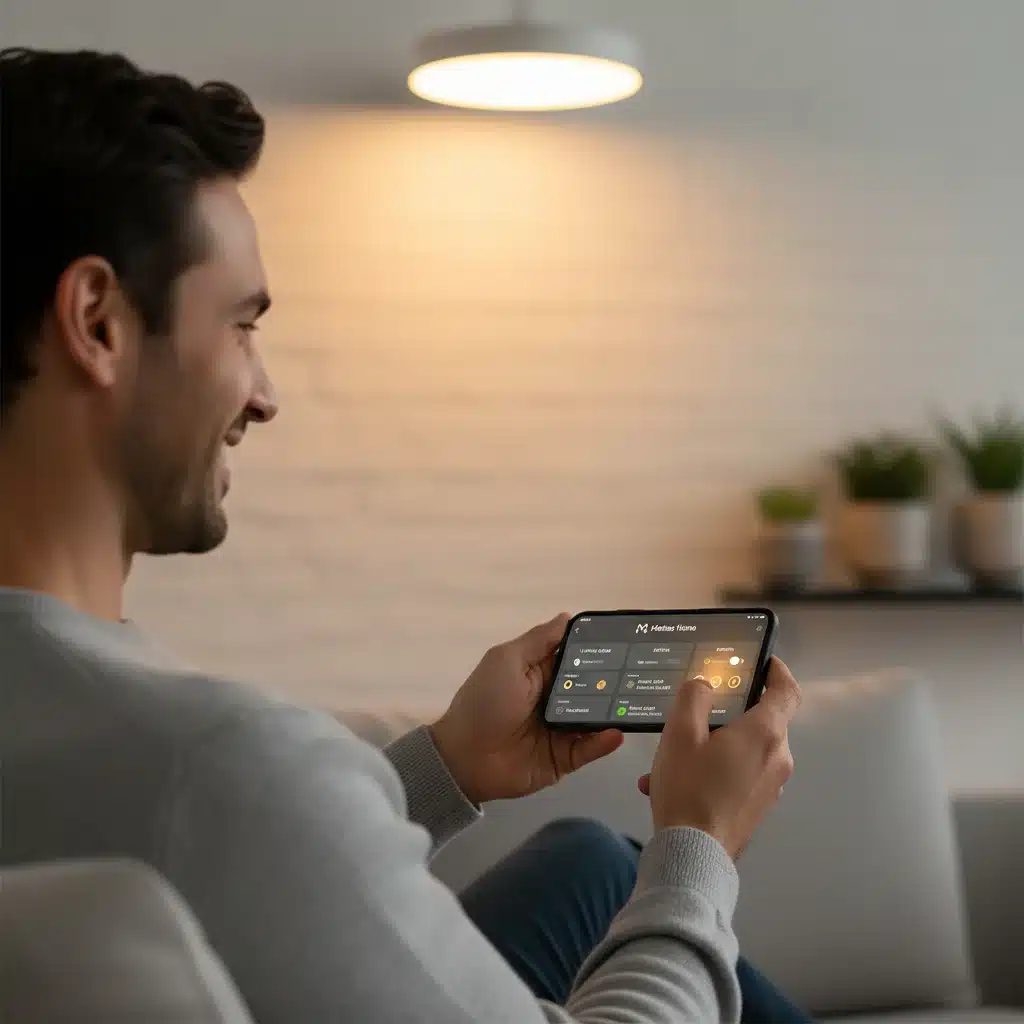
These scenarios, once complex to achieve with multiple apps and bridges, become effortless and intuitive with the unifying power of the Smart Lighting Matter Protocol. The focus shifts from managing individual devices to orchestrating a truly intelligent and responsive home environment.
Beyond 2026: The Future Evolution of Smart Lighting and Matter
While 2026 promises to be a landmark year for Matter and smart lighting, the evolution won’t stop there. The open-source nature of Matter means continuous development and expansion of its capabilities.
Looking further into the future, we can anticipate:
- Deeper AI Integration: Smart lighting systems will become even more predictive and proactive, anticipating your needs based on learned behaviors, biometric data from wearables, and external factors like weather forecasts.
- Ubiquitous Sensing: Lights themselves might incorporate more advanced sensors (air quality, sound, presence detection) to gather more data about the environment and react intelligently.
- Augmented Reality Lighting: Imagine using AR to project virtual light effects onto physical surfaces, dynamically changing the appearance of your home without physical alterations.
- Self-Healing Networks: Matter networks could become more resilient, automatically detecting and reconfiguring themselves to maintain optimal performance even if a device goes offline.
- Seamless Commercial Applications: The benefits of Matter will extend beyond residential homes to commercial spaces, simplifying lighting management in offices, retail, and hospitality sectors.
The foundation laid by the Smart Lighting Matter Protocol in 2026 will serve as a springboard for these exciting future innovations, making our interactions with light more intuitive, personalized, and intelligent than ever before.
Getting Ready for the Matter Revolution in Smart Lighting
For consumers eager to embrace the future of smart lighting, here are some recommendations:
- Look for the Matter Logo: When purchasing new smart lighting devices, prioritize products that explicitly state ‘Works with Matter’ or display the Matter logo.
- Consider a Matter Controller: While some existing hubs might be updated, investing in a dedicated Matter controller (like a newer smart display from Google or Amazon, or an Apple HomePod Mini) will ensure the best experience.
- Update Your Existing Devices: Check with your current smart lighting manufacturers to see if firmware updates are available or planned to make your devices Matter-compatible.
- Stay Informed: Follow tech news and smart home blogs to keep up with the latest developments in Matter and new product releases.
The journey towards a truly seamless smart home is nearing its destination, and Smart Lighting Matter Protocol is undoubtedly one of the most significant milestones on that path. By 2026, the frustrations of incompatible devices and fragmented control will largely be a thing of the past, ushering in an era of intuitive, intelligent, and interconnected lighting that truly enhances our daily lives.
The future of smart lighting is bright, and with Matter, it’s finally getting the unified foundation it deserves.