
Automating HVAC systems with smart thermostat integration can significantly reduce energy bills, with projections indicating a 15% decrease by March 2025, offering substantial financial benefits and practical climate control solutions for homeowners.
Are you looking for a tangible way to reduce your household expenses while increasing comfort? The promise of Automating HVAC energy systems, specifically through smart thermostat integration, offers a compelling solution to significantly cut down on energy bills. This article delves into how this technological advancement can lead to a projected 15% reduction in energy costs by March 2025, providing both financial relief and practical benefits for your home.
Understanding the HVAC Energy Challenge
Heating, Ventilation, and Air Conditioning (HVAC) systems are often the largest consumers of energy in American homes. They work tirelessly to maintain comfortable indoor temperatures, but this convenience comes at a significant cost. Understanding where this energy goes is the first step toward effective management and reduction.
Traditional HVAC systems operate on rigid schedules or manual adjustments, leading to inefficiencies. They often heat or cool empty rooms, or maintain temperatures that are unnecessarily low or high, simply because they lack the intelligence to adapt to real-time needs. This constant, often wasteful, operation contributes substantially to monthly utility bills.
The energy challenge is not just about consumption; it’s also about optimizing the system’s performance. Factors like insulation, window quality, and even the age of the HVAC unit play a role. However, even with a well-maintained system in an insulated home, inefficient control can negate many potential savings. This is where smart technology steps in, offering a dynamic and responsive solution to a long-standing problem.
In essence, the core issue lies in the static nature of conventional climate control. Homes are dynamic environments, with varying occupancy patterns and external weather conditions. A system that cannot respond intelligently to these changes is inherently inefficient, creating a clear opportunity for modern automation to make a substantial difference in both comfort and cost.
The Rise of Smart Thermostats and Their Capabilities
Smart thermostats represent a significant leap forward in home climate control, moving beyond basic programming to offer advanced, adaptive management of your HVAC system. These devices are designed to learn your habits, understand your preferences, and respond to environmental changes, all with the goal of optimizing energy use.
One of the primary capabilities of smart thermostats is their ability to learn. Over time, they observe when you’re home, when you’re away, and what temperatures you prefer at different times of the day. This learning process allows them to create an optimized schedule that minimizes energy consumption without sacrificing comfort. They can also integrate with other smart home devices, creating a cohesive ecosystem that enhances overall efficiency.
Key Features of Smart Thermostats
- Learning Algorithms: Adapts to user preferences and schedules automatically.
- Geofencing: Adjusts temperature based on your proximity to home, ensuring comfort upon arrival.
- Remote Control: Manage your HVAC from anywhere via a smartphone app.
- Energy Reporting: Provides detailed insights into energy consumption, helping identify areas for improvement.
Beyond learning and remote control, many smart thermostats offer additional functionalities such as occupancy sensors, which detect if a room is empty and adjust the climate accordingly. Some can even integrate with local weather forecasts, pre-heating or pre-cooling your home based on anticipated temperature changes, further enhancing efficiency and comfort. This holistic approach to climate management sets them apart from their traditional counterparts.
The continuous evolution of smart thermostat technology means these devices are becoming even more sophisticated and user-friendly. Their ability to connect with other smart home devices creates a truly integrated ecosystem that can respond to a wide array of environmental and personal factors, leading to unprecedented levels of control and energy savings. This integration is crucial for maximizing their potential.
Integrating Smart Thermostats into Your Home Automation System
Seamless integration of smart thermostats into a broader home automation system is where their true power is unlocked. This isn’t just about controlling your thermostat from an app; it’s about creating an intelligent network where devices communicate and cooperate to enhance efficiency and convenience. When your smart thermostat works in harmony with other smart devices, the benefits multiply.
Consider a scenario where your smart thermostat communicates with your smart lighting system. As you leave the house, detected by your geofencing-enabled thermostat, your lights can automatically turn off, and the thermostat can adjust to an energy-saving mode. Conversely, as you approach home, lights can turn on, and the HVAC system can begin to reach your preferred temperature, all without manual intervention.
Benefits of Integrated Smart Home Systems
- Centralized Control: Manage all smart devices from a single interface.
- Automated Routines: Create custom scenarios that trigger multiple devices based on events or schedules.
- Enhanced Security: Integrate with smart locks and security cameras for a comprehensive home management system.
- Optimized Energy Use: Devices work together to minimize energy waste across the entire home.
The process of integration typically involves a central hub or a unified app that serves as the command center for your smart home. Major smart thermostat brands are often compatible with popular home automation platforms like Apple HomeKit, Google Home, and Amazon Alexa. This compatibility allows for voice control and the creation of complex routines that can significantly simplify daily life and improve energy efficiency.
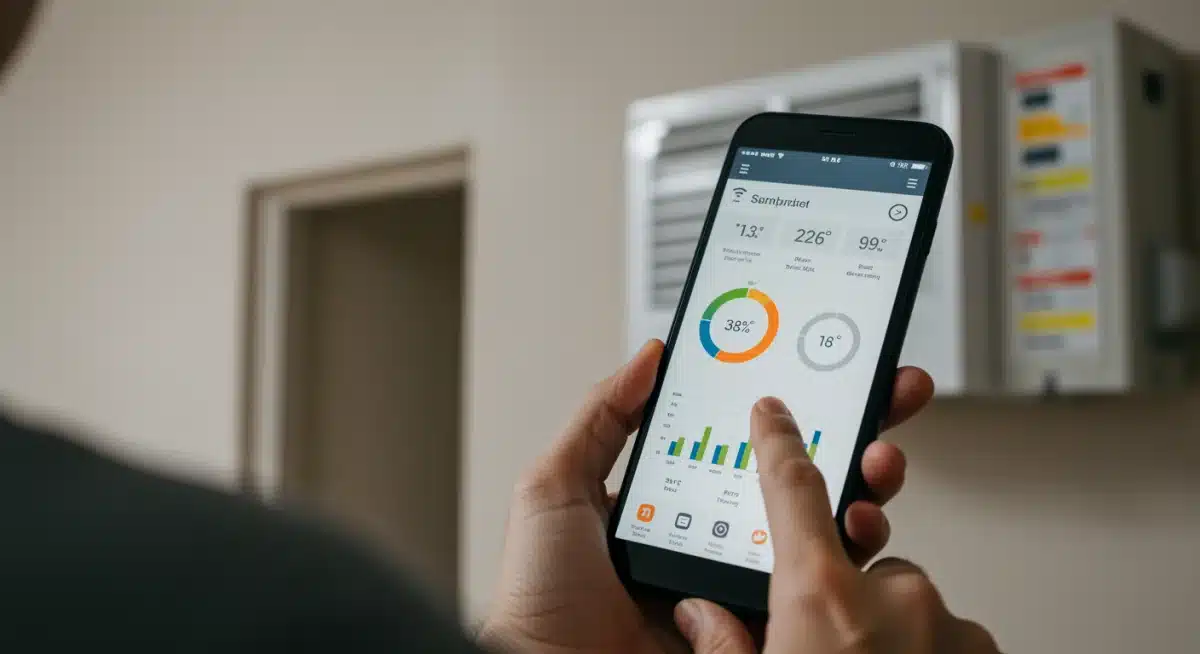
Successful integration requires a bit of planning, ensuring compatibility between devices and understanding how to set up automated routines. However, the initial effort is well worth the long-term gains in comfort, convenience, and energy savings. A truly smart home is one where all its components work together intelligently, and the smart thermostat is a cornerstone of this interconnected ecosystem.
Quantifying the Financial Impact: 15% Energy Bill Reduction
The promise of a 15% reduction in energy bills by March 2025 is not an arbitrary figure; it’s a realistic projection based on the proven capabilities of smart thermostat technology. This reduction translates directly into tangible financial savings for homeowners, making the initial investment in smart HVAC automation highly attractive. Understanding how these savings accrue can further motivate the transition to smarter climate control.
The savings are primarily driven by the elimination of energy waste. Smart thermostats prevent heating or cooling empty homes, optimize temperatures based on occupancy, and adapt to external conditions. This proactive management ensures your HVAC system only works when and where it’s truly needed. For many households, HVAC accounts for 40-60% of their energy consumption, meaning a 15% reduction in this area can lead to significant overall savings.
Factors Contributing to Savings
- Reduced Runtime: HVAC system operates less frequently due to optimized scheduling.
- Precise Temperature Control: Avoids over-heating or over-cooling, maintaining ideal comfort efficiently.
- Behavioral Changes: Energy reports and insights encourage more conscious energy use.
- Demand Response Programs: Participation in utility programs can offer additional rebates and savings.
Consider an average American household spending $2,000 annually on energy, with half attributed to HVAC. A 15% reduction on that $1,000 would save $150 per year. Over several years, these savings quickly add up, often recouping the cost of the smart thermostat within the first year or two. This financial return on investment is a major driver for widespread adoption.
Moreover, the continuous improvement in smart thermostat algorithms and their integration with utility demand response programs means that future savings could be even greater. These programs allow utilities to make minor, temporary adjustments to your thermostat settings during peak demand periods, often in exchange for financial incentives or bill credits. This not only saves you money but also contributes to grid stability and overall energy conservation.
Practical Solutions for Implementation
Implementing smart thermostat integration to achieve energy savings is a straightforward process, accessible to most homeowners. It doesn’t require extensive technical knowledge or a complete overhaul of your existing HVAC system. The key is to choose the right device and follow a few simple steps for installation and configuration.
The first step involves selecting a smart thermostat that is compatible with your current HVAC system. Most modern smart thermostats are designed to work with a wide range of systems, but it’s always wise to check compatibility before purchase. Popular brands often provide online compatibility checkers, simplifying this initial assessment. Installation can often be a DIY project, with clear instructions provided by manufacturers, or you can opt for professional installation.
Steps for Successful Implementation
- Research and Select: Choose a smart thermostat compatible with your HVAC system and smart home ecosystem.
- Installation: Follow manufacturer instructions for self-installation or hire a certified technician.
- Configuration: Connect the thermostat to your home Wi-Fi and set up initial preferences and schedules.
- Optimization: Allow the thermostat to learn your habits and utilize its advanced features for maximum savings.
Once installed, the real work begins with configuration and optimization. Connecting the thermostat to your home Wi-Fi network is crucial for remote access and smart features. Setting up initial schedules and preferences will give the device a baseline from which to learn. Over the first few weeks, the smart thermostat will adapt to your routine, refining its operation to maximize both comfort and energy efficiency.
Beyond the thermostat itself, consider conducting a home energy audit to identify other areas where energy might be escaping. Simple solutions like sealing drafts, improving insulation, or upgrading to energy-efficient windows can complement your smart thermostat’s efforts, leading to even greater savings. A holistic approach to energy management will yield the best results.
Overcoming Challenges and Maximizing Savings
While the benefits of automating HVAC with smart thermostats are clear, some challenges might arise during implementation or optimization. Addressing these proactively can ensure you maximize your energy savings and fully leverage the technology. Understanding common hurdles and their solutions is key to a smooth transition to smart climate control.
One common challenge is ensuring proper installation and compatibility. An incorrectly wired thermostat can lead to malfunctions or inefficient operation. If you’re unsure about the installation process, professional help is always recommended. Another hurdle can be the learning curve associated with a new smart device, as some users might find advanced features overwhelming initially.
However, manufacturers typically provide extensive support, including detailed manuals, online tutorials, and customer service. Taking the time to understand your smart thermostat’s capabilities will pay dividends in terms of comfort and savings. Regularly reviewing energy reports and making minor adjustments can further fine-tune its performance.
Tips for Maximizing Savings
- Regular Maintenance: Ensure your HVAC system is well-maintained for optimal performance.
- Strategic Placement: Install your thermostat away from direct sunlight or drafts for accurate readings.
- Leverage All Features: Utilize geofencing, occupancy sensors, and energy reports to their full potential.
- Participate in Utility Programs: Enroll in demand response programs offered by your local utility company.
Another often overlooked aspect is the role of user behavior. While smart thermostats are designed to automate, conscious habits can amplify savings. For instance, setting a comfortable yet slightly warmer temperature in summer or cooler in winter can make a noticeable difference. Additionally, understanding your energy usage patterns through the thermostat’s reporting features can empower you to make more informed decisions about your home’s climate.
By proactively addressing these potential challenges and actively engaging with your smart thermostat’s features, you can ensure that your investment not only provides optimal comfort but also consistently delivers on the promise of significant energy bill reductions. This proactive approach transforms a smart device into a powerful tool for ongoing savings.
| Key Point | Brief Description |
|---|---|
| HVAC Energy Challenge | Traditional HVAC systems are major energy consumers due to inefficient, static operation. |
| Smart Thermostat Capabilities | Learns habits, offers remote control, geofencing, and energy reporting for optimized use. |
| Integration & Savings | Seamlessly integrates with smart home systems, projected 15% energy bill reduction by March 2025. |
| Practical Implementation | Easy installation and configuration, with continuous optimization and utility program benefits. |
Frequently Asked Questions About Smart HVAC Automation
Many users report noticeable savings within the first month of installation. The full 15% reduction can take a few months as the thermostat learns your habits and optimizes its schedule. Consistent use of features like geofencing and energy reports accelerates this process significantly.
While many smart thermostats are designed for DIY installation with clear instructions, professional installation is recommended if you are uncomfortable with electrical wiring or if your HVAC system is complex. This ensures proper functionality and avoids potential damage.
Most smart thermostats are compatible with a wide range of HVAC systems, including many older models. However, it’s crucial to check the specific compatibility requirements of your chosen smart thermostat with your existing system before making a purchase to ensure seamless integration.
Geofencing uses your smartphone’s location to detect when you leave or approach home. It automatically adjusts your thermostat to an energy-saving mode when you’re away and pre-heats or pre-cools before you arrive, preventing energy waste in empty spaces and ensuring comfort.
Smart thermostats collect data on your home’s temperature preferences and occupancy patterns to optimize performance. Reputable brands prioritize user privacy, often encrypting data and allowing users to control data sharing settings. Reviewing the privacy policy of your chosen device is always a good practice.
Conclusion
The journey towards a more energy-efficient home is increasingly paved with smart technology. By embracing Automating HVAC energy through smart thermostat integration, homeowners are not just adopting a new gadget; they are investing in a future of reduced utility bills, enhanced comfort, and a smaller carbon footprint. The projected 15% reduction in energy costs by March 2025 is a testament to the tangible benefits these systems offer, making them an indispensable component of the modern smart home. As technology continues to evolve, these practical solutions will only become more sophisticated, offering even greater control and savings for every household.