Optimize HVAC 2025: Reduce Cooling Costs 10% This Summer
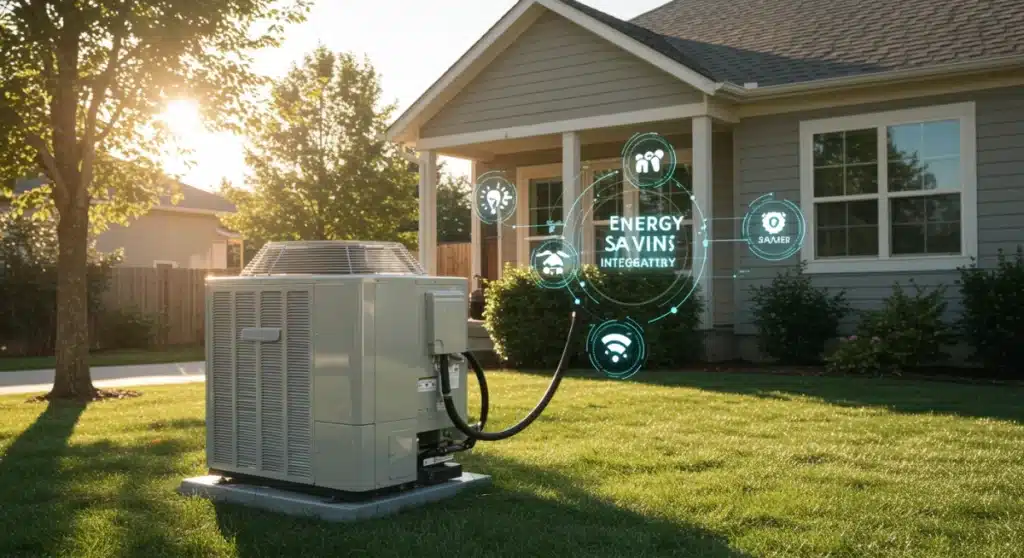
To effectively reduce cooling costs by at least 10% this summer, homeowners must implement a comprehensive strategy for optimizing HVAC in 2025, combining regular maintenance, smart technology, and thoughtful operational adjustments.
As summer approaches, the thought of soaring electricity bills often accompanies the rising temperatures. Many homeowners are seeking effective ways to keep their homes cool without breaking the bank. This year, focusing on optimizing HVAC in 2025 offers a clear path to significant savings. By adopting a proactive approach to your home’s cooling system, you can expect to reduce your energy consumption and enjoy a more comfortable living environment.
Understanding Your HVAC System’s Efficiency
Before diving into specific strategies, it’s crucial to understand how your HVAC system operates and what factors influence its efficiency. Your air conditioning unit works by removing heat and humidity from your indoor air, a process that requires a considerable amount of energy. Various components, from the compressor to the ductwork, must work in harmony for optimal performance.
The age and type of your HVAC system play a significant role in its inherent efficiency. Older units, especially those more than 10-15 years old, are typically less efficient than newer models, even when well-maintained. Understanding your system’s SEER (Seasonal Energy Efficiency Ratio) rating can provide a baseline for its potential performance.
The Importance of Regular Maintenance
Regular maintenance is the cornerstone of HVAC efficiency. Neglecting routine check-ups can lead to a gradual decline in performance, increased energy consumption, and ultimately, higher cooling costs. A professional tune-up ensures all components are working correctly and identifies potential issues before they become major problems.
- Filter Replacement: Dirty air filters restrict airflow, making your system work harder. Replace them monthly, or every three months at minimum, especially during peak usage seasons.
- Coil Cleaning: Evaporator and condenser coils collect dirt over time, reducing their ability to absorb and release heat. Professional cleaning is essential for maintaining efficient heat transfer.
- Refrigerant Levels: Incorrect refrigerant levels can severely impact efficiency. A technician can check and adjust these levels, ensuring your system cools effectively.
By regularly maintaining your HVAC system, you not only preserve its efficiency but also extend its lifespan, saving you money on repairs and premature replacement. Consistent care is a non-negotiable step in achieving your goal of reduced cooling costs.
Smart Thermostats: The Brains of Energy Savings
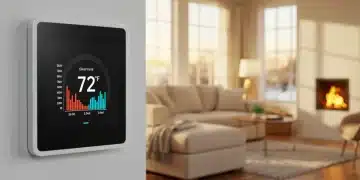
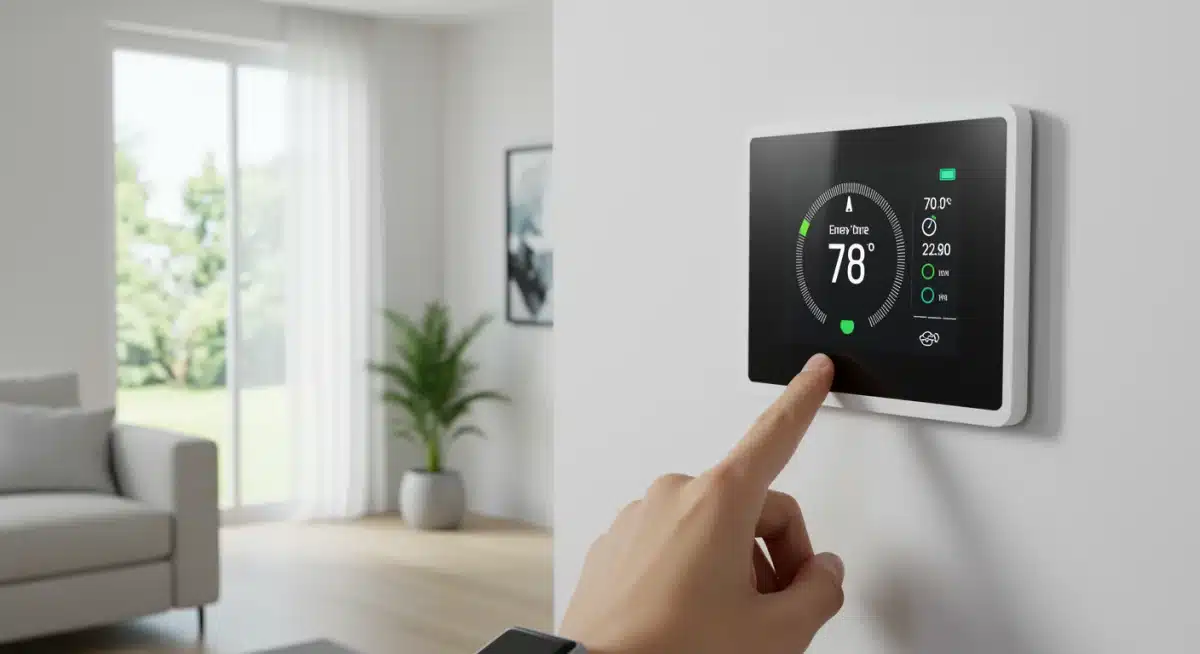
Integrating a smart thermostat into your home is one of the most impactful steps you can take toward optimizing HVAC in 2025. These devices offer far more than simple temperature control; they learn your preferences, adapt to your schedule, and can be managed remotely, providing unparalleled control over your home’s climate.
Smart thermostats leverage advanced algorithms and sensors to optimize your home’s temperature settings. They can detect when you’re away and automatically adjust the temperature to save energy, then return to a comfortable setting before you arrive back home. This intelligent automation eliminates the need for manual adjustments and prevents energy waste.
Programming for Peak Efficiency
While smart thermostats are intelligent, their full potential is unlocked through thoughtful programming. Setting schedules that align with your daily routine ensures that you’re not cooling an empty house. Consider slightly higher temperatures when you’re out and lower ones only when you’re home and active.
- Away Mode: Utilize the ‘away’ feature or manually set a higher temperature when no one is home. Even a few degrees difference can lead to significant savings.
- Sleep Schedule: Program a comfortable sleeping temperature, but consider letting it rise slightly in the early morning hours before you wake up.
- Geofencing: Many smart thermostats offer geofencing, automatically adjusting the temperature based on your proximity to home, ensuring comfort without waste.
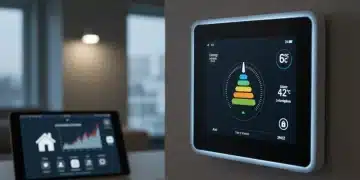
The initial investment in a smart thermostat is quickly recouped through consistent energy savings. These devices provide detailed energy reports, allowing you to track your consumption and make further adjustments to maximize your efficiency efforts. This data-driven approach is key to understanding and reducing your cooling costs.
Sealing and Insulating Your Home
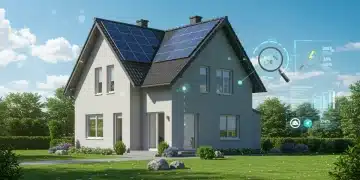
An efficient HVAC system is only as good as the envelope it’s cooling. Air leaks and inadequate insulation can undermine even the most advanced cooling technology, allowing conditioned air to escape and outside heat to infiltrate your home. Addressing these issues is a fundamental step in optimizing HVAC in 2025 and ensuring your system isn’t working harder than it needs to.
Drafts around windows and doors, gaps in ductwork, and insufficient attic insulation are common culprits for energy loss. Identifying and remedying these weak points can dramatically reduce the load on your HVAC system, leading to noticeable savings on your utility bills. This is often one of the most cost-effective improvements you can make.
Identifying Air Leaks
Performing a home energy audit, either professionally or as a DIY project, can pinpoint areas where air is escaping. Simple tests, like holding a lit incense stick near windows and doors, can reveal drafts. More comprehensive audits use specialized equipment to identify hidden leaks.
- Windows and Doors: Seal gaps with caulk and weatherstripping. Ensure windows are properly latched.
- Ductwork: Inspect your ductwork for leaks, especially in attics, crawlspaces, and basements. Seal any gaps with mastic sealant or metal-backed tape, not duct tape.
- Electrical Outlets and Light Fixtures: Use foam gaskets behind outlet and switch plates on exterior walls to prevent air infiltration.
Once air leaks are sealed, focus on insulation. Proper insulation in your attic, walls, and floors acts as a barrier against heat transfer, keeping your home cooler in summer and warmer in winter. Upgrading insulation can provide a significant return on investment through reduced energy costs year-round.
Strategic Use of Window Treatments and Landscaping
Beyond the HVAC system itself, external factors like sunlight and landscaping play a crucial role in your home’s cooling load. Managing solar heat gain through windows and utilizing natural shading can significantly reduce the need for your air conditioner to run constantly, contributing to effective optimizing HVAC in 2025 efforts.
Windows, particularly those facing east or west, can allow a substantial amount of heat into your home, forcing your HVAC system to work overtime. Strategic placement of internal and external window treatments, along with thoughtful landscaping, can create a natural defense against this heat gain, keeping your interiors cooler.
Controlling Solar Heat Gain
Window treatments are a simple yet effective way to block unwanted sunlight and heat. Different types offer varying levels of protection and aesthetic appeal, allowing you to choose options that suit your home’s style and your energy-saving goals.
- Blinds and Curtains: Install blinds or drapes, especially those with reflective backing, on windows that receive direct sunlight. Close them during the hottest parts of the day.
- Window Films: Apply heat-blocking window films to reduce solar heat gain without obstructing your view.
- Awnings: Exterior awnings can significantly reduce the amount of direct sunlight hitting your windows, providing excellent passive cooling.
Landscaping also offers a natural and beautiful way to shade your home. Planting deciduous trees or large shrubs strategically on the south and west sides of your house can provide shade during the summer months, while allowing sunlight to penetrate in winter after their leaves fall. This natural cooling mechanism reduces your reliance on mechanical cooling and enhances curb appeal.
Advanced HVAC Technologies and Upgrades
While maintenance and smart controls are vital, sometimes the most effective way of optimizing HVAC in 2025 involves considering system upgrades or adopting advanced technologies. For homeowners with older, inefficient units, a new installation can offer dramatic improvements in energy efficiency and long-term savings. The rapid pace of innovation in HVAC means that modern systems are more powerful and greener than ever before.
High-efficiency HVAC systems, such as those with higher SEER ratings, variable-speed compressors, or zoning capabilities, can provide superior comfort with significantly lower energy consumption. These systems are designed to adapt to your home’s specific needs, delivering precise cooling without waste.
Exploring High-Efficiency Options
When considering an upgrade, it’s important to evaluate the various advanced technologies available. These options not only save energy but also often come with features that enhance indoor air quality and overall home comfort.
- Variable-Speed HVAC: Unlike traditional systems that are either on or off, variable-speed units can operate at different capacities, precisely matching the cooling demand and saving energy.
- Zoned Systems: If your home has varying temperature needs in different areas, a zoned HVAC system allows you to control temperatures independently in different zones, avoiding overcooling unused rooms.
- Heat Pumps: For many climates, heat pumps offer an energy-efficient solution for both heating and cooling, transferring heat rather than generating it.
While the upfront cost of an advanced HVAC system can be substantial, the long-term savings on energy bills, coupled with potential rebates and incentives, often make it a worthwhile investment. Consulting with a qualified HVAC professional can help you determine the best upgrade path for your specific needs and budget, ensuring you select a system that delivers maximum efficiency and comfort.
Behavioral Adjustments and Daily Habits
Even with the most efficient HVAC system and a well-sealed home, your daily habits can significantly impact your cooling costs. Small, conscious adjustments to how you live in your home can complement your technological and structural improvements, further contributing to optimizing HVAC in 2025 and reducing your energy footprint. These simple changes require minimal effort but yield tangible results.
Thinking about how and when you use energy-generating appliances, or how you ventilate your home, can make a difference. Every degree you raise your thermostat, or every hour you avoid using heat-producing appliances during the hottest part of the day, contributes to lower energy consumption and a more comfortable home environment.
Simple Daily Practices for Savings
Incorporating these easy-to-adopt habits into your routine can help maintain cooler indoor temperatures and reduce the strain on your air conditioning system. Consistency is key to maximizing the impact of these behavioral changes.
- Raise the Thermostat: Even raising your thermostat by a few degrees (e.g., from 72°F to 75°F) can lead to significant energy savings without a major impact on comfort.
- Utilize Fans: Ceiling fans and portable fans can make a room feel several degrees cooler, allowing you to set your thermostat higher. Remember to turn them off when you leave the room.
- Avoid Heat-Generating Activities: Try to use heat-producing appliances like ovens, dishwashers, and clothes dryers during cooler times of the day, such as early morning or late evening.
Ventilating your home strategically can also help. In the evening, if the outside air is cooler than inside, open windows and use fans to flush out warm air, then close them in the morning before temperatures rise. These small, consistent actions collectively contribute to a more energy-efficient home and lower cooling bills throughout the summer.
| Key Strategy | Brief Description |
|---|---|
| Regular HVAC Maintenance | Ensures peak system performance and prevents costly breakdowns through routine checks and cleanings. |
| Smart Thermostat Use | Automates temperature control based on occupancy and schedule, maximizing energy savings. |
| Home Sealing and Insulation | Prevents conditioned air loss and heat infiltration, reducing HVAC workload. |
| Behavioral Adjustments | Simple daily habits like adjusting thermostat or using fans significantly cut energy use. |
Frequently Asked Questions About HVAC Optimization
It is recommended to have your HVAC system professionally serviced at least once a year, ideally in the spring before the cooling season begins. This ensures all components are clean and functioning correctly, preventing breakdowns and maintaining efficiency.
Yes, a smart thermostat can lead to significant savings. By learning your schedule, adapting to your presence, and offering remote control, it can optimize temperature settings to avoid unnecessary cooling, often reducing energy bills by 10-15% or more.
The most effective way to identify air leaks is through a professional home energy audit, which uses specialized equipment like blower doors. For a DIY approach, you can use an incense stick or a thermal camera near windows, doors, and outlets to spot drafts.
Yes, often there are federal, state, and local incentives or rebates available for upgrading to high-efficiency HVAC systems. It’s advisable to check with your local utility company or government energy programs for current offers before making a purchase.
For every degree you raise your thermostat above 72°F during the summer, you can typically save 1-3% on your cooling costs. Even a small adjustment, like setting it to 75°F instead of 72°F, can lead to noticeable savings over the season.
Conclusion
Achieving significant reductions in your cooling costs this summer, specifically by at least 10%, is a realistic and attainable goal through dedicated efforts in optimizing HVAC in 2025. By combining consistent maintenance practices, leveraging the intelligence of smart thermostats, fortifying your home’s envelope against heat, and adopting conscious daily habits, you can create a more energy-efficient and comfortable living space. These steps not only lead to immediate financial savings but also contribute to a more sustainable lifestyle and extend the lifespan of your valuable HVAC equipment. Embrace these strategies, and enjoy a cooler home without the burden of excessive utility bills.