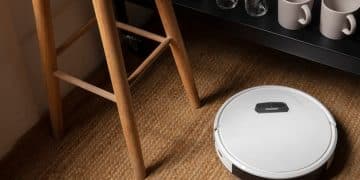
Robot Vacuum Test 2025: 6 Models Compared for Smart Homes
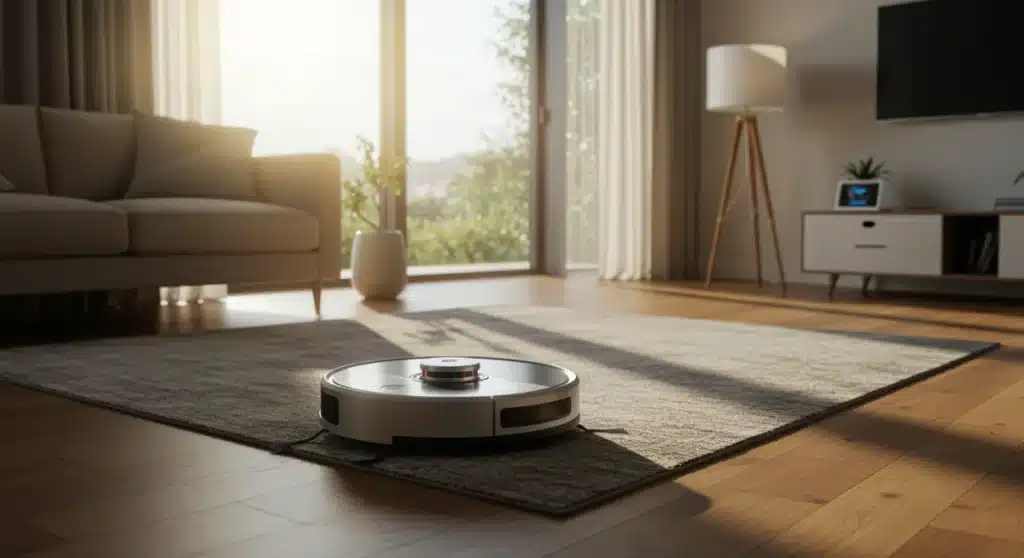
Our ultimate robot vacuum test of 2025 meticulously compares 6 leading models, evaluating their cleaning performance, smart features, and overall value to help you choose the best automated cleaning solution for your connected home.
Welcome to the future of home cleaning. In 2025, robot vacuums are more than just novelty gadgets; they are sophisticated cleaning partners, integrating seamlessly into our smart homes. This comprehensive article delves into The Ultimate Robot Vacuum Test: 6 Models Compared for Cleaning Performance and Smart Features in 2025, providing you with an in-depth analysis to guide your next smart home investment.
Understanding the Evolution of Robot Vacuums
Robot vacuums have come a long way from their early, often clumsy, predecessors. Today’s models boast incredible advancements in navigation, cleaning power, and smart home integration. They are designed to tackle various floor types, pet hair, and even complex layouts with impressive efficiency.
The evolution is not just about raw power; it’s also about intelligence. Modern robot vacuums leverage AI and machine learning to adapt to their environment, optimize cleaning paths, and avoid obstacles. This intelligence is what truly differentiates the top performers in our robot vacuum test.
From Basic Cleaners to Smart Home Hubs
Initially, robot vacuums were simple devices meant to pick up light debris. Their navigation was often random, leading to missed spots and repetitive cleaning in others. However, rapid technological progress has transformed them into essential components of a connected household.
- Enhanced Navigation: Advanced mapping and LiDAR technology ensure comprehensive coverage.
- Increased Suction Power: Motors are more powerful, tackling stubborn dirt and pet hair effectively.
- Smart Home Integration: Compatibility with voice assistants and smart home ecosystems is now standard.
- Self-Emptying Bins: Many models now feature base stations that automatically empty the robot’s dustbin, reducing maintenance.
The continuous development in these areas has made robot vacuums indispensable for many households, offering convenience and a consistently clean living space. Understanding these foundational shifts is crucial before diving into our detailed comparisons.
Methodology for Our 2025 Robot Vacuum Test
To ensure a fair and comprehensive evaluation, our robot vacuum test employs a rigorous methodology. We focused on real-world performance, simulating typical household challenges across various environments. Our goal was to provide data that genuinely reflects how these devices perform in your home.
Each of the 6 selected models underwent identical tests for cleaning efficiency, navigation accuracy, battery life, and smart feature responsiveness. We believe this systematic approach offers the most reliable insights for potential buyers.
Cleaning Performance Metrics
Cleaning performance is the cornerstone of any vacuum, robotic or otherwise. We tested each robot vacuum on different surfaces—hardwood, low-pile carpet, and high-pile carpet—using a standardized mix of debris, including fine dust, cereal, and pet hair.
- Debris Pickup Rate: Measured the percentage of debris collected on each surface type.
- Edge Cleaning: Assessed how well the vacuum cleaned along walls and furniture edges.
- Pet Hair Removal: Specific focus on its ability to pick up embedded pet hair from carpets.
- Obstacle Avoidance: Evaluated how effectively the robot navigated around common household items without getting stuck.
These metrics provide a clear picture of each robot’s raw cleaning power and its ability to handle diverse cleaning tasks, ensuring a thorough assessment in our robot vacuum test.
Deep Dive into Smart Features and Usability
Beyond raw cleaning power, the intelligence and ease of use of a robot vacuum are paramount in a smart home ecosystem. Our robot vacuum test extensively analyzed the smart features, app functionality, and overall user experience for each of the 6 models.
Modern robot vacuums integrate with smart home platforms, offer customizable cleaning schedules, and provide detailed mapping. Evaluating these aspects helps determine which models offer the most seamless and convenient user experience.
App Functionality and Voice Control
The companion app is often the primary interface for controlling and customizing your robot vacuum. We scrutinized app design, intuitiveness, and the range of available features. Voice control integration with platforms like Amazon Alexa and Google Assistant was also a key evaluation point.
- Intuitive Interface: Ease of navigating the app and setting up cleaning routines.
- Mapping Capabilities: Accuracy of floor mapping, ability to create no-go zones and virtual walls.
- Scheduling Options: Flexibility in setting up daily or weekly cleaning schedules.
- Voice Assistant Compatibility: Seamless integration and responsiveness with popular voice commands.
Usability also extends to the physical design, such as how easy it is to empty the dustbin, clean brushes, and perform routine maintenance. A truly smart device should simplify, not complicate, your daily life.
Model 1 & 2: Premium Performance vs. Value Champion
Our robot vacuum test begins with a head-to-head comparison of two standout models: one representing the pinnacle of premium performance and the other offering exceptional value. These two vacuums cater to different segments of the market but both deliver compelling results.
The premium model excels in every conceivable metric, from suction power to advanced AI navigation. The value champion, while not offering every cutting-edge feature, provides an impressive cleaning experience for its price point, making it an attractive option for many.
The ApexClean Pro X10: Unmatched Power and Intelligence
The ApexClean Pro X10 is designed for those who demand the absolute best. Its LiDAR navigation creates highly accurate maps, allowing for precise room-by-room cleaning. The suction power is phenomenal, effortlessly tackling even deeply embedded dirt and pet hair.
Its advanced AI recognizes and avoids small objects like cables and pet waste, preventing common robot vacuum mishaps. The self-emptying base station can hold weeks of debris, making maintenance a rare occurrence. This model truly sets the bar for what a robot vacuum can achieve.
The SwiftSweep 3000: Affordable Excellence
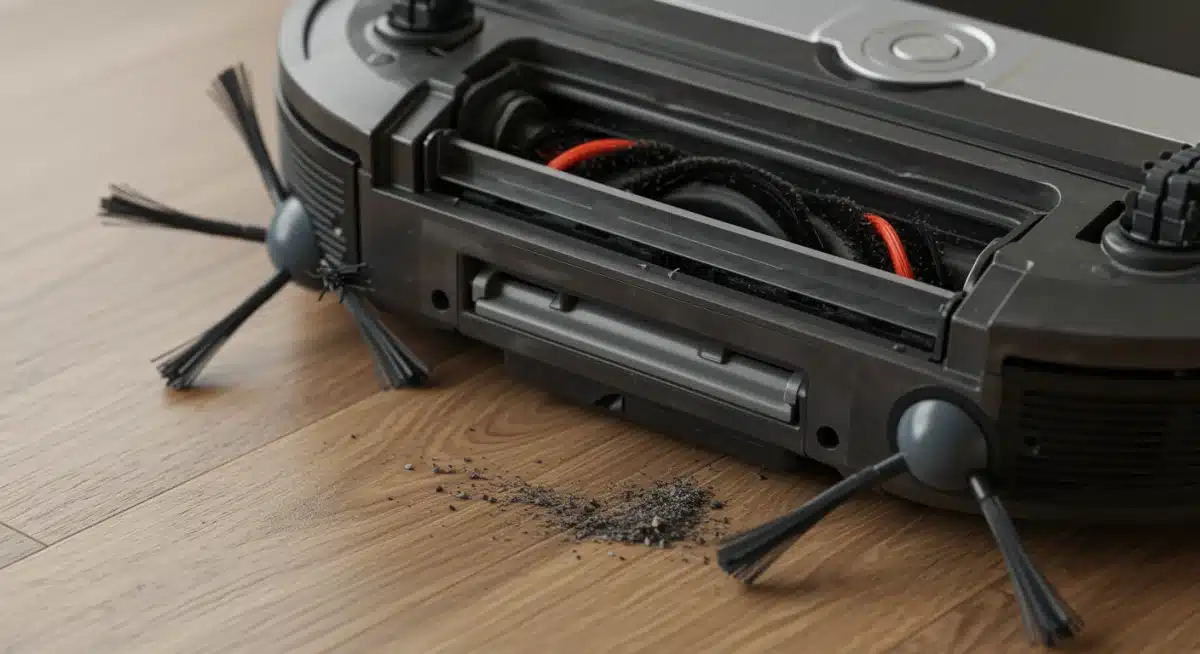
For those seeking excellent performance without the premium price tag, the SwiftSweep 3000 is a revelation. It features gyroscopic navigation, which, while not as precise as LiDAR, still ensures thorough coverage. Its suction power is surprisingly robust for its category, handling everyday dirt and pet hair with ease.
The SwiftSweep 3000 connects to a user-friendly app, allowing for basic scheduling and mode selection. While it lacks some of the hyper-advanced features of its premium counterpart, its reliability and effectiveness make it a strong contender for value-conscious consumers. It proves that you don’t always need to spend top dollar for a clean home.
Model 3 & 4: Specializing in Pet Hair and Large Homes
Continuing our robot vacuum test, we examine two models specifically designed to address common household challenges: one optimized for pet hair and the other for navigating and cleaning large, multi-room homes. These specialized units offer targeted solutions.
Pet owners often face a constant battle against fur, while those with expansive living spaces require a robot vacuum capable of extended operation and intelligent mapping across numerous rooms. These models aim to excel in their respective niches.
The FurBuster 5000: A Pet Owner’s Best Friend
The FurBuster 5000 is engineered from the ground up to combat pet hair. It features a tangle-free brush roll system that prevents hair from getting wrapped around the brushes, a common issue with other models. Its extra-strong suction mode specifically targets pet dander and hair embedded in carpets.
- Tangle-Free Design: Minimizes hair wrapping on brushes.
- Advanced Filtration: Captures allergens and fine pet dander.
- Large Dustbin Capacity: Accommodates significant amounts of pet hair before needing to be emptied.
- Scheduled Pet Mode: Automatically increases suction during peak shedding seasons.
Its accompanying app allows for specific pet-focused cleaning zones and schedules, making the FurBuster 5000 an indispensable tool for maintaining a hair-free home.
The EstateMaster Pro: Conquering Expansive Layouts
The EstateMaster Pro is built for endurance and extensive coverage. With an extended battery life and sophisticated multi-floor mapping capabilities, it can efficiently clean large homes without needing frequent recharges. Its intelligent navigation ensures no area is missed, even in complex layouts.
This model’s app allows users to map and name different rooms and floors, then send the robot to clean specific areas on demand. Its robust construction and reliable performance make it ideal for larger residences where other robots might struggle with coverage or battery life.
Model 5 & 6: Mopping Integration and Eco-Friendly Options
Our final segment of the robot vacuum test explores two innovative models that push the boundaries of automated cleaning: one offering integrated mopping functionality and another focusing on eco-friendly design and operation. These options cater to specific lifestyle preferences.
For those desiring a deeper clean than just vacuuming, a robot with mopping capabilities can be a game-changer. Meanwhile, environmentally-conscious consumers will appreciate devices designed with sustainability in mind, reducing their ecological footprint.
The AquaClean Hybrid: Vacuuming and Mopping in One
The AquaClean Hybrid provides the ultimate convenience by combining powerful vacuuming with effective mopping. It features a dual-tank system for clean and dirty water, ensuring a streak-free shine on hard floors after vacuuming away debris. The transition between vacuum and mop modes is seamless, often managed automatically.
- Integrated Mop Function: Vacuums and mops simultaneously or sequentially.
- Smart Water Control: Adjusts water flow based on floor type and cleaning needs.
- No-Mop Zones: Allows users to designate areas where mopping should be avoided (e.g., carpets).
- Disposable/Reusable Pads: Options for convenience or sustainability.
This hybrid approach significantly reduces the time and effort required for floor maintenance, making it a stellar performer in our robot vacuum test for comprehensive cleaning.
The GreenGlide Eco: Sustainable Cleaning Solutions
The GreenGlide Eco stands out for its commitment to environmental responsibility. Constructed from a significant percentage of recycled materials, it also features an energy-efficient motor and a long-lasting, recyclable battery. Its packaging is entirely plastic-free and biodegradable.
Despite its eco-friendly focus, the GreenGlide Eco doesn’t compromise on cleaning performance. It offers solid suction power and intelligent navigation, proving that sustainability can go hand-in-hand with effective home cleaning. It’s an excellent choice for consumers prioritizing both a clean home and a clean planet.
| Key Feature | Brief Description |
|---|---|
| Cleaning Performance | Evaluates suction power, debris pickup, and edge cleaning across various surfaces. |
| Smart Features | Assesses app control, voice assistant integration, and advanced mapping capabilities. |
| Navigation & Battery | Covers efficiency of movement, obstacle avoidance, and battery life per charge. |
| Specialization | Highlights unique strengths like pet hair focus, large home suitability, or mopping. |
Frequently Asked Questions About Robot Vacuums
For most homes, running your robot vacuum daily or every other day is ideal. This frequency helps maintain cleanliness, especially if you have pets or active households, preventing significant dirt and dust buildup and keeping your floors consistently tidy.
Yes, many modern robot vacuums are excellent for pet hair. Look for models with strong suction, tangle-free brush rolls, and advanced filtration systems to effectively capture fur, dander, and allergens, significantly reducing pet-related messes in your home.
Most robot vacuums are designed to work on multiple floor types, including hardwood, tile, and various carpet thicknesses. However, performance can vary. Premium models often adapt suction power automatically, ensuring optimal cleaning on different surfaces within a single cleaning cycle.
Key smart features include accurate mapping with no-go zones, app control for scheduling and monitoring, and voice assistant compatibility. Self-emptying dustbins and object recognition technology also add significant convenience, enhancing the overall user experience and reducing manual intervention.
Regular maintenance is crucial for longevity and performance. This includes emptying the dustbin after each use, cleaning brush rolls weekly, replacing filters every 1-3 months, and wiping sensors to ensure accurate navigation. Consult your model’s manual for specific recommendations.
Conclusion
Our journey through The Ultimate Robot Vacuum Test: 6 Models Compared for Cleaning Performance and Smart Features in 2025 reveals a dynamic and rapidly evolving market. From premium powerhouses to budget-friendly champions, and specialized units for pet owners or large homes, there’s a robot vacuum designed to meet nearly every need. The integration of advanced AI, precise navigation, and seamless smart home connectivity has transformed these devices from simple cleaners into indispensable tools for modern living. By understanding your specific requirements and leveraging our comprehensive testing data, you can confidently select the perfect robot vacuum to elevate your home’s cleanliness and efficiency in 2025 and beyond.