Top Smart Air Quality Monitors 2026: Healthier US Indoor Environments
Top Smart Air Quality Monitors 2026: Healthier US Indoor Environments
In an era where personal well-being is paramount, the invisible threats lurking in our indoor air often go unnoticed. From volatile organic compounds (VOCs) emitted by common household products to particulate matter (PM2.5) from outdoor pollution, the quality of the air we breathe indoors significantly impacts our health. As technology advances, so too do our tools for combating these hidden dangers. Welcome to 2026, where Smart Air Quality Monitors are no longer a luxury but an essential component of a healthy home. This comprehensive guide will delve into the best smart air quality monitors available in the US market, reviewing three leading devices that promise to transform your indoor environment and empower you with actionable insights.
The Growing Importance of Smart Air Quality Monitors in 2026
The conversation around air quality has evolved dramatically. What was once primarily an outdoor concern has shifted indoors, as studies reveal that indoor air can often be more polluted than outdoor air. With Americans spending up to 90% of their time indoors, the need for effective monitoring solutions is undeniable. Smart Air Quality Monitors provide real-time data, allowing homeowners to understand and address issues proactively. These devices integrate seamlessly with smart home ecosystems, offering not just data but also intelligent automation, such as triggering air purifiers or adjusting ventilation based on detected pollutants.
Why Invest in a Smart Air Quality Monitor?
- Health Protection: Exposure to indoor air pollutants can lead to various health issues, from allergies and asthma to more severe long-term respiratory and cardiovascular problems. A smart monitor helps identify these threats.
- Enhanced Awareness: Many pollutants are odorless and invisible. A smart air quality monitor makes the invisible visible, providing clarity on what you’re breathing.
- Proactive Solutions: Armed with data, you can take informed steps, whether it’s opening a window, running an air purifier, or identifying the source of pollution.
- Smart Home Integration: Modern smart air quality monitors connect with other smart devices, creating an automated, responsive environment that actively works to improve air quality.
- Peace of Mind: Knowing your home’s air is continuously monitored and managed provides invaluable peace of mind for you and your family.
As we navigate 2026, the technology behind these devices has become incredibly sophisticated, offering precise measurements for a wide array of pollutants, user-friendly interfaces, and robust connectivity. Let’s explore what makes these devices so crucial for a healthier lifestyle in the US.
Key Features to Look For in 2026 Smart Air Quality Monitors
Before diving into specific product reviews, it’s essential to understand the core functionalities and advancements that define a top-tier smart air quality monitor in 2026. When considering a purchase, keep the following features in mind:
Comprehensive Sensor Suite
A truly effective smart air quality monitor goes beyond just one or two metrics. Look for devices that measure a broad spectrum of pollutants and environmental factors, including:
- Particulate Matter (PM2.5 and PM10): Tiny particles that can penetrate deep into the lungs, often from combustion, dust, or allergens.
- Volatile Organic Compounds (VOCs): Gases emitted from paints, cleaning supplies, furniture, and other household items, which can cause respiratory irritation and other health issues.
- Carbon Dioxide (CO2): An indicator of ventilation effectiveness and occupant density, high levels can lead to drowsiness and poor concentration.
- Carbon Monoxide (CO): A dangerous, odorless gas produced by incomplete combustion, requiring immediate attention.
- Temperature and Humidity: While not pollutants themselves, these factors significantly influence comfort and can impact the concentration and behavior of other pollutants, as well as mold growth.
- Radon: Some advanced monitors now include radon detection, a naturally occurring radioactive gas that can accumulate indoors and is a leading cause of lung cancer.
Real-time Data and Historical Trending
Instantaneous readings are crucial for immediate action, but the ability to track historical data is equally important. A good smart air quality monitor will offer:
- Live Updates: Via a dedicated app or device display.
- Data Logging: Storage of readings over days, weeks, or months.
- Trend Analysis: Visual graphs and charts that help identify patterns, sources of pollution, and the effectiveness of mitigation strategies.
Smart Home Integration and Automation
This is where the ‘smart’ aspect truly shines. Smart Air Quality Monitors should seamlessly integrate with popular smart home platforms and devices:
- Wi-Fi/Bluetooth Connectivity: For remote monitoring and data transfer.
- Compatibility: With ecosystems like Amazon Alexa, Google Home, Apple HomeKit, or IFTTT (If This Then That).
- Automated Actions: The ability to trigger smart air purifiers, humidifiers, dehumidifiers, or even smart thermostats based on air quality metrics. For example, if PM2.5 levels rise, the monitor could automatically activate an air purifier.
User Experience and Design
A smart device should be easy to set up, use, and understand:
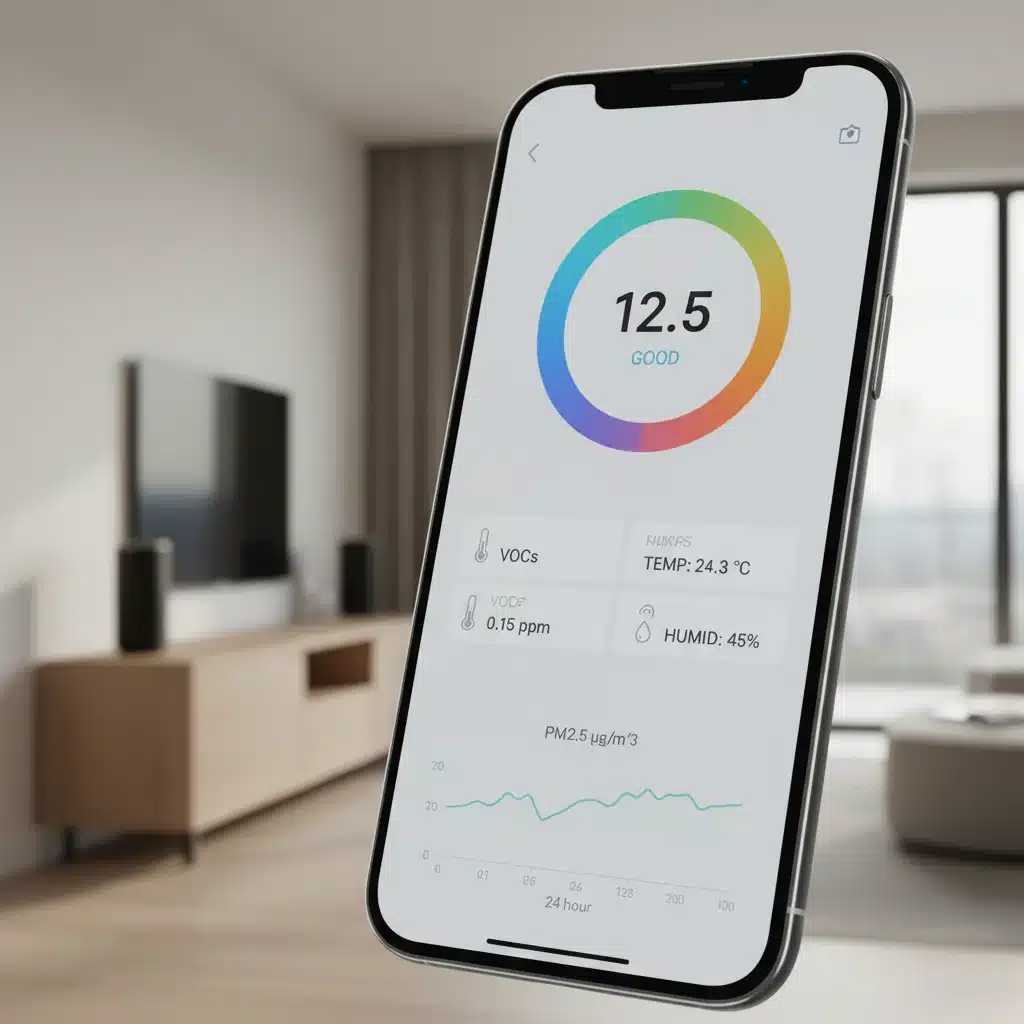
- Intuitive App Interface: Clear, concise data presentation, easy navigation, and customizable alerts.
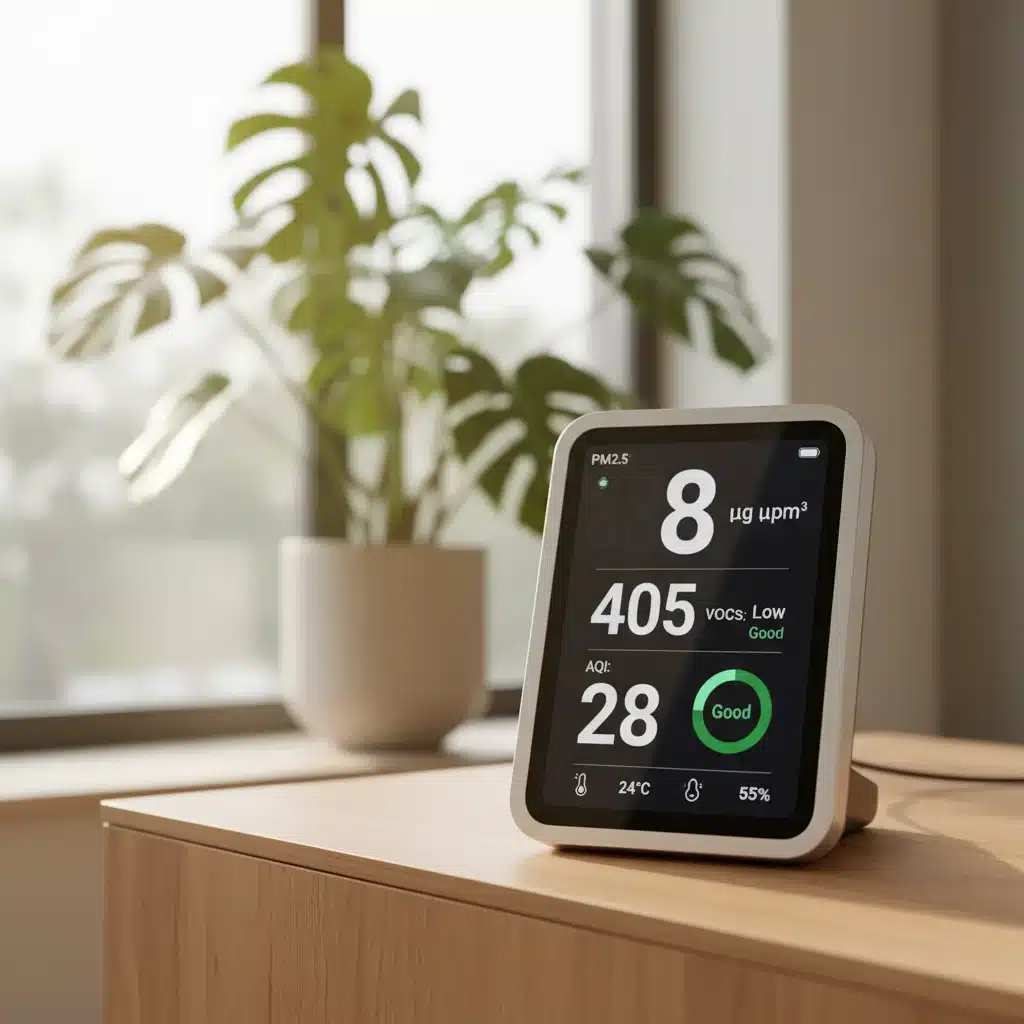
- Clear Display: On-device displays that provide at-a-glance information.
- Sleek Design: Aesthetically pleasing form factors that blend into modern home decor.
Accuracy and Calibration
The reliability of the data is paramount. Look for monitors from reputable brands that prioritize sensor accuracy and offer calibration options or self-calibration features to maintain performance over time.
Reviewing the Top 3 Smart Air Quality Monitors for 2026
Having established the benchmarks, let’s dive into our top picks for Smart Air Quality Monitors in 2026, focusing on their strengths, unique features, and suitability for various US households.
1. AirSense Pro 3000: The Comprehensive Health Hub
The AirSense Pro 3000 has established itself as a leader in the 2026 market, particularly for health-conscious users seeking an all-encompassing monitoring solution. This device isn’t just a monitor; it’s a health hub for your indoor environment.
Key Features:
- Advanced Sensor Array: Measures PM1, PM2.5, PM10, VOCs, CO2, CO, Radon, Formaldehyde, Temperature, and Humidity. Its formaldehyde sensor is particularly noteworthy, addressing a common and often overlooked indoor pollutant.
- AI-Powered Insights: The AirSense Pro 3000 utilizes AI to analyze your air quality data, identifying potential sources of pollution and suggesting actionable steps. For instance, it might detect a pattern of elevated VOCs after cleaning and recommend specific ventilation practices.
- Seamless Smart Home Integration: Fully compatible with Amazon Alexa, Google Home, and Apple HomeKit. It excels in automation, allowing users to create complex routines, such as turning on an air purifier when PM2.5 exceeds a certain threshold or activating a smart fan if CO2 levels rise.
- Intuitive Mobile App: The companion app provides highly detailed yet easy-to-understand graphs and historical data, complete with personalized health recommendations based on detected pollutants.
- Sleek, Discreet Design: Its minimalist aesthetic and compact size allow it to blend seamlessly into any room without being an eyesore.
Pros:
- Most comprehensive sensor suite on the market, including Radon and Formaldehyde.
- Exceptional AI-driven insights and personalized recommendations.
- Robust and reliable smart home automation capabilities.
- Highly accurate sensors with self-calibration features.
Cons:
- Premium price point, which might be a barrier for some budgets.
- The sheer amount of data can be overwhelming for users who prefer simpler interfaces.
Ideal For:
Families with young children, individuals with respiratory sensitivities, or anyone who desires the most comprehensive and intelligent insight into their indoor air quality.
2. EcoGuard Connect: The Eco-Conscious Choice
For those prioritizing sustainability and a balanced feature set at a competitive price, the EcoGuard Connect stands out. This Smart Air Quality Monitor focuses on essential pollutants while offering excellent smart connectivity and an eco-friendly design.
Key Features:
- Core Pollutant Monitoring: Accurately tracks PM2.5, VOCs, CO2, Temperature, and Humidity. It provides all the necessary data for most household concerns.
- Energy-Efficient Design: The EcoGuard Connect boasts a low power consumption profile and is constructed from recycled and sustainably sourced materials, appealing to environmentally conscious consumers.
- Strong Smart Home Integration: Easily connects with Google Home and Amazon Alexa, offering voice control and basic automation. While not as complex as the AirSense Pro, it effectively triggers smart purifiers and ventilation systems.
- User-Friendly App: The app is celebrated for its simplicity and clear visual representation of air quality, making it accessible even for tech novices. It provides daily and weekly summaries, highlighting periods of poor air quality.
- Affordable Price: Offers a compelling balance of features and cost, making it a great value proposition.
Pros:
- Excellent value for money with essential pollutant monitoring.
- Eco-friendly design and energy efficiency.
- Very intuitive app and easy setup.
- Reliable smart home integration for common platforms.
Cons:
- Lacks advanced sensors like Radon, Formaldehyde, or CO.
- Automation capabilities are less sophisticated compared to premium models.
Ideal For:
Budget-conscious consumers, eco-friendly households, or those who need reliable monitoring of primary indoor air pollutants without the need for highly specialized sensors.
3. PureView Mini: The Portable Powerhouse
The PureView Mini caters to users who need flexibility and portability without compromising on crucial air quality insights. This compact Smart Air Quality Monitor is perfect for renters, travelers, or those who want to monitor different rooms at different times.
Key Features:
- Compact and Portable: Small enough to fit in the palm of your hand, with a long-lasting rechargeable battery, making it ideal for moving between rooms, taking to the office, or even traveling.
- Essential Sensor Set: Monitors PM2.5, VOCs, Temperature, and Humidity. While not as extensive as the AirSense Pro, it covers the most critical airborne pollutants.
- Local Display and App: Features a small, clear on-device LED display for quick readings, complemented by a straightforward mobile app for detailed historical data and alerts.
- Basic Smart Connectivity: Connects via Bluetooth to its app and can integrate with IFTTT for basic automation with other smart devices, though direct integration with major smart home platforms is limited.
- Quick Response Time: Its sensors are highly responsive, providing near-instantaneous feedback on changes in air quality.
Pros:
- Unmatched portability and compact design.
- Long battery life for flexible placement.
- Quick and accurate readings for essential pollutants.
- Affordable entry point into smart air quality monitoring.
Cons:
- Limited sensor suite (no CO2, CO, Radon, Formaldehyde).
- Less robust smart home integration compared to other models.
- Small on-device display can be hard to read from a distance.
Ideal For:
Students, apartment dwellers, individuals who travel frequently, or anyone requiring a flexible, easy-to-move air quality solution.
Integrating Smart Air Quality Monitors into Your US Home
The true power of Smart Air Quality Monitors lies in their ability to integrate into your existing smart home ecosystem, creating a responsive and proactive environment. Here’s how to maximize their potential:
Automate Your Air Purifiers
Connect your smart air quality monitor to a smart air purifier. When the monitor detects an increase in PM2.5 or VOCs, it can automatically trigger the air purifier to turn on or increase its fan speed, ensuring cleaner air without manual intervention.
Optimize Ventilation
If your home has smart windows or smart ventilation systems, the monitor can inform these devices. For example, if CO2 levels rise, indicating poor ventilation, smart windows could automatically open slightly, or a smart fan could activate to bring in fresh air.
Control Humidifiers and Dehumidifiers
Maintaining optimal humidity levels is crucial for comfort and preventing mold growth. A smart air quality monitor that tracks humidity can control smart humidifiers or dehumidifiers, keeping your indoor environment within the ideal range.
Receive Timely Alerts
Set up custom alerts on your smartphone for specific pollutant thresholds. This ensures you’re immediately notified if air quality deteriorates, allowing you to take prompt action, even when you’re away from home.
Identify Pollution Sources
By tracking historical data and correlating it with your daily activities, you can pinpoint sources of indoor pollution. Notice a spike in VOCs after using a certain cleaning product? Or PM2.5 when cooking? This data empowers you to make informed choices about products and habits.
The Future of Smart Air Quality Monitoring in the US
Looking beyond 2026, the landscape of Smart Air Quality Monitors is set for even more innovation. We anticipate:
- Miniaturization: Even smaller, more discreet sensors that can be integrated into everyday objects.
- Advanced AI and Predictive Analytics: Monitors that not only detect but also predict potential air quality issues based on weather patterns, local pollution reports, and historical data, offering truly proactive solutions.
- Hyper-Personalization: Devices that learn individual sensitivities and health profiles, offering tailored recommendations and actions.
- Wider Integration: Deeper integration with HVAC systems, smart appliances, and even wearable tech for a holistic view of environmental and personal health.
- Affordability: As technology matures, we expect even more affordable options to become available, making advanced air quality monitoring accessible to a broader audience across the US.
These advancements promise to make managing indoor air quality an even more seamless and integral part of smart living, further protecting our health and enhancing our well-being.
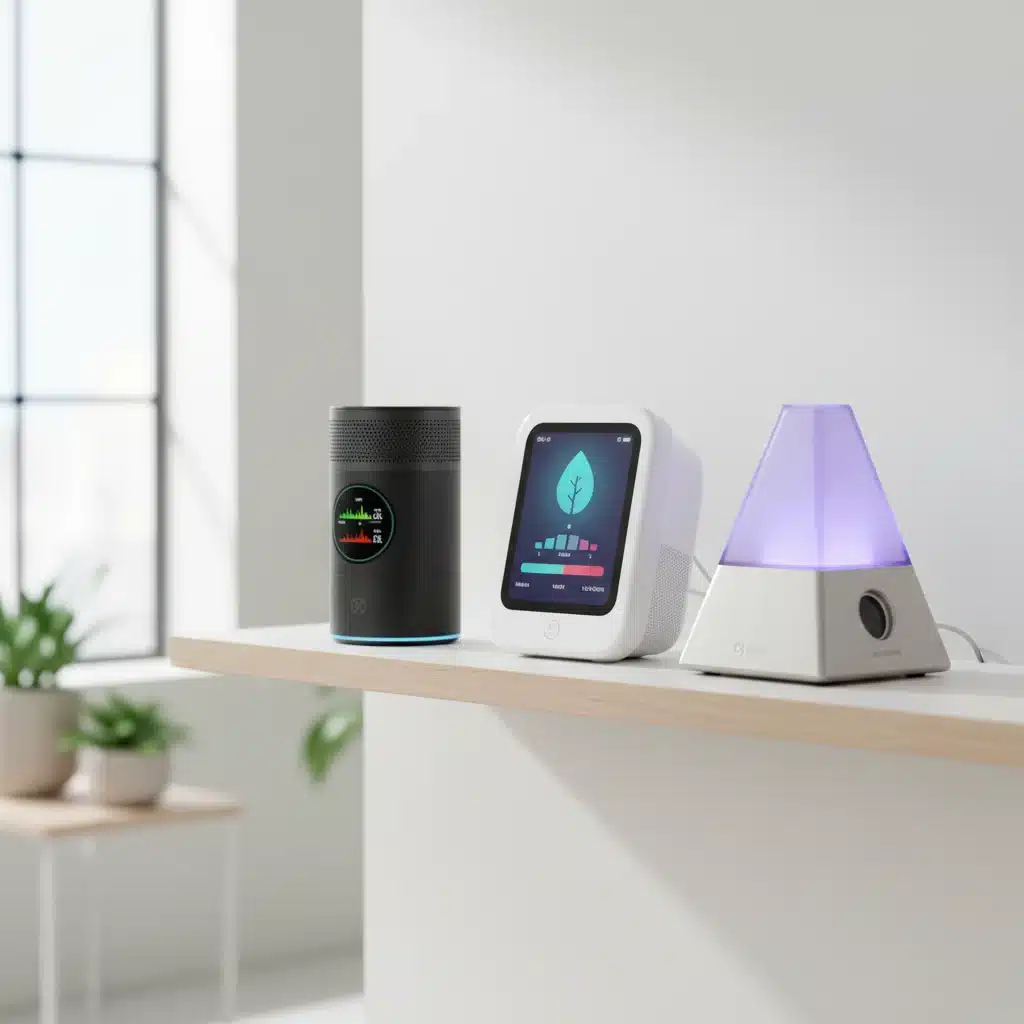
Making the Right Choice: Which Smart Air Quality Monitor is for You?
Choosing the right Smart Air Quality Monitor depends largely on your specific needs, budget, and desired level of detail. Here’s a quick guide to help you decide:
- For the Ultimate Health Enthusiast: If you want every possible metric, advanced AI insights, and robust smart home automation, the AirSense Pro 3000 is an unparalleled choice. Its comprehensive sensor suite, including Radon and Formaldehyde, offers peace of mind for the most meticulous users.
- For Balanced Features and Value: If you need reliable monitoring of common pollutants, good smart home integration, and an eco-friendly approach without breaking the bank, the EcoGuard Connect provides excellent value. It’s a solid all-rounder for most households.
- For Portability and Essential Monitoring: If flexibility, affordability, and monitoring core pollutants are your priorities, the PureView Mini is your go-to. It’s perfect for those who need to check air quality in different spaces or on the go.
Regardless of your choice, investing in a smart air quality monitor is a proactive step towards creating a healthier indoor environment. It’s about taking control of the unseen, understanding the air you breathe, and making informed decisions that benefit your long-term health and well-being.
Conclusion: Breathing Easier in 2026 with Smart Air Quality Monitors
As we navigate 2026, the integration of technology into every aspect of our lives continues to grow, and our health is undoubtedly one of its greatest beneficiaries. Smart Air Quality Monitors represent a significant leap forward in personal health management, offering unprecedented insights into the invisible world of indoor air. By providing real-time data, actionable alerts, and seamless smart home integration, these devices empower US residents to transform their living spaces into healthier, more responsive environments.
Whether you opt for the comprehensive capabilities of the AirSense Pro 3000, the eco-conscious value of the EcoGuard Connect, or the portable convenience of the PureView Mini, the goal remains the same: to breathe cleaner, safer air. Don’t let invisible pollutants compromise your health. Take control of your indoor air quality today and invest in a smart solution that truly makes a difference. Your lungs, and your family, will thank you.