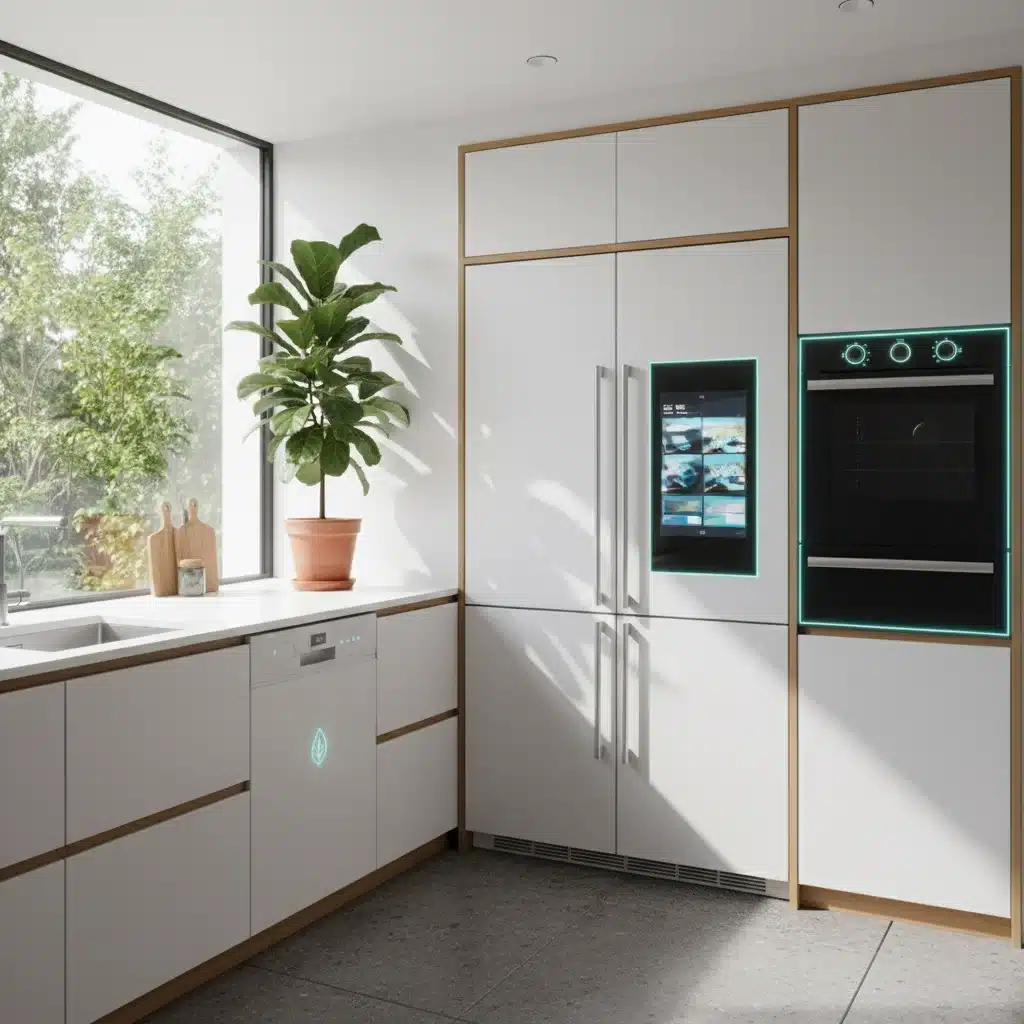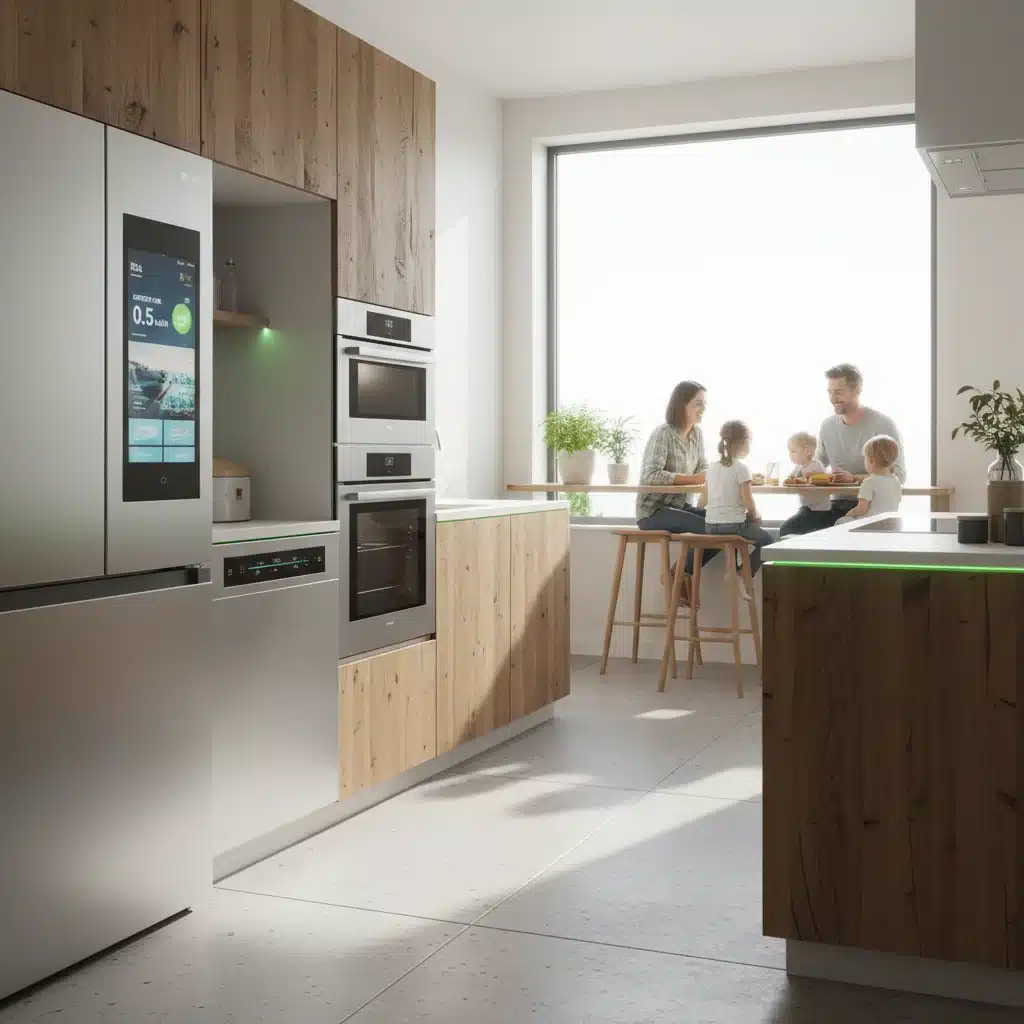
Smart appliances in 2025 are poised to deliver substantial energy consumption reductions, leveraging advanced AI and automation to achieve up to 20% savings through optimized operation and responsive design.
The promise of a smarter home often comes with the allure of significant savings, particularly concerning energy use. As we look towards 2025, the question isn’t just if smart appliances are convenient, but whether they are truly delivering on the ambitious claim of cutting energy consumption by 20%. This article delves into an expert analysis of how smart appliances energy savings are evolving, examining the technology, real-world impact, and what consumers in the United States can realistically expect.
the evolution of smart appliance technology
Smart appliance technology has come a long way from simple Wi-Fi connectivity. Today’s innovations are driven by sophisticated sensors, artificial intelligence (AI), and machine learning, enabling appliances to adapt to user habits and external conditions. This technological leap is crucial for achieving meaningful energy reductions.
Early smart devices primarily offered remote control, which, while convenient, didn’t inherently lead to energy savings. The current generation, however, integrates predictive analytics and real-time data processing to optimize performance. For instance, smart refrigerators learn when you typically open the door and adjust cooling cycles accordingly, minimizing temperature fluctuations and energy waste. Smart washing machines can detect load size and fabric type to use the precise amount of water and energy needed.
AI and machine learning integration
The true power behind the projected 20% energy savings lies in the advanced AI and machine learning algorithms embedded within these devices. These systems don’t just follow pre-programmed rules; they learn and adapt over time, becoming more efficient with every usage cycle.
- Predictive Maintenance: AI can forecast potential malfunctions, allowing for proactive maintenance that prevents inefficient operation and extends appliance lifespan.
- Adaptive Scheduling: Appliances can learn peak and off-peak energy rates, automatically scheduling energy-intensive tasks during cheaper, often greener, periods.
- User Behavior Analysis: AI analyzes user patterns to anticipate needs, such as pre-cooling a home before arrival or brewing coffee just as someone wakes up, optimizing energy without compromising comfort.
This intelligent adaptation is a significant shift from traditional appliances, offering a dynamic approach to energy management that continuously seeks the most efficient operating parameters. The integration of advanced computational capabilities transforms appliances from passive tools into active participants in a home’s energy ecosystem.
understanding the 20% energy saving claim
The claim of a 20% reduction in energy consumption is a bold one, often cited in marketing materials and industry reports. To understand its validity, it’s essential to dissect what this percentage represents and the conditions under which it can be achieved. This isn’t a guaranteed across-the-board saving; rather, it’s an achievable target under optimal circumstances, influenced by various factors.
Firstly, the 20% figure typically refers to the energy consumption of the specific smart appliance compared to a less efficient, older model it replaces, or compared to its own operation without smart features engaged. It rarely implies a 20% reduction in a household’s total energy bill, as appliance usage is only one component of overall energy consumption. However, given that major appliances like refrigerators, washing machines, and HVAC systems are significant energy users, even a 20% saving on their individual consumption can lead to substantial household savings over time.
factors influencing actual savings
Several variables determine whether a household will truly see the advertised energy savings. These include the age of the replaced appliance, user behavior, regional energy costs, and the extent of smart home integration.
- Replaced Appliance Efficiency: Upgrading from a very old, inefficient appliance to a new smart one will yield much higher savings than replacing a relatively modern, already efficient model.
- User Engagement: The ‘smart’ features often require some level of user engagement, such as setting preferences or utilizing accompanying apps. Passive users may not unlock the full potential of energy optimization.
- Energy Grid Integration: Appliances that can communicate with the smart grid to perform tasks during off-peak hours (demand response programs) can significantly reduce costs and consumption.
Ultimately, while the 20% figure is attainable, its realization depends on a combination of advanced technology, informed consumer choices, and active participation in smart energy management. It’s a goal that requires both the appliance and the user to work in concert.
real-world impact and consumer adoption
Beyond theoretical projections, the real-world impact of smart appliances on energy consumption is becoming increasingly evident. Early adopters are reporting tangible benefits, though the journey to widespread adoption and maximum savings still has hurdles to overcome. The effectiveness of these technologies hinges not only on their capabilities but also on how readily consumers integrate them into their daily lives.
Surveys indicate a growing interest in smart home technology, with energy efficiency often cited as a primary motivator. Consumers are starting to see their smart thermostats, lighting systems, and major appliances as tools for both convenience and cost reduction. For example, smart thermostats like Nest or Ecobee, which learn schedules and adapt to outdoor temperatures, have consistently demonstrated reductions in heating and cooling costs for many users. Similarly, smart water heaters that optimize heating cycles can prevent unnecessary energy expenditure.
barriers to widespread adoption
Despite the clear benefits, several factors impede the faster adoption of smart appliances. Cost remains a significant barrier for many households, as smart versions often carry a premium price tag. The complexity of setup and interoperability issues between different brands and ecosystems also deter some potential buyers.
- Initial Investment: The higher upfront cost of smart appliances can be prohibitive, despite the long-term energy savings.
- Technical Complexity: Some users find the setup and configuration of smart devices daunting, preferring simpler, plug-and-play options.
- Interoperability: The lack of universal standards means that devices from different manufacturers may not communicate seamlessly, creating fragmented smart home experiences.
Addressing these barriers through more affordable products, simplified user interfaces, and improved industry standards will be crucial for accelerating the adoption of smart appliances and realizing their full energy-saving potential across a broader demographic.
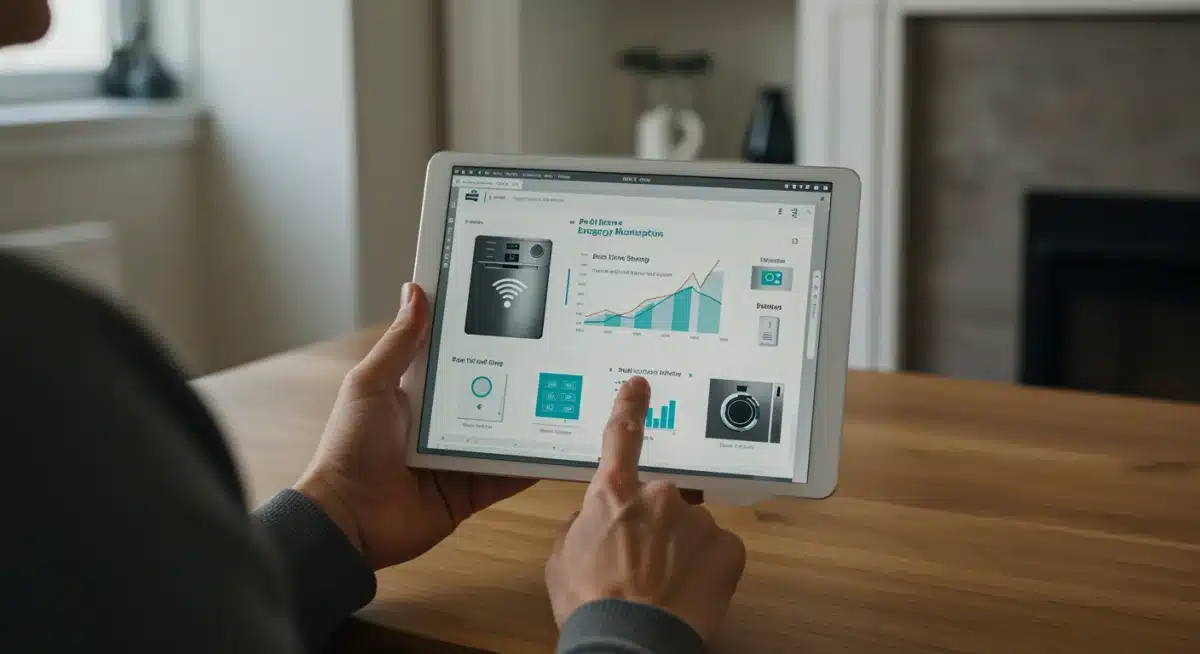
government initiatives and industry standards
The push for energy efficiency in smart appliances is not solely driven by technological innovation and consumer demand; government initiatives and industry standards play a pivotal role. Regulations and incentives are designed to encourage manufacturers to produce more efficient devices and to motivate consumers to adopt them, thereby accelerating the transition to a more sustainable energy landscape.
In the United States, programs like Energy Star certifications continue to evolve, incorporating smart features into their criteria. An Energy Star certified smart appliance not only meets baseline efficiency requirements but also demonstrates the ability to deliver additional savings through smart functionalities, such as demand response capabilities or optimized scheduling. These certifications provide consumers with a clear indicator of a product’s energy performance.
evolving regulatory landscape
Governments are increasingly looking at ways to integrate smart grid capabilities with smart appliances. This includes developing standards for device communication that allow utilities to manage demand more effectively, especially during peak load times. Such initiatives benefit both individual consumers, who might receive incentives for participating, and the broader energy infrastructure by reducing strain and preventing outages.
- Tax Credits and Rebates: Many states and utility companies offer financial incentives for purchasing Energy Star certified smart appliances.
- Smart Grid Integration: Development of protocols for appliances to interact with the grid, enabling automated demand response and load shifting.
- Data Privacy Regulations: As smart appliances collect more data, regulations are being established to protect consumer privacy and ensure secure data handling.
The synergy between government policy, industry innovation, and consumer awareness is essential for maximizing the energy-saving impact of smart appliances. These collaborative efforts create an environment where efficiency is not just a feature but a fundamental expectation.
the role of artificial intelligence in optimization
Artificial intelligence (AI) is arguably the most transformative element in the quest for optimized energy consumption in smart appliances. It moves beyond simple automation, enabling devices to learn, predict, and adapt in ways that maximize efficiency without human intervention. This cognitive capability is what differentiates truly smart appliances from merely connected ones.
AI algorithms analyze vast amounts of data, including historical usage patterns, real-time energy prices, weather forecasts, and even occupancy sensors within the home. By processing this information, an AI-powered appliance can make intelligent decisions, such as delaying a dishwasher cycle until electricity rates drop, or adjusting refrigerator temperatures based on how frequently the door is opened during different times of the day. This level of granular control and predictive optimization is key to achieving significant energy reductions.
beyond basic scheduling
Traditional smart features might allow for scheduled operation, but AI takes this a step further by making these schedules dynamic and responsive. For example, a smart HVAC system with AI can learn the thermal characteristics of a home, understanding how quickly it heats up or cools down, and then optimize its operation to maintain comfort with minimal energy expenditure. It can also anticipate needs, pre-cooling a home during off-peak hours if a heatwave is predicted.
- Self-Correction: AI systems can detect inefficiencies in their own operation and adjust parameters to improve performance over time.
- Personalized Efficiency: Learning individual user preferences allows AI to balance comfort and energy savings based on specific household needs.
- Anomaly Detection: AI can flag unusual energy usage patterns, potentially indicating a malfunction or an opportunity for further optimization.
The continuous learning and self-optimization capabilities of AI are central to the promise of smart appliances delivering consistent and increasing energy savings, making them indispensable tools for the energy-efficient home of tomorrow.
future outlook: pushing beyond 20% savings
While a 20% energy saving is a significant achievement, the future of smart appliances suggests that this figure is just the beginning. Ongoing research and development point towards even greater efficiencies, driven by advancements in material science, improved AI, and deeper integration with broader smart ecosystems. The goal is not just to reduce consumption but to create truly self-sustaining and energy-aware homes.
One promising area is the integration of renewable energy sources directly into smart appliance operation. Imagine a smart washing machine that automatically activates when your home’s solar panels are generating surplus electricity, effectively running on free, clean energy. This level of sophisticated energy management, where appliances are not just consuming but also intelligently sourcing power, represents the next frontier in energy efficiency.
emerging technologies and trends
Several emerging technologies are poised to propel smart appliance energy savings beyond current expectations. These include more efficient motor designs, advanced insulation materials, and the miniaturization of sensors and processors, allowing for greater intelligence in smaller footprints.
- Energy Harvesting: Appliances that can harvest small amounts of energy from their environment (e.g., waste heat) to power their own sensors or minor functions.
- Hyper-Personalization: AI systems that create extremely tailored energy profiles for each user, optimizing every aspect of appliance use.
- Decentralized Energy Management: Homes acting as mini-grids, with smart appliances coordinating with each other and with localized renewable energy sources to achieve maximum independence and efficiency.
As these technologies mature, the vision of a home where appliances actively contribute to a net-zero energy footprint becomes increasingly realistic. The journey beyond 20% savings will be characterized by continuous innovation and a holistic approach to home energy management.
| Key Aspect | Description |
|---|---|
| 20% Savings Claim | Achievable under optimal conditions, primarily comparing smart appliances to older, less efficient models. |
| AI Integration | Enables learning, prediction, and adaptive scheduling for continuous energy optimization. |
| User Engagement | Active use of smart features and accompanying apps is crucial for maximizing energy reductions. |
| Future Potential | Beyond 20%, with renewable energy integration and hyper-personalization driving further savings. |
frequently asked questions about smart appliance energy savings
Smart appliances leverage AI and machine learning to optimize their operation. They learn user habits, adapt to energy rates, and can even communicate with the smart grid to perform tasks during off-peak hours, minimizing energy waste and reducing costs.
The 20% claim is realistic under optimal conditions, especially when replacing older, less efficient appliances. Actual savings depend on factors like existing appliance efficiency, active user engagement with smart features, and participation in utility demand response programs.
Key barriers include the higher initial cost of smart appliances, the perceived technical complexity of setup and use, and interoperability challenges between devices from different manufacturers. Addressing these can accelerate adoption.
Government initiatives, such as Energy Star certifications and tax credits, encourage the production and adoption of energy-efficient smart appliances. They also work on developing standards for smart grid integration to optimize energy use nationally.
Future advancements include deeper AI integration for hyper-personalization, seamless coordination with renewable energy sources, and the development of energy harvesting technologies. These innovations aim to create even more self-sustaining and efficient homes.
conclusion
The expert analysis of smart appliances energy savings in 2025 reveals a clear trajectory towards significant reductions in household energy consumption. While the ambitious 20% saving claim is attainable under various conditions, it underscores the need for both technological advancement and informed consumer engagement. As AI continues to evolve and integrate more deeply into our daily lives, smart appliances are poised to become indispensable tools in our collective effort to achieve greater energy efficiency and sustainability. The future of smart homes is not just about convenience; it’s about a smarter, more responsible approach to energy use.