Smart Garden Irrigation: Top 3 Systems for US Yards 2026
Smart Garden Devices 2026: Evaluating 3 Irrigation Systems for US Yards and Landscapes
Welcome to the future of yard care! As we step into 2026, the evolution of smart garden irrigation technology continues to transform how we maintain our outdoor spaces. Gone are the days of manual sprinklers and wasteful watering; today’s homeowners are embracing intelligent systems that promise not only greener lawns and healthier plants but also significant water savings and unparalleled convenience. For US yards and landscapes, choosing the right smart irrigation system is more crucial than ever, given varying climates, water restrictions, and the increasing desire for sustainable living.
In this comprehensive guide, we’ll delve into the world of smart garden irrigation, exploring the top three systems poised to dominate the market in 2026. We’ll break down their features, benefits, and considerations, helping you make an informed decision for your specific needs. From advanced weather-sensing capabilities to granular zone control and integration with broader smart home ecosystems, these systems represent the pinnacle of modern irrigation. Prepare to discover how these innovations can elevate your gardening experience, conserve precious resources, and ultimately enhance the beauty and value of your home.
The Evolution of Smart Garden Irrigation: Why It Matters Now More Than Ever
The concept of smart garden irrigation isn’t new, but its capabilities and accessibility have skyrocketed in recent years. What was once considered a luxury for large estates is now a practical and affordable solution for average US homeowners. Several factors contribute to this surge in popularity:
- Water Conservation: Droughts and water scarcity are increasing concerns across many US regions. Smart systems significantly reduce water waste by only irrigating when and where it’s needed, often leading to 30-50% water savings.
- Cost Savings: Lower water consumption directly translates to lower utility bills. Over time, the investment in a smart irrigation system pays for itself through reduced operational costs.
- Plant Health: Overwatering and underwatering are common issues that can stress or kill plants. Smart systems deliver precise amounts of water, promoting healthier root development and more vibrant landscapes.
- Convenience and Automation: Forget about remembering to turn sprinklers on or off. These systems automate the entire process, adjusting schedules based on real-time data, freeing up your time and effort.
- Environmental Responsibility: By conserving water, homeowners contribute to broader environmental sustainability efforts, reducing their ecological footprint.
- Smart Home Integration: Modern smart irrigation devices often integrate seamlessly with other smart home platforms, allowing for centralized control and enhanced automation workflows.
Understanding these foundational benefits sets the stage for evaluating the specific systems. Each system approaches these core advantages with unique technologies and philosophies, offering distinct advantages for different types of users and landscapes. Let’s explore the contenders for the best smart garden irrigation systems of 2026.
System 1: The AI-Powered Precision Sprinkler System (e.g., Rachio 3 + Advanced Sensors)
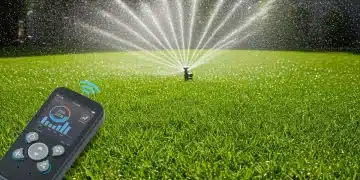
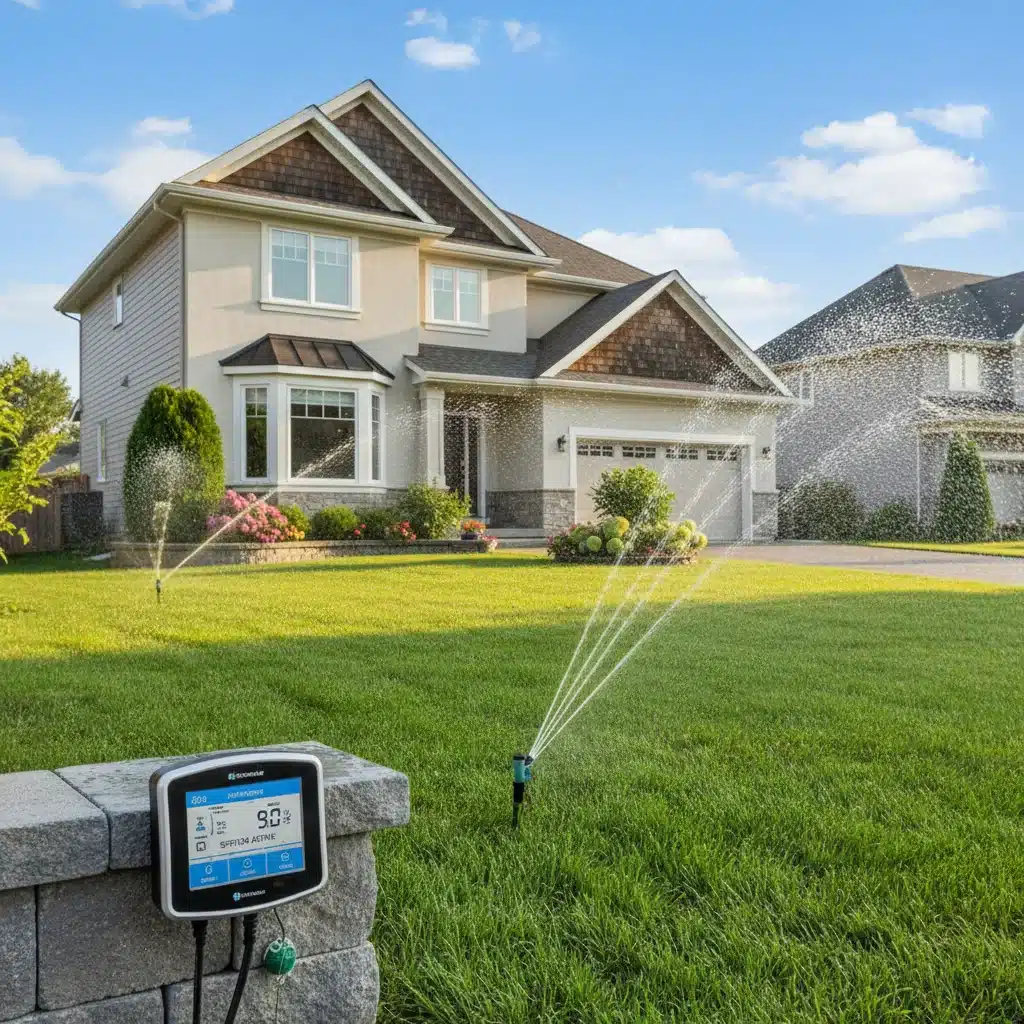
When it comes to cutting-edge smart garden irrigation, AI-powered precision sprinkler systems, exemplified by advanced controllers like the Rachio 3 combined with sophisticated sensor networks, stand out. These systems move beyond simple scheduling to offer truly intelligent watering tailored to every inch of your yard.
Key Features and Technology:
- Hyperlocal Weather Intelligence: Rather than relying on general regional forecasts, these systems tap into hyperlocal weather data, often down to your street address. They use predictive analytics to skip watering cycles before, during, or after rain, or when temperatures drop too low for effective absorption.
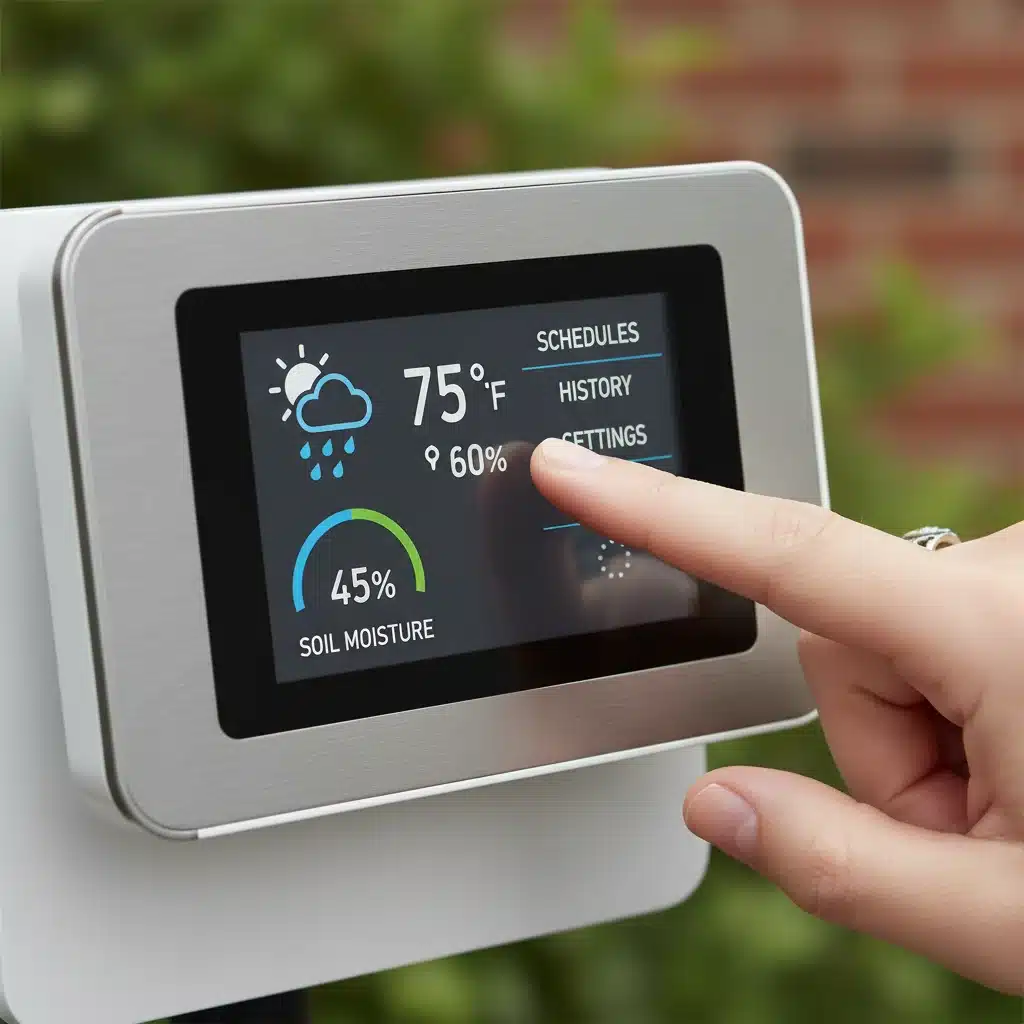
- Soil Moisture Sensors: Integrated or add-on soil moisture sensors provide real-time data on the water content of your soil. The system only waters when the soil moisture falls below a predefined threshold, preventing overwatering and ensuring optimal hydration.
- Plant & Zone Customization: Users can define specific zones in their yard (e.g., sunny lawn, shady flower bed, vegetable patch) and input plant types, soil composition, sun exposure, and slope for each zone. The AI then calculates optimal watering schedules and durations for each zone independently.
- Flow Monitoring & Leak Detection: Some advanced systems include flow meters that monitor water usage in real-time. This allows for immediate detection of leaks, broken sprinkler heads, or blockages, sending alerts to your smartphone and potentially shutting off water to prevent damage and waste.
- Seasonal Adjustments: The system automatically adjusts watering schedules throughout the year based on seasonal changes, plant dormancy, and evaporation rates, removing the need for manual seasonal recalibration.
- Smart Home Compatibility: Deep integration with platforms like Amazon Alexa, Google Assistant, Apple HomeKit, and other smart home ecosystems allows for voice control and complex automation routines (e.g., ‘If outdoor temperature exceeds 90°F, run a brief cooling cycle for the lawn’).
Benefits for US Yards:
- Maximized Water Savings: By far the most significant benefit. The combination of weather intelligence, soil moisture sensing, and precise zone control ensures that not a single drop of water is wasted, making it ideal for drought-prone areas or regions with strict water usage regulations.
- Optimal Plant Health: Plants receive exactly what they need, when they need it, leading to stronger root systems, fewer diseases, and more vibrant growth across diverse landscape elements.
- Effortless Management: Once set up, the system largely manages itself. You can monitor performance and make adjustments from anywhere via a user-friendly mobile app.
- Early Problem Detection: Leak detection capabilities can save homeowners thousands of dollars in water damage and utility bills by identifying issues promptly.
Considerations:
- Initial Cost: These systems often represent the highest upfront investment due to the advanced controller, multiple sensors, and potential professional installation.
- Complexity of Setup: While user-friendly once running, initial setup and calibration (defining zones, inputting plant data, installing sensors) can be more involved than simpler systems.
- Sensor Maintenance: Soil moisture sensors may require occasional cleaning or recalibration to maintain accuracy.
For homeowners seeking the ultimate in precision, automation, and water efficiency, an AI-powered precision sprinkler system is an investment that pays dividends in both environmental impact and landscape quality.
System 2: The Smart Drip Irrigation & Soaker Hose Network (e.g., Orbit B-hyve + Drip Components)
While traditional sprinkler systems are excellent for lawns, many US yards feature diverse landscapes, including flower beds, vegetable gardens, hedges, and potted plants. This is where smart drip irrigation and soaker hose networks, often managed by controllers like the Orbit B-hyve, truly shine as a superior smart garden irrigation solution.
Key Features and Technology:
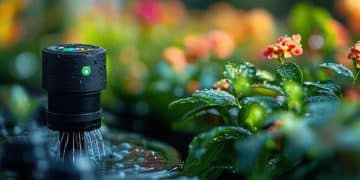
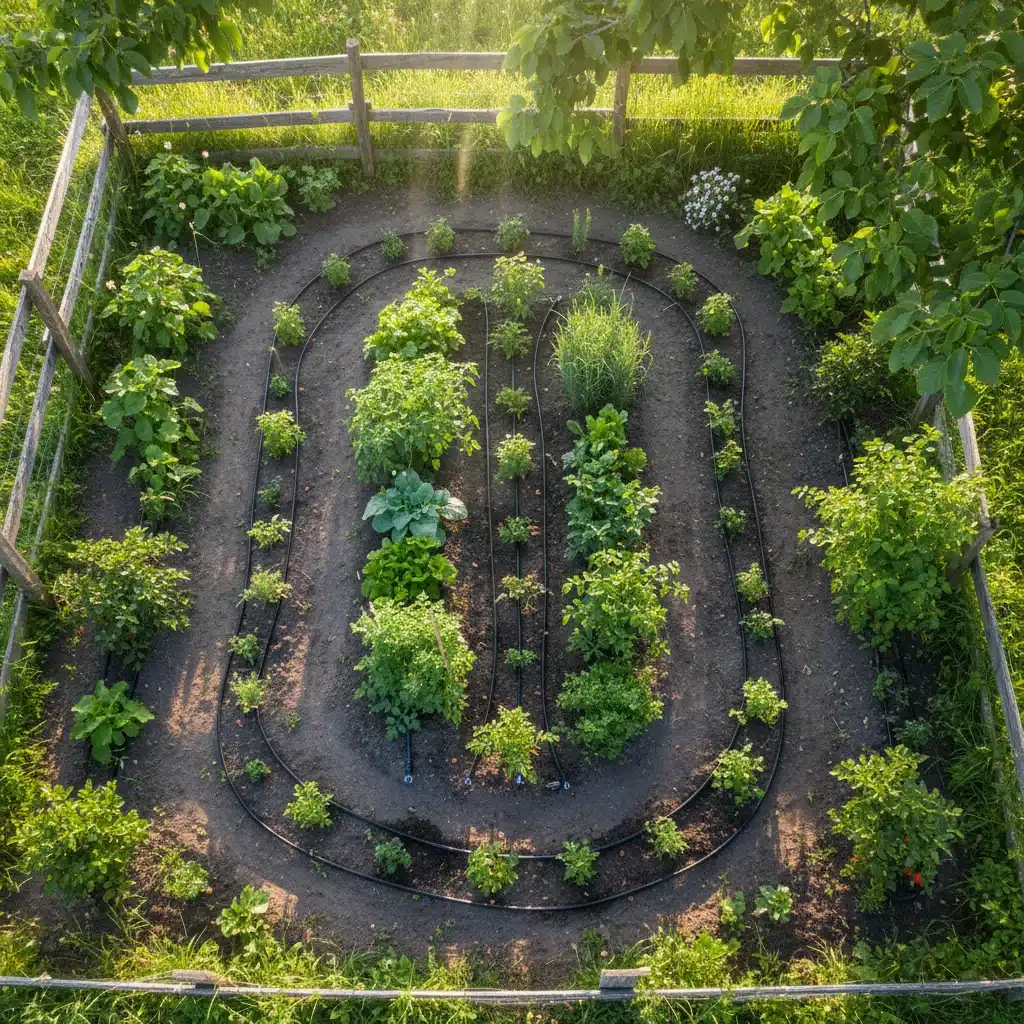
- Targeted Water Delivery: Drip irrigation delivers water directly to the plant’s root zone, minimizing evaporation and runoff. Soaker hoses allow water to seep slowly into the soil along their entire length.
- Zone-Specific Drip Emitters & Hoses: Systems can be designed with different emitter flow rates or soaker hose lengths to cater to the specific water needs of individual plants or plant groupings within a zone.
- Smart Controller Integration: Controllers like the Orbit B-hyve connect to Wi-Fi and use weather intelligence to adjust schedules. They can manage multiple zones, each potentially equipped with drip lines, soaker hoses, or even traditional sprinklers.
- Water Pressure Regulation: Drip systems often incorporate pressure regulators to ensure consistent water flow and prevent damage to emitters, especially important in systems with long runs or varying elevations.
- Expandability & Modularity: These systems are highly modular, allowing users to start small and expand their network to cover more areas as needed. Components are generally easy to install and customize.
- Frost Protection: Smart controllers can automatically pause irrigation during freezing temperatures to prevent damage to pipes and plants.
Benefits for US Yards:
- Unmatched Water Efficiency for Non-Turf Areas: For gardens, flower beds, and shrubs, drip irrigation is incredibly efficient, often saving more water than even the most precise sprinkler systems. It’s perfect for xeriscaping or water-wise landscaping.
- Reduced Disease & Weed Growth: By watering the soil directly and keeping foliage dry, drip systems reduce fungal diseases. Less water on open soil surfaces also inhibits weed seed germination.
- Nutrient Retention: Slow, deep watering helps nutrients penetrate the soil more effectively, rather than washing away with surface runoff.
- Versatility: Can be adapted to nearly any landscape configuration, from raised beds and hanging baskets to intricate perennial borders and foundation plantings.
- Lower Operating Pressure: Drip systems require less water pressure than sprinklers, which can be beneficial for homes with lower water pressure or those looking to minimize strain on their plumbing.
Considerations:
- Installation Time: Designing and installing an effective drip system can be time-consuming, requiring careful planning to ensure adequate coverage for all plants.
- Clogging Risk: Emitters can sometimes clog with sediment or mineral deposits, requiring periodic cleaning or replacement. Filters are essential.
- Aesthetics: While often hidden under mulch, visible drip lines might not appeal to everyone.
- Not Ideal for Large Lawns: Drip irrigation is generally not practical or cost-effective for watering expansive turf areas; it excels in targeted applications.
For homeowners with diverse planting areas who prioritize water efficiency and plant health in specific zones, a smart drip irrigation network is an indispensable component of a modern smart garden irrigation strategy.
System 3: The Integrated Smart Hub & Modular System (e.g., Eve Aqua + HomeKit/Thread)
As smart home ecosystems become more interconnected, the demand for smart garden irrigation solutions that seamlessly integrate into these broader platforms is growing. Integrated smart hub and modular systems, particularly those leveraging technologies like Apple HomeKit and Thread, offer a streamlined and highly responsive approach to outdoor watering.
Key Features and Technology:
- Centralized Smart Hub: These systems often rely on a central smart home hub (e.g., Apple HomePod Mini, Google Nest Hub, Amazon Echo) to act as the brain, rather than a dedicated irrigation controller. This hub manages communication between devices and executes automation routines.
- Modular & Expandable Components: Devices like Eve Aqua are smart spigot controllers that turn any outdoor faucet into an automated water source. These can be combined with standard hoses, sprinklers, or simple drip kits. The modularity allows users to start with one faucet and expand as needed.
- Bluetooth/Thread Connectivity: While some older modular systems used Wi-Fi, newer ones are increasingly adopting low-power mesh networking protocols like Thread. This offers better reliability, faster response times, and extended range compared to Bluetooth, while consuming less power than Wi-Fi.
- Advanced Automation Rules: Leveraged through the smart home app (e.g., Apple Home app, Google Home app), users can create sophisticated automation based on a multitude of triggers: time of day, weather forecasts, soil moisture sensors (from other integrated devices), or even occupancy sensors.
- Voice Control & Remote Access: Full integration with voice assistants allows for hands-free control. Remote access via smartphone apps means you can manage your watering from anywhere in the world.
- Energy Efficiency: By using low-power wireless protocols and integrating with existing smart home infrastructure, these systems are often more energy-efficient than standalone controllers.
Benefits for US Yards:
- Seamless Smart Home Integration: For users already invested in a smart home ecosystem, this approach offers unparalleled integration, allowing irrigation to be part of broader home automation scenes and routines.
- Simplicity & Ease of Use: Often easier to install than complex multi-zone controllers. You simply attach the smart spigot controller to your outdoor faucet, connect it to your hub, and configure it through your smart home app.
- Cost-Effective for Smaller Yards/Specific Areas: If you only need to automate a few sprinklers, a vegetable patch, or a small lawn, these modular systems can be a more affordable entry point into smart garden irrigation than a full-fledged multi-zone controller.
- High Responsiveness: Thread-enabled devices offer quick command execution and reliable communication.
- Flexibility: Easily reconfigure or move components as your landscape needs change.
Considerations:
- Reliance on Smart Home Hub: Requires an existing or new smart home hub to function optimally, which might be an additional cost if you don’t already have one.
- Limited Zone Control: While multiple spigot controllers can be used, they generally manage fewer independent zones than dedicated multi-zone irrigation controllers.
- Scalability Challenges for Large Yards: For very large or complex landscapes with many distinct zones, a dedicated irrigation controller might offer more robust and centralized management.
- Hose & Sprinkler Quality: The effectiveness of this system still relies on the quality of the hoses and sprinklers/drip components you connect to the smart spigot.
For smart home enthusiasts or those with smaller, less complex yards seeking an integrated and user-friendly smart garden irrigation solution, the smart hub and modular system offers a compelling and modern approach.
Comparing the Top 3 Smart Garden Irrigation Systems for 2026
To help you decide which smart garden irrigation system is best for your US yard, let’s look at a comparative overview:
| Feature | AI-Powered Precision Sprinkler (e.g., Rachio 3) | Smart Drip/Soaker Network (e.g., Orbit B-hyve) | Integrated Smart Hub & Modular (e.g., Eve Aqua) |
|---|---|---|---|
| Best For | Large lawns, complex multi-zone landscapes needing granular control. | Flower beds, vegetable gardens, shrubs, potted plants, xeriscaping. | Smaller yards, specific areas, smart home enthusiasts, ease of setup. |
| Water Efficiency | Excellent (30-50% savings via weather/soil data). | Superior (50%+ savings via direct root zone delivery). | Good (based on weather data, but dependent on attached components). |
| Installation Complexity | Moderate to High (wiring, sensor installation, zone mapping). | Moderate (designing layout, connecting emitters/hoses). | Low (attaches to existing spigot). |
| Upfront Cost | Highest (advanced controller, multiple sensors). | Medium (controller + drip components). | Lowest (per spigot controller), but may require smart home hub. |
| Key Technologies | AI, hyperlocal weather, soil moisture sensors, flow meters. | Targeted emitters, pressure regulation, weather intelligence. | Smart home hub integration, Thread/Bluetooth, automation rules. |
| Maintenance | Minimal controller, occasional sensor calibration. | Emitters may clog, requires periodic inspection. | Minimal (battery replacement for some devices), ensures connected components are functional. |
| Smart Home Integration | Excellent (Alexa, Google, HomeKit). | Good (Alexa, Google, typically via controller). | Superior (native integration with specific ecosystems like HomeKit). |
Choosing the Right Smart Garden Irrigation System for Your US Yard
The decision of which smart garden irrigation system to adopt largely depends on your specific needs, existing landscape, and budget. Here’s a breakdown to help you navigate the choice:
Consider Your Landscape Type:
- Primarily Lawn: If your yard is mostly turf, an AI-Powered Precision Sprinkler System like Rachio 3 is likely your best bet. It’s designed to optimize sprinkler zones across large areas, ensuring even coverage and maximum water savings for grass.
- Mixed Landscape (Gardens, Shrubs, Potted Plants, Some Lawn): A combination approach or a focus on a Smart Drip Irrigation & Soaker Hose Network is ideal. You might use a smart controller (like Orbit B-hyve) to manage both a few sprinkler zones and multiple drip zones, tailoring water delivery precisely where it’s needed.
- Small Yard, Balcony Garden, or Specific Watering Needs: For targeted watering of a few garden beds or a small lawn area without extensive existing plumbing, an Integrated Smart Hub & Modular System (e.g., Eve Aqua) offers simplicity and cost-effectiveness, especially if you already have a smart home hub.
Assess Your Budget:
- Highest Investment, Highest Long-Term Savings: AI-powered sprinkler systems have a higher upfront cost but often yield the greatest water savings over time due to their extreme precision.
- Mid-Range Investment, Excellent Efficiency: Smart drip systems offer a balanced approach, with moderate upfront costs and fantastic water efficiency, particularly for non-turf areas.
- Lowest Entry Cost, Expandable: Modular systems generally have the lowest entry point, perfect for those wanting to dip their toes into smart irrigation without a massive initial outlay.
Evaluate Your Tech Savvy & Smart Home Ecosystem:
- Tech Enthusiast with a Smart Home: If you love smart gadgets and want deep integration, the Integrated Smart Hub & Modular System will feel right at home. The AI-Powered Precision Sprinkler System also offers extensive smart home compatibility.
- Comfortable with Apps, but Not a ‘Smart Home’ Expert: A dedicated smart irrigation controller from the AI-Powered Precision Sprinkler or Smart Drip/Soaker Network categories will provide robust functionality through its own app, without necessarily requiring deep smart home integration.
- Prefer Simplicity: The modular systems are generally the most straightforward to install and operate.
Consider Water Conservation Goals:
- Maximum Water Savings is Key: Both AI-Powered Precision Sprinkler Systems and Smart Drip/Soaker Networks excel here, with drip irrigation often offering the highest efficiency for non-turf areas.
- Compliance with Water Restrictions: All three systems can help you comply with local water restrictions by enabling precise scheduling and weather-based adjustments.
No matter your choice, investing in smart garden irrigation in 2026 is an investment in a healthier landscape, a more sustainable home, and a more convenient lifestyle. The technology has matured to a point where reliability, efficiency, and user-friendliness are at an all-time high, making it an opportune moment to upgrade your yard’s watering system.
Installation and Maintenance Tips for Your Smart Garden Irrigation System
Once you’ve selected the ideal smart garden irrigation system for your US yard, proper installation and ongoing maintenance are key to maximizing its benefits and longevity.
Installation Best Practices:
- Plan Your Zones: Before installing, map out your yard into distinct zones based on plant types, sun exposure, and soil conditions. This is critical for efficient watering.
- Professional Help for Complex Systems: For AI-powered sprinkler systems with extensive wiring or complex drip layouts, consider hiring a certified irrigation professional. They can ensure optimal design, correct pressure, and proper sensor placement.
- Read the Manual: Every smart controller has specific setup instructions. Pay close attention to wiring diagrams, Wi-Fi connectivity, and app-based configuration.
- Test Thoroughly: After installation, run each zone manually to check for proper coverage, leaks, and correct operation of all components (sprinkler heads, emitters, soaker hoses).
- Sensor Placement: If using soil moisture sensors, place them in representative areas of each zone, away from direct sunlight or heavy foot traffic, and at the root depth of your plants.
- Wi-Fi Signal Strength: Ensure your smart controller has a strong and stable Wi-Fi signal. Consider a Wi-Fi extender if your controller is far from your router.
Ongoing Maintenance for Longevity and Efficiency:
- Seasonal Adjustments (Even with Smart Systems): While smart systems automate many adjustments, it’s a good practice to periodically review your settings at the beginning of each season (spring, summer, fall, winter). Ensure plant types are correct, and adjust any custom watering restrictions.
- Check for Clogs and Leaks: Regularly inspect sprinkler heads, drip emitters, and soaker hoses for clogs (especially with drip systems, use filters!) or damage. Leaks can waste significant water.
- Clean Sensors: If you have soil moisture sensors, clean them periodically per manufacturer instructions to ensure accurate readings.
- Winterization: In regions with freezing temperatures, properly winterize your irrigation system to prevent pipes and components from cracking. This usually involves shutting off the water supply and blowing out the lines with compressed air.
- Software Updates: Keep your smart controller’s firmware and mobile app updated. Manufacturers frequently release updates that improve performance, add features, and patch security vulnerabilities.
- Monitor Water Usage: Many smart systems provide detailed water usage reports. Review these reports to identify trends, pinpoint inefficiencies, and celebrate your water savings.
- Battery Replacement: For battery-powered modular devices (like some smart spigot controllers or wireless sensors), replace batteries as recommended by the manufacturer.
By following these installation and maintenance guidelines, your smart garden irrigation system will provide years of reliable, efficient, and hassle-free watering for your beautiful US yard.
The Future of Smart Garden Irrigation: Beyond 2026
The landscape of smart garden irrigation is continuously evolving, and what we see in 2026 is just a stepping stone to even more sophisticated technologies. Looking ahead, we can anticipate several exciting advancements:
- Hyper-Personalized Watering: Even more granular control, potentially down to individual plant-level watering based on AI analysis of plant health via integrated cameras or advanced spectroscopic sensors.
- Self-Healing Systems: Predictive maintenance will become more common, with systems identifying potential issues (e.g., a sprinkler head about to fail) before they occur and alerting users or even ordering replacement parts automatically.
- Robotic Integration: Imagine robotic lawnmowers or garden assistants that can also monitor soil conditions and even handle minor irrigation system repairs.
- Advanced Water Sourcing: Integration with rainwater harvesting systems and greywater recycling will become more seamless, enabling truly self-sufficient garden watering solutions.
- Enhanced AI Learning: AI algorithms will continue to improve, learning from your specific landscape’s historical data, seasonal changes, and plant responses to fine-tune watering even further.
- Community-Level Water Management: Smart irrigation systems might eventually integrate with municipal water management platforms to help optimize water distribution and respond to regional water needs more dynamically.
These future innovations promise to make smart garden irrigation even more intelligent, efficient, and indispensable for homeowners committed to sustainable and beautiful outdoor spaces. The journey towards perfectly watered yards is an exciting one, and 2026 marks a significant milestone in this technological progression.
Conclusion: Embrace the Smart Garden Revolution
In conclusion, the world of smart garden irrigation in 2026 offers an array of sophisticated solutions designed to meet the diverse needs of US homeowners. Whether you opt for the unparalleled precision of an AI-powered sprinkler system, the targeted efficiency of a smart drip network, or the integrated convenience of a modular smart hub system, you’re making a choice that benefits your landscape, your wallet, and the environment.
These systems are more than just gadgets; they are intelligent caretakers for your outdoor spaces, ensuring your plants thrive while conserving one of our most precious resources: water. They transform the chore of watering into a seamless, automated process, giving you back time and peace of mind.
As you consider upgrading your yard’s irrigation, remember to evaluate your specific landscape, budget, and desired level of smart home integration. By doing so, you’ll find the perfect smart garden irrigation system to cultivate a vibrant, healthy, and sustainable outdoor oasis for years to come. Embrace the smart garden revolution and watch your landscape flourish with intelligent care.