Smart Locks 2025: Secure Home Automation Options Analyzed

The 2025 landscape for smart locks introduces unparalleled security features and seamless integration with broader home automation ecosystems, offering homeowners enhanced control and peace of mind through advanced biometric, encryption, and connectivity options.
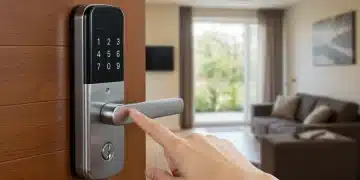
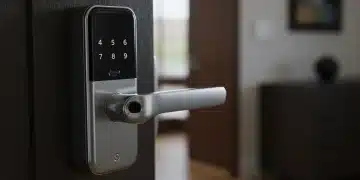
As we step into 2025, the evolution of home security continues to accelerate, with smart locks 2025 standing at the forefront of this technological revolution. These devices are no longer just about keyless entry; they represent a fundamental shift in how we protect our homes, blending advanced security with unprecedented convenience. This deep dive will explore the recent updates, comprehensive comparisons, and thorough analyses of the most secure home automation options available, helping you navigate the future of smart home security.
The evolution of smart lock technology
Smart locks have come a long way from simple Bluetooth-enabled deadbolts. Today’s models incorporate sophisticated technology, offering a multi-layered approach to home security. The focus has shifted from mere access control to creating an integrated, intelligent security perimeter around your home, adaptable to various lifestyles and security needs.
enhanced security protocols
Modern smart locks are equipped with advanced encryption standards, often exceeding those found in traditional banking systems. This means your digital key is virtually impenetrable to cyber threats, ensuring that only authorized users can gain access. The continuous development in this area is a testament to manufacturers’ commitment to keeping pace with evolving digital risks.
- AES 256-bit encryption for data transmission.
- Dynamic key codes that change frequently.
- Secure element chips for storing sensitive data.
integration with home automation ecosystems
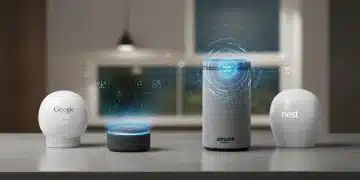
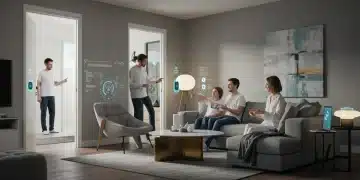
One of the most significant advancements is the seamless integration of smart locks with broader home automation platforms. Compatibility with systems like Apple HomeKit, Google Home, Amazon Alexa, and Samsung SmartThings allows for a truly connected home experience. Imagine your doors locking automatically when you leave, or smart lights turning on as you unlock the door after dark.
This level of integration transforms individual devices into a cohesive security and convenience network. The ability to manage your home’s access alongside lighting, climate, and surveillance from a single interface simplifies daily routines and enhances overall security posture.
The continuous innovation in smart lock technology underscores a commitment to both security and user experience. These devices are not just about locking and unlocking; they are about providing peace of mind through intelligent, interconnected solutions.
Biometric authentication: the future of access
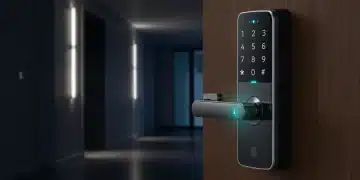
Biometric authentication is rapidly becoming a standard feature in high-end smart locks, offering a level of security and convenience that traditional keys cannot match. Fingerprint scanners, facial recognition, and even iris scanning are no longer concepts from science fiction but practical realities for home access.
fingerprint recognition advancements
Fingerprint scanners on smart locks have become incredibly fast and accurate, capable of recognizing authorized users in mere milliseconds. These systems often employ advanced algorithms to learn and adapt to changes in fingerprints, reducing false rejections and improving reliability over time.
- Capacitive and optical sensors for diverse conditions.
- Multi-angle recognition for convenient scanning.
- Secure storage of biometric data locally, not in the cloud.
facial and iris recognition
While less common due to cost and complexity, facial and iris recognition are emerging as ultra-secure options for premium smart locks. These technologies offer an even higher degree of identity verification, virtually eliminating the possibility of unauthorized access. Their deployment is typically seen in luxury homes or commercial settings where maximum security is paramount.
The integration of biometric authentication means you no longer need to worry about lost keys, forgotten codes, or unauthorized duplication. Your unique biological identifiers become your key, offering unparalleled convenience and security.
As biometric technology continues to mature, its adoption in smart locks will likely become more widespread, offering a robust and user-friendly solution for securing our homes in the coming years.
Connectivity and remote management capabilities
The ability to control and monitor your smart lock from anywhere in the world is a cornerstone of modern home automation. Wi-Fi, Bluetooth, Zigbee, and Z-Wave are the primary communication protocols enabling this remote access, each offering distinct advantages.
wi-fi and bluetooth direct connectivity
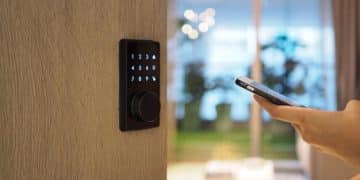
Many contemporary smart locks offer direct Wi-Fi connectivity, eliminating the need for a separate hub. This simplifies installation and allows for immediate remote control and notifications. Bluetooth, while offering a shorter range, is excellent for local control and quick setup with a smartphone, often serving as a backup or primary connection for proximity-based unlocking.
zigbee and z-wave for robust networks
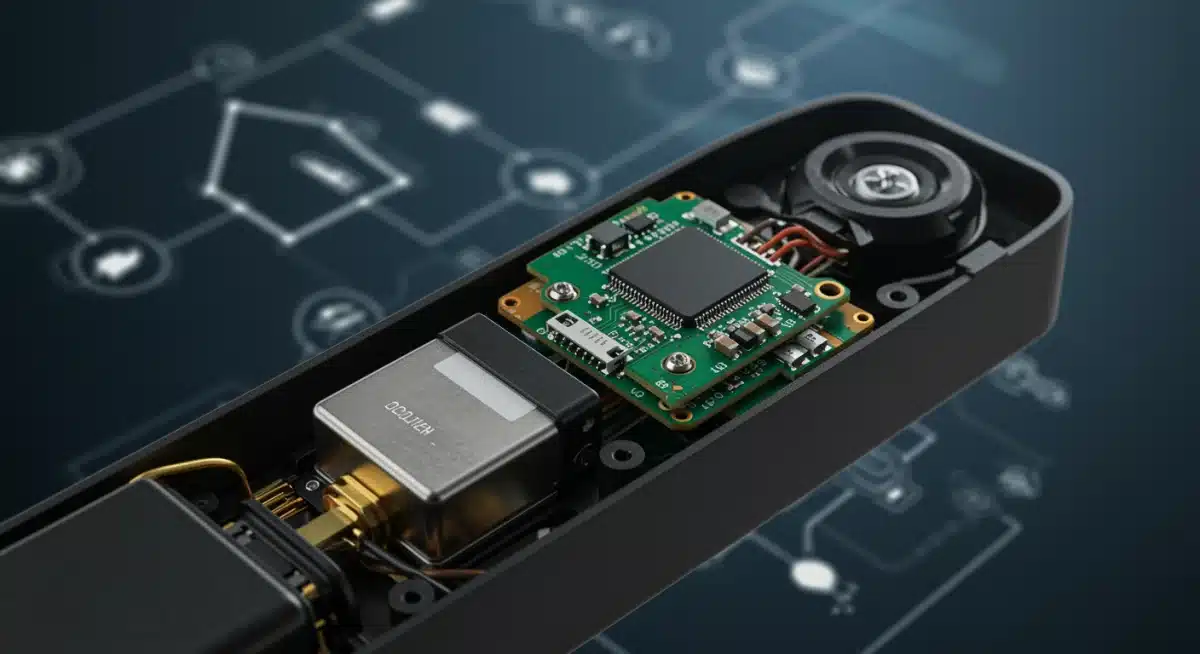
For those with extensive smart home ecosystems, Zigbee and Z-Wave remain popular choices. These mesh networking protocols create a highly reliable and energy-efficient network, allowing devices to communicate with each other and extending the range of your smart home system. They are particularly favored for their low power consumption and robust signal strength, even in larger homes.
Remote management extends beyond simple locking and unlocking. Users can grant temporary access codes to guests or service providers, monitor entry and exit logs, and receive real-time alerts about unusual activity. This level of control provides immense flexibility and peace of mind, whether you’re at work or on vacation.
The diverse connectivity options ensure that there’s a smart lock solution for every home, from standalone Wi-Fi models to fully integrated mesh network systems, all designed to keep you connected to your home’s security.
Power management and battery life innovations
One of the most common concerns with smart locks is battery life. Constant connectivity and advanced features can drain power quickly, but manufacturers are continually innovating to extend battery longevity and ensure reliable operation.
energy-efficient hardware and software
Newer smart locks incorporate low-power chipsets and optimized software algorithms that significantly reduce energy consumption. This allows for extended periods between battery changes, often up to a year or more, depending on usage and connectivity type. Many even feature energy-harvesting capabilities or solar panels for supplemental power.
- Low-power Bluetooth and Zigbee modules.
- Optimized standby modes.
- Advanced battery management systems.
rechargeable and backup power options
Beyond traditional disposable batteries, some smart locks now offer rechargeable battery packs, similar to those found in smartphones. This provides a more sustainable and convenient power solution. Furthermore, almost all smart locks include a physical key override or emergency power options (e.g., a 9V battery terminal) to ensure access even if the primary power source fails.
Alerts for low battery levels are standard, typically sent to your smartphone well in advance, giving you ample time to replace or recharge batteries. This proactive notification system prevents unexpected lockouts due to power depletion.
The advancements in power management ensure that the convenience and security offered by smart locks are not compromised by frequent battery replacements, making them a reliable component of your home’s security system.
Comparative analysis of leading smart lock brands in 2025
The market for smart locks is highly competitive, with several brands offering innovative solutions. Understanding the strengths of each can help you make an informed decision for your home. We’ll look at some of the key players and their standout features.
august home: elegant design and versatile access
August Home continues to be a leader, known for its sleek design and focus on ease of use. Their locks often fit over existing deadbolts, allowing for simple DIY installation. Key features include DoorSense technology, which tells you if your door is securely closed and locked, and broad integration with various smart home platforms.
schlage encode plus: homekit and thread integration
Schlage has long been a trusted name in locks, and their smart offerings, particularly the Encode Plus, are gaining traction. This model boasts native HomeKit and Thread support, providing ultra-responsive and secure communication within Apple’s ecosystem. Its robust build quality and extensive feature set make it a top contender for those prioritizing security and smart home integration.
yale assure lock series: durable and feature-rich
Yale’s Assure Lock series offers a wide range of options, from keypad-only to touchscreen and smart module-enabled models. They are known for their durability and reliable performance. Yale locks often integrate well with Nest, HomeKit, and other platforms, providing flexibility for different smart home setups.
ultraloq: biometric and versatile solutions
Ultraloq distinguishes itself with a strong emphasis on biometric access, offering advanced fingerprint recognition and multiple ways to unlock, including code, key fob, and smartphone. Their products often combine robust physical security with cutting-edge digital features, appealing to users seeking diverse entry methods.
Each brand offers a unique blend of features, design, and ecosystem compatibility. The best choice often depends on your specific needs, existing smart home setup, and desired balance between convenience and security. A thorough evaluation of these options ensures you select a smart lock that perfectly complements your lifestyle.
Installation, maintenance, and troubleshooting tips
While smart locks offer advanced technology, their installation and maintenance are often straightforward, designed for the average homeowner. However, understanding some key tips can ensure optimal performance and longevity.
diy installation made easy
Most smart locks are designed for easy DIY installation, typically requiring only a screwdriver and following clear step-by-step instructions provided by the manufacturer. Many brands offer video tutorials and dedicated customer support to guide you through the process. Ensure your door’s bore holes and backset measurements match the lock’s specifications for a smooth installation.
- Check door compatibility before purchase.
- Follow manufacturer’s installation videos.
- Test all functions immediately after installation.
routine maintenance for optimal performance
Maintenance for smart locks is minimal but crucial. Regularly check and replace batteries as prompted by the app. Keep the keypad and sensors clean, especially biometric scanners, to ensure accurate readings. Periodically inspect the physical components for any signs of wear or misalignment.
common troubleshooting scenarios
Troubleshooting often involves checking connectivity, battery levels, and software updates. If your lock isn’t responding to commands, first verify your Wi-Fi or Bluetooth connection. A simple restart of the lock or your home router can often resolve temporary glitches. Ensure your lock’s firmware is always up to date to benefit from the latest security patches and feature enhancements.
For more complex issues, consulting the manufacturer’s online resources or customer support is recommended. Most companies provide extensive FAQs and troubleshooting guides to help resolve common problems efficiently. Proper installation and diligent maintenance are key to unlocking the full potential of your smart lock and ensuring continuous home security.
| Key Feature | Brief Description |
|---|---|
| Advanced Security | Incorporates AES 256-bit encryption and secure element chips for robust digital protection against cyber threats. |
| Biometric Access | Features fast and accurate fingerprint, facial, or iris recognition for keyless and highly secure entry. |
| Seamless Integration | Connects with major smart home platforms like HomeKit, Alexa, and Google Home for unified control. |
| Remote Management | Allows control and monitoring of your lock from anywhere via smartphone apps, offering convenience and peace of mind. |
Frequently asked questions about smart locks 2025
Yes, modern smart locks in 2025 offer enhanced security through strong encryption, biometric authentication, and real-time monitoring. They provide a multi-layered defense against both physical and digital intrusion attempts, often surpassing the security of conventional mechanical locks by a significant margin.
Wi-Fi offers direct remote control, while Bluetooth is ideal for local, close-range access. For comprehensive smart homes, Zigbee and Z-Wave provide robust, energy-efficient mesh networks that ensure reliable communication across multiple devices and greater range.
Battery life varies by model and usage, but most 2025 smart locks are designed to last 6-12 months on a single set of batteries. Many feature low-battery alerts, and some offer rechargeable options or emergency power ports for convenience.
Most smart locks are designed for broad compatibility with popular platforms like Apple HomeKit, Google Home, and Amazon Alexa. Checking the product specifications for integration with your specific smart home ecosystem is crucial before purchase to ensure seamless operation.
Consider your security needs, preferred access methods (keypad, biometric, smartphone), connectivity options, compatibility with your smart home system, and battery life. Also, evaluate the brand’s reputation for reliability and customer support to make an informed decision.
Conclusion
The landscape of smart locks in 2025 presents a compelling fusion of advanced security, unparalleled convenience, and seamless integration into the broader smart home ecosystem. From sophisticated biometric authentication to robust encryption protocols and diverse connectivity options, these devices are redefining home security. By understanding the latest advancements, comparing leading brands, and following best practices for installation and maintenance, homeowners can confidently choose a smart lock that not only protects their property but also enhances their daily lives through intelligent automation. The future of secure home access is here, offering peace of mind through cutting-edge technology.