Implementing smart window treatments in 2025 can significantly reduce heat gain by over 30%, directly translating into substantial savings on your air conditioning bills and enhancing overall home comfort.
As we move further into 2025, homeowners are increasingly seeking innovative ways to enhance comfort, reduce energy consumption, and lower utility costs. One area often overlooked, yet offering immense potential for savings, is window treatments. This comprehensive guide, The 2025 Guide to Smart Window Treatments: Blocking 30% More Heat to Save on AC Bills, delves into how cutting-edge smart solutions can transform your home’s energy efficiency, specifically by blocking over 30% of heat and significantly cutting down your air conditioning expenses. Get ready to discover how smart technology can make your home cooler and your wallet heavier.
The Evolution of Window Treatments: From Basic to Brilliant
Window treatments have come a long way from simple drapes and blinds. Today, they are sophisticated systems integrated with smart home ecosystems, offering unparalleled control and efficiency. The evolution reflects a growing demand for solutions that not only provide privacy and aesthetics but also actively contribute to energy conservation. This shift is particularly crucial in regions experiencing intense heat, where AC usage can account for a significant portion of household energy bills.
Modern smart window treatments leverage advanced materials and automation to dynamically respond to environmental changes. They can adjust independently based on sunlight intensity, indoor temperature, or even your daily schedule, ensuring optimal heat blocking and natural light utilization. This proactive approach minimizes heat gain during peak sun hours, reducing the workload on your air conditioning system and leading to tangible savings.
Understanding Heat Transfer Through Windows
Windows are notorious for being one of the primary culprits for heat transfer in homes. During hot months, solar radiation can easily penetrate glass, turning your living space into a greenhouse. This phenomenon, known as solar heat gain, forces your AC unit to work harder and longer to maintain a comfortable indoor temperature. Traditional window coverings offer some relief, but smart solutions take this protection to an entirely new level.
- Convection: Heat transfer through air movement.
- Conduction: Heat transfer directly through the window material.
- Radiation: Heat transfer via electromagnetic waves, primarily sunlight.
By understanding these mechanisms, manufacturers have developed smart window treatments specifically designed to combat each form of heat transfer, with a strong emphasis on blocking radiant heat from the sun. This targeted approach is what allows them to achieve impressive heat reduction percentages, often exceeding 30%.
Key Technologies Driving Smart Window Treatments
The innovation behind smart window treatments is rooted in several key technologies that work in concert to deliver superior performance. These technologies encompass advanced materials, sophisticated sensors, and seamless integration with smart home platforms. Understanding these components is essential to appreciating the full potential of these energy-saving solutions.
One of the most significant advancements lies in the materials used. Many smart window treatments now incorporate specialized fabrics and films that are highly reflective or absorptive of solar radiation, preventing it from entering the home. These materials are often lightweight, durable, and designed to maintain their aesthetic appeal while delivering high thermal performance. Furthermore, some cutting-edge solutions utilize electrochromic glass, which can change its tint dynamically, offering an elegant and integrated approach to solar control.
Automation and Connectivity
The ‘smart’ in smart window treatments primarily comes from their ability to be automated and connected. This means they can be controlled remotely via smartphone apps, integrated with voice assistants, or programmed to operate autonomously based on pre-set conditions. This level of control allows homeowners to manage their internal climate with unprecedented precision, even when they are away from home.
- Sensors: Light, temperature, and occupancy sensors detect environmental conditions and trigger automated adjustments.
- Motorization: Quiet, efficient motors enable smooth and precise movement of blinds, shades, and curtains.
- Smart Home Integration: Compatibility with platforms like Amazon Alexa, Google Home, and Apple HomeKit for centralized control.
The synergy between these technologies creates a dynamic barrier against heat, ensuring that your home remains cool and comfortable without constant manual intervention. This automation not only saves energy but also adds a layer of convenience and sophistication to your home management.
Types of Smart Window Treatments for Maximum Heat Blocking
The market offers a diverse range of smart window treatments, each with its unique advantages in blocking heat and contributing to AC savings. Choosing the right type depends on various factors, including your home’s architecture, aesthetic preferences, and specific energy-saving goals. However, all options share the common goal of mitigating solar heat gain effectively.
From advanced blinds and shades to innovative films and integrated glass, the choices are becoming more sophisticated and efficient. Homeowners no longer have to sacrifice style for sustainability; many smart options are designed to be sleek, modern, and blend seamlessly with any interior design. The key is to understand the specific mechanisms each type employs to combat heat.
Smart Blinds and Shades
Smart blinds and shades are perhaps the most common and accessible entry point into smart window treatments. They come in various styles, including roller shades, cellular shades, Venetian blinds, and Roman shades, all equipped with motors and smart controls. Many are made with specialized, reflective fabrics or materials designed to either reflect solar radiation back outside or absorb it before it enters the room.
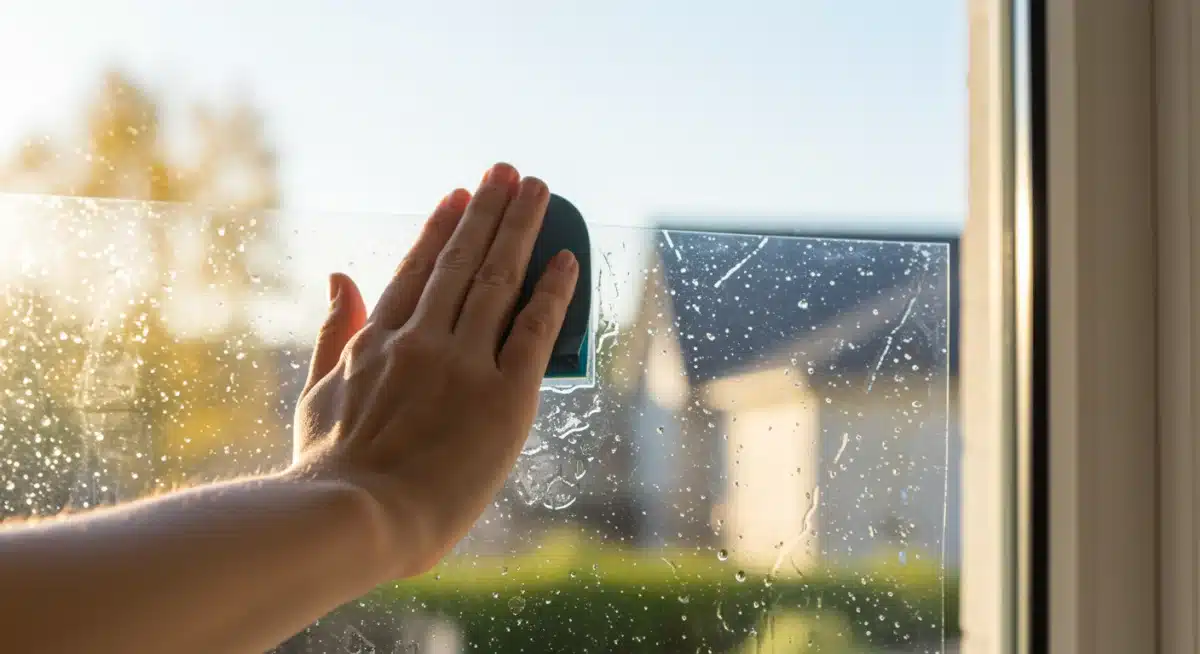
Cellular shades, for instance, feature a honeycomb structure that traps air, creating an insulating layer that significantly reduces heat transfer. Smart versions of these can automatically adjust their position throughout the day to maximize this insulating effect. Roller shades made from blackout or highly reflective materials are also excellent at blocking solar gain, especially when properly installed to minimize gaps.
Smart Window Films and Coatings
For those who prefer to maintain an unobstructed view or are looking for a more subtle solution, smart window film and coatings offer a compelling alternative. These thin, transparent or semi-transparent layers are applied directly to the window glass. They are engineered to block specific wavelengths of light, such as infrared (heat) and ultraviolet (UV), while allowing visible light to pass through.
- Low-E Coatings: These microscopic metallic layers reflect heat while allowing light to transmit.
- Spectrally Selective Films: Designed to block a high percentage of infrared and UV rays, with minimal impact on visible light.
- Electrochromic Glass: This advanced technology allows the glass to change its tint from clear to dark with an electrical current, offering dynamic control over solar heat gain and glare.
These films and coatings can be particularly effective in older homes with single-pane windows, where replacing the entire window unit might not be feasible or budget-friendly. They provide a cost-effective way to significantly improve thermal performance and reduce AC load.
Integration with Smart Home Ecosystems for Optimal Performance
The true power of smart window treatments is unleashed when they are seamlessly integrated into a broader smart home ecosystem. This integration allows for centralized control, advanced automation routines, and data-driven insights that optimize energy usage even further. It transforms individual smart devices into a cohesive, intelligent network working towards a more efficient and comfortable home environment.
Imagine your window treatments coordinating with your smart thermostat, automatically lowering when the thermostat detects a rising indoor temperature, or closing when a weather forecast predicts a heatwave. This level of interconnectedness ensures that your home is always proactively managing its climate, rather than reactively responding to discomfort.
Creating Automated Routines
One of the most significant benefits of smart home integration is the ability to create complex, automated routines. These routines can be triggered by various factors, moving beyond simple time-based schedules to more dynamic and responsive operations. This not only saves energy but also enhances convenience, as you rarely need to manually adjust your window coverings.
- Time-based schedules: Program blinds to open at sunrise and close during peak sun hours.
- Sensor-based triggers: Connect to light sensors to close when direct sunlight hits a window, or to temperature sensors to lower when the room gets too warm.
- Voice commands: Control your window treatments with simple voice commands through smart assistants.
- Geofencing: Have your blinds adjust when you leave or arrive home, optimizing energy use whether occupied or vacant.
By leveraging these capabilities, homeowners can ensure their smart window treatments are always working optimally to block heat and maintain comfort, reducing reliance on the AC and keeping energy bills in check. The initial setup might require some effort, but the long-term benefits in terms of savings and convenience are substantial.
Measuring the Savings: How Smart Window Treatments Impact AC Bills
The promise of smart window treatments blocking over 30% more heat isn’t just a marketing claim; it translates into tangible savings on your air conditioning bills. Quantifying these savings requires understanding how reducing heat gain directly impacts your HVAC system’s workload and energy consumption. It’s a direct correlation: less heat entering your home means less energy needed to cool it.
Studies and real-world applications consistently show that effective solar control can significantly reduce the demand on air conditioning units. When your AC doesn’t have to work as hard or as long, it consumes less electricity, leading directly to lower monthly utility costs. These savings can accumulate quickly, often allowing the investment in smart window treatments to pay for itself over time.
Calculating Potential Energy Reductions
While exact savings vary based on factors like climate, window size, existing insulation, and AC efficiency, estimates suggest that smart window treatments can reduce cooling costs by 15-30% or even more in highly sun-exposed homes. The 30% heat blocking figure is a conservative estimate for well-chosen and properly installed smart solutions, especially when compared to standard window coverings or no coverings at all.
Consider the average homeowner in a hot climate who spends hundreds, if not thousands, on AC annually. A 20-30% reduction can mean hundreds of dollars back in their pocket each year. This makes smart window treatments not just a comfort upgrade but a wise financial investment for the long term. Moreover, reducing energy consumption also contributes to a smaller carbon footprint, aligning with broader environmental goals.
Installation and Maintenance for Longevity and Performance
Proper installation and regular maintenance are crucial for maximizing the heat-blocking efficiency and longevity of your smart window treatments. Even the most advanced technology will underperform if not correctly set up or if neglected over time. Ensuring that your treatments are installed by professionals and cared for according to manufacturer guidelines will protect your investment and guarantee optimal energy savings.
Installation can be more complex than traditional window coverings due to the integrated motors, sensors, and connectivity requirements. Many smart window treatment providers offer professional installation services, which are highly recommended to ensure proper fit, calibration, and integration with your smart home system. This prevents common issues like gaps that allow heat infiltration or connectivity problems.
Tips for Installation and Care
Once installed, smart window treatments generally require minimal but consistent maintenance. This primarily involves keeping them clean and ensuring their automated functions are operating correctly. Periodic checks of the battery life (if applicable) or power connections are also important to prevent unexpected downtime.
- Professional Installation: Essential for proper fit, calibration, and smart home integration.
- Regular Cleaning: Dust and debris can impair sensor function and aesthetic appeal. Follow manufacturer guidelines for cleaning materials.
- Firmware Updates: Ensure devices are updated to the latest firmware for optimal performance and security.
- Battery Management: For wireless, battery-operated units, monitor battery levels and replace as needed.
By adhering to these simple guidelines, homeowners can ensure their smart window treatments continue to perform at their peak, blocking maximum heat and delivering consistent savings on AC bills for years to come. This proactive approach safeguards both your comfort and your investment.
The Future of Smart Window Treatments: Innovations on the Horizon
The field of smart window treatments is continuously evolving, with exciting innovations on the horizon promising even greater energy efficiency, convenience, and integration. As technology advances, we can expect these solutions to become more intelligent, more aesthetically pleasing, and more accessible to a wider range of homeowners. The future points towards even more dynamic and responsive systems that seamlessly adapt to our needs and the environment.
One major trend is the development of truly self-powering window treatments, leveraging small solar panels or kinetic energy harvesting to eliminate the need for batteries or wired power sources. This not only simplifies installation but also reduces the environmental footprint of these devices. Furthermore, advancements in AI and machine learning are expected to make these systems even more predictive, anticipating weather changes and occupant preferences with greater accuracy.
Emerging Technologies and Trends
Beyond current offerings, researchers and developers are exploring new frontiers that could revolutionize how we manage solar heat gain. These include materials that can generate electricity from sunlight while still blocking heat, and even more sophisticated electrochromic technologies that offer granular control over light and heat transmission across different sections of a single pane.
- Transparent Solar Cells: Windows that generate electricity while maintaining transparency.
- Advanced Electrochromics: Segmented control for precise light and heat management.
- AI-Powered Predictive Analytics: Systems that learn user habits and local weather patterns to optimize performance autonomously.
- Enhanced Bi-directional Communication: Deeper integration with HVAC and lighting systems for holistic climate control.
These future innovations promise to further solidify smart window treatments as an indispensable component of any energy-efficient smart home, pushing the boundaries of what’s possible in terms of comfort, savings, and environmental responsibility. Staying informed about these trends will allow homeowners to make the most informed decisions for their future smart home upgrades.
| Key Benefit | Description |
|---|---|
| Heat Blocking Efficiency | Reduces solar heat gain by over 30%, significantly cooling interiors. |
| AC Bill Savings | Lowers energy consumption by reducing the workload on air conditioning systems. |
| Smart Home Integration | Connects with existing smart ecosystems for automated, intelligent climate control. |
| Enhanced Comfort | Maintains consistent indoor temperatures, reducing hot spots and glare. |
Frequently Asked Questions About Smart Window Treatments
High-quality smart window treatments, especially those with specialized reflective or insulating materials, are designed to block over 30% of solar heat gain. Some advanced options, like electrochromic glass or cellular shades, can achieve even higher percentages depending on the specific product and installation.
Savings on AC bills can vary widely based on climate, window efficiency, and usage. However, homeowners often report reductions of 15-30% or more in cooling costs annually. This translates to significant financial benefits over the lifespan of the smart window treatments, making them a worthwhile investment.
Yes, most modern smart window treatments are designed for seamless integration with popular smart home ecosystems like Amazon Alexa, Google Home, and Apple HomeKit. This allows for centralized control, automated routines, and coordination with other smart devices for optimal energy efficiency and convenience.
While some DIY options exist, professional installation is generally recommended for smart window treatments. This ensures proper fit, calibration of motors and sensors, and correct integration with your smart home network. Professional installation helps maximize their efficiency and longevity, preventing common issues.
Maintenance is typically minimal. It includes regular cleaning according to manufacturer guidelines, ensuring sensors are free of dust, and periodically checking battery levels for wireless units. Keeping firmware updated is also important for optimal performance and security. Proper care ensures continued heat-blocking efficiency.
Conclusion
The 2025 landscape for smart home technology clearly positions smart window treatments as a crucial component for achieving significant energy efficiency and substantial savings on AC bills. By effectively blocking over 30% of unwanted heat, these innovative solutions not only enhance indoor comfort but also contribute to a more sustainable and cost-effective living environment. As technology continues to advance, the integration, performance, and accessibility of smart window treatments will only improve, making them an increasingly indispensable investment for any modern homeowner looking to optimize their energy consumption.