Optimizing Home Energy Use: 5 Critical Appliance Updates for 2026
Optimizing Home Energy Use: 5 Critical Appliance Updates for 2026
The future of home living is intrinsically linked to efficiency and sustainability. As we look towards 2026, the imperative to reduce our carbon footprint and lower utility bills becomes ever more pressing. The good news? Technology is evolving at an incredible pace, offering homeowners unprecedented opportunities for home energy optimization. Upgrading your appliances isn’t just about getting new gadgets; it’s about making a strategic investment in your home’s future, enhancing comfort, and significantly contributing to a healthier planet.
This comprehensive guide will delve into five critical appliance updates that will be essential for optimizing home energy use by 2026. We’ll explore how these advancements not only promise substantial savings but also integrate seamlessly into smart home ecosystems, offering unparalleled convenience and control. Get ready to transform your living space into a beacon of energy efficiency.
The concept of a ‘smart home’ has moved beyond mere novelty to become a cornerstone of modern living. At its heart lies the ability to manage and automate various systems, with energy consumption being a primary focus. By 2026, the appliances we choose will play an even more pivotal role in this ecosystem, driving down costs and maximizing efficiency. Understanding which upgrades offer the most impact is key to making informed decisions for your household.
1. The Rise of Smart, Energy-Efficient HVAC Systems
Your Heating, Ventilation, and Air Conditioning (HVAC) system is arguably the largest consumer of energy in your home. It’s responsible for maintaining comfortable indoor temperatures year-round, and an outdated system can be a significant drain on your wallet and the environment. By 2026, the advancements in smart, energy-efficient HVAC systems will make them an indispensable upgrade for effective home energy optimization.
Modern HVAC units, especially those with variable-speed compressors and smart thermostats, are designed to operate with unparalleled precision. Unlike older, single-stage systems that are either fully on or fully off, variable-speed units can adjust their output to meet the exact heating or cooling demands of your home. This eliminates energy waste associated with constant cycling, leading to smoother temperature regulation and substantial energy savings.
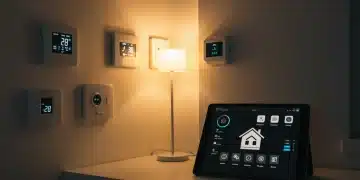
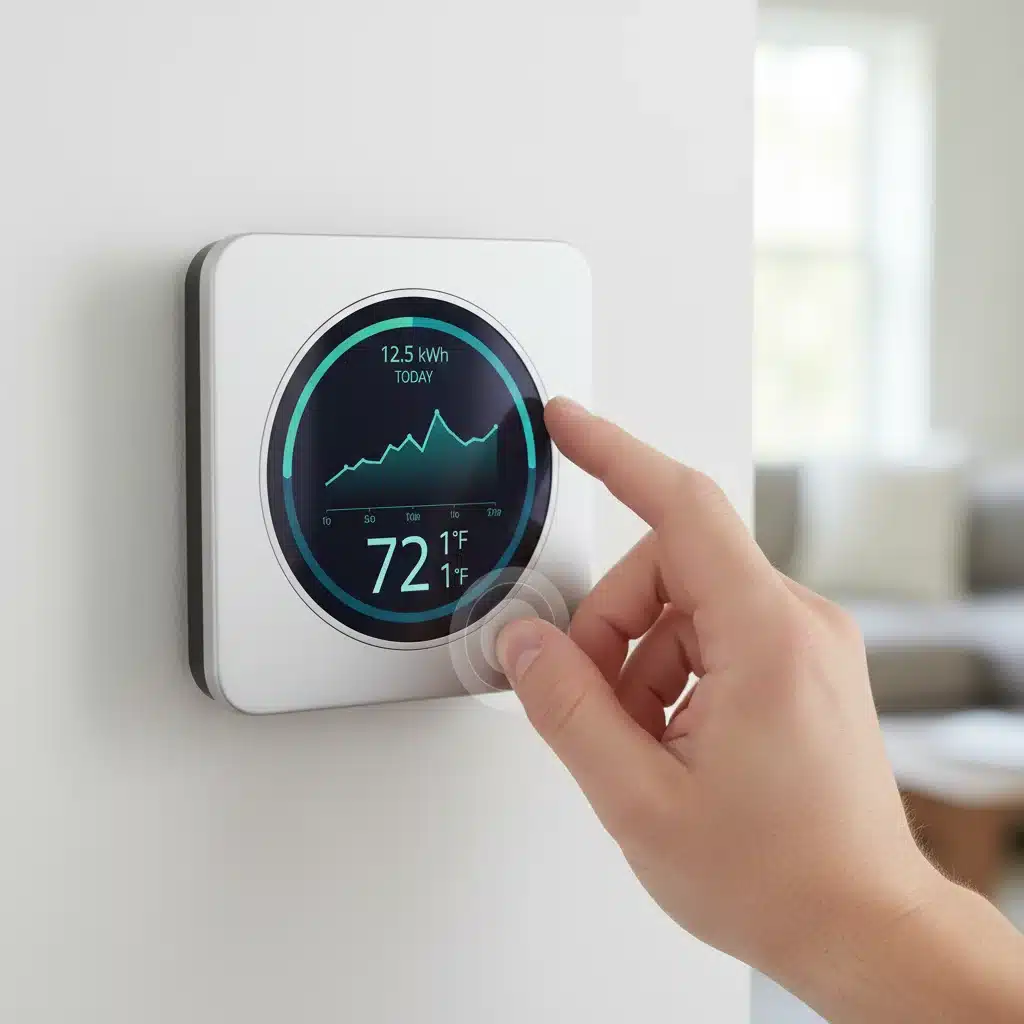
Moreover, the integration of smart thermostats takes efficiency to the next level. These devices learn your preferences, adapt to your schedule, and can be controlled remotely via smartphone apps. Features like geofencing (which adjusts temperature based on whether you’re home or away) and zoning (which allows different temperatures in different areas of your house) ensure that you’re only conditioning the spaces you’re using, when you’re using them. Predictive algorithms can even factor in weather forecasts to pre-condition your home, further reducing peak energy consumption. Investing in a new, high-efficiency HVAC system, particularly one with a high SEER (Seasonal Energy Efficiency Ratio) or HSPF (Heating Seasonal Performance Factor) rating, is a foundational step in achieving comprehensive home energy optimization.
The Financial and Environmental Impact of HVAC Upgrades
While the upfront cost of a new HVAC system can be substantial, the long-term benefits in terms of energy savings often outweigh the initial investment. Homeowners can expect to see a significant reduction in their monthly energy bills, with some reporting savings of 20-40%. Furthermore, many governments and utility companies offer rebates and tax credits for installing energy-efficient HVAC systems, making the upgrade even more financially attractive. From an environmental perspective, a more efficient HVAC system means fewer greenhouse gas emissions, contributing directly to climate change mitigation efforts. This makes it a win-win situation for both your budget and the planet.
2. Advanced Smart Refrigerators with Energy Star Ratings
Refrigerators run 24/7, making them a constant, albeit often overlooked, energy consumer. As we approach 2026, the evolution of refrigerators focuses not just on smart features but also on groundbreaking energy efficiency. Upgrading to an advanced smart refrigerator with a high Energy Star rating is a simple yet impactful way to contribute to home energy optimization.
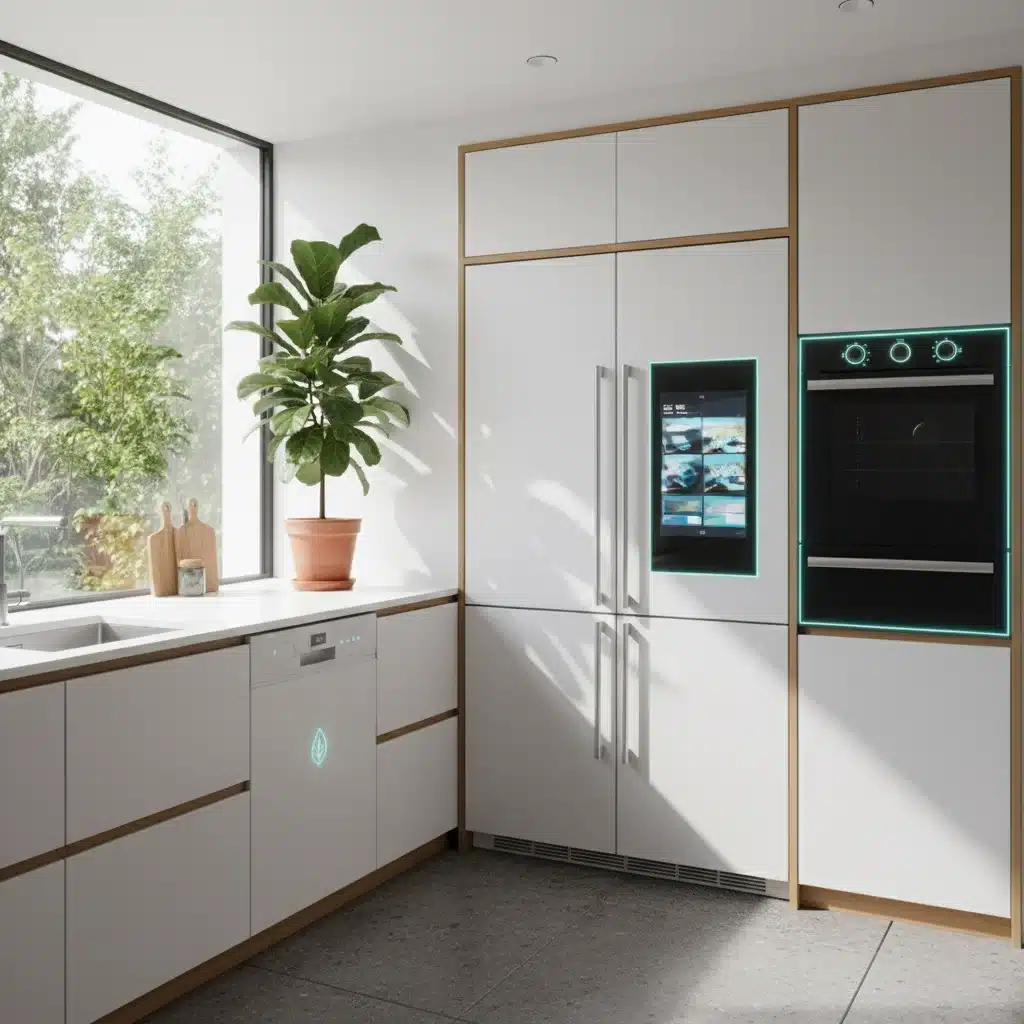
Today’s smart refrigerators go far beyond simply keeping food cold. They incorporate sophisticated insulation materials, highly efficient compressors, and advanced temperature management systems that minimize energy waste. Many models feature external displays that provide energy consumption data, allowing you to monitor and adjust settings for optimal performance. Vacation modes, which reduce power consumption when you’re away, are also becoming standard.
Beyond basic efficiency, smart refrigerators offer features that indirectly lead to energy savings. Internal cameras allow you to check contents from your smartphone while at the grocery store, preventing unnecessary purchases and reducing food waste (which also has an energy footprint). Some models can even suggest recipes based on available ingredients, helping you use what you have efficiently. The integration with smart home platforms means your refrigerator can communicate with other appliances, potentially optimizing defrost cycles during off-peak energy hours or alerting you to open doors. Choosing an Energy Star certified model ensures that your new refrigerator meets stringent energy efficiency guidelines, guaranteeing lower operating costs over its lifespan.
The Evolution of Refrigerator Technology for Efficiency
Manufacturers are continually innovating to push the boundaries of refrigerator efficiency. Features like door-in-door designs reduce the loss of cold air when accessing frequently used items. Advanced sensors monitor internal temperatures more accurately, adjusting compressor cycles only when necessary. Furthermore, the move towards natural refrigerants with lower global warming potential is another step in making these essential appliances more environmentally friendly. By embracing these cutting-edge technologies, homeowners can achieve significant strides in their overall home energy optimization strategy, enjoying fresher food and lower bills simultaneously.
3. Smart Water Heaters: On-Demand Efficiency
Water heating is typically the second-largest energy expense in a home, accounting for a significant portion of your utility bills. Traditional tank water heaters constantly heat and reheat a large volume of water, regardless of demand. By 2026, transitioning to a smart water heater, particularly a tankless or hybrid model, will be a crucial step for comprehensive home energy optimization.
Tankless water heaters, also known as on-demand water heaters, only heat water when you need it. This eliminates the standby energy losses associated with conventional tanks, where heated water slowly cools down and needs to be reheated. While they have a higher upfront cost, the energy savings over their lifespan can be substantial, often ranging from 20-30% or even more, depending on your water usage habits.
Hybrid water heaters combine the best features of conventional and tankless systems. They use a heat pump to extract heat from the ambient air and transfer it to the water, making them significantly more efficient than electric resistance tank heaters. Smart features in both tankless and hybrid models allow for remote control, scheduling of heating cycles, and even learning your hot water usage patterns to pre-heat water only when anticipated. Some smart water heaters can integrate with your home energy management system, allowing them to operate during off-peak electricity hours when rates are lower. This intelligent management of hot water production is a powerful tool for home energy optimization, providing comfort without continuous energy waste.
Choosing the Right Smart Water Heater for Your Needs
When considering a smart water heater upgrade, factors like household size, peak hot water demand, and fuel type (electric, natural gas, propane) will influence your choice. Tankless models are excellent for homes with consistent, but not necessarily simultaneous, hot water needs. Hybrid heat pump water heaters are particularly well-suited for warmer climates or homes with adequate space for installation, as they require ambient air to operate efficiently. Consulting with a qualified professional can help you determine the best smart water heating solution for your specific home, ensuring maximum efficiency and comfort while significantly reducing your energy footprint. The long-term savings and environmental benefits make this upgrade a wise investment for any forward-thinking homeowner.
4. Energy-Efficient Laundry Appliances: Washers and Dryers
Laundry is a regular household chore that can consume a surprising amount of energy, especially with older, inefficient machines. As we move towards 2026, upgrading to energy-efficient smart washers and dryers is a straightforward yet impactful way to achieve significant home energy optimization.
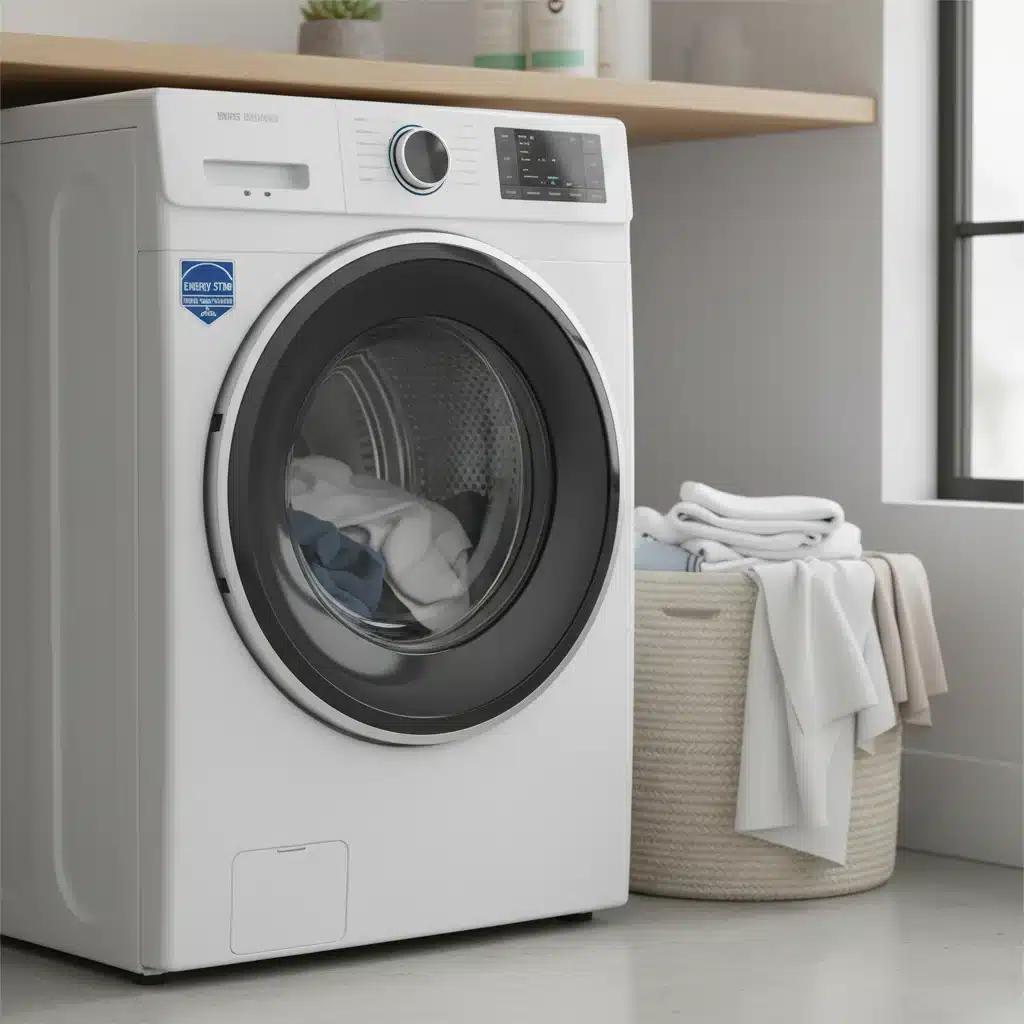
Modern high-efficiency (HE) washing machines use significantly less water and energy than their conventional counterparts. Front-loading washers, in particular, are known for their superior efficiency, using less water and requiring less energy to heat that water. Many HE washers also boast advanced features like load-sensing technology, which adjusts water levels based on the size of the load, and steam cycles for better cleaning with less water. Smart versions of these machines can connect to your home Wi-Fi, allowing you to start cycles remotely, receive notifications when laundry is done, and even download specialized wash cycles. Some can also integrate with your utility provider to run cycles during off-peak hours, further reducing costs.
For dryers, heat pump dryers are emerging as a game-changer in energy efficiency. Unlike traditional dryers that vent hot, moist air outside, heat pump dryers recirculate air, extracting moisture and reusing the heat. This process significantly reduces energy consumption, often by 30-50% compared to conventional electric dryers. While they may take slightly longer to dry clothes, the energy savings are substantial. Smart dryers often include moisture sensors that automatically shut off the machine when clothes are dry, preventing over-drying and saving energy. They can also connect with smart washers to suggest optimal drying cycles based on the wash load. Together, these smart and efficient laundry appliances can dramatically reduce your home’s energy consumption, making laundry day less impactful on your utility bills and the environment.
Maximizing Laundry Efficiency Beyond Appliances
Beyond the appliances themselves, adopting smart laundry habits can further enhance home energy optimization. Washing clothes in cold water whenever possible drastically reduces the energy needed for heating. Running full loads minimizes the number of cycles, saving both water and electricity. Using the high-speed spin cycle in your washer can extract more water, reducing drying time. For dryers, cleaning the lint filter after every load improves airflow and efficiency. Combining these smart habits with energy-efficient appliances creates a powerful synergy for reducing your home’s overall energy footprint, proving that even everyday tasks can contribute to a more sustainable lifestyle.
5. Smart Induction Cooktops and Ovens
The kitchen is often considered the heart of the home, and cooking appliances are central to its function. As we look towards 2026, upgrading to smart induction cooktops and highly efficient ovens is becoming an increasingly attractive option for those serious about home energy optimization. These technologies offer superior performance, safety, and significant energy savings compared to traditional gas or electric coil stoves.
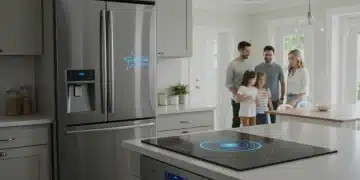
Induction cooktops work by creating an electromagnetic field that directly heats the cookware itself, rather than heating the cooktop surface. This means virtually no heat is lost to the surrounding air, making them incredibly efficient – often up to 90% efficient, compared to 40-50% for gas and 60-70% for electric coil stoves. The precise temperature control, rapid heating, and instant cool-down features also enhance the cooking experience. Smart induction cooktops can be controlled via an app, allowing you to preheat, adjust settings, and monitor cooking progress remotely. Some even offer guided cooking programs or integrate with smart kitchen hubs.
Modern ovens are also becoming increasingly energy efficient. Convection ovens, which use fans to circulate hot air, cook food more evenly and often faster, reducing cooking times and energy consumption. Smart ovens take this a step further, allowing for remote preheating, precise temperature management, and integration with recipe apps. Features like self-cleaning modes that use less energy or steam cleaning options are also becoming more common. For optimal home energy optimization, look for ovens with excellent insulation and multiple cooking modes that allow for tailored energy use. Transitioning from gas to induction also eliminates indoor air pollution associated with gas combustion, contributing to a healthier home environment.
The Benefits of Smart Cooking for Energy and Health
The advantages of smart induction cooktops and efficient ovens extend beyond just energy savings. The precise temperature control of induction cooking prevents food from burning and allows for more consistent results. The lack of open flames or hot coils makes induction cooktops safer, especially for households with children. Furthermore, by moving away from fossil fuels for cooking, you reduce your home’s reliance on non-renewable energy sources and improve indoor air quality. This holistic approach to kitchen appliance upgrades not only contributes to significant home energy optimization but also enhances safety, convenience, and overall well-being in your home.
The Integrated Smart Home Ecosystem for Ultimate Home Energy Optimization
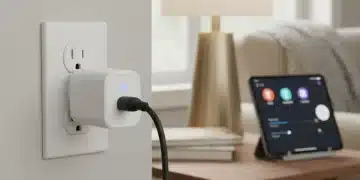
While upgrading individual appliances is crucial, the true power of home energy optimization in 2026 lies in the seamless integration of these smart devices into a unified ecosystem. Imagine a home where your smart thermostat communicates with your smart blinds to prevent heat gain, or where your energy-efficient water heater prioritizes heating cycles based on your solar panel’s energy production. This level of interconnectedness transforms your home into an intelligent, adaptive organism that constantly works to minimize energy waste.
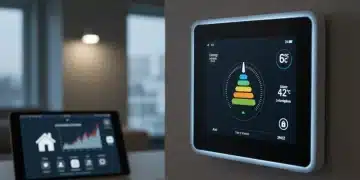
Central to this ecosystem are smart home hubs and energy management systems. These platforms act as the brain of your smart home, allowing all your compatible appliances to communicate and operate in harmony. Through a single interface, you can monitor real-time energy consumption across all devices, identify energy hogs, and set automated rules to optimize usage. For instance, you could program your smart laundry machines to only run when electricity prices are lowest, or have your smart refrigerator alert you if the door is left ajar.
The integration of renewable energy sources, such as solar panels, further amplifies the benefits. A smart home energy management system can prioritize the use of self-generated solar power for high-demand appliances, reducing your reliance on the grid and maximizing your energy independence. Battery storage solutions can store excess solar energy to be used during peak demand times or at night, creating a truly resilient and energy-efficient home. This holistic approach is not just about saving money; it’s about creating a sustainable, self-sufficient living environment that is prepared for the energy challenges of the future.
Navigating the Future of Home Energy
As technology continues to advance, the opportunities for home energy optimization will only grow. Artificial intelligence and machine learning are already being integrated into smart home systems, allowing them to learn and adapt to your habits with even greater precision. Predictive analytics will anticipate your energy needs, while advanced sensors will detect inefficiencies before they become problems. Staying informed about these emerging technologies and planning your appliance upgrades strategically will ensure your home remains at the forefront of energy efficiency. The journey towards a truly optimized home is continuous, but with these critical updates, you’ll be well on your way to a more sustainable, comfortable, and cost-effective living space.
Conclusion: Embracing a Smarter, Greener Home by 2026
The landscape of home energy consumption is rapidly changing, driven by technological innovation and a growing awareness of environmental responsibility. By focusing on these five critical appliance updates – smart, energy-efficient HVAC systems, advanced smart refrigerators, smart water heaters, energy-efficient laundry appliances, and smart induction cooktops and ovens – homeowners can make substantial strides in home energy optimization by 2026.
These upgrades are more than just replacements; they are investments in a smarter, more sustainable future. They promise not only significant reductions in utility bills but also enhanced comfort, convenience, and a reduced carbon footprint. The integration of these intelligent appliances into a cohesive smart home ecosystem unlocks their full potential, creating a living environment that is responsive, efficient, and environmentally conscious.
As you plan your home improvements, prioritize these energy-saving solutions. Research the best Energy Star rated models, explore available rebates and incentives, and consider how each upgrade fits into your overall vision for a truly optimized home. The future of home living is efficient, smart, and sustainable, and by embracing these critical appliance updates, you can ensure your home is ready for what 2026 and beyond have to offer. Start your journey towards a greener, more cost-effective home today, and reap the benefits for years to come.