2026 Energy Star Appliance Upgrades: Slash Your Utility Bills by 15% This Year with Latest Models
2026 Energy Star Appliance Upgrades: Slash Your Utility Bills by 15% This Year with Latest Models
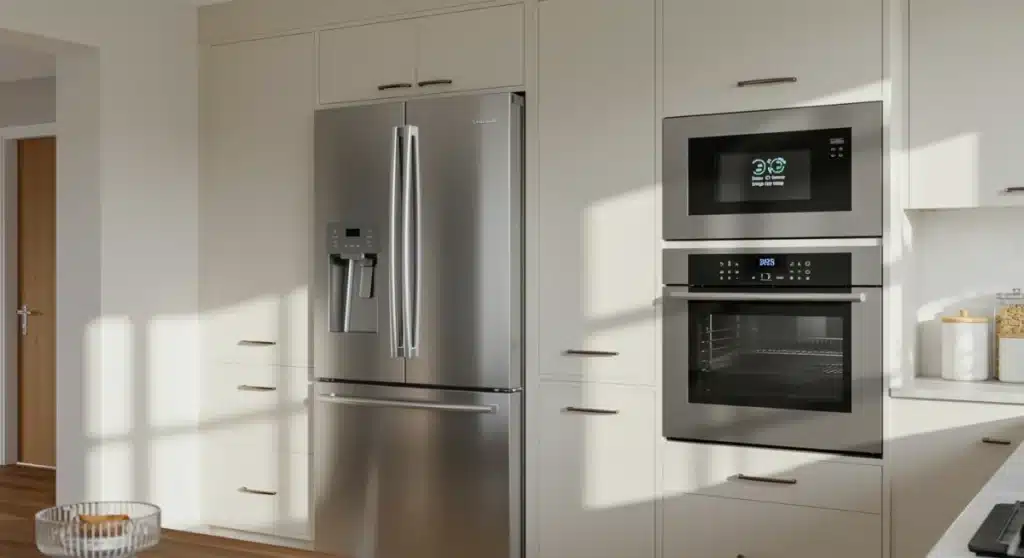
In an era where sustainability and cost-effectiveness go hand-in-hand, upgrading your home appliances to the latest Energy Star Appliances is not just an environmental choice, but a financially savvy one. With the 2026 models hitting the market, consumers have an unprecedented opportunity to significantly reduce their utility bills, often by 15% or more, while enjoying cutting-edge technology and enhanced performance. This comprehensive guide will delve into why now is the perfect time to make the switch, what to look for in the new generation of appliances, and how to maximize your savings.
The Imperative of Energy Efficiency: Why 2026 is Your Year for Energy Star Appliances
The rising cost of electricity and natural gas continues to put a strain on household budgets. Simultaneously, global efforts to combat climate change necessitate a shift towards more sustainable energy consumption. Energy Star Appliances address both these concerns head-on. The Energy Star program, a joint initiative of the U.S. Environmental Protection Agency (EPA) and the U.S. Department of Energy (DOE), identifies and labels products that meet strict energy efficiency guidelines.
For 2026, these guidelines have become even more stringent, pushing manufacturers to innovate further. This means the new crop of Energy Star Appliances are not just incrementally better; many boast significant leaps in efficiency, incorporating advanced technologies that were once considered futuristic. By choosing these models, you’re not just buying an appliance; you’re investing in a smarter, more sustainable, and more economical home.
Understanding the 15% Savings Potential
The promise of slashing your utility bills by 15% isn’t an exaggeration. This figure is often a conservative estimate, especially if you’re replacing older, inefficient appliances. Consider the cumulative effect:
- Refrigerators: An older refrigerator can consume up to three times more energy than a new Energy Star model.
- Dishwashers: Modern Energy Star dishwashers use significantly less water and electricity, thanks to advanced sensor technology and improved spray arms.
- Washing Machines: High-efficiency Energy Star washing machines use less water, which in turn means less energy to heat that water, leading to substantial savings.
- HVAC Systems: Upgrading to an Energy Star certified heating and cooling system can be one of the most impactful changes, given that these systems are often the largest energy consumers in a home.
- Water Heaters: Tankless or heat pump Energy Star water heaters offer incredible efficiency gains over traditional tank models.
When you replace multiple outdated appliances with their 2026 Energy Star counterparts, the combined effect on your monthly utility statement becomes truly remarkable. These savings accumulate over the lifespan of the appliance, often paying back the initial investment many times over.
Key Innovations in 2026 Energy Star Appliances
What makes the 2026 lineup of Energy Star Appliances so special? Manufacturers have focused on several key areas to achieve higher efficiency and better user experience:
Smart Technology Integration
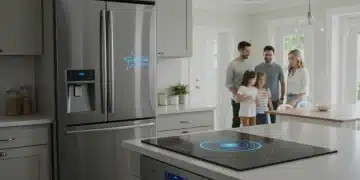
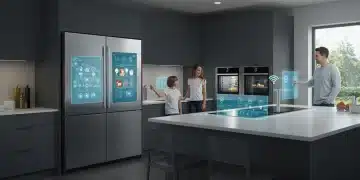
The integration of smart technology is perhaps the most significant trend. Many 2026 Energy Star Appliances come equipped with Wi-Fi connectivity, allowing for remote control, monitoring, and even predictive maintenance. Imagine:
- Smart Refrigerators: Monitoring inventory, suggesting recipes, and alerting you if the door is left ajar. Some even have internal cameras to check contents remotely.
- Smart Dishwashers: Automatically selecting the most efficient cycle based on soil level and time-of-use electricity rates.
- Smart Washing Machines and Dryers: Sensing fabric types, optimizing water and detergent usage, and even communicating with each other to suggest optimal drying cycles.
- Smart HVAC Systems: Learning your preferences, adjusting temperatures based on occupancy, and integrating with weather forecasts to pre-cool or pre-heat your home efficiently.
These smart features not only enhance convenience but also actively contribute to energy savings by optimizing usage patterns and preventing wasteful operation.
Advanced Insulation and Sealing
For appliances like refrigerators, freezers, and ovens, improved insulation and sealing are crucial. 2026 Energy Star Appliances utilize cutting-edge insulation materials and design techniques to minimize heat transfer, ensuring that internal temperatures remain stable with less energy input. This translates to refrigerators that run less often and ovens that retain heat more effectively.
Variable Speed Motors and Inverters
Many new Energy Star Appliances, especially washing machines, dishwashers, and HVAC units, incorporate variable-speed motors and inverter technology. Unlike traditional motors that operate at a single speed (either on or off), variable-speed motors can adjust their output to match the demand. This leads to:
- Reduced energy consumption, as the appliance only uses the power it needs.
- Quieter operation.
- Longer lifespan for the motor.
Enhanced Sensor Technology
Sensors are the brains behind many of the efficiency gains. Modern Energy Star Appliances use an array of sensors to:
- Detect soil levels in dishwashers.
- Determine load size and fabric type in washing machines.
- Monitor refrigerant levels and ambient temperatures in refrigerators and HVAC systems.
- Track humidity levels in dryers to prevent over-drying.
This data allows the appliance to precisely tailor its operation, avoiding unnecessary energy expenditure.
Choosing the Right 2026 Energy Star Appliances for Your Home
With so many options available, selecting the right Energy Star Appliances can seem daunting. Here’s a breakdown of what to consider for common household appliances:
Refrigerators and Freezers
- Configuration: Top-freezer models are generally the most energy-efficient, followed by bottom-freezer and then side-by-side.
- Features: Look for features like through-the-door ice and water dispensers, which can be less efficient if not properly designed. Newer Energy Star models often mitigate this with advanced insulation.
- Size: Choose a size appropriate for your household needs. An oversized refrigerator will consume more energy than necessary.
Dishwashers
- Water Efficiency: Beyond energy, water usage is a significant factor. Look for models with low gallons per cycle (GPC) ratings.
- Wash Cycles: Sensor-based wash cycles automatically adjust water and temperature based on the soil level, optimizing efficiency.
- Drying Method: Energy Star dishwashers often use passive drying methods (like condensation drying) instead of heated drying, saving considerable energy.
Washing Machines and Dryers
- Front-Load vs. Top-Load: Front-load Energy Star washing machines are typically more efficient than top-load agitator models, using less water and extracting more water during the spin cycle, which reduces drying time.
- Capacity: Match the capacity to your typical load sizes to avoid running half-empty cycles.
- Heat Pump Dryers: While a larger upfront investment, heat pump dryers are significantly more energy-efficient than conventional electric dryers, as they recirculate air rather than venting heated air.
Ovens and Ranges
While often not the largest energy hogs, Energy Star certified ovens and ranges focus on efficient heating and insulation. Look for:
- Convection Technology: Circulates hot air for faster, more even cooking, reducing energy consumption.
- Induction Cooktops: Highly efficient as they heat the cookware directly, minimizing heat loss to the surrounding air.
- Self-Cleaning Features: Can be energy intensive, so consider models with advanced insulation that make self-cleaning more efficient.
Water Heaters
This is an area where significant savings can be made.
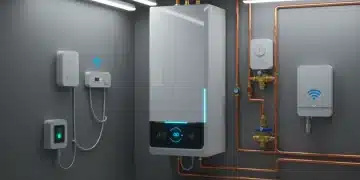
- Heat Pump Water Heaters: Use electricity to move heat from one place to another instead of generating heat directly, making them incredibly efficient.
- Tankless Water Heaters: Heat water on demand, eliminating standby energy losses associated with traditional tank models.
HVAC Systems (Furnaces, Air Conditioners, Heat Pumps)
Your heating and cooling system is likely your home’s biggest energy user. Upgrading to an Energy Star certified system can lead to massive savings.
- SEER2 and HSPF2 Ratings: Look for high Seasonal Energy Efficiency Ratio 2 (SEER2) for air conditioners and heat pumps, and Heating Seasonal Performance Factor 2 (HSPF2) for heat pumps.
- AFUE Rating: For furnaces, look for a high Annual Fuel Utilization Efficiency (AFUE) rating.
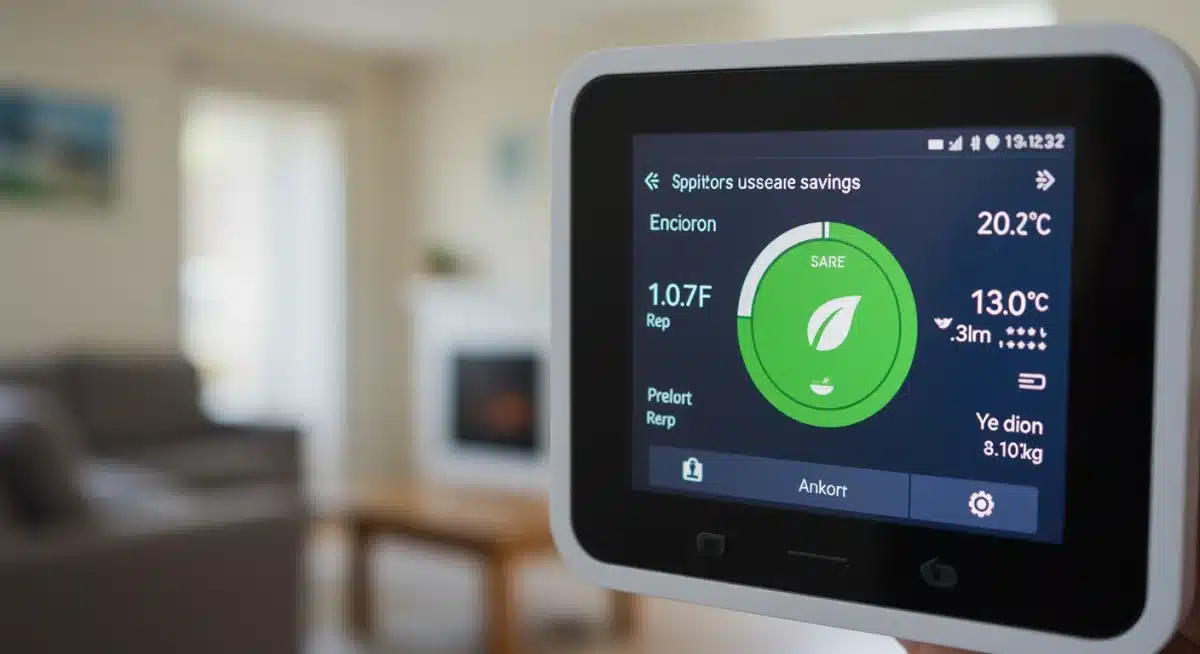
- Smart Thermostats: Crucial for optimizing your HVAC system’s performance.
Financial Incentives and Tax Credits for Energy Star Appliances
The upfront cost of new appliances can be a deterrent, but numerous financial incentives can help offset this expense, making the switch even more appealing. These incentives are often updated, so it’s crucial to check current offerings.
Federal Tax Credits
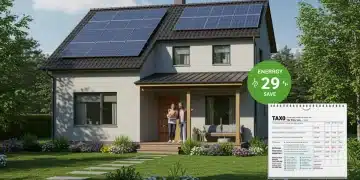
The U.S. government frequently offers federal tax credits for certain energy-efficient home improvements, including the purchase and installation of Energy Star certified HVAC systems, water heaters, and insulation. These credits can significantly reduce your tax liability for the year you make the purchase.
State and Local Rebates
Many states, counties, and even cities offer their own rebate programs for purchasing Energy Star Appliances. These can range from direct cash rebates to discounts at participating retailers. Utility companies are also a common source of rebates, as they benefit from reduced demand on the grid.
Manufacturer Rebates and Promotions
Keep an eye out for promotions directly from appliance manufacturers. They often offer rebates or special financing deals, especially around holidays or during appliance sales events. Combining these with federal, state, and utility incentives can lead to substantial overall savings.
How to Find and Apply for Incentives:
- Energy Star Website: The official Energy Star website (energystar.gov) has a comprehensive tool to search for rebates and special offers in your zip code.
- Utility Company: Check your local utility provider’s website or contact their customer service for information on current rebate programs.
- Retailers: Appliance retailers are often knowledgeable about available incentives and can sometimes help you navigate the application process.
- Tax Professional: Consult with a tax professional to understand how federal tax credits apply to your specific situation.
By taking advantage of these incentives, the net cost of upgrading to 2026 Energy Star Appliances can be surprisingly low, accelerating your payback period and increasing your overall return on investment.
Beyond the Purchase: Maximizing Savings with Your New Energy Star Appliances
Simply buying Energy Star Appliances is the first step. To truly slash your utility bills by 15% or more, you need to use them efficiently. Here are some tips:
Proper Installation and Maintenance
Incorrect installation can negate many of the efficiency benefits. Ensure professional installation for complex appliances like HVAC systems and water heaters. Regular maintenance is also key:
- Clean Refrigerator Coils: Annually cleaning the coils on your refrigerator can improve its efficiency.
- Replace HVAC Filters: Change air filters regularly (every 1-3 months) to ensure optimal airflow and efficiency.
- Clean Dishwasher Filters: Prevent food particles from clogging your dishwasher’s filter, which can reduce its cleaning effectiveness and efficiency.
Smart Usage Habits
- Full Loads: Run your dishwasher and washing machine only when they are full.
- Lower Water Temperatures: Most laundry can be effectively cleaned with cold or warm water, saving energy on heating.
- Air Drying: Whenever possible, air dry dishes and clothes to save energy.
- Optimal Refrigerator Temperature: Set your refrigerator to 37-40°F (3-4°C) and your freezer to 0°F (-18°C) for optimal food preservation and energy use.
- Smart Thermostat Scheduling: Utilize the programmable features of your smart thermostat to adjust temperatures when you’re away or asleep.
Integrating with a Smart Home Ecosystem
Many 2026 Energy Star Appliances are designed to integrate seamlessly into a broader smart home ecosystem. This allows for centralized control and automation, further enhancing energy efficiency. For example:
- Your smart thermostat can communicate with your smart blinds to reduce heat gain on sunny days.
- Your smart energy monitor can track the energy consumption of individual appliances, helping you identify areas for further savings.
- Voice assistants can control multiple appliances, making it easier to manage your home’s energy use.
The Environmental Impact of Choosing Energy Star Appliances
Beyond the personal financial benefits, opting for Energy Star Appliances has a significant positive impact on the environment.
- Reduced Greenhouse Gas Emissions: Less energy consumption means less electricity generated from fossil fuels, leading to a reduction in carbon dioxide and other greenhouse gas emissions.
- Lower Water Usage: Many Energy Star certified appliances, particularly dishwashers and washing machines, also excel in water efficiency, contributing to water conservation efforts.
- Support for Sustainable Manufacturing: By choosing Energy Star products, you are supporting manufacturers who invest in sustainable practices and product development.
Your decision to upgrade contributes to a larger movement towards a greener, more sustainable future, making you an active participant in environmental stewardship.
Looking Ahead: The Future of Energy Star Appliances
The evolution of Energy Star Appliances is continuous. As we move beyond 2026, we can expect even more sophisticated technologies and stricter efficiency standards. Future trends may include:
- Even Deeper AI Integration: Appliances that learn your habits and optimize energy use with minimal input.
- Enhanced Materials: Development of new materials for insulation and components that further reduce energy loss.
- Grid Integration: Appliances that can communicate with the energy grid to run during off-peak hours or even contribute back to the grid during peak demand.
- Circular Economy Principles: Greater emphasis on durability, repairability, and recyclability to minimize waste.
Staying informed about these advancements will allow you to continue making smart choices for your home and budget.
Conclusion: Make the Switch to 2026 Energy Star Appliances Today
The opportunity to slash your utility bills by 15% or more in 2026 through Energy Star Appliance upgrades is clear and compelling. With advancements in smart technology, improved efficiency ratings, and a host of financial incentives, there has never been a better time to invest in your home’s future. Not only will you enjoy significant cost savings, but you’ll also contribute to a healthier planet and experience the convenience of modern, high-performing appliances.
Start your research today, explore the latest 2026 Energy Star Appliances, and take the proactive step towards a more energy-efficient and economical home. Your wallet and the environment will thank you.