The 2026 Guide to Home Energy Audits: Uncovering Hidden Waste and Saving Up to $500 Annually
In an era where sustainability and cost-efficiency are paramount, understanding your home’s energy consumption is no longer a luxury but a necessity. The year 2026 brings with it advancements in technology and a renewed focus on environmental responsibility, making a home energy audit more crucial than ever. For many homeowners, the idea of a home energy audit might seem daunting or unnecessary, but the reality is that it’s one of the most effective ways to identify hidden inefficiencies, reduce your carbon footprint, and, most importantly, save a significant amount of money on your utility bills – potentially up to $500 annually.
This comprehensive guide will walk you through everything you need to know about conducting a home energy audit in 2026, from understanding its benefits to performing both DIY checks and knowing when to call in the professionals. We’ll explore the latest technologies, common energy culprits, and actionable steps you can take to transform your home into an energy-efficient haven. Prepare to unlock substantial savings and enjoy a more comfortable living environment.
What is a Home Energy Audit and Why is it Essential in 2026?
A home energy audit, sometimes referred to as an energy assessment, is a systematic evaluation of your home’s energy performance. It’s designed to pinpoint areas where your home is losing energy, identify inefficient appliances, and recommend specific improvements to enhance overall energy efficiency. In 2026, with the increasing cost of energy and a heightened awareness of climate change, these audits have evolved to incorporate cutting-edge diagnostic tools and sophisticated analytical methods.
The primary goal of a home energy audit is to provide you with a clear roadmap for reducing energy consumption. This isn’t just about turning off lights; it’s about understanding the intricate dance between your home’s structure, its systems (HVAC, water heater, etc.), and your daily habits. By identifying where energy is being wasted, you can make informed decisions that lead to tangible savings and a more sustainable lifestyle.
The Evolving Landscape of Energy Efficiency
The energy landscape in 2026 is dynamic. Smart home technologies are more integrated, renewable energy sources are becoming more accessible, and building codes are increasingly stringent regarding energy performance. A home energy audit today considers these factors, providing recommendations that are not only effective but also align with future trends and potential incentives. It’s no longer just about fixing drafts; it’s about optimizing your entire energy ecosystem.
Beyond Savings: The Multifaceted Benefits of an Energy Audit
While financial savings are a significant driver, the benefits of a comprehensive home energy audit extend far beyond your wallet. Improved indoor air quality, enhanced comfort levels (no more cold spots!), increased home value, and a reduced environmental impact are all direct outcomes of addressing energy inefficiencies. Furthermore, many governments and utility companies offer rebates and incentives for homeowners who undertake energy efficiency upgrades identified during an audit, further boosting your return on investment.
The DIY Home Energy Audit: Your First Step to Savings
Before investing in a professional audit, a DIY home energy audit can provide valuable insights and help you address some of the most common energy culprits. This hands-on approach empowers you to become more aware of your home’s energy patterns and often uncovers issues that are easy and inexpensive to fix. Here’s how to get started:
1. The Visual Inspection: Look for the Obvious
- Check for Air Leaks: Walk around your home, both inside and out, on a windy day. Pay close attention to windows, doors, electrical outlets, plumbing penetrations, and where the wall meets the foundation or roof. You might feel drafts or see curtains moving. Use a lit incense stick or a feather to detect subtle air movements.
- Inspect Insulation: Head to your attic, basement, and crawl spaces. Is your insulation adequate and properly installed? Look for areas where insulation is compressed, damp, or missing. In 2026, many homes still lack sufficient insulation, especially in older constructions.
- Examine Windows and Doors: Check the caulking and weatherstripping around all windows and doors. Are there cracks or gaps? Do they seal tightly when closed?
- Look at Your Appliances: Note the age and condition of your major appliances (refrigerator, dishwasher, washer/dryer, oven). Older models are typically less energy-efficient. Check for ENERGY STAR labels on newer appliances.
- Outdoor Check: Inspect exterior walls for cracks or openings, especially around utility lines and vents.
2. The Energy Bill Analysis: Your Consumption Fingerprint
Gather your utility bills from the past 12-24 months. Look for trends. Do your energy costs spike dramatically during certain seasons? This can indicate issues with heating or cooling efficiency. Compare your usage (kilowatt-hours for electricity, therms for natural gas) month-to-month and year-over-year. A sudden unexplained increase could signal a new inefficiency.
3. The Appliance Power Test: Identify Energy Hogs
Consider purchasing a plug-in power meter (also known as a watt meter or energy usage monitor). These inexpensive devices allow you to measure the actual electricity consumption of individual appliances. Plug an appliance into the meter, and then plug the meter into the wall. You’ll be surprised at which devices consume the most power, even when on standby (phantom load).
4. Water Heater Check: Hot Water, Hidden Costs
Check the temperature setting on your water heater. Most homes don’t need it set higher than 120°F (49°C). For every 10-degree reduction, you can save 3-5% on your water heating costs. Also, inspect for leaks around the tank and pipes.
5. Lighting Audit: The Bright Side of Savings
Go through your home and note all the light bulbs. Are you still using incandescent bulbs? Switching to LEDs can drastically reduce your lighting energy consumption. In 2026, LED technology offers superior light quality and longevity.
When to Call the Professionals: The Advanced Home Energy Audit
While a DIY audit is a great starting point, a professional home energy audit offers a much deeper, more precise analysis of your home’s energy performance. Trained and certified energy auditors use specialized equipment and expertise to uncover issues that are invisible to the naked eye. This is especially recommended if you’re experiencing consistently high energy bills, uncomfortable rooms, or are planning major renovations.
What to Expect from a Professional Audit in 2026:
A professional auditor will typically perform several diagnostic tests and provide a detailed report with specific recommendations and estimated savings. Here are some of the key components:
1. Blower Door Test
This is a crucial test that measures the airtightness of your home. A powerful fan is mounted in a doorway, creating a pressure difference between the inside and outside of the house. The fan pulls air out of the house, lowering the air pressure inside. The higher outside air pressure then forces air in through all unsealed cracks and openings. The auditor can then use a smoke pencil or thermal camera to locate these leaks, which are major sources of energy waste.
2. Thermal Imaging (Infrared Camera)
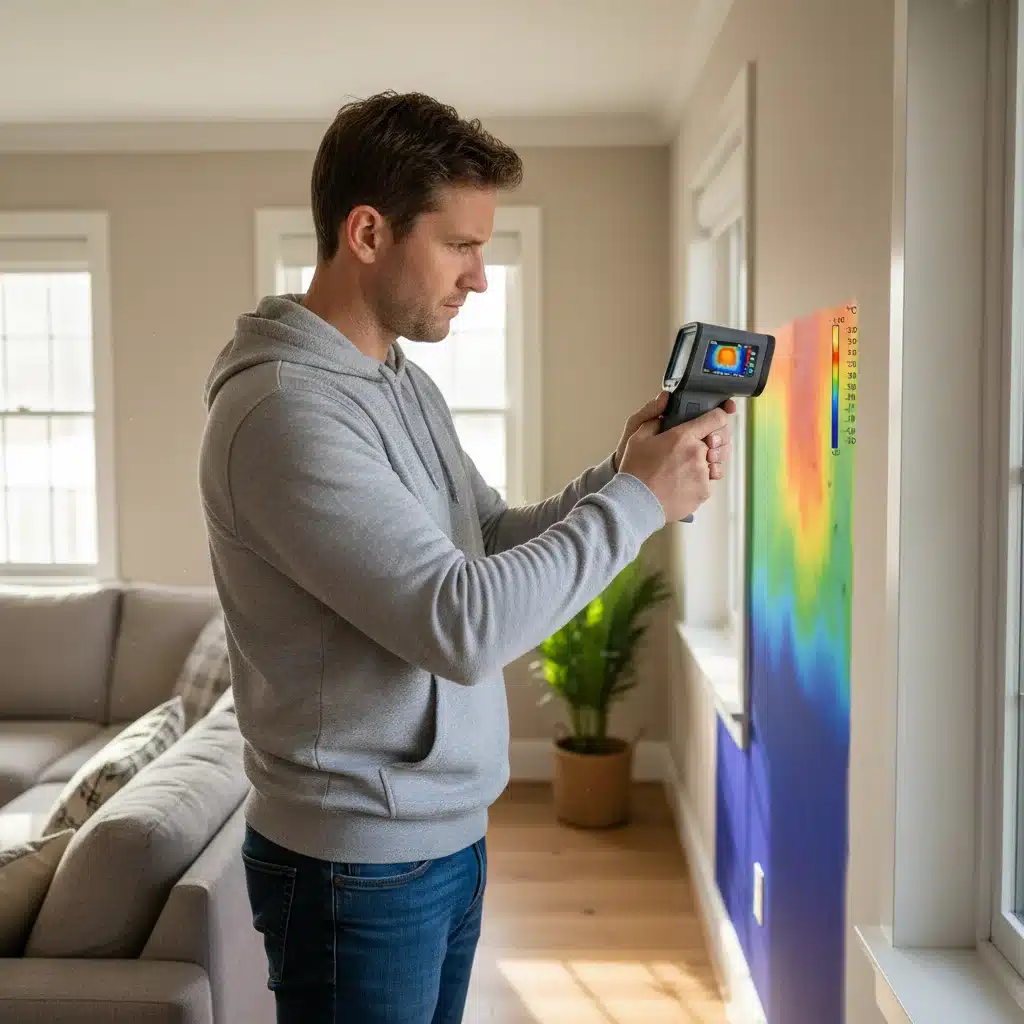
Thermal cameras are indispensable tools for identifying hidden insulation gaps, moisture problems, and air leaks. They reveal temperature differences on surfaces, making cold spots (indicating heat loss) or hot spots (indicating heat gain) visible. This technology has become more sophisticated and accurate in 2026, offering precise diagnostic capabilities.
3. HVAC System Performance Test
The auditor will inspect your heating, ventilation, and air conditioning (HVAC) system, which is often the largest energy consumer in a home. This includes checking ductwork for leaks, evaluating furnace and AC efficiency, assessing refrigerant levels, and ensuring proper airflow. They might use specialized tools to measure static pressure and temperature differentials.
4. Combustion Safety Testing
For homes with combustion appliances (furnaces, water heaters, gas stoves), the auditor will test for safe operation, ensuring there are no dangerous carbon monoxide leaks or back drafting issues. This is a critical safety component of the audit.
5. Comprehensive Report and Recommendations
After completing the tests, the auditor will provide a detailed report outlining their findings. This report typically includes:
- A list of identified energy inefficiencies.
- Specific, prioritized recommendations for improvements (e.g., sealing air leaks, adding insulation, upgrading HVAC).
- Estimated cost of each improvement.
- Projected energy savings and payback periods.
- Information on potential rebates, tax credits, or financing options available in your area for energy efficiency upgrades.
Key Areas of Energy Waste Identified by a Home Energy Audit
Understanding where energy typically escapes your home is key to effective mitigation. A home energy audit will focus on these common culprits:
1. Air Leaks and Infiltration
This is often the biggest source of energy waste. Unsealed cracks and gaps around windows, doors, foundations, attics, and utility penetrations allow conditioned air to escape and unconditioned air to enter. This forces your HVAC system to work harder, leading to higher bills. Sealing these leaks is one of the most cost-effective improvements.
2. Insufficient Insulation
Poor or inadequate insulation in attics, walls, floors, and crawl spaces allows heat to transfer easily between inside and outside. This means your home struggles to maintain a consistent temperature, requiring more energy for heating in winter and cooling in summer. The R-value (a measure of thermal resistance) of your insulation is a critical factor.
3. Inefficient HVAC Systems
Older furnaces, air conditioners, and heat pumps can be significant energy hogs. Even newer systems can be inefficient if not properly sized, installed, or maintained. Leaky ductwork is another common issue, allowing conditioned air to escape before it reaches its intended rooms.
4. Old Windows and Doors
Single-pane windows and poorly sealed doors are notorious for heat loss and gain. Upgrading to energy-efficient windows (double or triple-pane with low-emissivity coatings) and insulated doors can make a substantial difference, though this is often a more significant investment.
5. Water Heating
Heating water accounts for a significant portion of a household’s energy use. Inefficient water heaters, excessively high temperature settings, and uninsulated hot water pipes contribute to waste. Tankless water heaters and heat pump water heaters are increasingly popular energy-efficient alternatives in 2026.
6. Lighting and Appliances
While often smaller individually, collectively, inefficient lighting and appliances can add up. Older refrigerators, freezers, and entertainment systems consume more power than their modern, ENERGY STAR-rated counterparts. Phantom loads from electronics plugged in but not in use also contribute to wasted energy.
Actionable Steps After Your Home Energy Audit: Maximizing Your Savings
The true value of a home energy audit lies in the actions you take afterward. Based on the audit’s recommendations, prioritize improvements that offer the best return on investment and address the most significant energy losses. Here are some common and highly effective upgrades:
1. Seal Air Leaks (Air Sealing)
This is often the most impactful and cost-effective improvement. Use caulk for small cracks and gaps, and weatherstripping for movable components like windows and doors. Expandable foam can be used for larger gaps around pipes and wires. Don’t forget outlets and switch plates – foam gaskets can prevent drafts.
2. Enhance Insulation
Adding insulation to your attic is typically the next best step, as attics are major sources of heat loss/gain. Consider insulating walls and floors if the audit identifies these as significant problem areas. Blown-in cellulose or fiberglass insulation can be effective and relatively quick to install.
3. Optimize Your HVAC System
- Duct Sealing: Have an HVAC professional seal any leaks in your ductwork.
- Regular Maintenance: Schedule annual tune-ups for your furnace and AC.
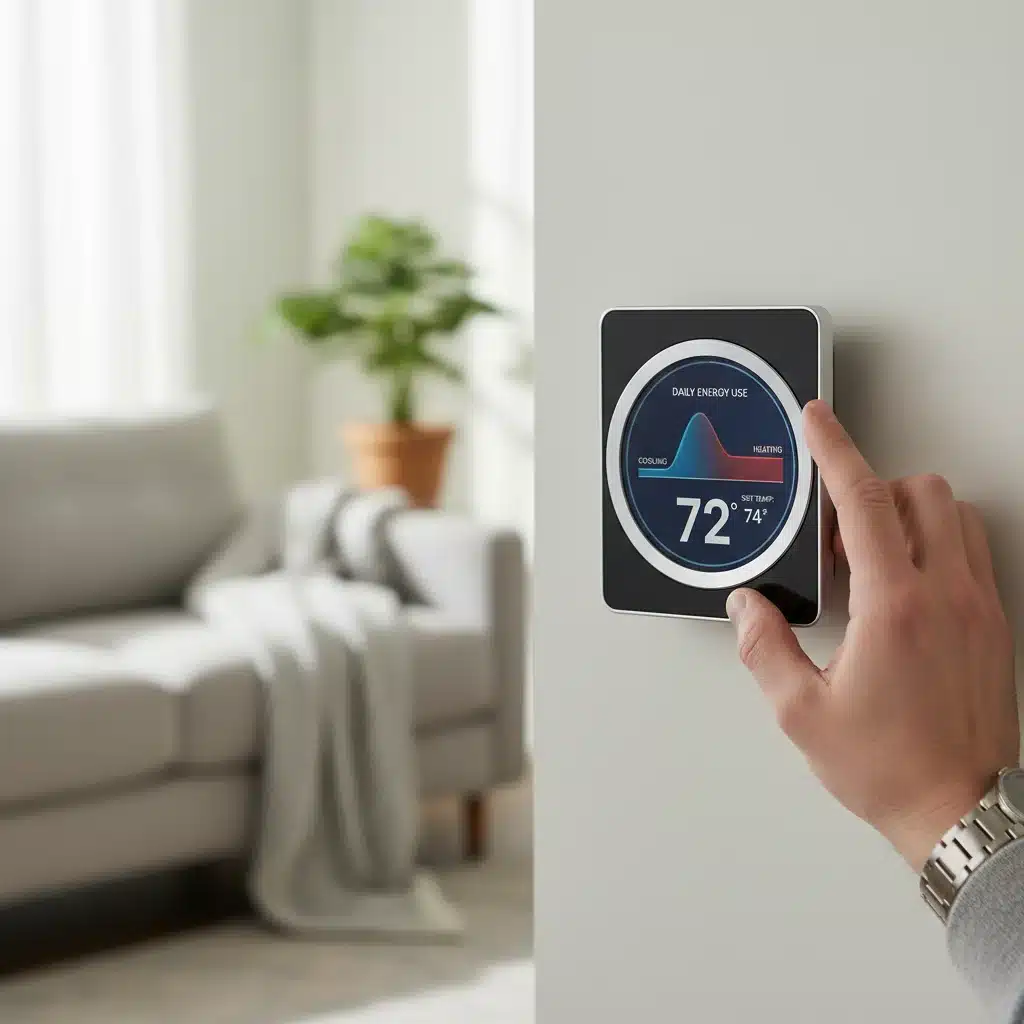
- Thermostat Upgrade: Install a smart thermostat. These devices learn your preferences, optimize heating and cooling schedules, and can be controlled remotely, leading to substantial savings.
- System Replacement: If your HVAC system is old and inefficient, consider upgrading to a high-efficiency model (e.g., ENERGY STAR certified heat pump) when it’s time for replacement.
4. Upgrade Windows and Doors
If your budget allows and the audit highlights them as major energy drains, upgrading to energy-efficient windows and doors can significantly improve comfort and reduce energy bills. Look for labels like NFRC (National Fenestration Rating Council) for performance ratings.
5. Improve Water Heating Efficiency
- Lower Temperature: Adjust your water heater thermostat to 120°F (49°C).
- Insulate Tank and Pipes: Insulate older water heater tanks and the first six feet of hot and cold water pipes connected to the heater.
- Upgrade: Consider a tankless water heater or a heat pump water heater for long-term savings.
6. Smart Lighting and Appliance Choices
- LED Lighting: Replace all incandescent bulbs with energy-efficient LEDs.
- ENERGY STAR Appliances: When purchasing new appliances, always choose ENERGY STAR certified models.
- Unplug Electronics: Use power strips with on/off switches for electronics to easily eliminate phantom loads.
Government Incentives and Rebates in 2026
As of 2026, many governments and local utility companies continue to offer attractive incentives for homeowners who invest in energy efficiency. These can include:
- Tax Credits: Federal and state tax credits for specific energy-efficient home improvements (e.g., solar panels, energy-efficient windows, heat pumps).
- Rebates: Utility companies often provide rebates for upgrading to ENERGY STAR appliances, smart thermostats, or completing comprehensive energy audits.
- Low-Interest Loans: Some programs offer financing options with favorable terms for energy efficiency upgrades.
It’s crucial to research what’s available in your specific region. Your professional energy auditor can often provide information on relevant programs, or you can check government energy websites and your local utility provider’s website.
The Future of Home Energy Audits: What’s Next?
The field of home energy audit is continuously evolving. In the coming years, we can expect even more sophisticated technologies to become standard:
- AI-Powered Diagnostics: Artificial intelligence will play a larger role in analyzing energy data, predicting consumption patterns, and recommending hyper-personalized solutions.
- Drone Inspections: Drones equipped with thermal cameras and other sensors could become more common for quick, comprehensive exterior building envelope assessments.
- Integrated Smart Home Systems: Energy audits will become more seamlessly integrated with smart home ecosystems, allowing for continuous monitoring and automated adjustments to optimize energy use.
- Predictive Maintenance: AI could analyze appliance usage and performance data to predict potential failures or inefficiencies before they become major problems.
By embracing these advancements and regularly assessing your home’s energy performance, you’re not just saving money; you’re contributing to a more sustainable future and enhancing the comfort and value of your home.
Conclusion: Your Path to an Energy-Efficient Future
Embarking on a home energy audit journey in 2026 is one of the most proactive steps you can take as a homeowner. Whether you start with a thorough DIY inspection or opt for a professional assessment, the insights gained are invaluable. By identifying and addressing hidden energy waste, you stand to save up to $500 annually on your utility bills, enjoy a more comfortable living space, and significantly reduce your environmental impact.
The investment in time and resources for an audit and subsequent upgrades pays dividends in the long run, both financially and environmentally. Don’t let your hard-earned money escape through leaky windows or poorly insulated walls. Take control of your home’s energy destiny today, and step into a more efficient, sustainable, and comfortable future.