In an era defined by technological advancement and increasing environmental consciousness, the way we manage our home energy consumption is undergoing a profound transformation. Gone are the days of receiving a surprisingly high utility bill at the end of the month with no clear understanding of where all that energy went. Welcome to the age of Smart Energy Monitoring systems, a revolutionary approach that puts the power of insight and control directly into your hands. As we look towards 2026, these systems are not just a luxury but a necessity for anyone serious about reducing their carbon footprint and, perhaps more immediately, their monthly expenses. Imagine being able to track your energy usage in real-time, identify energy vampires, and make informed decisions that could lead to significant savings – potentially up to 18% on your electricity bills. This isn’t a futuristic dream; it’s the tangible reality offered by the latest advancements in Smart Energy Monitoring technology.
The concept of Smart Energy Monitoring revolves around sophisticated devices and software that collect, analyze, and present data on your household’s energy consumption. From individual appliances to your entire home’s electrical grid, these systems provide granular insights that were previously unavailable to the average consumer. This level of detail empowers homeowners to pinpoint inefficiencies, adjust habits, and ultimately optimize their energy usage. The benefits extend far beyond financial savings; they contribute to a more sustainable lifestyle, reduce strain on power grids, and foster a greater awareness of our environmental impact. As the technology continues to evolve, becoming more accessible and user-friendly, its adoption is set to skyrocket, making 2026 a pivotal year for home energy management.
The Evolution of Energy Monitoring: From Guesswork to Granular Data
For decades, energy consumption was largely a mystery to homeowners. We paid our bills, perhaps noted a seasonal increase, but lacked the tools to understand the ‘why’ behind the numbers. Traditional electricity meters only provided a cumulative reading, offering no insight into peak usage times, specific appliance consumption, or potential wastage. This lack of transparency meant that efforts to save energy were often based on generalized advice rather than personalized data.
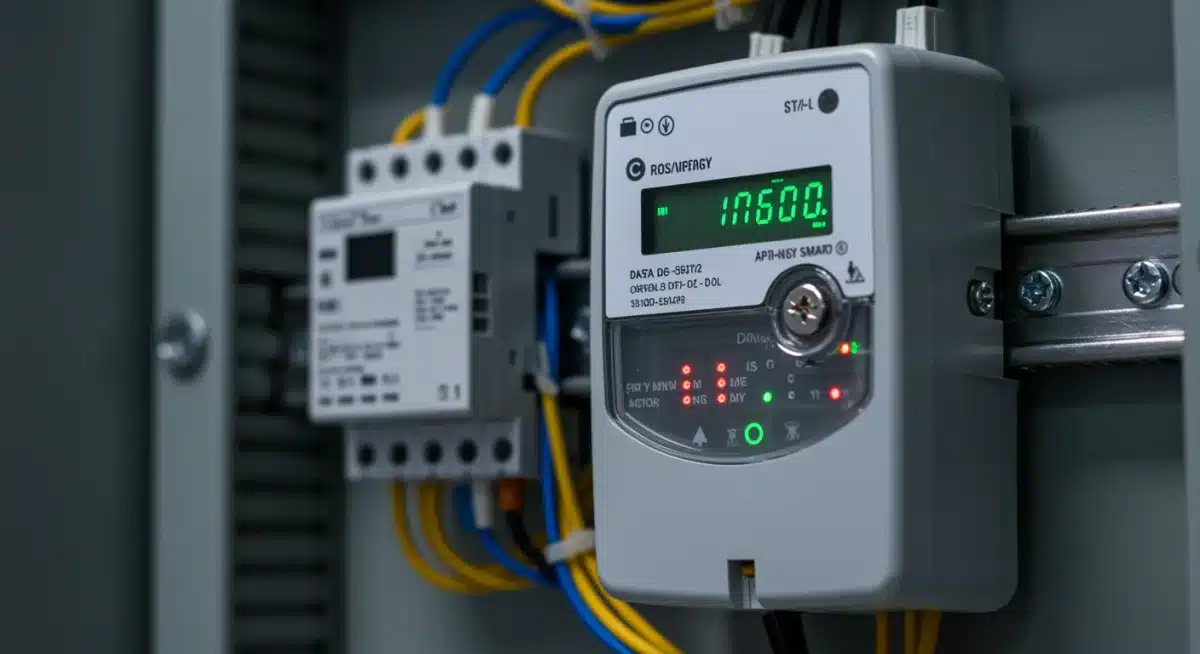
The first significant leap came with smart meters, introduced by utility companies to automate readings and facilitate two-way communication. While a step in the right direction, these often provided data at a daily or hourly interval, still leaving a gap in real-time understanding. This is where dedicated Smart Energy Monitoring systems truly shine. They bridge this gap by offering minute-by-minute, or even second-by-second, data on your energy flow. This granular detail is crucial for identifying transient energy spikes (like when an old refrigerator compressor kicks in) or continuous background consumption (phantom load from always-on devices).
By 2026, Smart Energy Monitoring systems have become incredibly sophisticated, integrating with smart home ecosystems, leveraging AI for predictive analysis, and offering intuitive interfaces that make complex data easy to understand. They move beyond mere data collection to provide actionable insights, suggesting improvements and even automating energy-saving actions. This evolution from simple measurement to intelligent management is what makes these systems a game-changer for modern households.
How Smart Energy Monitoring Systems Work: The Tech Under the Hood
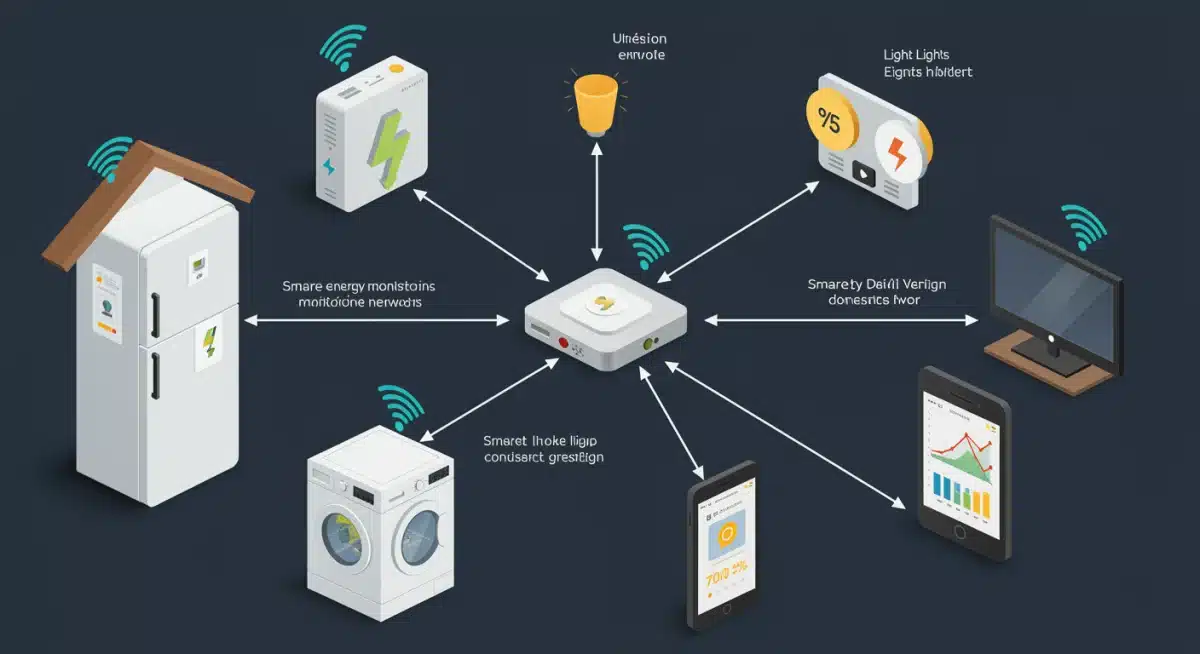
At its core, a Smart Energy Monitoring system consists of several key components working in concert to provide a comprehensive view of your energy landscape. Understanding these components is essential to appreciating the power and potential of these technologies.
1. Sensors and Current Transformers (CTs)
The primary data collectors are current transformers (CTs). These small, non-invasive clamps attach around the main electrical wires coming into your home’s breaker panel, or sometimes around individual circuit wires. They measure the electromagnetic field generated by the flow of electricity, translating it into a precise measurement of current. Some advanced systems also include voltage sensors to calculate true power (watts) more accurately.
2. Data Hub/Gateway
The data collected by the CTs is then sent to a central hub or gateway. This device acts as the brain of the system, processing the raw data. It typically connects to your home’s Wi-Fi network, allowing it to transmit the processed information to a cloud-based server or directly to your local devices.
3. Cloud-Based Analytics and Storage
Once the data reaches the cloud, powerful algorithms get to work. These algorithms analyze patterns, identify anomalies, and disaggregate consumption (attempting to identify which appliances are using how much energy even without individual appliance sensors). The cloud also provides secure storage for your historical data, allowing you to track trends over time.
4. User Interface: Apps and Dashboards
The most visible part of any Smart Energy Monitoring system is its user interface. This usually comes in the form of a smartphone app or a web-based dashboard. These interfaces are designed for clarity and ease of use, presenting complex energy data through intuitive graphs, charts, and real-time numerical displays. They often include features like customizable alerts, budget tracking, and personalized energy-saving recommendations.
5. Integration with Smart Home Ecosystems
Many modern Smart Energy Monitoring systems integrate seamlessly with broader smart home platforms (like Apple HomeKit, Google Home, Amazon Alexa, or Zigbee/Z-Wave hubs). This allows for a more cohesive smart home experience and unlocks advanced automation possibilities, such as automatically adjusting your smart thermostat based on real-time energy prices or usage.
The synergy of these components creates a powerful tool that transforms invisible energy flows into understandable, actionable information. This transparency is the first crucial step towards effective energy management and bill reduction.
The Unbeatable Benefits of Real-Time Energy Tracking
The ability to track energy usage in real-time is not just a technical feat; it’s a profound shift in how we interact with our homes’ energy consumption. The benefits are multi-faceted, touching upon financial, environmental, and even behavioral aspects of modern living.
Immediate Identification of Energy Hogs
With real-time data, you can instantly see the impact of turning on an appliance. Does your old electric water heater cause a massive spike? Is your air conditioning unit running inefficiently? This immediate feedback loop allows you to identify which devices are consuming the most power and when. This insight is invaluable for prioritizing replacements, repairs, or changes in usage habits.
Eliminating Phantom Load (Vampire Power)
Many devices continue to draw power even when turned off or in standby mode – this is known as phantom load or vampire power. While individually small, collectively these devices can account for a significant portion of your energy bill. Smart Energy Monitoring systems can help you detect these persistent draws, empowering you to unplug unused electronics or invest in smart power strips that cut power entirely.
Optimizing Usage Habits
Understanding when and how you use energy can lead to significant behavioral changes. You might realize that running your dishwasher during peak electricity rates is costing you more, or that leaving lights on in unoccupied rooms adds up. Real-time monitoring provides the data needed to adjust schedules, use energy-intensive appliances during off-peak hours, and generally adopt more energy-conscious habits.
Setting and Achieving Energy-Saving Goals
Just like tracking fitness goals, having clear data on energy consumption allows you to set specific targets for reduction. Many Smart Energy Monitoring apps include features for setting budgets and receiving alerts if you’re projected to exceed them. This gamified approach can be a powerful motivator for consistent savings.
Early Detection of Malfunctioning Appliances
An appliance that suddenly starts drawing more power than usual could be a sign of an impending malfunction. Real-time monitoring can alert you to these changes, potentially allowing for repairs before a complete breakdown, saving you money on replacements and avoiding inconvenience.
Enhanced Environmental Stewardship
Beyond personal savings, reducing energy consumption contributes directly to a healthier planet. By lowering your demand for electricity, you reduce reliance on fossil fuel-based power generation, thereby cutting greenhouse gas emissions. Smart Energy Monitoring provides the tools to be a more responsible global citizen.
Key Features to Look for in 2026 Smart Energy Monitoring Systems
As the market for Smart Energy Monitoring systems matures, the features offered are becoming increasingly sophisticated and user-centric. When considering a system for your home in 2026, here are the crucial features to prioritize:
1. Real-Time, Granular Data
This is non-negotiable. Look for systems that provide data updates every few seconds, not just every few minutes or hours. The more granular the data, the better your ability to pinpoint specific events and consumption patterns. Some advanced systems even offer individual circuit monitoring, providing data for every breaker in your panel.
2. Appliance Disaggregation (Non-Intrusive Load Monitoring – NILM)
While not perfect, NILM technology has significantly improved. This feature attempts to identify individual appliances based on their unique electrical signatures, even if they aren’t plugged into smart outlets. It allows you to see how much energy your refrigerator, HVAC, or washing machine is consuming without needing separate sensors for each. This is a powerful tool for understanding your biggest energy draws.
3. Intuitive User Interface and Mobile App
Data is only useful if it’s understandable. The system’s app and dashboard should be user-friendly, visually appealing, and provide clear graphs, charts, and summaries. Customization options, historical data comparison, and easy export features are also valuable.
4. Integration Capabilities
Ensure the system integrates with your existing or planned smart home ecosystem (e.g., Google Home, Amazon Alexa, Apple HomeKit, IFTTT). This allows for a more cohesive smart home experience and unlocks advanced automation possibilities, such as automatically adjusting your smart thermostat based on real-time energy prices or usage.
5. Cost and Savings Projections
Many systems can now learn your utility’s rate structure (including time-of-use rates) and provide real-time cost estimates, not just energy consumption. Some even offer projections for your monthly bill, helping you stay within budget and see the financial impact of your energy-saving efforts.
6. Alerts and Notifications
The ability to set custom alerts for high usage, unusual patterns, or when you’re approaching a budget limit is incredibly useful. These proactive notifications can prevent bill shock and prompt immediate action.
7. Easy Installation and Scalability
While some systems require professional installation, many consumer-grade options are designed for DIY setup. Consider the ease of installation and whether the system can be expanded to monitor additional circuits or integrate new devices as your needs evolve.
8. Data Security and Privacy
Given the sensitive nature of energy consumption data, ensure the provider has robust security measures in place to protect your information. Review their privacy policy to understand how your data is collected, stored, and used.
Achieving 18% Savings: Strategies Powered by Smart Energy Monitoring
The promise of saving up to 18% on your electricity bills isn’t an exaggeration; it’s an achievable goal when you leverage the insights provided by a Smart Energy Monitoring system. Here’s how to turn data into dollars:
1. Identify and Eliminate Energy Vampires
Use your monitoring system to observe your baseline energy consumption when everything you think is ‘off’ is actually off. Any persistent draw is likely phantom load. Systematically unplug devices or use smart power strips to cut power entirely when not in use. This often yields immediate, albeit small, savings that add up over time.
2. Optimize High-Consumption Appliances
Your HVAC system, water heater, refrigerator, and laundry appliances are typically the biggest energy users. Your monitor will clearly show their consumption patterns. Consider scheduling energy-intensive tasks like laundry or dishwashing during off-peak hours if your utility offers time-of-use rates. Ensure your HVAC is properly maintained, and consider upgrading older, inefficient models if your monitoring reveals they are disproportionately expensive to run.
3. Adjust Thermostat Settings Strategically
Often, a significant portion of energy consumption comes from heating and cooling. By observing your HVAC’s energy draw in real-time, you can fine-tune your thermostat settings. Even a few degrees difference can lead to substantial savings. Use smart thermostat integration to program schedules that align with your occupancy and energy goals.
4. Improve Lighting Efficiency
While LED lighting has dramatically reduced lighting costs, your monitor can still highlight areas where lights are left on unnecessarily. Combine monitoring with smart lighting controls to automate schedules, use motion sensors, and dim lights when full brightness isn’t needed.
5. Educate Your Household
Share the insights from your Smart Energy Monitoring system with everyone in your home. When family members can see the direct impact of their actions on the energy graph and projected bill, they are far more likely to adopt energy-saving habits. Make it a collective goal to reduce consumption.
6. Regular Review and Adjustment
Energy consumption isn’t static. Seasonal changes, new appliances, or shifts in routine can all affect your usage. Regularly review your monitoring data, compare it to previous periods, and make continuous adjustments. This proactive approach ensures you’re always optimizing for efficiency.
By diligently applying these strategies, backed by the concrete data from your Smart Energy Monitoring system, achieving and even exceeding the 18% savings target becomes a realistic and rewarding endeavor.
Comparing Top Smart Energy Monitoring Systems for 2026
The market for Smart Energy Monitoring systems is dynamic, with several strong contenders offering diverse features and price points. While specific recommendations might vary based on individual needs, here’s a look at some leading types and what they generally offer in 2026:
1. Whole-Home Monitors (Clamp-on CTs)
These are the most common and comprehensive. Brands like Emporia Vue, Sense, and Iotawatt lead this category. They use CT clamps on your main service lines to monitor total home consumption and often employ NILM technology to infer individual appliance usage. Advanced versions offer individual circuit monitoring for even greater detail. They are generally affordable, ranging from $100-$400, and provide excellent value for their insights.
2. Smart Plugs and Power Strips with Monitoring
For those who want to monitor specific devices without a full home installation, smart plugs (e.g., TP-Link Kasa, Wemo) and power strips with energy monitoring capabilities are ideal. They provide precise data for the appliance plugged into them, allowing for targeted optimization. While they don’t offer a whole-home view, they are excellent for identifying energy hogs among smaller electronics.
3. Utility-Provided Smart Meter Port Devices
Some utility companies are enabling direct access to smart meter data via an optical port (like the Zigbee-enabled HAN port). Devices like the Glow monitor or systems that integrate with specific utility APIs can tap into this data, offering usage insights without needing internal electrical panel installation. Availability depends heavily on your local utility. The advantage here is often lower cost and direct utility integration.
4. Integrated Smart Home Hubs with Energy Monitoring
Certain smart home hubs (e.g., Hubitat, Homey) offer energy monitoring capabilities as part of their broader automation ecosystem, often through compatible Zigbee or Z-Wave devices. These are best for users already invested in a comprehensive smart home setup, allowing energy data to seamlessly inform other automated actions.
5. AI-Powered Predictive Systems
The cutting edge in 2026 includes systems that use advanced AI not just to analyze, but to predict your energy needs and even suggest proactive measures. These can anticipate peak pricing, learn your habits to recommend optimal appliance usage times, and even integrate with weather forecasts to pre-cool or pre-heat your home efficiently. These often come with a higher price tag or subscription model but offer the most sophisticated level of management.
When choosing, consider your budget, technical comfort level, desired level of detail, and existing smart home infrastructure. Reading reviews and comparing features against your specific goals will help you select the best Smart Energy Monitoring system for your household.
Installation and Setup: What to Expect
The installation process for Smart Energy Monitoring systems varies depending on the type and complexity of the device. However, most modern systems are designed for relatively straightforward setup.
DIY-Friendly Options
Many whole-home monitors are designed for DIY installation, particularly those that use clamp-on CTs for main service lines. This typically involves turning off the main breaker, opening your electrical panel, clamping the CTs around the appropriate wires, and connecting the monitor to a power source. The process usually takes 15-30 minutes and comes with clear instructions and often video tutorials.
Professional Installation Recommended
For systems that require wiring into individual circuits, or if you’re uncomfortable working inside your electrical panel, professional installation by a qualified electrician is highly recommended. While it adds to the initial cost, it ensures safety and proper functionality.
Software Setup
Once the hardware is installed, the bulk of the setup involves connecting the device to your home Wi-Fi network and configuring the accompanying mobile app or web dashboard. This includes creating an account, inputting details about your home and utility provider, and customizing alerts and preferences. Most apps walk you through this process step-by-step.
Calibration and Learning Period
Many systems, especially those with NILM capabilities, require a ‘learning period’ of a few days to a few weeks. During this time, the system observes your energy patterns to accurately identify appliances and establish a baseline. The more you use your appliances during this period, the faster and more accurately the system will learn.
Regardless of the installation method, always prioritize safety. If in doubt, consult a professional electrician. Once set up, the ongoing maintenance is minimal, typically involving occasional software updates and ensuring a stable internet connection.
The Future is Bright: Smart Energy Monitoring Beyond 2026
While 2026 marks a significant milestone in the capabilities and adoption of Smart Energy Monitoring, the trajectory of this technology points to an even more integrated and intelligent future. We can anticipate several exciting developments:
Hyper-Personalized Energy Management
AI will become even more sophisticated, offering hyper-personalized recommendations not just for saving energy, but for optimizing comfort and convenience simultaneously. Systems will learn individual preferences and proactively adjust settings across all connected devices.
Deeper Grid Integration
Smart Energy Monitoring systems will play a more active role in demand-response programs, allowing homeowners to automatically participate in grid stabilization efforts in exchange for financial incentives. This will be crucial for managing renewable energy fluctuations.
Integration with Electric Vehicles (EVs) and Home Batteries
As EVs and home battery storage become more common, energy monitors will seamlessly integrate with these systems to optimize charging/discharging cycles based on electricity prices, solar production, and household demand, maximizing savings and energy independence.
Predictive Maintenance for Appliances
Beyond just identifying inefficient appliances, future systems might be able to predict impending failures based on subtle changes in energy signatures, alerting homeowners to potential issues before they become critical.
Augmented Reality (AR) for Energy Visualization
Imagine pointing your phone at an appliance and seeing its real-time energy consumption overlaid on the screen. AR could revolutionize how we visualize and interact with our energy data, making it even more intuitive and engaging.
The journey towards a truly smart and sustainable home is ongoing, and Smart Energy Monitoring systems are at the forefront of this revolution. By embracing these technologies today, you’re not just saving money; you’re investing in a more efficient, environmentally friendly, and intelligent future for your home.
Conclusion: Empowering Your Home with Smart Energy Monitoring
The shift towards Smart Energy Monitoring systems by 2026 is more than just a trend; it’s a fundamental change in how we perceive and manage one of our most vital resources. No longer are we passive consumers of electricity, subject to opaque billing and vague advice. Instead, we are empowered decision-makers, armed with real-time data and actionable insights that can dramatically alter our energy footprint and financial outlay.
The ability to track usage minute-by-minute, identify energy inefficiencies, and make informed adjustments offers a clear path to significant savings – with the potential to reduce electricity bills by up to 18%. Beyond the financial benefits, adopting Smart Energy Monitoring contributes to a greater good: a more sustainable planet, reduced strain on our energy infrastructure, and a heightened awareness of our individual impact.
As these systems become more intelligent, integrated, and user-friendly, they will continue to redefine the smart home experience. Investing in a Smart Energy Monitoring system today is not just about a gadget; it’s about embracing a smarter, more responsible, and more economical way of living. Take control of your energy future and unlock the potential for substantial savings and a greener tomorrow.