Build your own smart home DIY ecosystem with affordable sensors
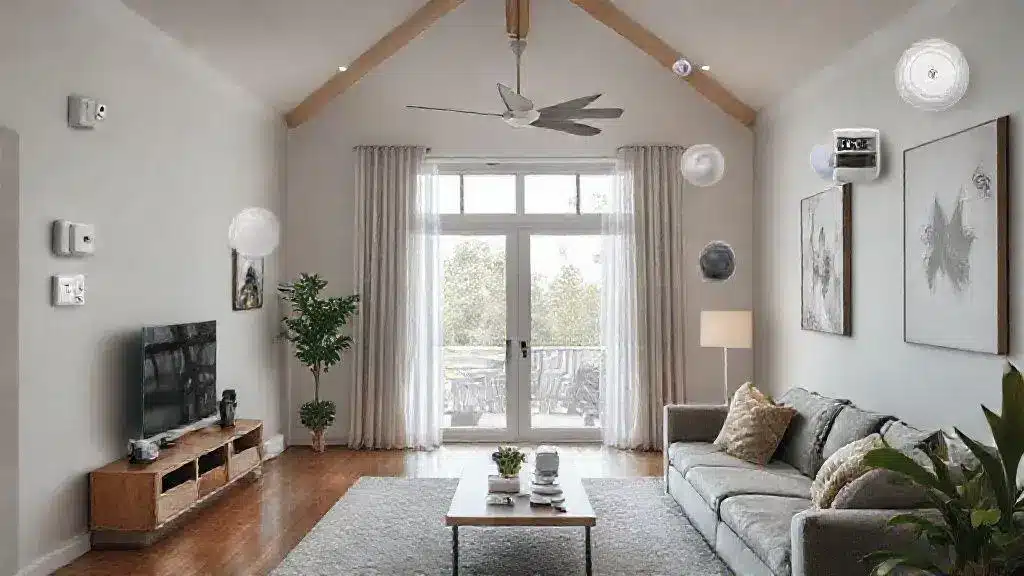
Building your own smart home DIY ecosystem with affordable sensors enhances convenience, security, and energy efficiency, allowing for customizable automation and cost-effective monitoring of your living space.
Build your own smart home DIY ecosystem with affordable sensors and transform your living space into a hub of convenience and security. Have you ever imagined controlling your lights or thermostat from your phone? Let’s explore how affordable sensors can dramatically elevate your home experience.
Understanding the basics of smart home technology
Understanding the basics of smart home technology can seem overwhelming at first. However, it is simpler than you might think. Smart home technology consists of devices that connect to the internet and communicate with each other. By using these devices, you can control your home from anywhere with just a few taps on your phone.
What is Smart Home Technology?
Smart home technology includes devices like smart lights, thermostats, security cameras, and sensors. These gadgets can be controlled remotely and often have features that learn from your habits, making your life easier.
- Smart Lights: Change colors or dim lights with your voice or phone.
- Thermostats: Automatically adjust the temperature based on your daily schedule.
- Security Cameras: Monitor your home in real-time and receive alerts.
- Sensors: Detect movement, temperature, or humidity to help keep your home secure.
Installing these devices does not require advanced technical skills. Many products are designed for easy setup. Just follow the instructions, and you can have your smart home running in no time. Plus, many of these devices work on a hub system, which means they can communicate with each other. This offers higher levels of automation.
The Benefits of Smart Home Technology
One major benefit is convenience. Imagine being able to turn off all the lights in your house or adjust the thermostat without leaving your couch. Another key advantage is energy efficiency. Smart devices can optimize energy use, reducing your utility bills.
Additionally, smart homes enhance security. With smart security systems, you can check in on your home, even when you’re away. They send instant alerts when they detect unusual activity.
Understanding these basics helps you make informed decisions when choosing devices for your household. Once you explore the array of options available, you can start building a smart ecosystem tailored to your needs.
Choosing the right sensors for your needs
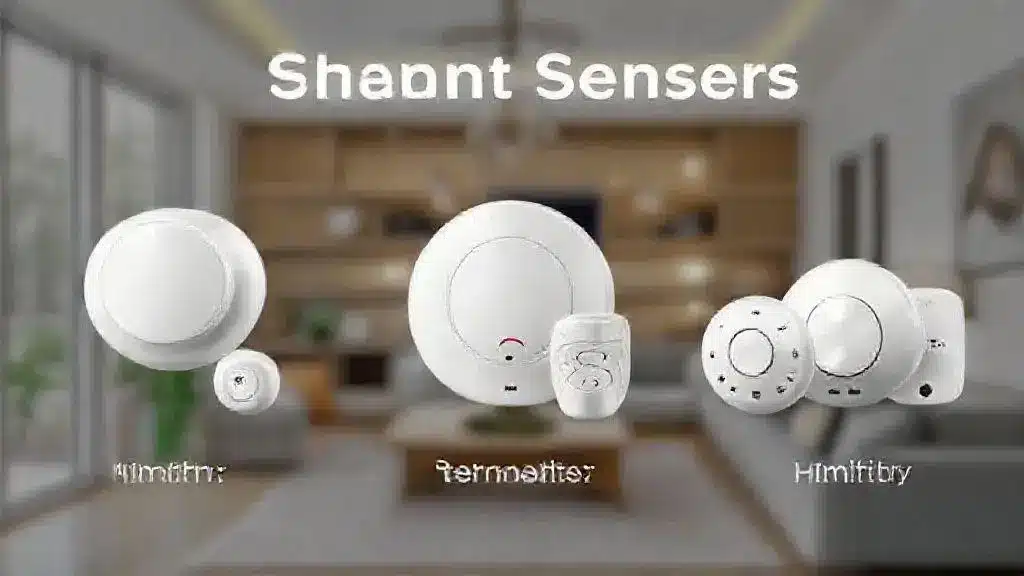
Choosing the right sensors for your needs is an essential step in building your smart home ecosystem. Sensors come in various types, each serving a specific purpose to enhance the functionality of your home. By understanding what each sensor does, you can make informed decisions tailored to your lifestyle.
Types of Sensors
There are several types of sensors, including motion sensors, temperature sensors, and humidity sensors. Each one plays a unique role in your smart home system, allowing for increased automation and security.
- Motion Sensors: Detect movement in areas like doorways or hallways, perfect for security alerts.
- Temperature Sensors: Monitor indoor temperature, helping you maintain comfort and efficiency.
- Humidity Sensors: Keep track of moisture levels, which can prevent mold growth and ensure air quality.
- Window and Door Sensors: Alert you when doors or windows are opened, enhancing your home’s security.
When selecting sensors, consider factors like compatibility with existing devices and ease of installation. Some sensors are designed to work with specific ecosystems like Google Home or Amazon Alexa, while others are flexible enough to integrate across platforms.
Assessing Your Needs
Think about your daily routines and what you want to achieve with your smart home. If security is your priority, focus on sensors that enhance safety, such as cameras and door/window sensors. For energy savings, temperature and humidity sensors can optimize your heating and cooling systems.
Budget is also an important consideration. High-end sensors come with advanced features, but there are many effective budget-friendly options available. Look for products with good reviews and customer support. Investing in the right sensors today can lead to a more efficient and convenient home tomorrow.
Integrating sensors into your home network
Integrating sensors into your home network is a crucial step for creating an efficient smart home. Once you have selected the right sensors, you need to ensure that they can communicate with each other and your controlling device. This process is easier than you might think.
Connecting Your Sensors
Many sensors connect through Wi-Fi, Zigbee, or Z-Wave. Wi-Fi is common because it allows devices to link directly to your router, providing a solid connection.
- Wi-Fi: Great for high-bandwidth devices, but it may affect your network speed.
- Zigbee: Designed for smart home devices. It uses less power and creates a mesh network.
- Z-Wave: Similar to Zigbee but operates on a different frequency, reducing interference.
To integrate these sensors, follow the manufacturer’s instructions. Generally, you will need to download a mobile app associated with the sensor. This app will guide you through connecting the sensor to your home Wi-Fi or hub.
Setting Up Automation
After successfully connecting your sensors, it is time to set up automation. Automation allows your devices to work together, enhancing their functionality. For example, you can program your motion sensor to turn on lights when someone enters a room.
Create routines within your app to define how sensors interact. You might choose to set specific times or trigger actions based on sensor inputs, like adjusting the thermostat when a window sensor detects it is open. This maximizes comfort and energy efficiency.
Always test your setups to ensure they work as expected. Troubleshoot by checking connections and configurations if something doesn’t function properly. Integrating sensors into your network opens up a world of possibilities for a smarter, more responsive home.
Cost-effective solutions for a smart home setup
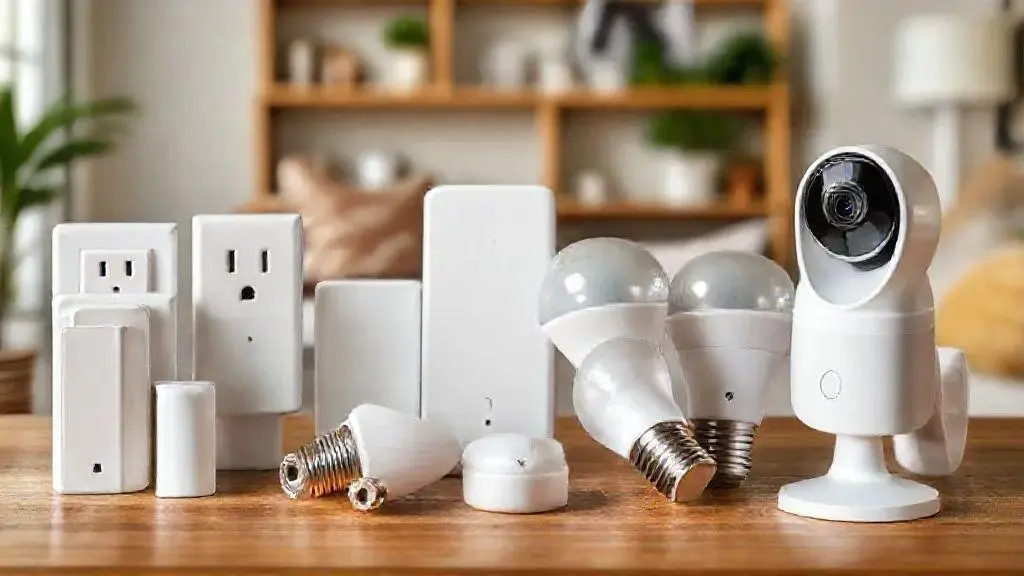
Finding cost-effective solutions for a smart home setup is important for anyone looking to enhance their living space without breaking the bank. There are many affordable options that can provide automation and convenience while keeping expenses low.
Budget-Friendly Devices
Several smart home devices come at a lower price point without sacrificing quality. You can choose from various brands that offer reliable features. For example, smart plugs and lights are often inexpensive and easy to install.
- Smart Plugs: Control devices remotely and set schedules to save energy.
- Smart Bulbs: Change colors and brightness all from your smartphone.
- Indoor Cameras: Monitor your home with basic security features.
- Temperature Sensors: Help optimize your HVAC system for energy savings.
Most of these devices can be set up in minutes and integrated into your existing home network. They allow for simple automation like scheduling lights to turn on or off at specific times.
Shopping Tips
When shopping for smart home devices, look for sales and discounts. Websites often offer bundle deals that include several devices for a reduced price. Also, consider refurbished or open-box items for additional savings.
Read reviews and check ratings to ensure you are getting a quality product. Popular brands often have community support, making troubleshooting easier. Remember, inexpensive doesn’t mean ineffective; many budget devices perform just as well as their pricier counterparts.
Finally, start small and build your smart home gradually. You can always expand your setup as your budget allows. Investing in a few key devices can enhance your home significantly without overwhelming your wallet.
FAQ – Frequently Asked Questions about Building a Smart Home
What are the basic steps to start building a smart home?
Begin by researching smart devices that fit your needs, like sensors, plugs, and lights. Once chosen, integrate them into your home network.
Can I use budget devices for a smart home setup?
Yes, many affordable smart devices perform well and can help you create a functional smart home without a large investment.
How can I ensure my smart devices work together?
Select devices that are compatible with the same hub or ecosystem, like Google Home or Amazon Alexa, to ensure smooth integration.
What benefits can I expect from setting up a smart home?
Smart homes offer convenience, enhanced security, and energy efficiency, allowing you to control devices remotely and automate daily tasks.