Smart Home Investment 2026: Boost Property Value 10%
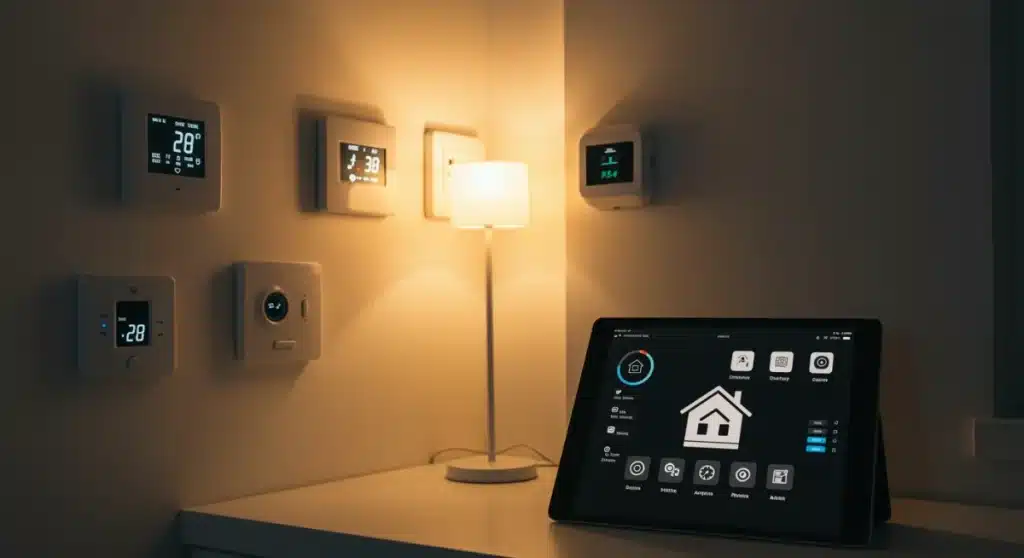
Maximizing your smart home investment in 2026 involves strategically implementing automation systems that demonstrably increase property value by up to 10%, focusing on energy efficiency, security, and integrated living experiences for a tangible return.
Are you considering upgrading your home with the latest technology? The world of smart homes is evolving rapidly, and understanding how to make the most of these advancements is crucial. This article delves into how smart home investment in automation systems can significantly increase your property’s value by up to 10% by 2026, offering insights into strategic implementations for homeowners across the US.
The evolving landscape of smart home technology in 2026
The year 2026 marks a significant turning point in smart home technology, moving beyond mere convenience to essential features that enhance daily living and, crucially, property valuation. Homeowners are no longer simply adopting smart devices; they are integrating entire ecosystems that offer seamless control and data-driven insights. This shift reflects a growing consumer demand for connected, efficient, and secure living spaces, making strategic smart home upgrades a powerful tool for increasing market appeal.
As technology matures, the focus has shifted from individual gadgets to interconnected systems that communicate and cooperate. This holistic approach is what truly drives value, transforming a collection of smart devices into a cohesive, intelligent home. Understanding these integrated systems is key to making informed investment decisions.
Key trends shaping smart home adoption
- AI-powered personalized experiences: Systems now learn occupant preferences, adjusting environments automatically.
- Enhanced interoperability: Universal communication protocols are making device integration simpler and more robust.
- Sustainable living focus: Energy management and waste reduction features are becoming standard.
- Robust cybersecurity measures: Increased attention to data privacy and protection against cyber threats.
The integration of these trends means that smart homes in 2026 are more intuitive, more secure, and more environmentally friendly than ever before. This advanced functionality is what prospective buyers are increasingly looking for, recognizing the long-term benefits in terms of comfort, cost savings, and peace of mind. Therefore, understanding these trends is the first step in maximizing your smart home investment.
In conclusion, the smart home market in 2026 is defined by integration, intelligence, and sustainability. These foundational shifts mean that a well-planned smart home investment is not just about personal enjoyment but also about strategically positioning your property for a higher valuation in a competitive real estate market. The future of home living is here, and it’s smarter than ever.
Identifying high-ROI smart home automation systems
When considering a smart home investment, not all systems offer the same return on investment. Focusing on automation systems that have a proven track record of increasing property value is paramount. In 2026, certain categories stand out for their ability to deliver tangible benefits that resonate with potential buyers, ultimately justifying a higher asking price.
The most impactful smart home upgrades are those that address fundamental aspects of homeownership: security, energy efficiency, and convenience. These are not merely luxury features but rather enhancements that contribute to a more sustainable, safer, and enjoyable living experience, making them highly desirable in the current market.
Top automation systems for property value appreciation
Investing in the right smart home technologies can yield significant returns. Here are some of the leading categories:
- Advanced climate control systems: Smart thermostats and zoned heating/cooling optimize energy use, appealing to eco-conscious buyers.
- Comprehensive security and surveillance: Integrated smart locks, video doorbells, and AI-powered cameras offer peace of mind and enhanced protection.
- Intelligent lighting and shading: Automated lighting that adjusts based on occupancy and natural light, alongside smart blinds, can create dynamic, energy-efficient environments.
- Smart energy management hubs: Systems that monitor and manage overall household energy consumption provide valuable data and cost savings.
These systems go beyond basic automation, offering sophisticated control and reporting capabilities. For example, a smart climate control system that learns your schedule and adjusts temperatures accordingly not only saves energy but also provides unparalleled comfort. Similarly, an integrated security system offers a level of protection that traditional alarms cannot match, with remote monitoring and smart alerts.
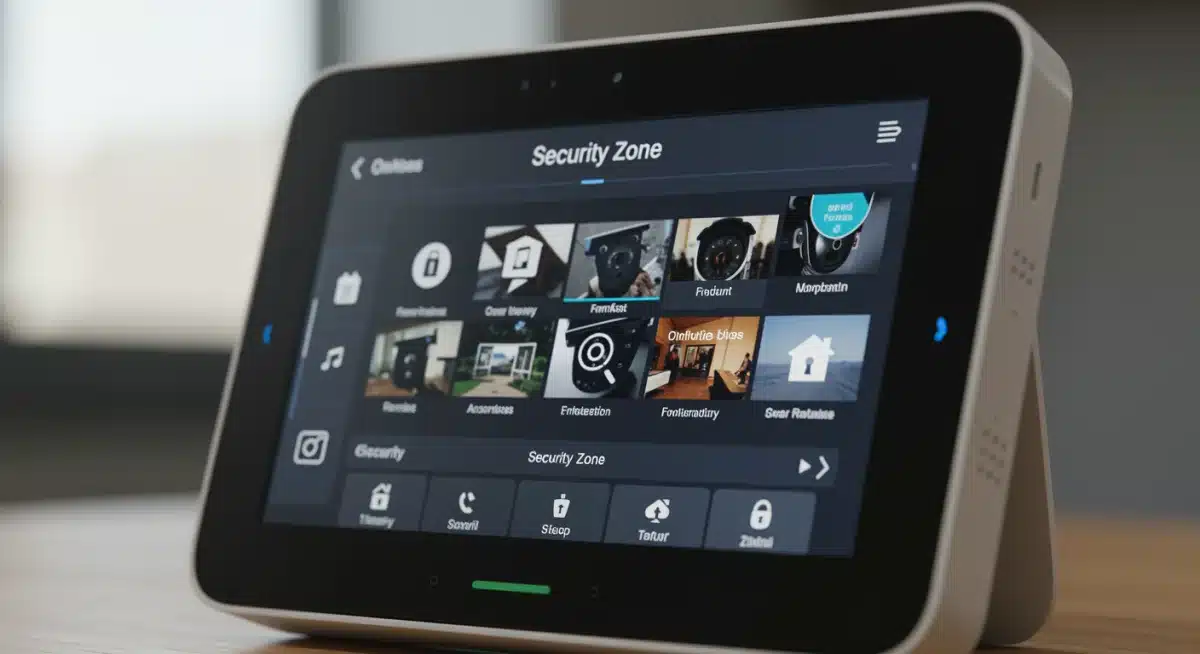
The key to maximizing ROI is to select systems that integrate seamlessly and offer clear, demonstrable benefits. A buyer in 2026 isn’t just buying a house; they’re buying a lifestyle. A home equipped with well-chosen smart automation systems offers a superior lifestyle, making it a more attractive and valuable asset. Prioritizing these high-impact upgrades ensures your smart home investment translates directly into increased property value.
The quantifiable impact: up to 10% property value increase
The notion that smart home automation can increase property value is no longer speculative; it’s a well-documented trend. By 2026, industry analyses and real estate data consistently show that homes equipped with integrated smart systems can command a premium, with increases reaching up to 10% in certain markets. This quantifiable impact makes smart home upgrades a compelling financial strategy for homeowners.
Several factors contribute to this valuation boost. Firstly, smart homes are perceived as modern and future-proof, reducing the need for immediate renovations for new owners. Secondly, the tangible benefits of energy savings and enhanced security translate directly into lower running costs and greater peace of mind, both highly attractive to buyers. Lastly, the convenience and luxury of automated living add an intangible value that elevates the property’s desirability.
Factors driving increased valuation
- Perceived modernity and future-proofing: Buyers see smart homes as less likely to require significant upgrades in the near future.
- Operational cost savings: Documented energy efficiency translates to lower utility bills, a major selling point.
- Enhanced safety and security: Integrated security systems provide a premium level of protection that appeals to families and individuals alike.
- Lifestyle appeal and convenience: The ease of managing a home via smart technology offers a superior living experience.
Consider a home with a fully integrated smart lighting system that learns daily routines and adjusts accordingly, or a smart thermostat that optimizes energy consumption based on occupancy and external weather conditions. These features are not just impressive; they offer real, measurable benefits that directly impact a homeowner’s budget and daily comfort. Real estate agents are increasingly highlighting these features as key selling points, often leading to quicker sales and higher closing prices.
Moreover, the resale market actively reflects this demand. Properties with advanced smart features often stand out in listings, attracting a wider pool of interested buyers who are willing to pay more for a move-in ready, technologically advanced home. This premium is a direct result of a strategic smart home investment.
In essence, the 10% property value increase is not an arbitrary figure but a reflection of the market’s appreciation for homes that offer superior functionality, efficiency, and security. By carefully selecting and integrating smart automation systems, homeowners can confidently expect a significant return on their investment, making their property more competitive and desirable in the 2026 real estate landscape.
Strategic implementation: integrating systems for maximum impact
The true power of a smart home investment lies not in individual devices but in their seamless integration. A fragmented collection of smart gadgets offers limited value, whereas a well-planned, interconnected system creates a synergistic effect that significantly enhances a home’s appeal and functionality. Strategic implementation is about creating a cohesive smart ecosystem that responds intelligently to the needs of its occupants.
This holistic approach involves choosing devices and platforms that are compatible and can communicate effectively. The goal is to build a centralized control system that manages everything from lighting and climate to security and entertainment, all from a single interface or voice command. Such integration transforms a house into a truly intelligent home, delivering unparalleled convenience and efficiency.
Best practices for integrated smart home systems
- Unified platform selection: Choose a robust smart home hub or ecosystem (e.g., Apple HomeKit, Google Home, Amazon Alexa, or Matter-compatible systems) that supports a wide range of devices.
- Professional installation and configuration: While some DIY is possible, professional setup ensures optimal performance, security, and integration.
- Scalability planning: Design your system with future expansion in mind, ensuring new devices can be easily added.
- Prioritize interoperability: Opt for devices that adhere to open standards and can communicate with different brands and platforms.
For example, imagine a scenario where your smart thermostat detects you’re leaving for work, automatically adjusts the temperature, and simultaneously signals your smart lighting to turn off and your smart locks to engage. This level of automation is only possible with a properly integrated system. Such a system not only saves energy and enhances security but also provides an effortless living experience that is highly attractive to potential buyers.
Furthermore, an integrated system offers enhanced data analytics, allowing homeowners to monitor energy consumption patterns, track security events, and even receive personalized recommendations for optimizing their home environment. This data-driven insight adds another layer of value, demonstrating the efficiency and intelligence of the property.
In conclusion, strategic implementation is the cornerstone of a successful smart home investment. By focusing on integration, compatibility, and professional setup, homeowners can create a truly intelligent living space that delivers maximum impact in terms of functionality, convenience, and, ultimately, property value. A well-integrated smart home is a powerful asset in the 2026 real estate market.
Energy efficiency and sustainability through smart automation
In 2026, energy efficiency and sustainability are no longer niche concerns; they are central pillars of property valuation and homeowner appeal. Smart home automation plays a pivotal role in achieving these goals, offering sophisticated tools to monitor, manage, and reduce energy consumption. A strategic smart home investment in these areas not only lowers utility bills but also significantly enhances a property’s marketability to environmentally conscious buyers.
Modern smart systems move beyond simple on/off controls, employing AI and machine learning to optimize energy use based on real-time data, weather patterns, and occupant behavior. This intelligent management results in substantial reductions in energy waste, making homes more sustainable and attractive in the long run. The focus is on creating a self-optimizing environment that minimizes its ecological footprint.
Smart technologies driving sustainable living
- Predictive climate control: Smart thermostats that learn schedules and pre-cool/heat homes during off-peak hours.
- Automated lighting management: Occupancy sensors and daylight harvesting systems reduce unnecessary lighting use.
- Smart appliance integration: Appliances that communicate with energy grids to operate during optimal times or when renewable energy sources are abundant.
- Water leak detection and management: Systems that prevent costly water damage and conserve water by detecting leaks early.
Consider a smart home that automatically adjusts its blinds to block harsh sunlight during peak heat, reducing the load on the air conditioning, or a system that identifies and alerts you to an unusual spike in energy consumption, potentially indicating a faulty appliance. These proactive measures translate into significant cost savings and a reduced carbon footprint, both highly valued attributes in today’s market.
Furthermore, the data generated by these smart systems provides homeowners with actionable insights into their energy usage, empowering them to make more informed decisions. This transparency and control over resources are strong selling points, demonstrating a commitment to responsible living that resonates deeply with a growing segment of buyers.
By investing in smart automation focused on energy efficiency and sustainability, homeowners are not just upgrading their property; they are investing in a future-proof asset that aligns with global environmental values. This forward-thinking smart home investment is a powerful differentiator, making your property stand out as a desirable, eco-friendly choice in the competitive 2026 real estate market.
Security and peace of mind: a premium smart home feature
In an increasingly interconnected world, security remains a paramount concern for homeowners. Smart home automation systems in 2026 have elevated personal and property security to unprecedented levels, offering comprehensive, integrated solutions that provide genuine peace of mind. Investing in these advanced security features is not only about protecting your assets but also about enhancing your property’s value by appealing to buyers who prioritize safety.
Modern smart security systems go far beyond traditional alarms, incorporating AI-powered surveillance, remote monitoring, and proactive threat detection. These systems can differentiate between pets and intruders, detect unusual activity, and even alert authorities automatically. The ability to monitor and control your home’s security from anywhere in the world is a powerful draw for busy professionals and families alike.
Key smart security features adding value
- AI-powered video surveillance: Cameras with facial recognition and anomaly detection capabilities.
- Smart locks and access control: Keyless entry, remote unlocking, and temporary access codes for visitors.
- Integrated alarm systems: Seamless integration with smoke detectors, carbon monoxide sensors, and emergency services.
- Perimeter monitoring: Smart sensors for gates, windows, and doors that alert to unauthorized entry attempts.
Imagine receiving an alert on your smartphone if a package is delivered, or being able to visually confirm a visitor’s identity before granting them access, all without being physically present. These capabilities offer a level of control and reassurance that was once unimaginable. For potential buyers, a home with such a robust and intelligent security infrastructure represents a significant advantage, reducing their own investment in security upgrades.
Moreover, the integration of security features with other smart home systems creates a layered defense. For instance, if an intrusion is detected, smart lights can flash, and smart blinds can close, creating a deterrent and drawing attention to the property. This coordinated response demonstrates the sophistication and effectiveness of a well-planned smart home investment.
In conclusion, advanced smart security systems are a non-negotiable feature for many homebuyers in 2026. By providing unparalleled protection, remote monitoring capabilities, and seamless integration, these systems significantly enhance a property’s perceived value. A secure smart home offers not just safety, but also a valuable sense of peace of mind that buyers are increasingly willing to pay a premium for.
Future-proofing your home: longevity and adaptability of smart systems
When making a smart home investment, foresight is as crucial as immediate functionality. The rapid pace of technological advancement means that systems chosen today must be adaptable and future-proof to retain their value. In 2026, homeowners are looking for smart solutions that are not only cutting-edge but also designed for longevity, ensuring they won’t become obsolete within a few years.
This involves selecting platforms and devices that support open standards and receive regular software updates. The ability of a system to integrate new technologies as they emerge, rather than requiring a complete overhaul, is a significant selling point. A future-proof smart home is one that can evolve with technology, continuously offering enhanced features and compatibility.
Ensuring longevity and adaptability for your smart home
- Open-source and interoperable platforms: Prioritize systems that adhere to open standards like Matter, ensuring compatibility across brands.
- Regular software updates: Choose manufacturers committed to providing ongoing updates that introduce new features and security patches.
- Modular design: Opt for systems that allow for easy addition or replacement of individual components without disrupting the entire setup.
- Cloud-based infrastructure: Systems that leverage cloud processing often have greater flexibility and can adapt to new functionalities more easily.
For example, a smart home hub that supports the latest communication protocols will be able to integrate devices from various manufacturers, ensuring you’re not locked into a single brand. This flexibility is highly attractive to future buyers who may have their own preferred devices or wish to expand the system over time without limitations.
Furthermore, cloud-based smart home systems often benefit from continuous improvements and new features delivered through software updates, extending their lifespan and value. This means your initial smart home investment continues to pay dividends as the system evolves and becomes more capable over time, without the need for expensive hardware replacements.
The concept of future-proofing also extends to the installation itself. Professional wiring and network infrastructure ensure that your smart home can handle increasing data demands and new device connections. This foundational work is essential for long-term reliability and adaptability, making the property more appealing to tech-savvy buyers.
Ultimately, a smart home that is built for longevity and adaptability offers sustained value. It provides assurance to potential buyers that their investment in the property will continue to serve them well into the future, making it a highly desirable asset in the competitive and technologically advanced real estate market of 2026. This forward-thinking approach maximizes your smart home investment and secures its appeal for years to come.
| Key Investment Area | Property Value Impact |
|---|---|
| Energy Efficiency Systems | Reduces operational costs, appeals to eco-conscious buyers, and boosts market value. |
| Integrated Security Solutions | Offers peace of mind, advanced protection, and a premium feature for buyers. |
| Seamless Automation Hubs | Enhances convenience, creates a cohesive living experience, and adds modern appeal. |
| Future-Proofing & Adaptability | Ensures long-term relevance and reduces future upgrade costs, appealing to forward-thinking buyers. |
Frequently asked questions about smart home investments
By 2026, a strategic smart home investment in automation systems can increase property value by up to 10%. This is driven by enhanced energy efficiency, superior security, and the overall convenience of integrated living, making properties more attractive to modern buyers.
Systems focusing on energy efficiency (smart thermostats, lighting), comprehensive security (smart locks, cameras), and whole-home automation hubs generally offer the best ROI. These features provide tangible benefits that resonate deeply with potential buyers, justifying a higher valuation.
While some DIY is possible, professional installation is highly recommended for maximizing your smart home investment. Experts ensure seamless integration, optimal performance, robust security, and future-proofing, which all contribute to a higher perceived and actual property value.
Smart home systems contribute by optimizing energy consumption through features like predictive climate control, automated lighting based on occupancy, and smart appliance management. This reduces utility costs and appeals to environmentally conscious buyers, enhancing property value.
Future-proofing in smart home technology means selecting systems that are adaptable, support open standards (like Matter), and receive regular software updates. This ensures longevity, compatibility with new devices, and sustained value, preventing obsolescence and increasing market appeal.
Conclusion
In the dynamic real estate market of 2026, a well-executed smart home investment is no longer a luxury but a strategic imperative for maximizing property value. By focusing on integrated automation systems that enhance energy efficiency, bolster security, and offer unparalleled convenience, homeowners can expect to see their property value increase by up to 10%. The key lies in thoughtful implementation, prioritizing interoperability, and choosing systems designed for longevity and adaptability. As smart technology continues to evolve, a forward-thinking approach ensures your home remains competitive, desirable, and ultimately, a more valuable asset for years to come.