Retrofitting Older Homes: DIY Smart Solutions for 3 Common Challenges in 2026
Retrofitting older homes with smart technology in 2026 presents unique challenges, primarily addressing energy inefficiency, upgrading outdated security systems, and integrating seamless connectivity for a modern, connected environment through effective DIY solutions.
As we navigate 2026, the allure of smart home technology continues to grow, promising comfort, efficiency, and enhanced security. However, for owners of period properties, integrating these modern marvels can seem daunting. The good news is that retrofitting older homes: DIY smart solutions for 3 common challenges in 2026 is not only achievable but also increasingly accessible. This guide will cut through the complexities, offering practical, do-it-yourself strategies to transform your classic abode into a cutting-edge smart sanctuary without sacrificing its unique charm.
tackling energy inefficiency in vintage properties
Older homes, while rich in character, often fall short in energy efficiency compared to their modern counterparts. Drafty windows, insufficient insulation, and outdated heating and cooling systems are common culprits that lead to higher utility bills and a larger carbon footprint. Fortunately, 2026 offers a wealth of smart DIY solutions to significantly improve energy performance without resorting to extensive, costly renovations.
The first step in upgrading an older home’s energy efficiency is to identify the primary sources of energy loss. This often involves a home energy audit, which can be performed by professionals or, for the DIY enthusiast, with the help of smart home diagnostic tools. Thermal cameras, now more affordable and user-friendly, allow homeowners to pinpoint exact areas of heat loss or gain, guiding targeted improvements. Once these areas are identified, smart solutions can be strategically implemented.
smart thermostats: precision climate control
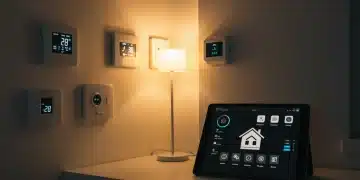
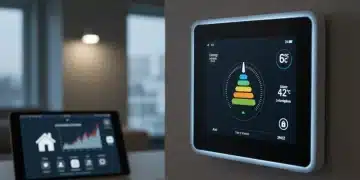
One of the most impactful DIY smart upgrades for energy efficiency is the installation of a smart thermostat. These devices learn your household’s routines and preferences, automatically adjusting temperatures to optimize comfort and minimize energy waste. Modern smart thermostats integrate seamlessly with other smart home devices, allowing for comprehensive climate management.
- Adaptive scheduling: Learns your habits and creates an optimized temperature schedule.
- Remote access: Control your home’s climate from anywhere via a smartphone app.
- Zone control: With additional sensors, manage temperatures in individual rooms or zones.
- Energy reporting: Provides insights into energy consumption, helping identify saving opportunities.
Beyond thermostats, consider smart vents that can redirect airflow to specific rooms, preventing energy from being wasted heating or cooling unoccupied spaces. These systems are particularly beneficial in older homes where HVAC ductwork might not be perfectly balanced.
insulation and smart window treatments
While traditional insulation upgrades might seem outside the realm of DIY, there are smart approaches. Smart sensors can monitor temperature and humidity levels in attics and crawl spaces, alerting you to conditions that might indicate a need for improved ventilation or insulation. For windows, smart blinds and shades offer an elegant and effective solution. These can be programmed to open and close based on sunlight, temperature, or even time of day, helping regulate indoor temperatures passively.
Integrating these smart solutions not only reduces energy consumption but also enhances comfort within your older home. By leveraging predictive analytics and automated controls, homeowners can significantly cut down on energy waste, contributing to both a healthier planet and a healthier wallet.
upgrading outdated security systems for peace of mind
Security in older homes often relies on traditional locks and, perhaps, a basic alarm system. In 2026, the landscape of home security has evolved dramatically, offering integrated, intelligent solutions that provide far greater peace of mind. Retrofitting these advanced systems into an older property can be a straightforward DIY project, significantly enhancing safety without detracting from the home’s aesthetic.
The primary challenge in older homes is often the lack of existing wiring for modern security components. However, advancements in wireless technology have largely mitigated this issue, making smart security systems highly adaptable. Most contemporary smart security devices operate on Wi-Fi or other low-power wireless protocols, simplifying installation and reducing the need for intrusive cabling.
smart locks and video doorbells: the first line of defense
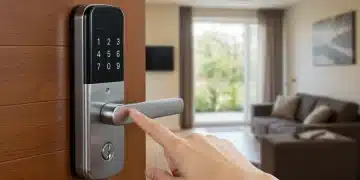
Replacing traditional deadbolts with smart locks is an excellent starting point. These devices offer keyless entry, remote access control, and logging of who enters and exits your home. Paired with a smart video doorbell, you gain a comprehensive view of your entryway, allowing you to see, hear, and speak to visitors from anywhere.
- Keyless convenience: Enter your home using passcodes, fingerprints, or smartphone apps.
- Remote monitoring: Receive alerts and view live video feeds of your doorstep.
- Integration: Connects with other smart devices, like smart lighting, for enhanced security.
- Visitor logs: Keep a record of all activity at your front door.
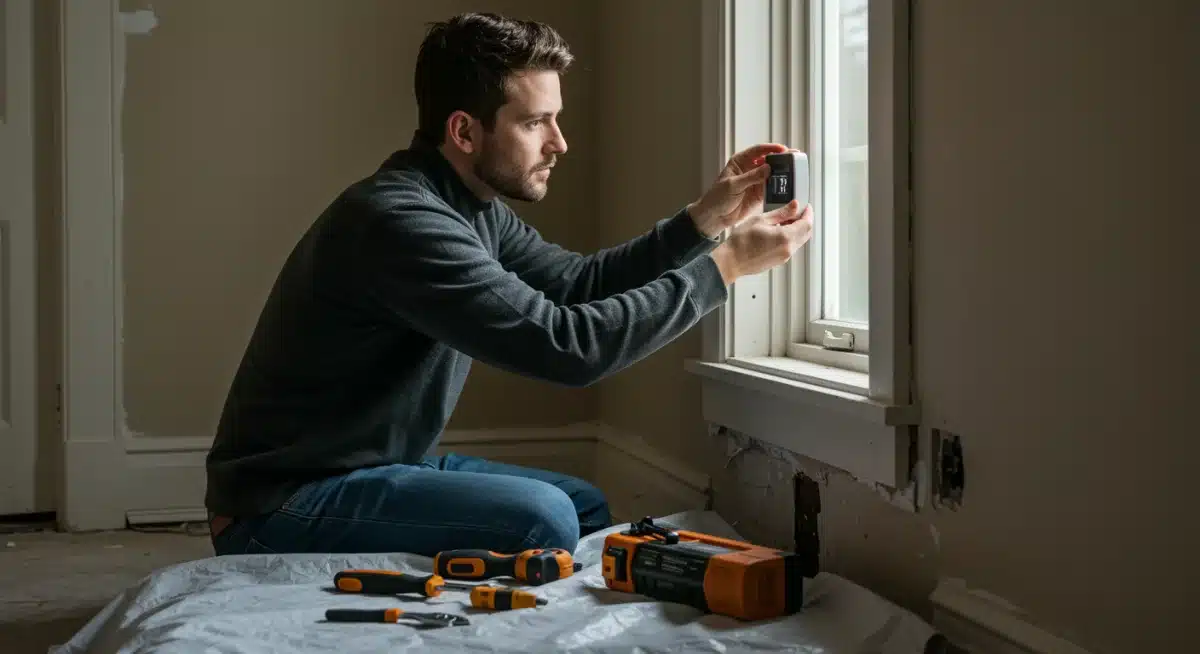
Installation of these devices is typically straightforward, often requiring only a screwdriver and basic electrical knowledge for the doorbell. Many smart locks are designed to fit standard door preparations, making them ideal for DIY enthusiasts.
wireless cameras and motion sensors: comprehensive surveillance
For broader surveillance, wireless smart cameras offer flexible placement options without the need to run new wires through old walls. These cameras can be strategically placed indoors and outdoors, providing high-definition video feeds, night vision, and motion detection. Similarly, wireless motion sensors can be placed at entry points or in vulnerable areas to detect unauthorized access.
Modern smart security systems often come with self-monitoring options, allowing homeowners to receive alerts directly on their smartphones without monthly subscription fees. For those desiring professional monitoring, many smart systems are compatible with third-party security services. By combining these DIY smart security solutions, older homes can achieve a level of protection that rivals, or even surpasses, that of newly constructed properties, all while preserving their historical integrity.
enhancing connectivity: overcoming structural limitations
One of the most persistent challenges when retrofitting older homes with smart technology is ensuring robust and reliable connectivity. Thick walls, plaster and lath construction, and outdated electrical systems can interfere with Wi-Fi signals and device communication. However, several DIY smart solutions exist in 2026 to overcome these structural limitations, creating a seamless smart home experience.
The foundation of any smart home is a strong and stable network. In older homes, this often means upgrading your existing Wi-Fi infrastructure. A single router might not be sufficient to cover all areas, leading to dead zones and unreliable connectivity for your smart devices. Addressing this core issue is crucial before implementing a wide array of smart gadgets.
mesh Wi-Fi systems: blanket coverage for every corner
Mesh Wi-Fi systems are a game-changer for older homes. Instead of a single router, a mesh system uses multiple nodes placed strategically throughout your home to create a unified, strong Wi-Fi network. This eliminates dead zones and ensures consistent connectivity for all your smart devices, regardless of wall thickness or layout.
- Seamless roaming: Devices automatically connect to the strongest signal as you move through your home.
- Easy setup: Most mesh systems are designed for simple, DIY installation via a smartphone app.
- Scalability: Easily add more nodes to expand coverage as needed.
- Improved bandwidth: Supports numerous connected devices without performance degradation.
Positioning mesh nodes effectively is key. Aim for central locations, avoiding obstructions like large appliances or dense structural elements. Experiment with placement to find the optimal configuration for your home’s unique architecture.
powerline adapters and smart home hubs: extending reach and integration
For areas where Wi-Fi might still struggle, or for devices that benefit from a wired connection, powerline adapters can be an excellent solution. These devices use your home’s existing electrical wiring to transmit network data, effectively turning any power outlet into an Ethernet port. This is particularly useful for stationary devices that require a stable connection, such as smart TVs or desktop computers, without the need for new cabling.
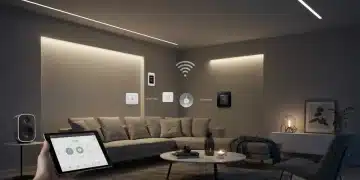
Furthermore, investing in a universal smart home hub can significantly improve connectivity and interoperability. Many older homes might have a mix of smart devices from different manufacturers, operating on various protocols (e.g., Zigbee, Z-Wave, Wi-Fi, Bluetooth). A smart hub acts as a central translator, allowing all these devices to communicate with each other and be controlled from a single interface, simplifying management and enhancing automation capabilities. This centralized control streamlines interactions and ensures all your smart components work in harmony, overcoming the inherent fragmentation often found when integrating diverse smart technologies into an older, less standardized environment.
preserving aesthetic integrity with smart upgrades
One of the most common concerns for owners of older homes is how to integrate modern technology without compromising the historical or aesthetic value of their property. The good news for 2026 is that smart home manufacturers are increasingly designing devices with aesthetics in mind, offering discreet, minimalist, or even customizable options that blend seamlessly with traditional decor.
The key to successful integration lies in thoughtful planning and selecting products that complement, rather than clash with, your home’s existing style. This often involves prioritizing devices that are either invisible, easily hidden, or designed to be visually appealing on their own. The goal is to enhance functionality without creating an anachronistic feel.
discreet lighting and hidden sensors
Smart lighting is an area where aesthetics can be beautifully maintained. Smart bulbs can be used in existing fixtures, preserving the original lamps and shades while adding intelligent control, color-changing capabilities, and energy efficiency. For more integrated solutions, smart dimmer switches can replace old switches, offering smart control without altering the appearance of your wall plates if you choose models that match existing styles.
- Invisible integration: Smart bulbs fit into existing fixtures, maintaining original aesthetics.
- Customizable controls: Smart switches can be chosen to match current decor.
- Hidden sensors: Miniaturized contact and motion sensors can be discreetly placed to monitor activity without being noticed.
- Wire concealment: Use paintable cable management solutions to hide any necessary wiring.
When it comes to sensors, many modern options are incredibly small and can be recessed, painted to match walls, or strategically placed where they are out of sight. For instance, contact sensors on windows and doors can be nearly invisible when properly installed, providing security without visual clutter.
smart outlets and architectural considerations
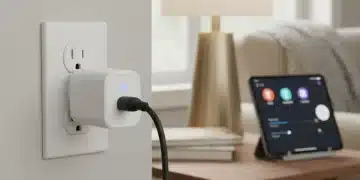
Smart outlets are another excellent way to add smart capabilities to older homes discreetly. These can be simple plug-in adapters that turn any appliance into a smart device, or they can be in-wall replacements that look like standard outlets but offer smart control. This allows you to automate lamps, fans, or other devices without needing to replace the items themselves.
Consider architectural features when choosing smart devices. For example, if your home has ornate trim, select smart thermostats or control panels that have a sleek, minimalist design that doesn’t compete with the detailed woodwork. Some companies even offer custom faceplates for smart devices, allowing them to blend perfectly with your home’s color scheme and materials. By carefully selecting and strategically placing smart devices, you can enhance your older home’s intelligence while preserving its unique charm and character.
future-proofing your vintage smart home
Retrofitting an older home with smart technology in 2026 isn’t just about solving present challenges; it’s also about preparing for the future. The smart home landscape is constantly evolving, with new devices, protocols, and integration possibilities emerging regularly. Future-proofing your vintage smart home involves making choices today that will allow for easy upgrades and compatibility with tomorrow’s innovations.
One of the most critical aspects of future-proofing is choosing open-source or widely adopted smart home ecosystems. While proprietary systems can offer tight integration, they can also limit your options for future expansion and may become obsolete if the manufacturer discontinues support. Opting for platforms that support multiple communication protocols (like Matter or Thread, which are gaining traction) ensures greater flexibility.
modular design and open standards
When selecting smart devices, prioritize those with modular designs and adherence to open standards. Modular systems allow you to add or replace individual components without overhauling your entire setup. This is particularly beneficial in older homes where extensive wiring changes might be difficult or undesirable.
- Open-source platforms: Offers greater flexibility and community support for future integrations.
- Matter/Thread compatibility: Ensures interoperability with a wide range of current and future devices.
- Modular components: Allows for individual device upgrades without system-wide changes.
- Cloud-agnostic solutions: Reduces reliance on a single vendor’s cloud services, enhancing longevity.
Consider smart home hubs that are designed to be protocol-agnostic, capable of communicating with devices using Zigbee, Z-Wave, Wi-Fi, and Bluetooth. This versatility ensures that as new technologies emerge, your central hub can likely integrate them without requiring a complete system replacement.
power considerations and expandability
Another often overlooked aspect of future-proofing in older homes is power infrastructure. While many smart devices are low-power, a growing number require dedicated power sources. When undertaking any electrical work, even minor, consider adding extra outlets or conduit in strategic locations for future smart device installations. This foresight can save considerable effort and expense down the line.
Finally, keep an eye on software updates and firmware. Reputable smart home brands regularly release updates that improve functionality, enhance security, and add compatibility with new features. Regularly updating your devices ensures they remain efficient and secure, extending their lifespan and relevance in your vintage smart home. By adopting a forward-thinking approach, your retrofitted older home will remain a smart and adaptable living space for years to come.
diy integration strategies for seamless smart living
Once you’ve addressed the core challenges of energy inefficiency, security, and connectivity, the next step is to integrate your chosen smart devices into a seamless, intuitive system. DIY integration strategies focus on creating automations and routines that make your smart home truly intelligent, responding to your needs without constant manual intervention. This is where the real magic of a smart home comes into play, transforming individual gadgets into a cohesive, responsive living environment.
The beauty of modern smart home platforms lies in their ability to connect disparate devices and create complex routines with relative ease. Many platforms offer user-friendly interfaces that allow even novice users to set up powerful automations. The key is to think about your daily habits and how smart technology can simplify or enhance them.
automating daily routines with custom scenes
Start by identifying common scenarios in your day, such as waking up, leaving for work, returning home, or going to bed. These are prime opportunities for creating custom smart home scenes or routines. For example, a ‘Good Morning’ scene could trigger smart blinds to open, lights to gently brighten, and your smart thermostat to adjust to your preferred morning temperature.
- Morning routine: Lights on, thermostat adjusts, coffee maker starts.
- Away routine: Lights off, thermostat setback, doors lock, security system arms.
- Evening routine: Dimmers activate, entertainment system powers on, outdoor lights illuminate.
- Bedtime routine: All lights off, doors lock, thermostat adjusts, security system arms.
Most smart home hubs and ecosystems provide intuitive app interfaces for setting up these scenes. You can often trigger them with voice commands, specific times of day, or even based on your location (geofencing).
voice control and personalized dashboards
Integrating voice assistants (like Amazon Alexa, Google Assistant, or Apple HomeKit) is a powerful DIY step that enhances convenience and accessibility. Once connected to your smart home hub, you can control multiple devices and trigger complex scenes with simple voice commands. This hands-free operation is particularly useful when you’re busy or have your hands full.
For a more visual and centralized control, consider setting up personalized dashboards. These can be on a dedicated tablet mounted on a wall, an old smartphone, or even a smart display. A dashboard provides a quick overview of your home’s status and allows for easy control of various devices from a single screen. Customizing this interface to show your most frequently used controls and information makes your smart home truly yours. By thoughtfully integrating your devices through automations, voice control, and personalized dashboards, your retrofitted older home will offer a level of smart living that is both efficient and profoundly convenient.
cost-effective strategies for diy smart home upgrades
Embarking on a smart home retrofit for an older property doesn’t have to break the bank. In 2026, the market is flooded with a diverse range of smart devices, many of which are designed to be affordable and easy for DIY enthusiasts to install. The key to cost-effective upgrades lies in strategic planning, prioritizing impact, and leveraging sales and open-box deals.
Before making any purchases, identify your most pressing needs and desired functionalities. Do you want to save on energy bills, enhance security, or simply add convenience? Focusing on these priorities will help you avoid unnecessary spending on gadgets that offer marginal benefits. Start with a few high-impact devices and gradually expand your system as your budget allows and your needs evolve.
phased implementation and budget-friendly devices
A phased approach to smart home upgrades is often the most budget-friendly. Instead of trying to automate everything at once, start with one or two areas that will provide the most immediate benefit. For example, a smart thermostat and a few smart bulbs can significantly reduce energy consumption and offer a taste of smart home convenience without a large upfront investment.
- Start small: Begin with high-impact, low-cost devices like smart plugs or basic smart bulbs.
- Leverage sales: Keep an eye out for seasonal sales, Black Friday, and Prime Day deals.
- Open-box savings: Check reputable retailers for open-box or refurbished smart devices at a discount.
- DIY installation: Save significant labor costs by installing devices yourself.
Many entry-level smart devices, such as smart plugs, basic smart bulbs, and simple contact sensors, are available at very affordable price points. These devices can be integrated into a larger system later, providing a scalable and cost-effective entry into smart home technology.
utilizing existing infrastructure and community support
For older homes, maximizing existing infrastructure is crucial for cost savings. Instead of replacing entire light fixtures, use smart bulbs. Instead of rewiring, consider battery-powered wireless sensors. These choices reduce the need for professional electrical work and complex installations, keeping costs down.
Furthermore, the DIY smart home community is a vast resource for saving money. Online forums, social media groups, and YouTube channels offer countless tutorials, troubleshooting tips, and product recommendations. Learning from others’ experiences can help you avoid costly mistakes and discover budget-friendly alternatives. By adopting these cost-effective strategies, retrofitting your older home with smart technology becomes an achievable and rewarding endeavor, proving that a smart home doesn’t have to be an expensive home.
| Key Challenge | DIY Smart Solution |
|---|---|
| Energy Inefficiency | Install smart thermostats, smart vents, and automated window treatments for optimized climate control. |
| Outdated Security | Upgrade to smart locks, video doorbells, and wireless security cameras for enhanced monitoring. |
| Limited Connectivity | Implement mesh Wi-Fi systems and universal smart home hubs to ensure robust network coverage. |
| Aesthetic Preservation | Choose discreet smart lighting, hidden sensors, and customizable devices to blend with existing decor. |
frequently asked questions about retrofitting older homes
Absolutely! Many smart home devices are designed for easy DIY installation, requiring minimal tools and technical know-how. Wireless technologies have made installation simpler than ever, often involving just plugging in, pairing with an app, and mounting. Always follow manufacturer instructions and consult a professional for complex electrical work.
Not at all. Many smart home manufacturers now design products with aesthetics in mind, offering discreet, minimalist, or even customizable options. Smart bulbs fit existing fixtures, sensors can be hidden, and smart outlets blend seamlessly. Careful selection ensures modern tech enhances functionality without compromising historical charm.
Mesh Wi-Fi systems are highly effective for older homes. They use multiple nodes to create a strong, unified network, eliminating dead zones caused by thick walls. Additionally, powerline adapters can extend wired network access using your home’s existing electrical wiring, ensuring robust connectivity throughout your property.
The cost varies, but many DIY smart security solutions are quite affordable. Wireless components reduce installation costs, and self-monitoring options eliminate monthly fees. You can start with essential devices like smart locks and video doorbells, then gradually expand your system as your budget allows, making it a cost-effective upgrade.
Smart retrofitting offers significant energy savings through optimized climate control with smart thermostats, automated lighting, and intelligent window treatments. These devices learn your routines, reduce waste in unoccupied areas, and provide detailed energy consumption reports, leading to lower utility bills and a reduced carbon footprint for your vintage property.
conclusion
Retrofitting older homes with smart technology in 2026 is a rewarding endeavor that beautifully marries historical charm with modern convenience and efficiency. By strategically addressing common challenges such as energy inefficiency, outdated security, and connectivity limitations, homeowners can transform their vintage properties into intelligent, responsive living spaces. The DIY approach, supported by advancements in wireless technology and user-friendly devices, empowers individuals to undertake these upgrades cost-effectively and with a keen eye on preserving aesthetic integrity. The journey of smart retrofitting not only enhances daily living but also future-proofs these cherished homes, ensuring they remain comfortable, secure, and energy-efficient for generations to come.