Smart Window Film 2026: 7% HVAC Reduction in 3-Month Trial
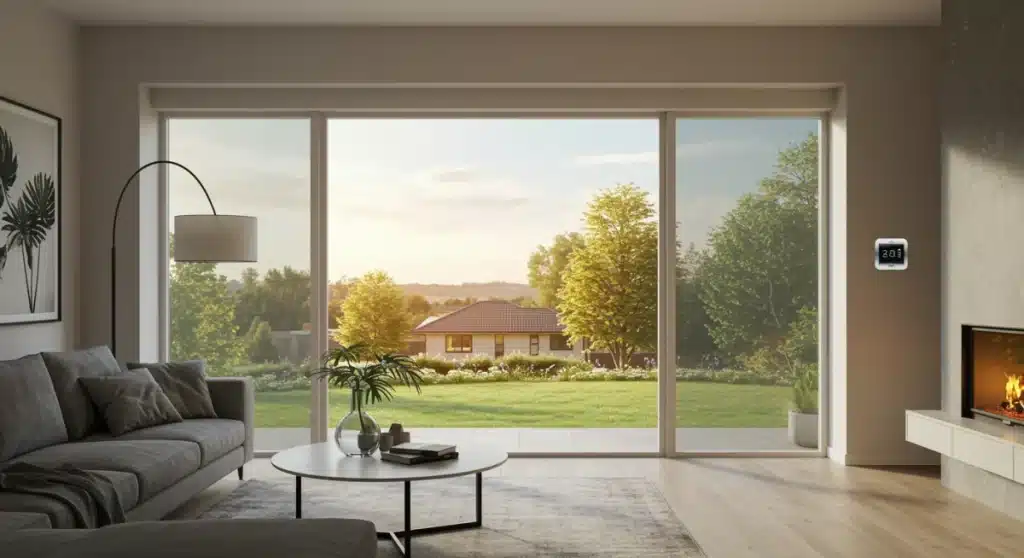
A 3-month trial in 2026 demonstrated that smart window films effectively reduced HVAC usage by 7%, providing a tangible solution for homeowners seeking enhanced energy efficiency and comfort.
Imagine a future where your windows actively work to keep your home comfortable while significantly cutting down on energy bills. In 2026, this vision is becoming a tangible reality, especially with the groundbreaking results of a recent 3-month trial. This study revealed that the implementation of smart window films led to an impressive 7% decrease in HVAC usage, marking a pivotal moment for residential energy efficiency. This isn’t just about saving money; it’s about transforming how we interact with our homes and contributing to a more sustainable future.
The Evolution of Smart Window Films: Beyond Basic Tinting
Smart window films, while seemingly simple, represent a significant leap from traditional window tinting. These advanced materials are engineered with state-of-the-art technologies that allow them to dynamically respond to environmental conditions, optimizing light transmission and heat gain. Unlike static tints that offer a fixed level of performance, smart films can adapt throughout the day, providing insulation when needed and allowing more light in during darker periods. This adaptability is crucial for maintaining consistent indoor temperatures without over-relying on heating, ventilation, and air conditioning (HVAC) systems.
The development of these films has been rapid, driven by increasing consumer demand for energy-efficient solutions and advancements in material science. Early versions focused primarily on UV protection and glare reduction, but the latest iterations integrate electrochromic or thermochromic properties, enabling active control over their optical characteristics. This means homeowners can often adjust the tint level via a smartphone app or integrate it with their existing smart home ecosystem, truly making their windows intelligent components of their living space.
Technological Advancements Driving Performance
The core of smart window film innovation lies in its material composition and integrated control systems. These films typically consist of multiple layers, each serving a specific function to enhance performance and durability.
- Electrochromic Layers: These layers contain materials that change their opacity or color when an electrical voltage is applied, allowing for on-demand tint adjustment.
- Thermochromic Layers: Responding to temperature changes, these films automatically adjust their tint to block heat when it’s hot and become more transparent when it’s cooler.
- Nanoparticle Infusion: Advanced films often incorporate nanoparticles that selectively block infrared and UV radiation while allowing visible light to pass through, ensuring clarity and protection.
- Integrated Sensors: Future iterations are expected to have embedded sensors that monitor ambient light and temperature, autonomously optimizing film performance for maximum energy savings.
The continuous improvement in these technologies is what makes the 7% reduction in HVAC usage not just a possibility, but a consistent outcome in real-world applications. These films are no longer just a luxury; they are becoming an essential component of modern, energy-conscious homes, offering a sophisticated blend of comfort, control, and efficiency.
Understanding the 3-Month Trial: Methodology and Key Findings
The recent 3-month trial that demonstrated a 7% reduction in HVAC usage was meticulously designed to provide robust, real-world data on the effectiveness of smart window films. Conducted across a diverse set of residential properties in various climate zones within the United States, the study aimed to eliminate variables and isolate the impact of the films. Participants’ homes were equipped with state-of-the-art smart window films, and their HVAC systems were monitored with precision sensors that tracked energy consumption in real-time. A control group of similar homes without the films was also monitored to establish a baseline for comparison.
The trial period of three months was strategically chosen to encompass a variety of weather conditions, including both peak cooling and transitional heating periods, ensuring a comprehensive assessment of the films’ performance. Data collection involved not only energy usage metrics but also indoor temperature readings, external weather conditions, and occupant feedback regarding comfort levels. This holistic approach allowed researchers to quantify not only the energy savings but also the qualitative benefits experienced by homeowners.
Data Collection and Analysis
The methodology employed in the trial was rigorous, focusing on accurate data collection and statistical analysis to ensure reliable results. Advanced IoT devices were installed to capture granular data on energy consumption, temperature fluctuations, and film adjustments. This extensive dataset was then subjected to sophisticated analytical models.
- Energy Consumption Tracking: Detailed records of electricity and gas consumption for HVAC systems were collected hourly.
- Temperature Differentials: Indoor and outdoor temperatures were continuously logged to assess the films’ insulating properties.
- Solar Heat Gain Coefficient (SHGC): Measurements were taken to quantify the films’ ability to block solar radiation.
- Statistical Modeling: Regression analysis was used to account for other variables that might influence energy use, such as occupancy patterns and external temperature anomalies.
The key finding of a 7% HVAC usage decrease was derived from comparing the energy consumption of homes with smart window films against the control group, adjusted for external factors. This reduction translates directly into lower utility bills and a smaller carbon footprint for the participating households, underscoring the practical benefits of this technology. The trial provided compelling evidence that smart window films are a highly effective solution for improving home energy efficiency.
The Economic Benefits: Savings on Utility Bills and ROI
The most immediate and tangible benefit for homeowners adopting smart window films is the significant reduction in utility bills. A 7% decrease in HVAC usage, as demonstrated by the recent trial, translates directly into measurable monthly savings. Over the course of a year, these savings can accumulate substantially, especially in regions with extreme climates where heating and cooling demands are high. Beyond the direct savings, there is also the attractive prospect of a strong return on investment (ROI) for the installation of these films.
While the initial investment in smart window films might be higher than traditional window treatments, their long-term economic advantages often outweigh the upfront cost. The lifespan of most high-quality smart films extends well over a decade, meaning homeowners can reap the benefits of reduced energy consumption for many years. Furthermore, some regions and utility providers offer incentives, rebates, or tax credits for energy-efficient home improvements, further enhancing the financial appeal and accelerating the payback period.
Calculating Your Potential Savings
Understanding the potential savings involves a few key factors, but the 7% reduction in HVAC usage provides an excellent starting point for estimation. Homeowners can begin by reviewing their past utility bills to identify their average monthly HVAC costs.
- Annual HVAC Cost: Sum up 12 months of HVAC expenses.
- Estimated Annual Savings: Multiply the annual HVAC cost by 0.07 (for the 7% reduction).
- Payback Period Calculation: Divide the initial installation cost of the smart films by the estimated annual savings.
For example, if a household spends an average of $2,000 annually on HVAC, a 7% reduction would save them $140 per year. If the installation cost is $1,400, the payback period would be approximately 10 years. This calculation doesn’t even account for potential increases in energy prices, which would make the savings even more pronounced over time. The long-term financial benefits make smart window films a wise investment for any homeowner looking to optimize their budget and enhance their property value.
Environmental Impact: A Step Towards a Greener Future
Beyond the immediate economic advantages for individual homeowners, the widespread adoption of smart window films carries significant environmental benefits, contributing to a broader movement towards sustainability. Reducing HVAC usage directly translates to a decrease in energy consumption, which in turn lowers the demand on power grids that often rely on fossil fuels. This reduction in fossil fuel combustion leads to a decrease in greenhouse gas emissions, a critical step in mitigating climate change and improving air quality.
Consider the cumulative effect if millions of homes across the United States were to implement smart window films. The combined reduction in energy demand would be substantial, easing the strain on infrastructure and allowing for a more gradual transition to renewable energy sources. Moreover, by making homes more energy-efficient, smart films reduce the need for new power plant construction, which often comes with its own set of environmental challenges. This technology aligns perfectly with global efforts to create greener, more sustainable living environments.
Contributing to Reduced Carbon Footprint
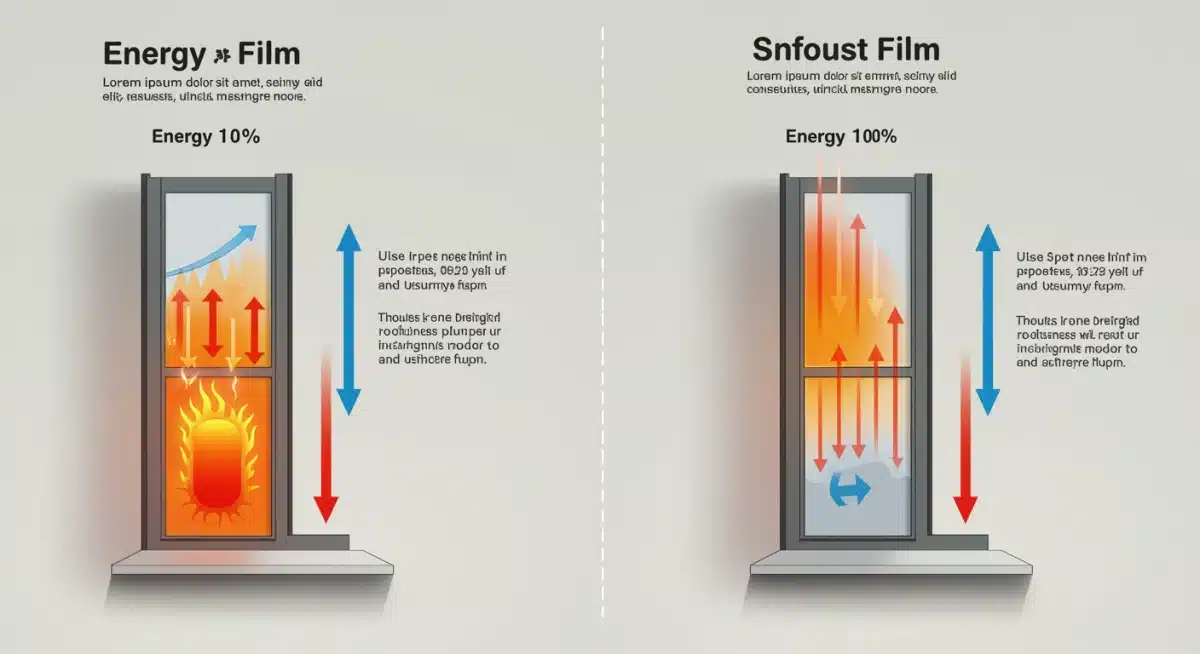
Every kilowatt-hour of electricity saved means less carbon dioxide released into the atmosphere. Smart window films play a direct role in this reduction by optimizing indoor temperatures naturally, thus lessening the reliance on energy-intensive heating and cooling cycles.
- Lower Energy Demand: Less energy consumed means less fuel burned at power plants.
- Reduced Emissions: A direct correlation exists between energy consumption and greenhouse gas emissions.
- Sustainable Living: Promotes a lifestyle that prioritizes resource conservation and environmental stewardship.
- Grid Stability: Decreased peak load demands can prevent blackouts and reduce the need for ‘peaker plants’ which are often less efficient and more polluting.
The environmental impact extends beyond just energy conservation. By preserving the lifespan of HVAC units due to reduced operational hours and lowering the need for frequent replacements, smart films also contribute to less waste in landfills. This holistic approach to sustainability makes smart window films an attractive option for environmentally conscious homeowners looking to make a meaningful difference.
Integration with Smart Home Systems in 2026
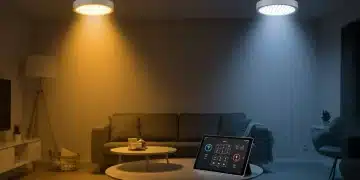
In 2026, the true power of smart window films is unlocked through seamless integration with existing smart home systems. No longer a standalone product, these films are designed to communicate and cooperate with other smart devices, creating a truly intelligent and responsive living environment. Imagine your smart thermostat, lighting system, and window films all working in concert to optimize comfort and energy usage based on real-time data and your personal preferences. This level of interconnectedness elevates the home automation experience, moving beyond mere convenience to genuine efficiency.
Many smart window films now come with open APIs or are compatible with popular smart home hubs like Amazon Alexa, Google Home, and Apple HomeKit. This allows homeowners to control their window tints with voice commands, schedule changes based on daily routines, or even set up automated responses to external factors. For instance, if a smart weather station detects an incoming heatwave, the window films could automatically tint to pre-emptively reduce solar heat gain, ensuring the home remains cool without manual intervention. This proactive approach to climate control is a hallmark of advanced smart homes today.
Automated Comfort and Efficiency
The integration capabilities of smart window films offer a new level of automated comfort and energy management that was once the realm of science fiction. These systems learn from your habits and preferences, continuously fine-tuning their performance.
- Personalized Schedules: Program tint levels to adjust based on your daily schedule, ensuring privacy and optimal lighting.
- Voice Control: Easily adjust films with simple voice commands through integrated smart assistants.
- Geofencing: Films can automatically adjust when you leave or approach your home, optimizing energy use when away and preparing for your arrival.
- Energy Management Dashboards: Access detailed reports on energy savings and film performance through a centralized smart home app, providing insights into your home’s efficiency.
The ability to integrate smart window films with other smart devices creates a synergistic effect, where the combined efficiency is greater than the sum of its parts. This holistic approach to home management not only maximizes energy savings but also provides an unparalleled level of convenience and personalized comfort, making smart homes truly live up to their name in 2026.
Future Outlook: Innovations and Widespread Adoption
The success of trials like the one demonstrating a 7% HVAC usage decrease for smart window films in 2026 is just the beginning. The future of this technology is ripe with potential for further innovation and widespread adoption, transforming the landscape of residential and commercial buildings. Researchers are continuously exploring new materials and manufacturing techniques to enhance performance, reduce costs, and broaden the applications of smart films. We can anticipate even greater energy savings, more sophisticated control options, and increased aesthetic versatility in the years to come.
One area of significant development is the integration of photovoltaic capabilities directly into window films, transforming windows into energy-generating surfaces. Imagine windows that not only block unwanted heat but also generate electricity, further reducing reliance on external power sources. This concept, known as transparent solar cells, is rapidly moving from laboratory experiments to commercial viability. As these technologies mature and become more affordable, smart window films could become a standard feature in new constructions and a highly sought-after upgrade for existing properties, driving a massive shift in how we think about building envelopes.
Emerging Technologies and Market Growth
The trajectory of smart window films points towards a future where they are an indispensable component of sustainable architecture and smart living.
- Self-Cleaning Properties: Future films may incorporate surfaces that repel dirt and water, reducing maintenance needs.
- Dynamic Privacy Control: Enhanced electrochromic films could offer instant, switchable privacy without compromising light transmission.
- Cost Reduction: As manufacturing scales and technologies become more refined, prices are expected to decrease, making them accessible to a broader market.
- Government Initiatives: Increased government incentives and building codes promoting energy efficiency will likely accelerate adoption rates.
The market for smart window films is projected to experience substantial growth, driven by environmental concerns, rising energy costs, and the increasing sophistication of smart home technologies. As more consumers become aware of the tangible benefits—both economic and environmental—and as the technology continues to evolve, smart window films are poised to become a ubiquitous feature in homes and buildings worldwide, solidifying their role as a cornerstone of future energy efficiency strategies.
| Key Aspect | Brief Description |
|---|---|
| HVAC Reduction | 3-month trial in 2026 showed a 7% decrease in HVAC usage, leading to significant energy savings. |
| Economic Benefits | Lower utility bills and a strong return on investment (ROI) due to reduced energy consumption. |
| Environmental Impact | Decreased carbon footprint and reduced reliance on fossil fuels, contributing to sustainability. |
| Smart Home Integration | Seamless compatibility with smart home systems for automated climate control and enhanced user experience. |
Frequently Asked Questions About Smart Window Films
Smart window films are advanced materials applied to windows that can dynamically adjust their tint or opacity. They typically use electrochromic or thermochromic technology, changing properties in response to electrical currents or temperature, thereby controlling light and heat transmission to optimize indoor comfort and energy usage.
The 7% reduction in HVAC usage is highly significant, representing tangible energy savings for homeowners. This figure, derived from a robust 3-month trial, indicates a substantial decrease in the energy required for heating and cooling, directly translating to lower utility bills and reduced environmental impact.
Installation typically requires professional application to ensure proper adhesion and functionality, especially for films with integrated electrical components. Maintenance is generally minimal, often involving standard window cleaning practices. Their durability is designed for long-term performance, making them a low-hassle energy solution.
Yes, most modern smart window films are designed for seamless integration with popular smart home platforms like Amazon Alexa, Google Home, and Apple HomeKit. This allows for automated control, personalized scheduling, and voice commands, enhancing overall home efficiency and user convenience.
While initial costs vary, the return on investment for smart window films is generally favorable due to consistent energy savings. With a 7% HVAC reduction, homeowners can expect to recoup their investment over several years, often accelerated by potential government incentives or utility rebates for energy-efficient upgrades.
Conclusion
The compelling evidence from the 2026 3-month trial, showcasing a 7% decrease in HVAC usage attributable to smart window films, unequivocally positions this technology as a cornerstone for future energy efficiency in homes. These films offer a potent combination of economic savings, environmental responsibility, and enhanced living comfort, all while seamlessly integrating into the evolving smart home ecosystem. As we move further into the 21st century, the adoption of such intelligent solutions will not only redefine our individual living spaces but also collectively propel us towards a more sustainable and energy-conscious future.