LED Lighting in 2026: A Comprehensive Guide to 80% Energy Reduction and Smart Integration
The dawn of 2026 heralds a new era in illumination, one where LED lighting is not just a choice but a cornerstone of sustainable living and intelligent infrastructure. The advancements in LED technology, coupled with the relentless march of smart integration, are poised to deliver unprecedented energy savings, with projections indicating a staggering 80% energy reduction across various sectors. This isn’t merely an incremental improvement; it’s a paradigm shift, redefining how we perceive, utilize, and benefit from light. As we delve into the intricacies of LED Lighting 2026, we will explore the technological breakthroughs, the economic imperatives, and the environmental dividends that make this future not just possible, but inevitable.
For decades, lighting has been a significant consumer of global energy. Traditional incandescent bulbs were notoriously inefficient, converting only a fraction of their energy into visible light, while the rest dissipated as heat. Fluorescent lights offered a better alternative, but still fell short of true efficiency and often contained hazardous materials. The advent of Light Emitting Diodes (LEDs) marked a revolutionary turning point. Initial LED iterations, while promising, were expensive and limited in scope. However, rapid innovation has transformed them into the most efficient, versatile, and cost-effective lighting solution available today. By 2026, the technology will have matured to a point where its capabilities extend far beyond simple illumination, integrating seamlessly into our digital lives and contributing significantly to global energy conservation efforts.
The promise of an 80% energy reduction is not an exaggeration. It’s a calculated outcome of several converging factors: hyper-efficient LED chips, advanced driver technologies, sophisticated optical designs, and, crucially, intelligent control systems. When these elements coalesce, the result is a lighting ecosystem that consumes dramatically less power, lasts significantly longer, and offers unparalleled control and adaptability. This comprehensive guide will dissect each of these components, providing a clear roadmap to understanding the transformative power of LED Lighting 2026 and its profound impact on our world.
The Evolution of LED Technology: Beyond Lumens Per Watt
The journey of LEDs from niche applications to mainstream adoption has been marked by continuous innovation. In 2026, the focus has shifted beyond merely increasing lumens per watt, though efficiency gains remain paramount. We are now seeing the widespread implementation of quantum dot technology in LEDs, which enhances color rendering index (CRI) and spectral quality while further boosting efficiency. This means not only brighter light but also light that more accurately renders colors, improving visual comfort and aesthetic appeal in various environments, from retail spaces to art galleries.
Another significant advancement is the miniaturization and increased power density of LED chips. This allows for more compact and versatile light fixtures, opening up new possibilities for architectural integration and design. Imagine ultra-thin light panels that blend seamlessly into ceilings or walls, or flexible LED strips that can conform to any shape, providing dynamic and customizable illumination. These innovations are not just about aesthetics; they also contribute to efficiency by allowing for more precise light distribution and reducing wasted light.
Furthermore, the thermal management of LEDs has seen remarkable progress. Heat is the primary enemy of LED longevity and efficiency. By 2026, advanced heat sink materials and designs, often incorporating graphene or other novel composites, will extend the lifespan of LED luminaires even further, reducing maintenance costs and waste. This ensures that the high initial efficiency of the LED chip is maintained throughout the entire operational life of the fixture, contributing to the overall energy savings target.
The development of tunable white LEDs is also reaching new heights. These systems can dynamically adjust their color temperature from warm to cool white, mimicking natural daylight cycles. This capability is crucial for human-centric lighting (HCL) designs, which aim to synchronize artificial lighting with our circadian rhythms, improving mood, productivity, and overall well-being. The precise control offered by these advanced LEDs is a key enabler for the smart integration aspects we will discuss later.
Finally, the manufacturing processes for LEDs have become significantly more sustainable. Reduced material usage, improved recycling programs for components, and lower energy consumption during production contribute to the overall environmental benefits of LED Lighting 2026. This holistic approach to efficiency, from production to operation, underscores the commitment to a truly sustainable lighting future.
Smart Integration: The Brains Behind the Energy Reduction
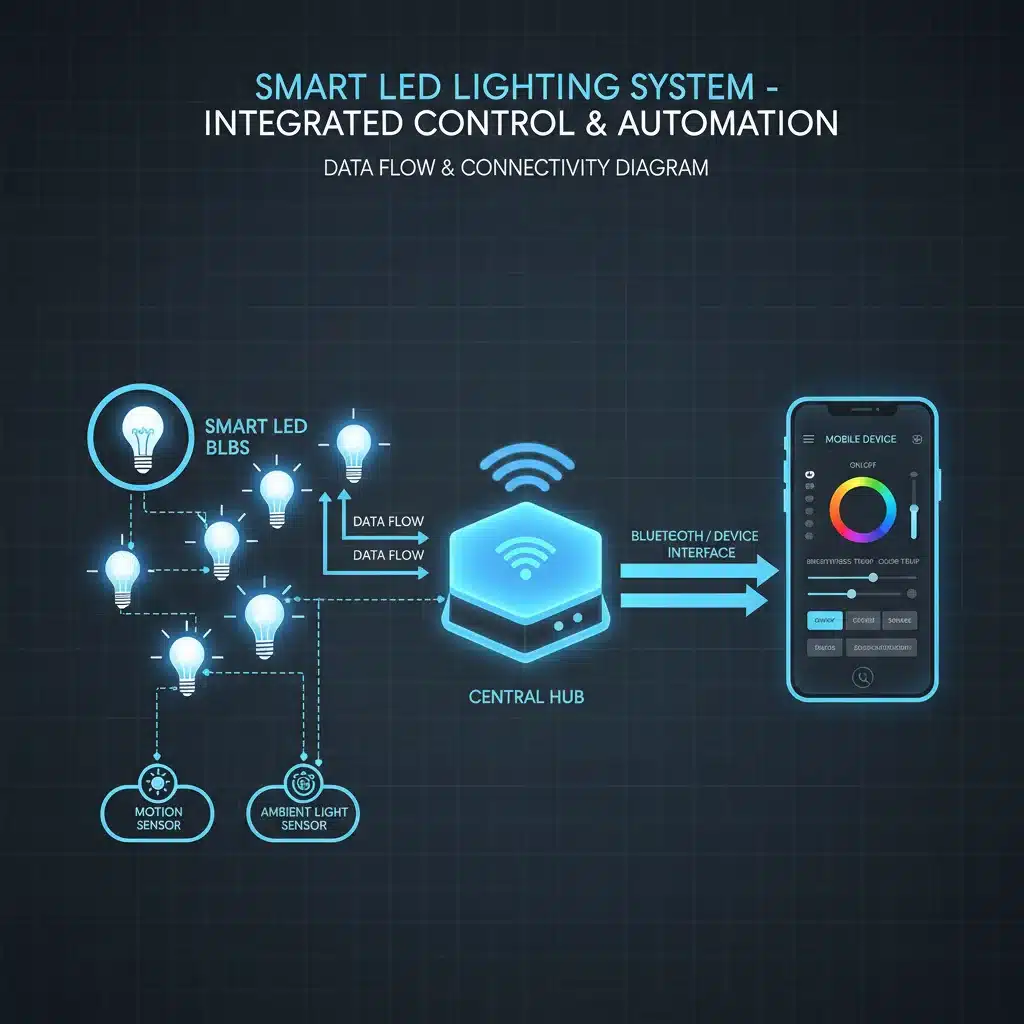
While efficient LED chips are the muscles, smart integration provides the brainpower for achieving an 80% energy reduction. By 2026, smart lighting systems will be ubiquitous, moving beyond simple on/off control to sophisticated, interconnected networks that optimize light delivery based on real-time data. This involves a complex interplay of sensors, communication protocols, and artificial intelligence (AI) algorithms.
Occupancy and daylight sensors are fundamental to smart lighting. These sensors detect the presence of people and the amount of natural light available, adjusting artificial lighting levels accordingly. In a typical office building, for instance, lights in unoccupied areas can be dimmed or turned off entirely, while areas near windows can have their artificial lighting reduced when sufficient daylight is present. This dynamic adaptation eliminates wasted energy from lighting empty rooms or over-illuminating spaces already bathed in natural light.
The power of smart integration truly shines when combined with advanced control systems. These systems often leverage IoT (Internet of Things) platforms, allowing individual light fixtures or groups of fixtures to be controlled remotely and programmed with intricate schedules and scenarios. Imagine a retail store where lighting changes dynamically to highlight specific products, or a smart city where streetlights adjust their intensity based on traffic flow and pedestrian activity, only illuminating full power when needed.
The Role of AI and Machine Learning
By 2026, AI and machine learning will play a pivotal role in optimizing smart lighting systems. These intelligent algorithms can analyze historical data on occupancy patterns, daylight availability, and energy consumption to predict future needs and proactively adjust lighting settings. For example, an AI-powered system might learn that a particular meeting room is always empty between 12 PM and 1 PM on Tuesdays and automatically dim the lights during that period, even without immediate sensor input. This predictive capability further refines energy savings and enhances user experience.
Furthermore, AI can facilitate predictive maintenance. By monitoring the performance of individual LED luminaires, the system can identify potential failures before they occur, allowing for proactive replacement and minimizing disruption. This not only saves on maintenance costs but also ensures consistent and reliable illumination, a critical factor in many commercial and industrial settings.
Seamless Connectivity: The Backbone of Smart Lighting
Connectivity is the bedrock of smart integration. By 2026, various communication protocols will be seamlessly integrated, including Wi-Fi, Bluetooth Mesh, Zigbee, and even 5G for larger deployments. These protocols enable devices to communicate with each other and with central control hubs, forming a robust and responsive lighting network. The move towards open standards and interoperability will ensure that different manufacturers’ products can work together, providing greater flexibility and choice for consumers and businesses.
Power over Ethernet (PoE) lighting systems are also gaining significant traction. PoE delivers both power and data over a single Ethernet cable, simplifying installation, reducing cabling costs, and providing a highly stable and secure network connection. This is particularly beneficial for commercial buildings and smart office environments, where granular control and data analytics are highly valued. The simplicity of PoE installations further accelerates the adoption of advanced LED Lighting 2026 solutions.
Economic and Environmental Benefits of 80% Energy Reduction
The 80% energy reduction projected for LED Lighting 2026 translates into substantial economic and environmental benefits, impacting individuals, businesses, and the planet as a whole.
Unprecedented Cost Savings
For businesses, the most immediate and tangible benefit is the dramatic reduction in electricity bills. Lighting typically accounts for a significant portion of a building’s energy consumption. Cutting this by 80% frees up substantial operational capital that can be reinvested in other areas, fostering growth and innovation. The long lifespan of LEDs also means fewer replacements, reducing maintenance costs and the associated labor. While the initial investment in smart LED systems might be higher than traditional lighting, the rapid return on investment (ROI) makes it an economically sound decision.
Homeowners also stand to benefit from lower utility bills, making smart LED upgrades an attractive proposition. The decreasing cost of LED technology combined with government incentives for energy-efficient solutions further sweetens the deal, making advanced lighting accessible to a broader demographic.
Reduced Carbon Footprint
From an environmental perspective, the energy savings are monumental. A significant reduction in electricity consumption directly translates to a decrease in greenhouse gas emissions, particularly if the electricity is generated from fossil fuels. This makes LED Lighting 2026 a critical tool in the fight against climate change, helping nations meet their carbon reduction targets and contributing to a healthier planet. The extended lifespan of LEDs also means less waste ending up in landfills, further reducing environmental impact.
Moreover, the adoption of sustainable materials in LED manufacturing and the development of robust recycling programs for end-of-life products will further enhance the environmental credentials of the industry. This holistic approach ensures that the entire lifecycle of LED products is as eco-friendly as possible.
Enhanced Productivity and Well-being
Beyond direct economic and environmental benefits, smart LED lighting systems contribute to enhanced productivity and well-being. Human-centric lighting, which dynamically adjusts color temperature and intensity, has been shown to improve mood, reduce eye strain, and boost cognitive performance in office environments. In educational settings, optimized lighting can lead to better concentration and learning outcomes. In healthcare facilities, it can aid patient recovery and improve staff alertness.
The ability to customize lighting scenes also creates more comfortable and inviting spaces, whether in a home, a retail store, or a restaurant. This adaptability contributes to a higher quality of life and a more pleasant experience for occupants and visitors alike.
Key Applications and Future Trends for LED Lighting 2026
The applications for advanced LED Lighting 2026 are vast and varied, touching almost every aspect of our lives. Here’s a look at some key areas and emerging trends:
Smart Cities and Infrastructure
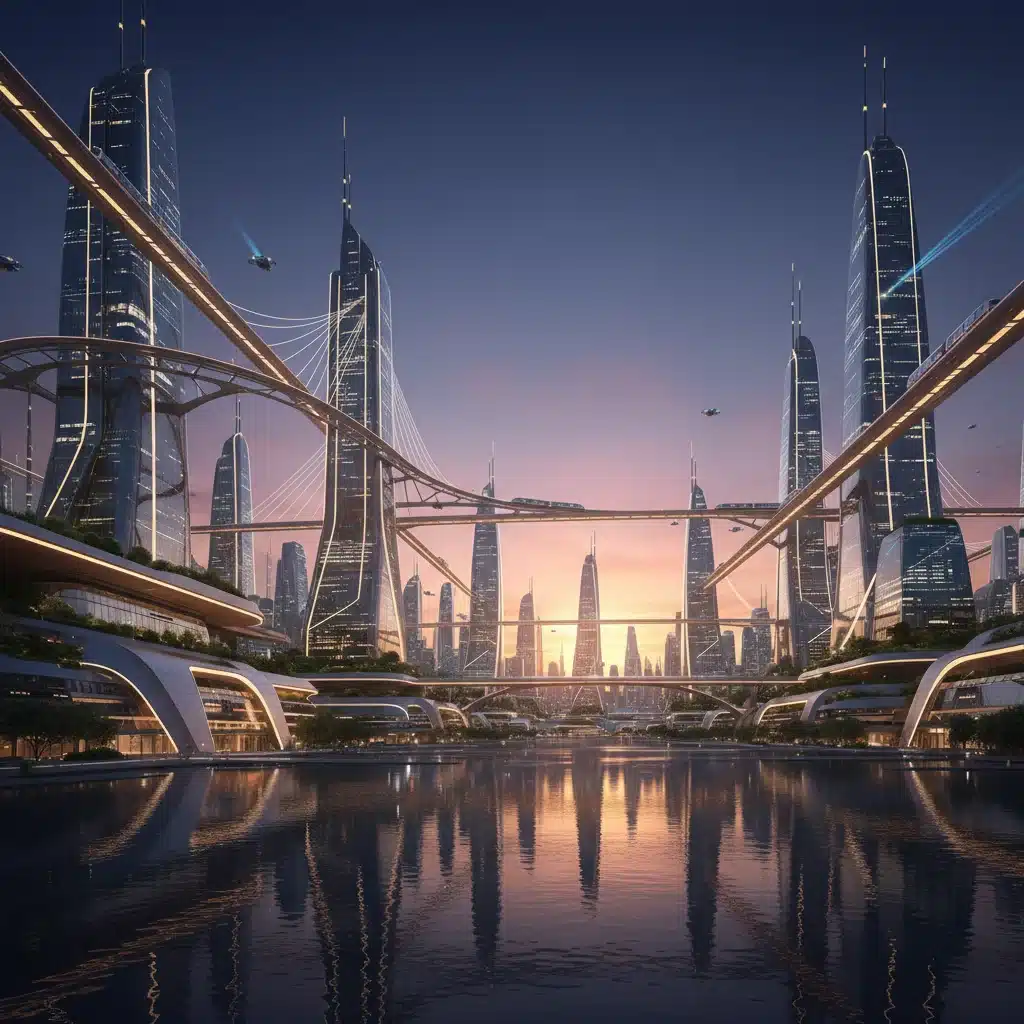
Smart city initiatives are a prime beneficiary of advanced LED technology. Connected streetlights equipped with sensors can monitor air quality, traffic flow, and even detect unusual activity, feeding data back to a central command center. This not only optimizes energy consumption for public lighting but also enhances public safety and provides valuable data for urban planning. Imagine streetlights that brighten automatically when pedestrians are detected, then dim when the area is clear, saving energy without compromising safety.
Commercial and Industrial Spaces
Warehouses, factories, and office buildings are undergoing a lighting revolution. High-bay and low-bay LED fixtures with integrated sensors and controls can provide targeted illumination, reduce energy waste, and improve worker safety. In offices, dynamic lighting systems that adapt to daylight and occupancy create more comfortable and productive work environments. The data collected from these systems can also inform space utilization strategies and energy management decisions.

Residential Smart Homes
The smart home market continues to grow, and LED lighting is at its core. Homeowners can control their lighting from anywhere using smartphones, set schedules, create custom scenes for different moods or activities, and even integrate lighting with other smart home devices like thermostats and security systems. Voice control integration with virtual assistants like Alexa and Google Assistant makes managing home lighting effortless and intuitive.
Horticultural Lighting (Grow Lights)
Beyond general illumination, specialized LED grow lights are transforming agriculture. By 2026, advanced spectral tuning capabilities will allow farmers to precisely tailor light recipes to specific crops, optimizing growth rates, yield, and nutritional content. This is crucial for indoor farming, vertical farms, and urban agriculture, contributing to food security and sustainable food production.
Li-Fi Technology
An exciting future trend is the integration of Li-Fi (Light Fidelity) into LED luminaires. Li-Fi uses light waves to transmit data, offering high-speed, secure wireless communication. Imagine your LED lights not only illuminating your space but also providing a high-bandwidth internet connection. This has profound implications for data security, connectivity in sensitive environments, and reducing electromagnetic interference, paving the way for truly integrated smart environments.
Personalized and Adaptive Lighting
As AI and sensor technology become more sophisticated, LED lighting systems will become increasingly personalized and adaptive. They will learn individual preferences and adapt to changing environmental conditions without explicit user input. This could mean lighting that automatically adjusts to your mood, activity, or even your health metrics, creating truly responsive and intelligent living spaces.
Challenges and Considerations
While the future of LED Lighting 2026 is bright, there are still challenges and considerations that need to be addressed to fully realize its potential.
Standardization and Interoperability
The rapid evolution of smart lighting technologies has led to a proliferation of proprietary systems and communication protocols. Ensuring standardization and interoperability between different manufacturers’ products is crucial for widespread adoption and seamless integration. Industry bodies are working towards common standards, but continued effort is needed to avoid fragmentation.
Data Security and Privacy
As smart lighting systems collect more data about occupancy, usage patterns, and even environmental conditions, concerns about data security and privacy will intensify. Robust cybersecurity measures and clear privacy policies are essential to build trust and protect sensitive information, especially in commercial and public deployments.
Initial Investment Costs
While the long-term savings are significant, the upfront cost of implementing advanced smart LED lighting systems can still be a barrier for some individuals and smaller businesses. Government incentives, rebates, and financing options will play a crucial role in accelerating adoption and making these technologies more accessible.
Complexity of Installation and Configuration
The sophistication of smart lighting systems can sometimes lead to complex installation and configuration processes. User-friendly interfaces, simplified setup procedures, and readily available technical support will be vital to ensure that these powerful systems are easy to deploy and manage for a wider audience.
Awareness and Education
Despite the clear benefits, there is still a need for greater awareness and education about the full capabilities and advantages of modern LED lighting. Many consumers and businesses may still view LEDs as simple replacements for older bulbs, unaware of the transformative potential of smart, integrated systems. Marketing and educational campaigns will be key to highlighting the value proposition of LED Lighting 2026.
Conclusion: Illuminating a Sustainable Future with LED Lighting 2026
The landscape of illumination is undergoing a profound transformation, with LED Lighting 2026 at the forefront of this revolution. The convergence of hyper-efficient LED technology with advanced smart integration is not just promising; it’s delivering on the pledge of an 80% energy reduction across homes, businesses, and entire cities. This isn’t merely about saving money; it’s about building a more sustainable, efficient, and intelligent future.
From quantum dot enhancements and advanced thermal management to the pervasive intelligence of AI-driven control systems and the seamless connectivity of IoT platforms, every aspect of LED lighting is being refined for optimal performance. The economic benefits are undeniable, with significant reductions in operational costs and maintenance. Environmentally, the impact is even more profound, contributing substantially to carbon footprint reduction and waste minimization efforts.
As we look towards 2026 and beyond, the applications of this technology will continue to expand, from smart cities and sophisticated commercial spaces to personalized residential environments and even advanced horticultural applications. The challenges of standardization, data security, and initial investment are being actively addressed, paving the way for even broader adoption.
Embracing the advancements in LED Lighting 2026 is no longer an option but a necessity for anyone looking to optimize energy consumption, enhance quality of life, and contribute to a greener planet. The future of light is here, and it’s brighter, smarter, and significantly more efficient than ever before. Prepare to be amazed by the transformative power of intelligent illumination.