Home Energy Storage Solutions 2026: Maximize Solar Savings by 35% with Battery Systems
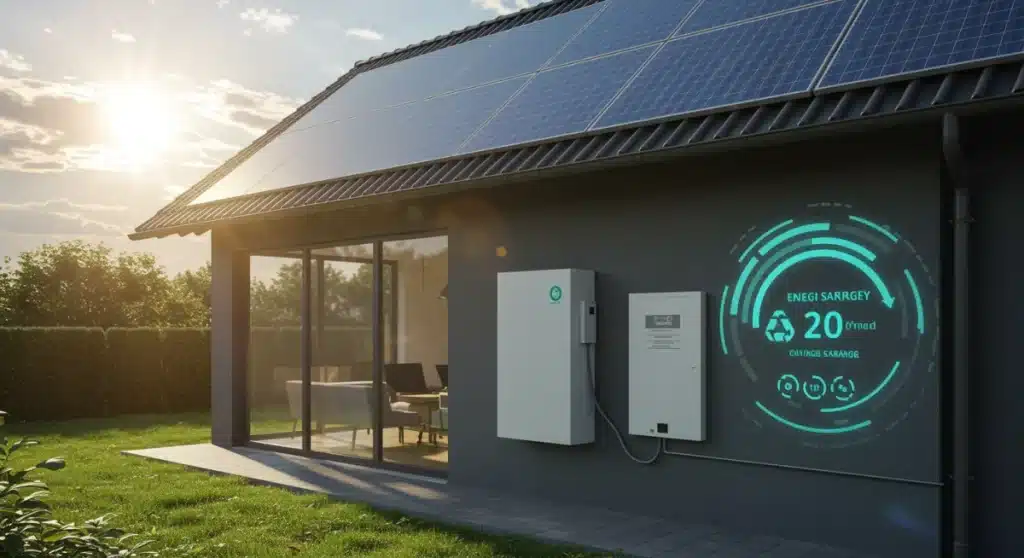
Home Energy Storage Solutions 2026: Maximize Solar Savings by 35% with Battery Systems
The energy landscape is evolving rapidly, and at the forefront of this transformation are advanced home energy storage solutions. As we look towards 2026 and beyond, the integration of solar power with sophisticated battery systems is no longer a luxury but a strategic imperative for homeowners seeking greater energy independence, resilience, and substantial financial savings. Projections indicate that by embracing these cutting-edge technologies, households can realistically expect to boost their solar savings by an impressive 35%.
This comprehensive guide delves into the world of home energy storage, exploring the technologies, benefits, and future trends that will shape our energy consumption habits. We’ll uncover how these systems work, why they are becoming indispensable for solar owners, and what you need to consider when making the leap to a more sustainable and cost-effective energy future.
The Dawn of Energy Independence: Why Home Energy Storage Matters
For decades, reliance on the traditional grid has been the norm. However, with increasing energy costs, grid instability, and a growing environmental consciousness, homeowners are actively seeking alternatives. Solar panels have paved the way, offering a clean, renewable source of electricity. Yet, solar power’s intermittent nature – generating electricity only when the sun shines – has historically presented a challenge.
This is precisely where home energy storage systems, particularly battery storage, step in. By capturing and storing excess solar energy generated during peak sunlight hours, these systems enable homeowners to use that power later, even when the sun isn’t shining. This fundamental capability unlocks a multitude of benefits, transforming a solar installation from a mere electricity generator into a comprehensive energy management solution.
Understanding the Core Technology: How Home Battery Systems Work
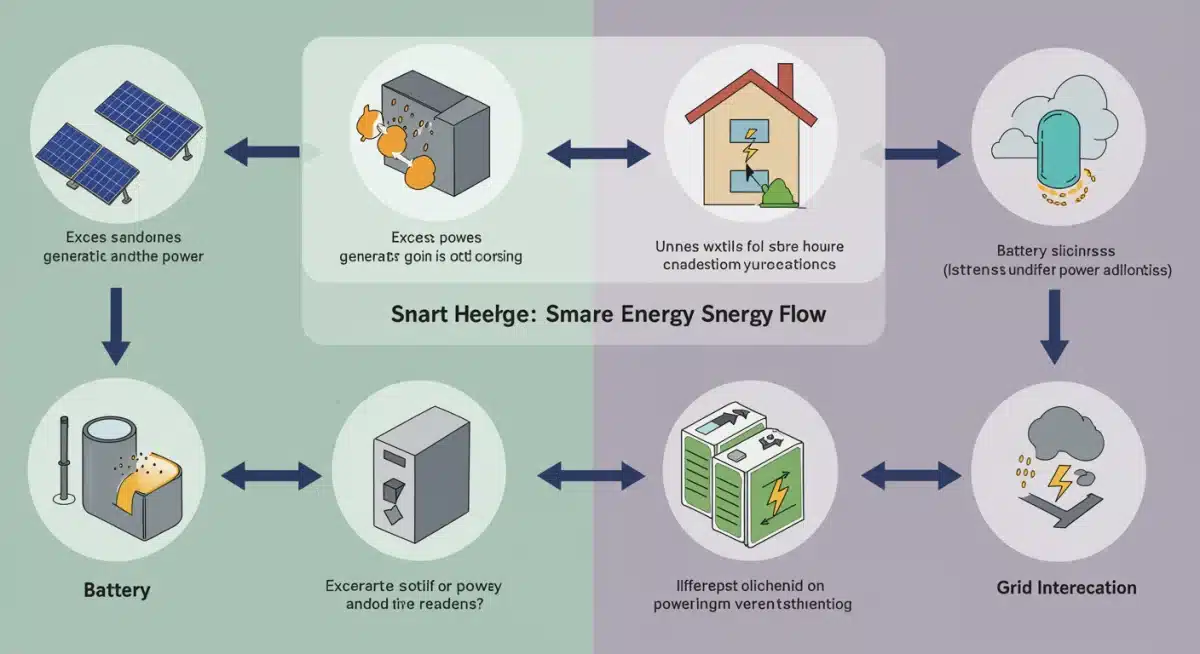
At its heart, a home battery storage system is deceptively simple. It consists of rechargeable batteries, an inverter (often integrated with the battery or the solar inverter), and a sophisticated energy management system. Here’s a simplified breakdown of the process:
- Solar Generation: Your solar panels convert sunlight into direct current (DC) electricity.
- Power Conversion: An inverter converts this DC electricity into alternating current (AC) electricity, which is what your home appliances use.
- Energy Distribution: The generated AC electricity powers your home’s immediate needs.
- Excess Storage: If your solar panels produce more electricity than your home is currently consuming, the surplus is directed to your battery system for storage.
- Discharge and Usage: When solar production is low (e.g., at night, during cloudy weather) or when grid electricity prices are high, the battery discharges its stored energy to power your home.
- Grid Interaction: Depending on your setup and local regulations, any remaining excess solar power (after charging the battery) can be sent back to the grid, often earning you credits through net metering. Conversely, if your battery is depleted and solar production is insufficient, your home draws power from the grid.
The energy management system acts as the brain, intelligently orchestrating the flow of electricity to optimize usage, maximize savings, and ensure continuous power supply. This intelligent management is key to unlocking the projected 35% solar savings.
The Economic Imperative: Maximizing Solar Savings by 35% with Home Energy Storage
The promise of a 35% increase in solar savings isn’t hyperbole; it’s a realistic outcome driven by several economic factors that home energy storage systems effectively address.
Time-of-Use (TOU) Rates Optimization
Many utility companies employ Time-of-Use (TOU) rates, where electricity prices vary throughout the day, being significantly higher during peak demand periods (e.g., late afternoon and early evening). Without battery storage, solar owners are forced to draw expensive grid power during these peak times, even if they generated ample solar energy earlier in the day.
A home energy storage system allows you to store your cheap, self-generated solar power and use it during these expensive peak hours. This practice, known as "load shifting" or "arbitrage," dramatically reduces your reliance on high-cost grid electricity, directly translating into substantial savings. By strategically discharging the battery when grid prices are highest, you can effectively "buy low" (from your sun) and "use high" (when grid prices are elevated).
Reduced Dependence on Net Metering
While net metering has been a cornerstone of solar adoption, allowing homeowners to send excess power back to the grid for credits, its future is uncertain in some regions, and compensation rates are often declining. Home energy storage offers a hedge against these changes. By consuming more of your self-generated power rather than exporting it, you become less reliant on net metering policies and more self-sufficient.
Backup Power During Outages
Beyond daily savings, the peace of mind offered by backup power is invaluable. When the grid goes down, a solar system without battery storage also goes down for safety reasons (to prevent back-feeding the grid). With home energy storage, your essential circuits (or even your entire home, depending on system size) can remain powered during an outage. This avoids costly disruptions, food spoilage, and the inconvenience of being without power, adding another layer of economic and practical value.
Increased Self-Consumption and Energy Efficiency
The primary driver of increased savings is simply using more of the energy you generate. Without storage, a significant portion of your solar production might be exported to the grid at rates lower than what you pay to import power. With a battery, you maximize your self-consumption, ensuring that every kilowatt-hour your panels produce is put to optimal use within your home. This inherent efficiency contributes directly to the 35% savings potential.
Key Technologies and Trends Shaping Home Energy Storage by 2026
The rapid pace of innovation in battery technology is a major factor in the growing appeal and affordability of home energy storage. Here are some key technologies and trends to watch:
Lithium-Ion Batteries Dominance
Lithium-ion batteries, particularly Lithium Iron Phosphate (LFP) chemistry, continue to dominate the residential storage market due to their high energy density, long cycle life, and improving safety profiles. LFP batteries offer superior thermal stability and a longer lifespan compared to other lithium-ion variants, making them ideal for home applications.
Modular and Scalable Systems
Manufacturers are increasingly offering modular battery systems, allowing homeowners to start with a smaller capacity and expand it as their energy needs grow or as budget allows. This flexibility makes home energy storage more accessible and adaptable to varying household requirements.
Integrated Inverter Solutions
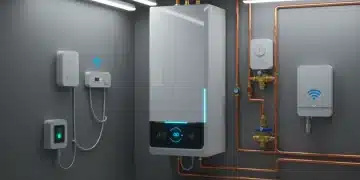
The trend towards integrated solutions, where the battery and inverter are combined into a single unit, simplifies installation and improves overall system efficiency. Hybrid inverters, which can manage both solar and battery power, are becoming standard, streamlining the entire energy ecosystem.
Smart Energy Management and AI
The true intelligence behind maximizing savings comes from advanced energy management systems (EMS). These systems leverage artificial intelligence (AI) and machine learning to predict energy consumption patterns, optimize battery charging and discharging cycles based on weather forecasts, utility rates, and household habits. This predictive capability is crucial for achieving the highest possible savings from your home energy storage system.
Vehicle-to-Home (V2H) and Vehicle-to-Grid (V2G) Integration
As electric vehicles (EVs) become more prevalent, the concept of using an EV’s battery as an additional home energy storage unit is gaining traction. V2H technology allows power from your EV to flow into your home, while V2G enables it to send power back to the grid. This bidirectional energy flow represents a significant leap in maximizing energy assets and further enhancing energy independence.
Choosing the Right Home Energy Storage System: Key Considerations
Investing in a home energy storage system requires careful consideration. Here are the critical factors to evaluate:
Capacity (kWh)
This refers to the amount of energy the battery can store. Your ideal capacity depends on your daily energy consumption, the size of your solar array, and your goals (e.g., backup for essential loads vs. whole-home backup). A qualified installer can help you right-size your system.
Power Output (kW)
This indicates how much power the battery can deliver at any given moment. Higher power output is crucial if you plan to run multiple high-demand appliances simultaneously during an outage or when discharging the battery.
Cycle Life and Warranty
Battery life is measured in cycles (one full charge and discharge). Look for systems with a high cycle life (e.g., 6,000 to 10,000 cycles) and a comprehensive warranty that covers both capacity degradation and performance over a specified period (typically 10-12 years).
Efficiency
Round-trip efficiency measures how much energy is lost during the charging and discharging process. Higher efficiency means more of your stored solar energy is available for use.
Safety Features
Ensure the system incorporates robust safety features, including thermal management, overcharge/discharge protection, and fire suppression. Reputable brands adhere to stringent safety standards.
Compatibility with Existing Solar
If you already have solar panels, confirm that the chosen battery system is compatible with your existing inverter and overall setup. Many modern batteries are designed to be easily integrated into existing solar installations.
Installation and Maintenance
Consider the ease of installation and any ongoing maintenance requirements. Most modern home battery systems are designed for minimal maintenance.
The Environmental and Societal Impact of Widespread Home Energy Storage
Beyond the individual financial benefits, the widespread adoption of home energy storage has profound environmental and societal implications.
Reduced Carbon Footprint
By enabling greater self-consumption of solar energy and reducing reliance on fossil fuel-generated grid power, these systems significantly lower household carbon emissions. This is a crucial step towards combating climate change and achieving global sustainability goals.
Enhanced Grid Stability and Resilience
A distributed network of home energy storage systems can act as a "virtual power plant," providing valuable services to the grid. Batteries can absorb excess renewable energy when production is high and feed it back during peak demand, helping to stabilize the grid, reduce strain on infrastructure, and prevent blackouts. This resilience is increasingly important in the face of extreme weather events and an aging grid infrastructure.
Empowering Consumers and Local Grids
Home energy storage empowers consumers by giving them greater control over their energy usage and costs. It also fosters the development of more localized and resilient energy grids, reducing the need for massive, centralized power plants and long-distance transmission lines.
The Future is Bright: Home Energy Storage Beyond 2026
Looking past 2026, the trajectory for home energy storage is one of continued innovation and integration. We can anticipate:
- Lower Costs: Battery prices are expected to continue their downward trend, making storage even more accessible to the average homeowner.
- Higher Energy Density: Future batteries will likely pack more energy into smaller, lighter footprints, offering greater flexibility in installation.
- Advanced Grid Services: Home batteries will play an even more active role in supporting the grid, participating in demand response programs and providing ancillary services that benefit the entire energy ecosystem.
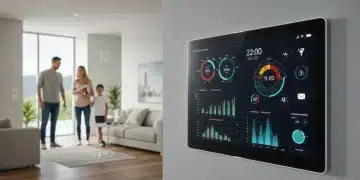
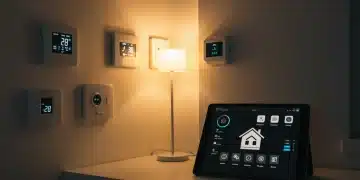
- Seamless Integration with Smart Homes: Energy storage will become an integral part of smart home ecosystems, optimizing energy use across all connected devices and appliances.
- New Battery Chemistries: While lithium-ion will remain dominant, research into alternative battery chemistries (e.g., solid-state, flow batteries) may introduce even more efficient, safer, and sustainable options.
Realizing Your 35% Savings: A Step-by-Step Approach
Achieving the projected 35% increase in solar savings with home energy storage is a tangible goal. Here’s how to approach it:
- Assess Your Energy Needs: Understand your household’s daily and peak energy consumption patterns. Review past utility bills to identify trends and potential areas for savings.
- Evaluate Your Solar System: If you already have solar, assess its production capabilities. If you’re new to solar, ensure your system is sized appropriately for your current and future needs, factoring in the addition of storage.
- Research Battery Options: Explore different battery manufacturers and models, considering capacity, power output, warranty, and safety features. Read reviews and compare specifications.
- Consult with Qualified Installers: This is a crucial step. Work with experienced solar and storage installers who can design a system tailored to your specific requirements, local climate, and utility regulations. They can provide accurate cost estimates and payback periods.
- Understand Incentives and Rebates: Investigate federal, state, and local incentives, tax credits, and rebates for solar and storage. These can significantly reduce the upfront cost of your system and improve your return on investment. The federal Investment Tax Credit (ITC) for solar and storage is a major financial driver.
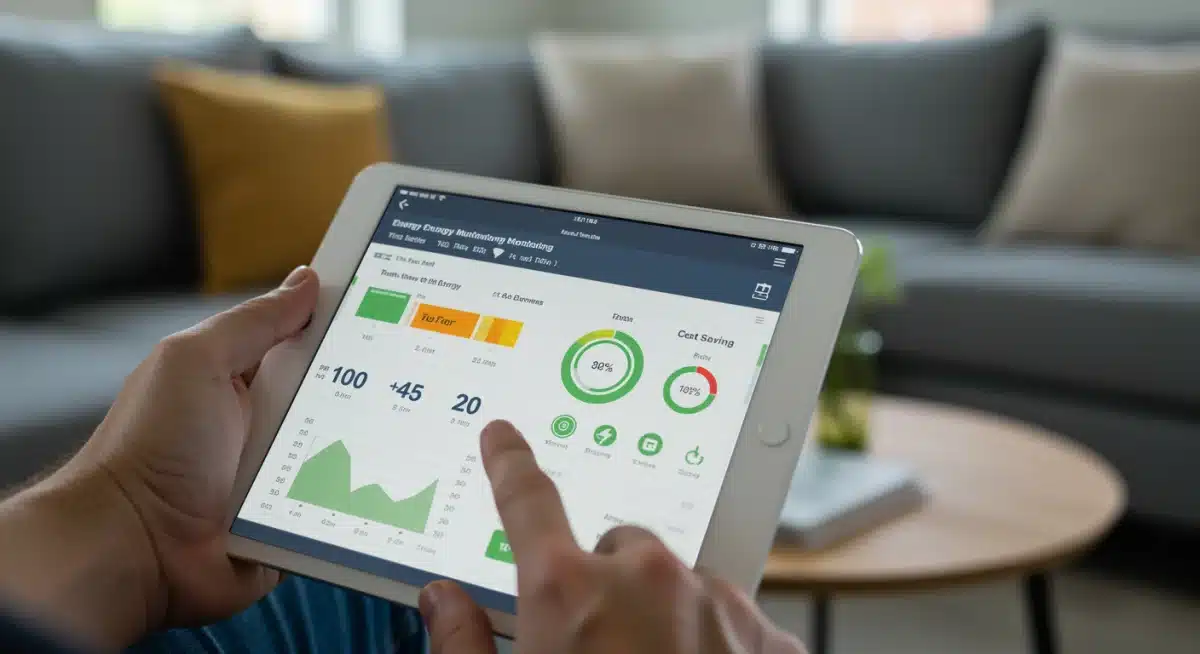
- Monitor and Optimize: Once installed, actively monitor your system’s performance through the provided energy management app. Many systems offer insights and recommendations to further optimize energy usage and maximize savings. Adjust your energy habits to align with your system’s capabilities.
Addressing Common Concerns About Home Energy Storage
Despite the numerous benefits, potential adopters often have questions and concerns about home energy storage. Let’s address some of the most common ones:
Is Home Energy Storage Worth the Investment?
The upfront cost of a battery system is a significant consideration. However, with declining battery prices, increasing electricity rates, and valuable incentives, the return on investment (ROI) is becoming increasingly attractive. The projected 35% savings, coupled with energy independence and backup power, often makes it a worthwhile long-term investment. Consider the full lifecycle costs and benefits, not just the initial price tag.
What About Battery Degradation?
All batteries experience some degradation over time. However, modern home energy storage batteries are designed for thousands of cycles and typically come with warranties guaranteeing a certain percentage of original capacity after 10 years. This degradation is factored into the system’s expected lifespan and performance.
Are Home Batteries Safe?
Safety is a top priority for manufacturers. Reputable battery systems undergo rigorous testing and meet strict safety standards. They incorporate advanced battery management systems (BMS) to prevent overcharging, overheating, and other potential issues. Proper installation by certified professionals is also key to ensuring safe operation.
How Long Does a Home Battery Last During an Outage?
The duration a battery can power your home during an outage depends on its capacity and your energy consumption during that period. A typical home battery might provide several hours to a day or more of power for essential loads (lights, refrigerator, Wi-Fi). Sizing the system correctly based on your critical loads is important for managing expectations during an outage.
Can I Add a Battery to My Existing Solar System?
Yes, in many cases, you can retrofit a battery system to an existing solar installation. This often involves adding a "AC-coupled" battery system that works alongside your current solar inverter. A professional installer can assess your current setup and recommend the best integration strategy.
Conclusion: Embrace the Future of Home Energy with Storage
The landscape of residential energy is undeniably shifting towards greater self-reliance, efficiency, and sustainability. By 2026, home energy storage solutions will be a mainstream component of solar-powered homes, enabling significant financial savings, enhanced energy security, and a reduced environmental footprint. The ability to maximize solar savings by 35% is a compelling incentive for homeowners to embrace these intelligent battery systems.
As technology continues to advance and costs continue to decrease, the decision to integrate home energy storage into your solar setup will become not just an intelligent financial move, but a commitment to a more resilient and sustainable future. Take the proactive step today to explore how these powerful solutions can transform your home’s energy profile and unlock unparalleled savings.