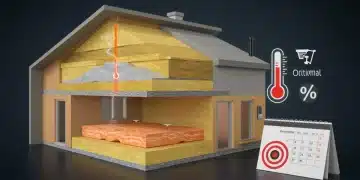
Master Window and Door Sealing DIY: Save 10% Energy in 2026

Master Window and Door Sealing DIY: Prevent 10% of Home Energy Loss in 2026
As we navigate further into 2026, the imperative for energy efficiency in our homes has never been more critical. With rising energy costs and a collective global push towards sustainability, understanding how to effectively reduce your household’s energy consumption is not just a smart financial move but also an environmental responsibility. One of the most overlooked yet impactful areas for improvement lies in proper window door sealing. Experts estimate that inadequate sealing around windows and doors can lead to a significant portion of a home’s energy loss—potentially up to 10% or even more. Imagine reclaiming that lost energy, translating directly into tangible savings on your utility bills and a more comfortable living environment.
This comprehensive DIY guide is designed to empower you with the knowledge and practical steps needed to master window door sealing. We’ll delve into why sealing is so crucial, the common culprits behind energy leaks, the essential tools and materials you’ll need, and detailed, step-by-step instructions for tackling various sealing projects. Whether you’re a seasoned DIY enthusiast or a complete beginner, this article will equip you with the confidence to transform your home into an energy-efficient sanctuary. By the end, you’ll be well on your way to preventing that 10% energy loss, making your home more comfortable, and contributing to a greener future.
Understanding the Impact of Poor Window Door Sealing on Energy Efficiency
Before we dive into the ‘how-to’, it’s vital to grasp the ‘why’. Your home’s envelope—the physical barrier between the conditioned interior and the unconditioned exterior—plays a pivotal role in maintaining indoor temperatures. Windows and doors, while essential for light, access, and ventilation, are often the weakest links in this envelope. Small gaps, cracks, and deteriorating seals allow conditioned air (heated in winter, cooled in summer) to escape, and unconditioned air to infiltrate. This phenomenon, known as air leakage or drafts, forces your heating, ventilation, and air conditioning (HVAC) system to work harder, consuming more energy and driving up your utility bills.
The cumulative effect of these seemingly minor leaks can be substantial. Studies consistently show that air leakage accounts for a significant percentage of a home’s total energy consumption. Focusing on window door sealing can yield immediate and noticeable improvements. Beyond energy savings, a properly sealed home offers enhanced comfort by eliminating cold drafts, reducing outside noise, and improving indoor air quality by keeping out dust, pollen, and insects. It’s a win-win scenario for both your wallet and your well-being.
Common Culprits: Where Energy Leaks Hide
Identifying the sources of air leaks is the first step towards effective sealing. While some leaks are obvious, others can be subtle and require a keen eye or a simple diagnostic test. Here are the usual suspects:
- Around Window Frames: Gaps between the window frame and the wall, or between the sash and the frame.
- Around Door Frames: Similar to windows, gaps between the door frame and the wall, or between the door slab and the frame.
- Under Doors: Gaps beneath exterior doors, especially those without proper door sweeps.
- Cracked or Deteriorated Caulk: Old caulk around window and door trim can dry out, crack, and shrink, creating pathways for air.
- Worn Weatherstripping: The compressible material around the perimeter of operable windows and doors can become flattened, brittle, or fall off over time.
- Mail Slots and Pet Doors: These can be significant sources of drafts if not properly sealed or insulated.
- Electrical Outlets and Light Switches on Exterior Walls: Though not directly related to windows and doors, these can also be sources of air leakage that are often overlooked.
Essential Tools and Materials for Effective Window Door Sealing
Embarking on any DIY project requires the right arsenal of tools and materials. For window door sealing, most items are readily available at hardware stores and are relatively inexpensive, making this a highly cost-effective home improvement project. Investing in quality materials will ensure longevity and maximum energy savings.
Tools You’ll Need:
- Caulk Gun: Essential for applying caulk smoothly and evenly.
- Utility Knife or Putty Knife: For removing old caulk and weatherstripping.
- Cleaning Supplies: Rags, brushes, and a mild cleaner to prepare surfaces.
- Measuring Tape: For accurate sizing of weatherstripping and door sweeps.
- Scissors or Tin Snips: For cutting weatherstripping.
- Screwdriver: For adjusting door thresholds or installing new hardware.
- Work Gloves: To protect your hands.
- Drop Cloths: To protect floors and furniture.
- Optional: Infrared Thermometer or Smoke Pencil: For identifying hidden drafts.
Materials for Window Door Sealing:
- Caulk: This is a cornerstone of sealing. Different types are suited for different applications:
- Acrylic Latex Caulk: Paintable, easy to clean up with water, ideal for indoor applications with minimal expansion/contraction.
- Silicone Caulk: Highly flexible, durable, water-resistant, excellent for outdoor use and areas with significant movement. Not paintable.
- Polyurethane Caulk: Extremely durable, flexible, and adhesive, suitable for high-stress outdoor applications but harder to work with.
- Butyl Rubber Caulk: Good for sealing dissimilar materials and areas with high movement.
- Weatherstripping: Comes in various forms, each with specific applications:
- Self-Adhesive Foam Tape: Easy to install, good for gaps that are consistent and not too large. Best for windows and less-used doors.
- V-Strip (Tension Seal): Made of plastic or metal, folds into a V-shape to create a seal when compressed. Durable for window sashes and door frames.
- Tubular Gaskets (Bulb Type): Creates a tight seal, good for larger, irregular gaps around doors.
- Felt or Brush Type: Best for sliding windows and doors where friction is needed.
- Door Sweeps: Attached to the bottom of doors to seal the gap between the door and the threshold. Available in brush, vinyl, or rubber fins.
- Door Thresholds: Can often be adjusted or replaced to create a tighter seal with the door sweep.
- Backer Rod: A foam rod used to fill large gaps before applying caulk, saving on caulk usage and improving flexibility.
- Insulating Foam Sealant (Spray Foam): For filling larger gaps and cracks around window and door frames that are hidden from view. Use minimal-expanding foam for windows and doors to avoid bowing frames.
Step-by-Step Guide to Window Sealing
Windows are often the primary culprits for energy loss. Addressing them systematically will yield significant results in your window door sealing efforts.
1. Inspect and Identify Leaks:
Before you start, conduct a thorough inspection. On a windy day, hold a lit incense stick or a smoke pencil around the edges of closed windows. If the smoke wavers or is drawn inward/outward, you have an air leak. Pay attention to the areas where the window frame meets the wall, and where the sashes meet the frame.
2. Prepare the Surface:
This is a crucial step for effective adhesion. Use a utility knife or putty knife to scrape away any old, cracked, or loose caulk. Clean the surface thoroughly with a brush and a mild cleaner to remove dirt, dust, and grease. Allow the surface to dry completely.
3. Caulk Around Window Frames (Exterior and Interior):
- Exterior: Apply a continuous bead of exterior-grade caulk (silicone or polyurethane are excellent choices for durability) where the window frame meets the siding or brick. Ensure the bead is even and penetrates the gap. Use your finger or a caulk tool to smooth it for a professional finish and a better seal.
- Interior: For gaps between the interior window trim and the wall, use an acrylic latex caulk. This is paintable and easy to clean up. Apply a thin, even bead and smooth it.
- Large Gaps: If you encounter gaps wider than 1/4 inch, insert a backer rod first before applying caulk. This provides a surface for the caulk to adhere to and prevents excessive caulk usage.
4. Install or Replace Weatherstripping on Operable Windows:
Weatherstripping is essential for windows that open and close. It creates a compressible seal between the moving parts of the window.
- Remove Old Weatherstripping: Carefully peel or scrape off any old, worn-out weatherstripping. Clean the channel thoroughly.
- Measure and Cut: Measure the length of each section where weatherstripping is needed (sides, top, bottom of sashes). Cut the new weatherstripping to size.
- Apply New Weatherstripping:
- Self-Adhesive Foam Tape: Apply along the contact points of the window sash (where it meets the frame when closed).
- V-Strip: Often installed into the side channels of double-hung windows or along the top and bottom of sashes.
- Tubular Gaskets: Can be used for casement or awning windows where they compress against the frame.
- Test the Seal: Close the window and check for a snug fit. You should feel slight resistance, indicating a good seal.
Step-by-Step Guide to Door Sealing
Doors, especially frequently used exterior doors, are major contributors to air leaks. Effective window door sealing must include a thorough approach to doors.
1. Inspect and Identify Leaks:
Just like windows, use the smoke test around the perimeter of your closed door. Pay attention to the top, sides, and especially the bottom of the door. Check for light showing through around the edges.
2. Prepare the Surface:
Remove old weatherstripping and caulk. Clean the door frame, jamb, and threshold thoroughly. Ensure surfaces are dry and free of debris.
3. Caulk Around Door Frames (Exterior and Interior):
- Exterior: Apply exterior-grade caulk (silicone or polyurethane) where the door frame meets the exterior wall. Smooth the bead for a watertight and airtight seal.
- Interior: Use acrylic latex caulk for gaps between the interior door trim and the wall.
4. Install or Replace Door Weatherstripping:
Door weatherstripping is typically more robust than window weatherstripping due to higher traffic and larger gaps.
- Remove Old Weatherstripping: Many doors have old compression weatherstripping in grooves. Gently pry it out.
- Measure and Cut: Measure the lengths for the top and sides of the door frame.
- Apply New Weatherstripping:
- Compression Weatherstripping: This is common for entry doors. It usually slides into a kerf (groove) in the door jamb. Choose a flexible, durable material like vinyl or rubber.
- V-Strip: Can also be used along the sides of the door where it meets the frame.
- Foam Tape: For less frequently used doors or smaller gaps, self-adhesive foam tape can be effective.
- Test the Seal: Close the door. The weatherstripping should compress firmly, creating a tight seal without making the door difficult to close.
5. Address the Door Bottom: Door Sweeps and Thresholds:
The gap at the bottom of a door is often the largest source of air leakage.
- Install or Replace a Door Sweep:
- Measure the width of the door.
- Cut the door sweep to size.
- Attach the door sweep to the interior bottom edge of the door using screws, ensuring it makes firm contact with the threshold without dragging excessively.
- Choose a type that suits your door and traffic level: brush, vinyl fin, or rubber.
- Adjust or Replace the Threshold: Some thresholds have adjustable screws that allow you to raise or lower the sealing strip to meet the bottom of the door or door sweep effectively. If your threshold is damaged or beyond adjustment, consider replacing it. A proper seal here is critical for effective window door sealing.
Advanced Sealing Techniques and Tips for Maximum Savings
While the basic caulking and weatherstripping will get you far, a few advanced techniques can push your energy savings even further, helping you prevent that crucial 10% or more of home energy loss.
1. Using Insulating Foam Sealant (Spray Foam):
For larger, hidden gaps around window and door frames (e.g., between the rough opening and the frame), insulating foam sealant can be highly effective. However, it’s crucial to use a minimal-expanding foam specifically designed for windows and doors. Over-expanding foam can bow frames, making windows and doors difficult to operate or even damaging them.
- Application: Carefully apply the foam into the gaps. It expands, so use sparingly.
- Curing: Allow adequate time for the foam to cure according to manufacturer instructions.
- Trimming: Once cured, trim any excess foam with a utility knife.
2. Addressing Electrical Outlets and Light Switches on Exterior Walls:
These seemingly small openings can allow significant air leakage. During your window door sealing project, take a moment to address them.
- Installation: Remove the cover plate (ensure power is off at the breaker first!). Insert a foam gasket behind the plate, then reattach. These inexpensive gaskets are highly effective.
3. Consider Storm Windows and Doors:
If your primary windows and doors are older and single-pane, storm windows and doors can provide an additional layer of insulation and significantly reduce drafts. They create an air pocket that acts as an insulating barrier.
4. Professional Energy Audit:
For a comprehensive understanding of your home’s energy performance, consider a professional energy audit. Auditors use specialized equipment like blower doors and infrared cameras to pinpoint exact areas of energy loss, including those not obvious through visual inspection. This can provide a roadmap for further improvements beyond window door sealing.
Maintenance and Longevity of Your Sealing Efforts
Your hard work in window door sealing isn’t a one-and-done project. To ensure sustained energy savings and comfort, regular inspection and maintenance are key.
- Annual Inspections: At least once a year, preferably before the heating or cooling season begins, inspect all caulk beads and weatherstripping. Look for cracks, shrinkage, hardening, or areas where weatherstripping has become flattened or dislodged.
- Re-caulking: If you find cracked or deteriorated caulk, remove the old material and reapply fresh caulk. This is particularly important for exterior applications exposed to the elements.
- Replacing Weatherstripping: Weatherstripping has a finite lifespan. When it no longer provides a tight seal, replace it promptly.
- Adjusting Door Hardware: Periodically check door hinges and strike plates. A door that sags or doesn’t close properly won’t seal effectively, even with new weatherstripping.
By making these simple maintenance checks a part of your annual home care routine, you can ensure that your window door sealing efforts continue to pay dividends in energy savings and home comfort for years to come.
The Environmental and Financial Benefits of Effective Sealing
The impact of proper window door sealing extends far beyond just a reduction in drafts. Let’s quantify the benefits:
- Significant Energy Savings: As mentioned, preventing 10% of home energy loss is a conservative estimate. Many homeowners with older, poorly sealed homes report even greater savings, sometimes up to 20-30% on heating and cooling costs. Over a year, this can amount to hundreds of dollars.
- Reduced Carbon Footprint: Less energy consumption directly translates to a smaller carbon footprint. By using less electricity or natural gas, you’re contributing to a reduction in greenhouse gas emissions, helping to combat climate change.
- Enhanced Home Comfort: A well-sealed home eliminates uncomfortable drafts, maintains more consistent indoor temperatures, and reduces temperature differences between rooms. This means a cozier winter and a cooler summer.
- Improved Indoor Air Quality: Sealing gaps prevents the infiltration of dust, pollen, insects, and other outdoor allergens, leading to a healthier indoor environment.
- Noise Reduction: Air leaks are also pathways for sound. A tighter home envelope means less outdoor noise pollution, creating a quieter and more peaceful living space.
- Increased Home Value: Energy-efficient homes are increasingly attractive to buyers. Investing in window door sealing can be a cost-effective way to add value to your property.
Conclusion: Empowering Your Home’s Energy Future
In 2026, taking control of your home’s energy consumption is more accessible and rewarding than ever. Mastering window door sealing DIY techniques is one of the most effective, affordable, and immediate ways to achieve substantial energy savings. By diligently applying caulk, installing weatherstripping, and addressing common air leak culprits, you can easily prevent 10% or more of your home’s energy loss, translating into lower utility bills, a more comfortable home, and a positive impact on the environment.
This guide has provided you with the roadmap—from understanding the problem to executing the solutions and maintaining your efforts. Remember, even small improvements add up. So, gather your tools, roll up your sleeves, and embark on your journey to a more energy-efficient and comfortable home. Your wallet, your family, and the planet will thank you.