Insulation Innovations for 2026: Reduce Heat Loss by 30% with Advanced Materials
The quest for energy efficiency is more urgent than ever. As climate change continues to impact our planet and energy costs fluctuate, the demand for sustainable and high-performing building solutions has skyrocketed. In this evolving landscape, insulation plays a pivotal role. It’s not just about keeping warm in winter or cool in summer; it’s about creating resilient, comfortable, and environmentally responsible structures that stand the test of time. For 2026 and beyond, we are on the cusp of revolutionary Advanced Insulation Materials that promise to redefine our approach to thermal management, offering the potential to reduce heat loss by a remarkable 30%.
This comprehensive guide delves into the cutting-edge of insulation technology, exploring the materials, methodologies, and smart systems that are shaping the future of building performance. We’ll uncover how these Advanced Insulation Materials are not only enhancing thermal resistance but also contributing to healthier indoor environments, reduced carbon footprints, and significant long-term savings for homeowners and businesses alike. From the microscopic wonders of aerogels to the dynamic capabilities of phase-change materials, prepare to discover how the next generation of insulation is set to transform our built environment.
The Imperative for Superior Insulation: Why 30% Reduction Matters
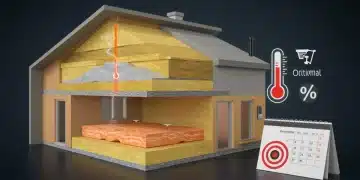
Before we dive into the innovations, it’s crucial to understand the significance of a 30% reduction in heat loss. Buildings are massive energy consumers, with heating and cooling accounting for a substantial portion of global energy demand. Inefficient insulation leads to significant energy waste, translating into higher utility bills and increased greenhouse gas emissions. A 30% improvement in thermal performance isn’t just a marginal gain; it represents a monumental leap forward in energy conservation. This level of efficiency can drastically lower operational costs for homeowners and commercial property owners, accelerate payback periods for insulation investments, and make a tangible contribution to national and global climate targets.
Beyond the financial and environmental benefits, superior insulation contributes to enhanced indoor comfort. Fewer drafts, more stable indoor temperatures, and reduced noise transmission are direct results of a well-insulated building. This creates more pleasant living and working environments, improving occupant well-being and productivity. The drive for Advanced Insulation Materials is thus multifaceted, addressing economic, ecological, and human-centric needs simultaneously.
Aerogels: The Unrivaled Thermal Champions Among Advanced Insulation Materials
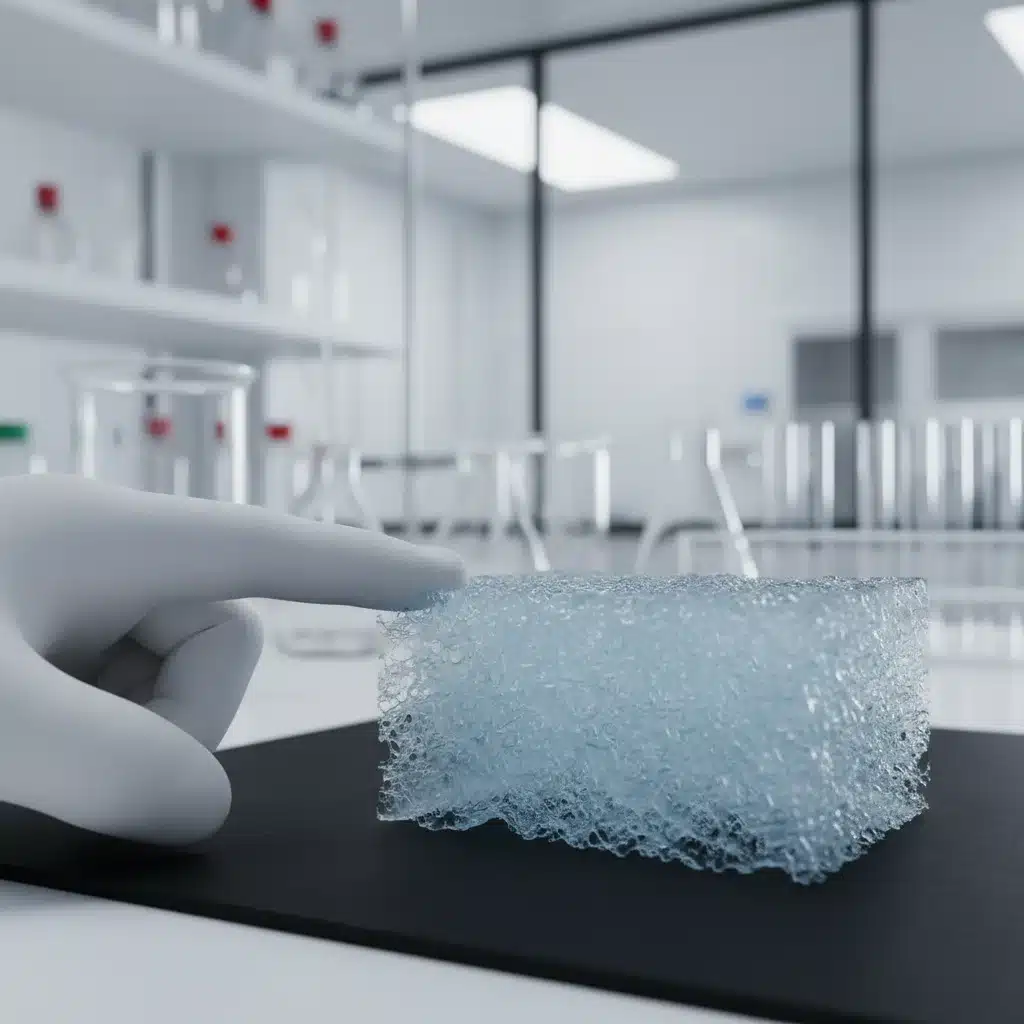
When discussing Advanced Insulation Materials, aerogels inevitably come to the forefront. Often dubbed ‘frozen smoke,’ aerogels are synthetic porous ultralight materials derived from a gel, in which the liquid component has been replaced with gas. The result is a material with incredibly low density and, crucially, exceptionally low thermal conductivity. Their intricate nanoscale pore structure makes them superior insulators, trapping air molecules so effectively that heat transfer is drastically minimized.
What Makes Aerogels So Effective?
- Extremely Low Thermal Conductivity: Aerogels boast the lowest thermal conductivity of any solid material, making them exceptionally efficient at preventing heat transfer.
- Lightweight: Despite their impressive insulating properties, aerogels are incredibly light, making them easy to handle and install, and reducing structural loads.
- Thin Profile: Their high performance means that less material is needed to achieve significant thermal resistance, allowing for thinner wall assemblies and more usable interior space.
- Hydrophobic Properties: Many aerogel formulations are hydrophobic, resisting water absorption and maintaining their insulating properties even in damp conditions, which is critical for long-term durability and preventing mold growth.
While historically expensive, advancements in manufacturing processes are making aerogels more accessible. We are seeing them integrated into blankets, panels, and even coatings, offering versatile applications for both new construction and retrofitting existing buildings. Their ability to deliver high R-values in minimal thickness positions them as a leading solution for challenging insulation scenarios, such as historical renovations or spaces with limited cavity depth.
Phase-Change Materials (PCMs): Dynamic Thermal Regulation
Unlike traditional insulation that primarily resists heat flow, Phase-Change Materials (PCMs) offer a dynamic approach to thermal management. These Advanced Insulation Materials absorb and release latent heat as they change phase (typically from solid to liquid and vice versa) at specific temperatures. This characteristic allows them to store and release significant amounts of thermal energy, effectively buffering temperature fluctuations within a building.
How PCMs Work to Optimize Energy Use
Imagine a hot day. As the indoor temperature rises, PCMs embedded in walls, ceilings, or flooring begin to melt, absorbing excess heat from the environment. This absorption helps to keep the interior cooler without the immediate need for air conditioning. As temperatures drop in the evening, the PCMs solidify, releasing the stored heat back into the space, thereby reducing the heating load. This cycle helps to flatten temperature peaks and valleys, reducing the reliance on active heating and cooling systems and consequently, energy consumption.
- Thermal Mass Enhancement: PCMs add ‘thermal mass’ to lightweight structures, allowing them to mimic the temperature-stabilizing effects of heavier, more traditional building materials.
- Reduced Peak Loads: By absorbing and releasing heat strategically, PCMs can significantly reduce the peak demand on HVAC systems, leading to smaller, more efficient equipment and lower operating costs.
- Improved Comfort: They create a more stable and comfortable indoor environment by minimizing drastic temperature swings.
The integration of PCMs into drywall, insulation boards, and even textiles is rapidly advancing, making them a practical and effective component of future energy-efficient buildings. Their ability to actively manage thermal energy distinguishes them from passive insulation, offering a powerful tool for achieving the 30% heat loss reduction target.
Vacuum Insulated Panels (VIPs): The Ultimate Barrier
Vacuum Insulated Panels (VIPs) represent another frontier in Advanced Insulation Materials. These panels consist of a rigid, porous core material (like fumed silica) encased in a gas-tight envelope, from which the air has been evacuated. The vacuum virtually eliminates heat transfer by conduction and convection, resulting in an exceptionally high R-value for a very thin panel.
Advantages and Applications of VIPs
- Unparalleled Thermal Performance: VIPs offer R-values significantly higher than conventional insulation materials of the same thickness. This makes them ideal for situations where space is at a premium.
- Space-Saving: Their thin profile is a major advantage in urban environments or historic buildings where maintaining original architectural features is crucial.
- Specific Applications: While generally more expensive than traditional insulation, their performance justifies their use in critical areas such as cold storage, high-performance building envelopes, and situations requiring extreme thermal control.
The primary challenge with VIPs lies in ensuring the integrity of the vacuum seal, as any puncture can compromise their performance. However, ongoing research is leading to more robust designs and improved installation techniques, making them increasingly viable for mainstream construction aiming for maximum energy efficiency.
Smart Insulation Systems: Beyond Passive Barriers
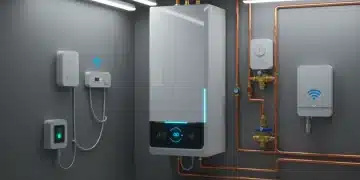
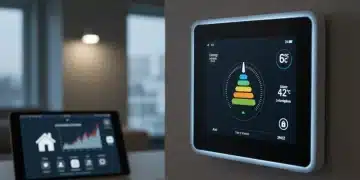
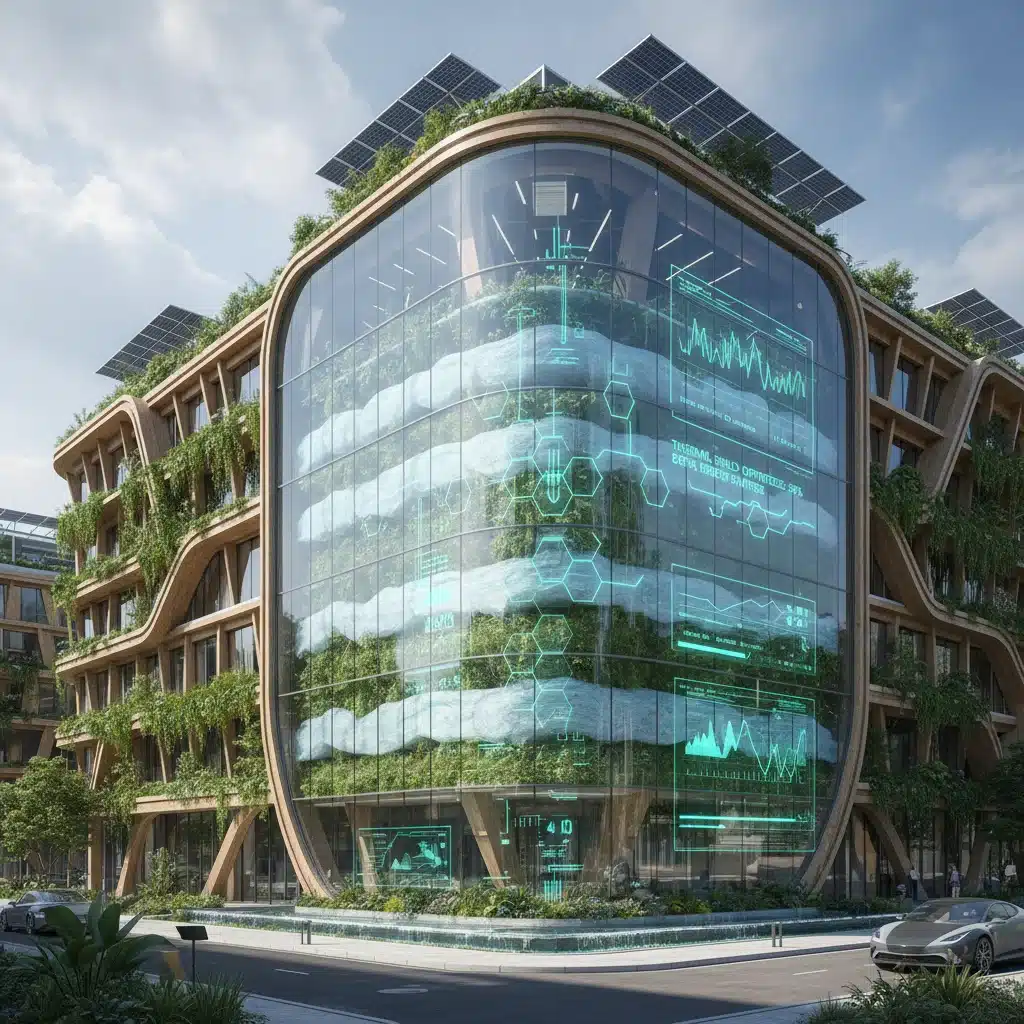
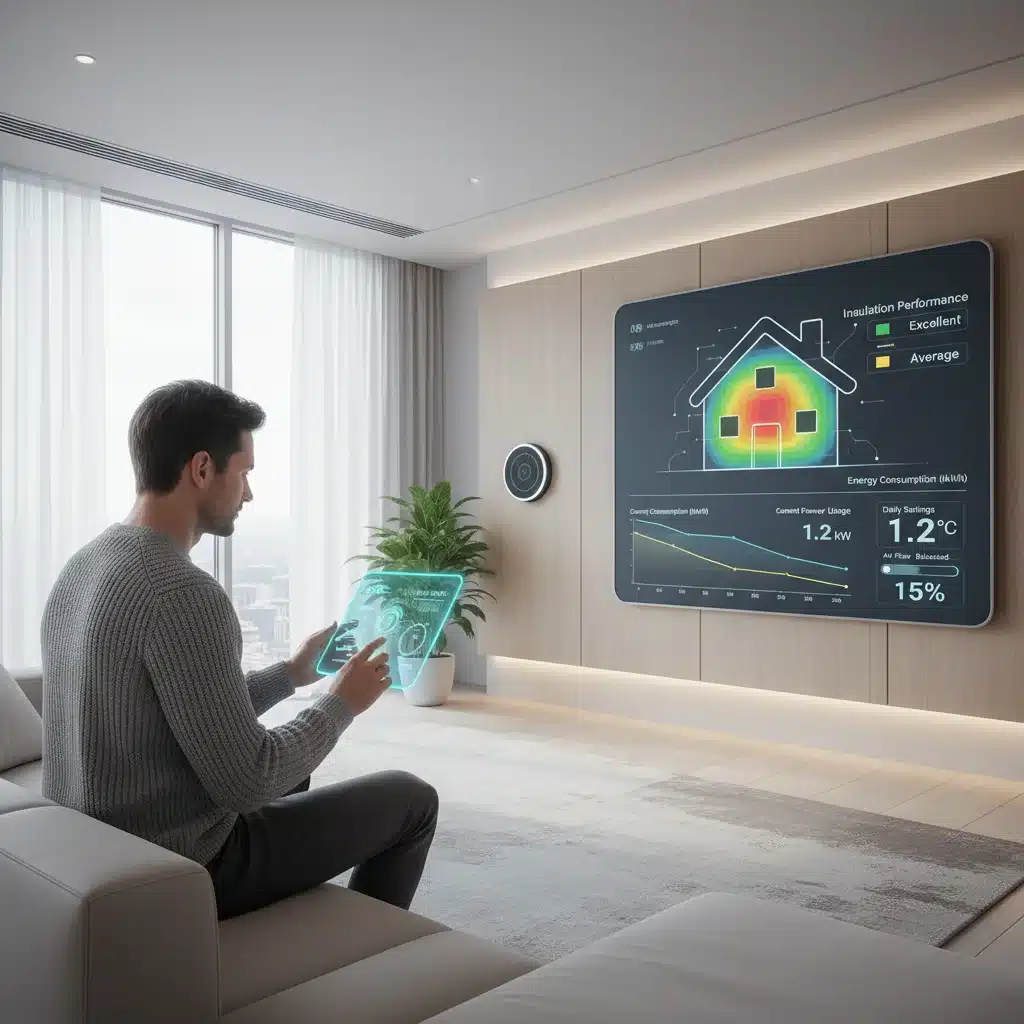
The next generation of insulation isn’t just about better materials; it’s also about smarter systems. Advanced Insulation Materials are increasingly being integrated with sensors, smart controls, and IoT (Internet of Things) platforms to create dynamic, responsive building envelopes. These smart insulation systems can adapt to changing environmental conditions and occupant needs, optimizing thermal performance in real-time.
Key Features of Smart Insulation
- Integrated Sensors: Monitoring temperature, humidity, and even air quality within insulation layers can provide valuable data for predictive maintenance and performance optimization.
- Active Control: Some systems incorporate elements that can actively adjust their thermal resistance. For example, electrochromic windows (often considered part of the building envelope) can change their tint to control solar heat gain.
- Predictive Analytics: By analyzing weather forecasts, occupancy patterns, and energy tariffs, smart insulation systems can pre-condition spaces or adjust their behavior to maximize comfort and minimize energy costs.
- Self-Healing Materials: Emerging research is exploring insulation materials with self-healing capabilities, able to repair minor breaches or degradation, extending their lifespan and maintaining optimal performance.
The synergy between Advanced Insulation Materials and smart technology promises a future where buildings are not just insulated, but intelligently managed for peak energy efficiency and occupant well-being. This integrated approach is critical to achieving the ambitious 30% reduction in heat loss.
Sustainable and Renewable Insulation Options
As we push for higher performance, the sustainability of insulation materials remains a paramount concern. The environmental impact of manufacturing, transportation, and disposal must be considered. Fortunately, innovations in Advanced Insulation Materials are also leading to a new generation of eco-friendly solutions.
Emerging Sustainable Insulation Materials
- Mycelium-Based Insulation: Grown from the root structure of mushrooms, mycelium insulation is a rapidly renewable, biodegradable, and fire-resistant material offering excellent thermal properties.
- Hempcrete: A bio-composite material made from hemp hurds and a lime binder, hempcrete offers good insulation, thermal mass, and breathability, while sequestering carbon during its growth.
- Recycled Denim and Cellulose: Utilizing post-consumer waste, these materials are processed into effective, non-toxic insulation options that contribute to the circular economy.
- Sheep’s Wool: A natural, renewable fiber with excellent thermal and acoustic properties, sheep’s wool is also breathable and helps regulate humidity.
These sustainable Advanced Insulation Materials not only reduce heat loss but also minimize the environmental footprint of construction, aligning with broader goals of green building and carbon neutrality. Their increasing availability and performance are making them competitive alternatives to traditional petroleum-based products.
Challenges and Future Outlook for Advanced Insulation Materials
While the potential for Advanced Insulation Materials to reduce heat loss by 30% is immense, several challenges need to be addressed for widespread adoption.
Key Challenges:
- Cost: Many cutting-edge materials, like aerogels and VIPs, currently have higher upfront costs compared to conventional insulation. Continued research and scaling up production are essential to bring prices down.
- Durability and Longevity: Ensuring that these advanced materials maintain their performance over the lifespan of a building is crucial. Testing and certification are ongoing processes.
- Installation Expertise: Some new materials and systems require specialized knowledge and techniques for proper installation to achieve optimal performance. Training and education for the construction workforce will be vital.
- Regulatory and Building Code Adoption: Building codes need to evolve to incorporate and recognize the performance benefits of these new materials, facilitating their integration into standard construction practices.
Despite these hurdles, the trajectory for Advanced Insulation Materials is overwhelmingly positive. Government incentives, increasing consumer awareness of energy efficiency, and ongoing innovation from manufacturers are driving rapid progress. We can anticipate a future where a diverse array of high-performance, sustainable, and smart insulation solutions are readily available to meet the demands of a net-zero energy future.
The integration of these materials will not be a one-size-fits-all solution. Instead, a holistic approach will likely prevail, combining different Advanced Insulation Materials and strategies tailored to specific climate zones, building types, and performance goals. For instance, a building might utilize VIPs in its most critical thermal bridges, aerogel blankets for thin-wall applications, PCMs in its drywall for thermal buffering, and smart sensors to monitor and optimize the entire system.
The Economic and Environmental Impact of 30% Heat Loss Reduction
Achieving a 30% reduction in heat loss across a significant portion of the building stock would have profound economic and environmental benefits. Economically, it translates to billions in energy savings annually, stimulating investment in green technologies and creating jobs in manufacturing, installation, and research. Property values would likely increase for highly efficient buildings, and energy security would be enhanced through reduced reliance on external energy sources.
Environmentally, the impact would be equally transformative. A 30% reduction in heat loss directly correlates to a substantial decrease in greenhouse gas emissions from heating and cooling. This contributes significantly to national and international climate goals, helping to mitigate the effects of climate change. Furthermore, the use of sustainable and recycled Advanced Insulation Materials reduces landfill waste and the demand for virgin resources, fostering a more circular and resilient economy.
These benefits underscore the importance of continuing to invest in the research, development, and deployment of Advanced Insulation Materials. The technologies are emerging, and the path to a more energy-efficient future is becoming clearer.
Conclusion: Building a Cooler, Warmer, and Greener Future with Advanced Insulation Materials
The year 2026 marks a pivotal moment in insulation technology, with Advanced Insulation Materials leading the charge towards unprecedented levels of energy efficiency. From the superior thermal resistance of aerogels and VIPs to the dynamic heat management of PCMs and the intelligent adaptability of smart insulation systems, the tools are now available to dramatically reduce heat loss in our buildings. Coupled with a growing emphasis on sustainable and renewable options, the future of insulation is brighter, greener, and significantly more efficient.
Embracing these innovations is not just an option but a necessity for architects, builders, policymakers, and homeowners alike. By strategically implementing these Advanced Insulation Materials and technologies, we can achieve the ambitious goal of reducing heat loss by 30% or more, creating buildings that are not only comfortable and cost-effective but also fundamentally contribute to a healthier planet. The journey towards truly sustainable and energy-independent structures begins with what’s inside their walls, and the innovations of 2026 are setting a new gold standard for thermal performance.