Solar Panel Efficiency 2026: Boosting Home Power with New Technologies

Solar Panel Efficiency in 2026: New Technologies Boosting Home Power Generation by 25%
The dawn of a new era in renewable energy is upon us, with solar panel efficiency poised for a remarkable leap forward by 2026. As the world grapples with climate change and the urgent need for sustainable energy solutions, solar technology continues to evolve at an astonishing pace. Homeowners, businesses, and governments alike are increasingly turning to solar power as a viable, cost-effective, and environmentally friendly alternative to traditional energy sources. The projections for 2026 are particularly exciting, indicating that new technologies could boost home power generation by an impressive 25%.
This comprehensive guide will delve into the cutting-edge innovations driving this surge in solar panel efficiency, exploring how these advancements will translate into tangible benefits for everyday consumers. From revolutionary materials to smarter energy management systems, the future of solar power is brighter than ever.
The Current Landscape of Solar Panel Efficiency
Before we project into 2026, it’s essential to understand where we stand today. Modern solar panels, primarily made from crystalline silicon, typically achieve efficiencies ranging from 17% to 22% in commercial applications. While this represents a significant improvement over earlier generations, there’s always room for growth. The pursuit of higher solar panel efficiency is driven by several factors: the desire to generate more electricity from smaller footprints, reduce installation costs per watt, and accelerate the global transition to renewable energy.
Current research and development efforts are focused on pushing these boundaries, exploring new materials, innovative cell designs, and advanced manufacturing processes. The goal is not just incremental improvements but transformative breakthroughs that can redefine what’s possible with solar energy. The next few years are critical in this journey, setting the stage for the enhanced performance we anticipate by 2026.
Key Technologies Driving 25% Boost in Solar Panel Efficiency by 2026
Several groundbreaking technologies are converging to deliver the anticipated 25% boost in solar panel efficiency. These innovations target various aspects of solar energy conversion, from the fundamental materials used in photovoltaic cells to the way panels interact with their environment and integrate into smart home systems.
Perovskite Solar Cells: A Game Changer
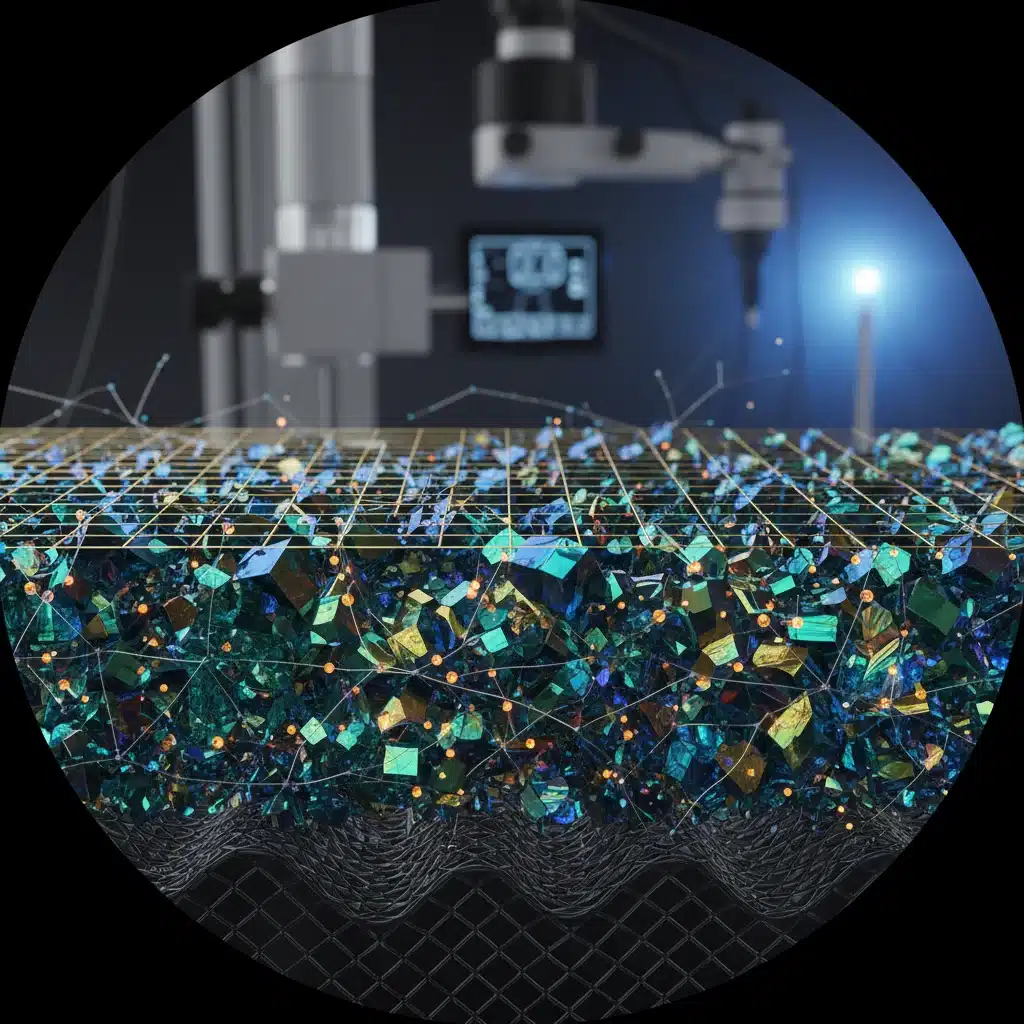
One of the most talked-about advancements in solar technology is the emergence of perovskite solar cells. Perovskites are a class of materials with a specific crystal structure that makes them exceptionally good at absorbing sunlight and converting it into electricity. Unlike traditional silicon, perovskites can be manufactured using low-cost solution-based processes, potentially driving down the cost of solar panels significantly.
While still primarily in the research and development phase for commercial applications, perovskite cells have already demonstrated laboratory efficiencies exceeding 25%, rivaling and even surpassing silicon in some instances. By 2026, we expect to see perovskite-silicon tandem cells becoming more prevalent. These tandem cells layer perovskite on top of traditional silicon, allowing them to capture a broader spectrum of sunlight and achieve efficiencies well over 26%, with some experimental cells already hitting 30% or more. This layering technique is a major factor in improving overall solar panel efficiency.
Bifacial Solar Panels: Capturing Light from Both Sides
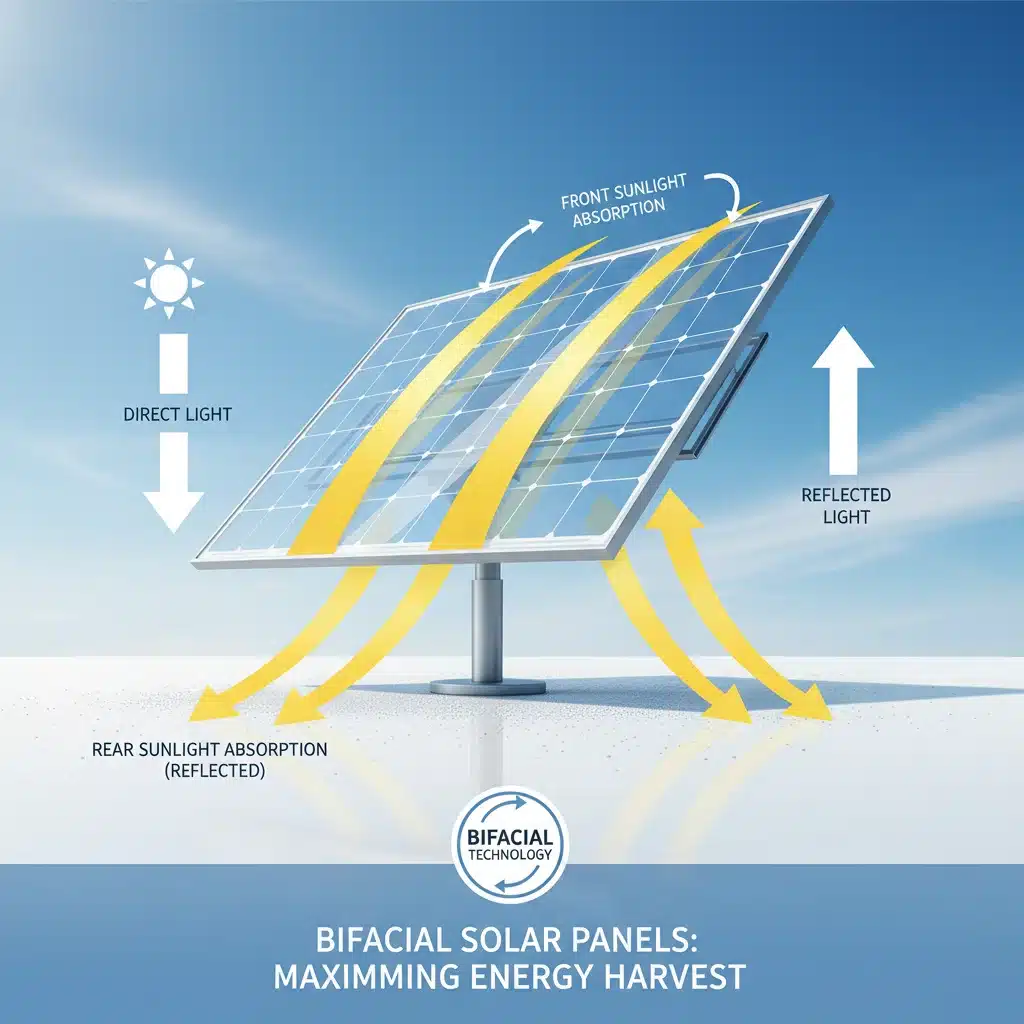
Imagine a solar panel that can generate electricity not just from the sunlight hitting its front surface, but also from the light reflecting off the ground or surrounding surfaces onto its back. This is precisely what bifacial solar panels do. While not entirely new, their widespread adoption and further optimization are expected to significantly contribute to increased energy yield by 2026.
Bifacial technology can increase energy generation by 5% to 20% compared to traditional monofacial panels, depending on the albedo (reflectivity) of the surface beneath them. When combined with advanced tracking systems that optimize their angle to the sun, bifacial panels offer a substantial boost in overall solar panel efficiency, making them particularly attractive for ground-mounted installations and commercial rooftops where reflective surfaces can be maximized.
Heterojunction Technology (HJT) and TOPCon Cells
Within the realm of silicon-based solar panels, Heterojunction Technology (HJT) and Tunnel Oxide Passivated Contact (TOPCon) cells are leading the charge in efficiency improvements. HJT cells combine amorphous silicon with crystalline silicon, reducing energy losses and boosting efficiency to over 23%. They also perform better in high temperatures, a crucial advantage in many climates.
TOPCon cells, on the other hand, utilize a thin layer of silicon dioxide and doped polysilicon to passivate the rear surface of the cell, minimizing electron recombination and leading to efficiencies often exceeding 24%. Both HJT and TOPCon technologies represent refinements in traditional silicon manufacturing that significantly enhance solar panel efficiency without radically altering the core material. Their increasing market penetration by 2026 will play a vital role in the overall efficiency gains.
Quantum Dots and Nanotechnology
The microscopic world of quantum dots and nanotechnology holds immense promise for future solar applications. Quantum dots are semiconductor nanocrystals that can tune in to specific wavelengths of light, allowing solar cells to capture a broader spectrum of sunlight that silicon typically misses. Imagine a solar panel that can efficiently convert not just visible light but also infrared and ultraviolet light into electricity – that’s the potential of quantum dots.
While still largely experimental, advancements in this field could lead to highly efficient, transparent, and flexible solar films. By 2026, we may see initial commercial applications of quantum dot-enhanced solar cells, particularly in niche markets or as coatings that improve the performance of existing panels. This frontier technology could be a major driver for future increases in solar panel efficiency.
Advanced Inverters and Microinverters
It’s not just the panels themselves that are becoming more efficient; the entire solar energy system is undergoing a transformation. Advanced inverters and microinverters play a crucial role in maximizing energy harvest. Traditional string inverters convert DC power from an entire string of panels into AC power. If one panel in the string is shaded or underperforms, it can drag down the output of the entire array.
Microinverters, installed at each individual panel, optimize the power conversion for that specific panel, ensuring that the overall system operates at its peak even if some panels are affected by shade or dirt. By 2026, smarter microinverters with enhanced AI-driven monitoring and predictive maintenance capabilities will further optimize energy production, contributing to the overall solar panel efficiency of a home system. These intelligent systems can identify and mitigate performance issues in real-time, ensuring maximum output.
Smart Energy Management Systems and AI Integration
Beyond individual panel efficiency, the integration of solar systems with smart home energy management platforms is crucial for maximizing the value of generated power. AI-powered systems can learn a household’s energy consumption patterns, predict future needs based on weather forecasts, and intelligently distribute solar power – either for immediate use, storage in batteries, or export to the grid.
This holistic approach ensures that every watt generated by increasingly efficient solar panels is utilized optimally, reducing waste and maximizing savings. By 2026, expect these systems to be standard, providing homeowners with unprecedented control and insight into their energy production and consumption. This seamless integration enhances the perceived and actual solar panel efficiency for the end-user.
Impact on Home Power Generation: The 25% Boost Explained
So, what does a 25% boost in solar panel efficiency truly mean for home power generation? Let’s break it down:
- Smaller Footprint, More Power: With higher efficiency panels, homeowners can generate the same amount of electricity with fewer panels or a smaller roof space. This is particularly beneficial for homes with limited roof area or those aiming for greater aesthetic integration. A 25% increase in efficiency means you could potentially reduce the number of panels needed by a quarter for the same output, or increase your output significantly with the same number of panels.
- Increased Energy Independence: More efficient panels translate directly to greater electricity production. This means a higher likelihood of covering a larger percentage, or even 100%, of a household’s energy needs with solar power, reducing reliance on the grid and fluctuating utility prices.
- Faster Return on Investment (ROI): While initial installation costs might see some fluctuations with new technologies, the increased power output per square foot means a quicker payback period for the solar investment. More electricity generated equals more savings on utility bills, accelerating the ROI.
- Enhanced Performance in Suboptimal Conditions: Many of the new technologies, such as HJT cells and advanced coatings, are designed to perform better in challenging conditions like high temperatures or low light. This means more consistent power generation throughout the day and across different seasons, further boosting the effective solar panel efficiency.
- Greater Grid Stability: From a broader perspective, a widespread increase in home solar generation, driven by higher efficiency, contributes to a more resilient and decentralized energy grid, reducing strain on central power plants and transmission lines.
Maximizing Your Solar Investment in 2026 and Beyond
As solar panel efficiency continues its upward trajectory, homeowners have several opportunities to maximize their solar investment:
Choosing the Right Technology
When considering a solar installation in 2026, it will be crucial to understand the latest panel technologies available. While perovskite-silicon tandems might be at the high end, advanced TOPCon or HJT silicon panels will offer excellent efficiency and proven reliability. Consult with reputable solar installers who can explain the pros and cons of each technology relative to your specific needs and budget.
Integrating with Battery Storage
To truly leverage increased solar panel efficiency, integrating with home battery storage systems is becoming increasingly vital. Batteries allow you to store excess electricity generated during peak sunlight hours and use it when the sun isn’t shining, or when electricity rates are higher. This maximizes self-consumption and further reduces reliance on the grid and fluctuating utility prices.
Smart Home Energy Management
As mentioned earlier, smart energy management systems will be key. These systems optimize energy flow, prioritize charging batteries, or export to the grid based on real-time data and user preferences. Investing in a robust smart home energy ecosystem will ensure you get the most out of your highly efficient solar panels.
Regular Maintenance and Monitoring
Even with advanced technology, regular maintenance and monitoring remain essential. Keeping panels clean, ensuring no shading issues develop, and utilizing smart monitoring tools to track performance will help maintain peak solar panel efficiency throughout their lifespan. Many modern systems come with apps that provide detailed performance data, allowing homeowners to quickly identify and address any issues.
Understanding Government Incentives and Policies
Government incentives, tax credits, and net metering policies play a significant role in the financial viability of solar installations. These policies can change, so staying informed about the latest regulations in your area will be crucial for maximizing your return on investment. The increased efficiency of panels may also influence how these incentives are structured, potentially favoring higher-output systems.
The Environmental and Economic Benefits of Enhanced Solar Panel Efficiency
The push for higher solar panel efficiency isn’t just about technological prowess; it has profound environmental and economic implications:
Reduced Carbon Footprint
Every watt generated by solar panels displaces electricity from fossil fuels, leading to a direct reduction in greenhouse gas emissions. A 25% boost in efficiency means that for every square foot of solar panel installed, significantly more clean energy is produced, accelerating the transition to a low-carbon economy and helping combat climate change more effectively.
Energy Security and Independence
Relying on a diversified energy mix, with a strong component of locally generated solar power, enhances energy security for nations and individual households. It reduces vulnerability to geopolitical tensions affecting fossil fuel supplies and insulates consumers from volatile energy prices.
Job Creation and Economic Growth
The burgeoning solar industry, driven by innovation and increased demand for efficient technologies, is a significant source of job creation across manufacturing, installation, research, and development sectors. This economic activity fosters growth and innovation, creating a virtuous cycle of investment and advancement.
Lower Electricity Costs
As solar panel efficiency improves and manufacturing scales, the cost of solar electricity continues to fall. This trend makes solar power increasingly competitive with, and often cheaper than, traditional electricity sources, leading to lower energy bills for consumers and businesses alike in the long run.
Challenges and Future Outlook
While the outlook for solar panel efficiency in 2026 is overwhelmingly positive, there are still challenges to address. The scalability of new materials like perovskites, their long-term stability, and the environmental impact of their production and disposal are areas of ongoing research. Similarly, grid integration challenges, especially concerning energy storage and bidirectional power flow, will need continuous innovation and policy support.
However, the rapid pace of research and development, coupled with increasing global investment in renewable energy, suggests that these challenges are surmountable. By 2026, we anticipate not only a significant boost in average solar panel efficiency but also more robust, durable, and aesthetically pleasing solar solutions that seamlessly integrate into our homes and infrastructure.
The future of home power generation is undoubtedly solar-powered, and the innovations expected by 2026 will make this reality more accessible, efficient, and impactful than ever before. Embracing these advancements will not only benefit individual homeowners but also contribute significantly to a sustainable and energy-independent future for all.
Conclusion: A Brighter, More Efficient Solar Future
The journey towards a sustainable energy future is accelerating, and the advancements in solar panel efficiency by 2026 are a testament to human ingenuity and commitment to environmental stewardship. With new technologies like perovskite tandem cells, bifacial designs, and cutting-edge silicon architectures pushing the boundaries of what’s possible, homeowners can look forward to generating significantly more power from their rooftops. The anticipated 25% boost in home power generation is not just a number; it represents greater energy independence, reduced carbon footprints, and smarter energy management for households worldwide.
As these innovations move from laboratories to rooftops, understanding and embracing them will be key to unlocking the full potential of solar energy. The landscape of home power is transforming, becoming more efficient, resilient, and environmentally friendly. The future is bright, and it’s powered by the sun.