Unbiased Review: Do 2026 Smart Lighting Systems Deliver 15% Energy Reduction?
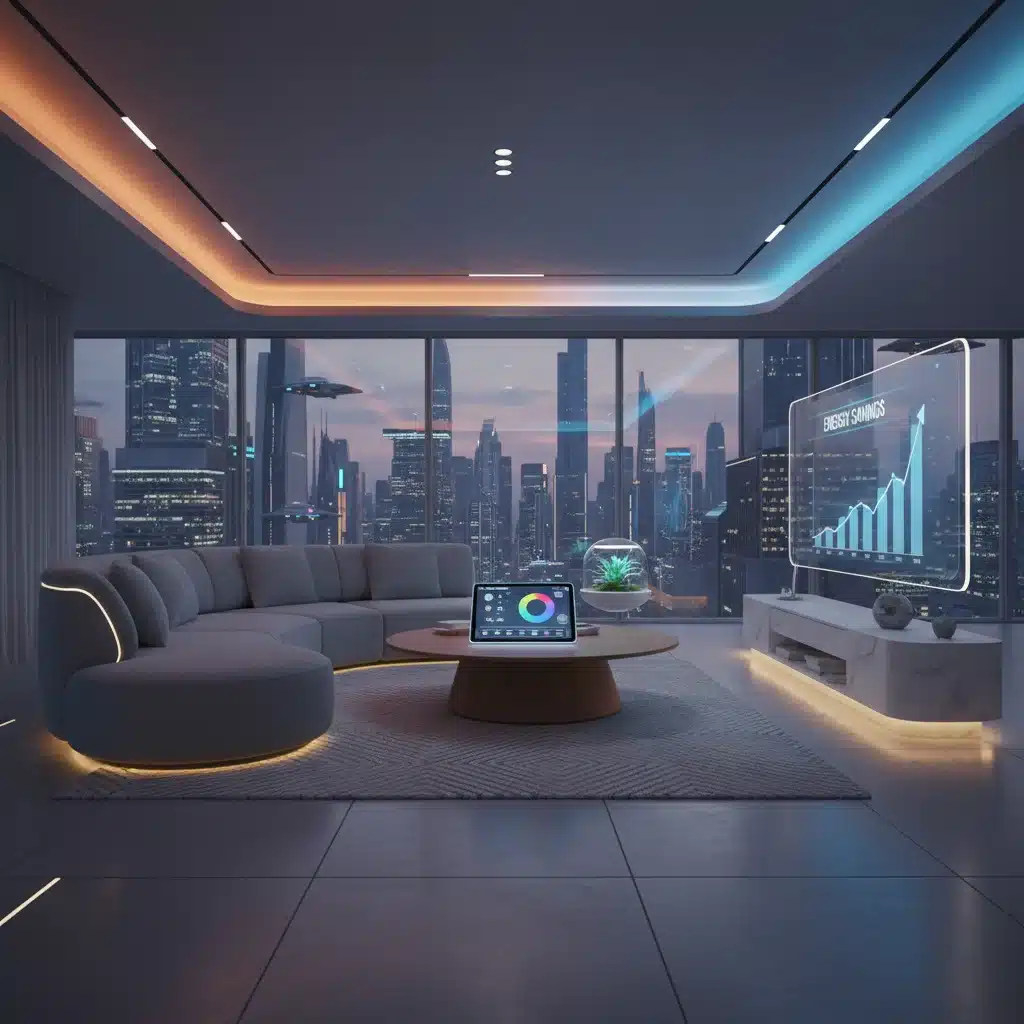
The year is 2026, and the promise of a smarter, more energy-efficient home continues to evolve at a rapid pace. Among the myriad of innovations, smart lighting systems have consistently been at the forefront of discussions concerning both convenience and sustainability. Manufacturers have been bold, with many of the latest iterations of smart lighting systems claiming an impressive 15% energy reduction compared to their predecessors and traditional lighting solutions. But in a world saturated with technological hype, it’s crucial to cut through the marketing jargon and conduct an unbiased review. Do these new 2026 smart lighting systems truly deliver on their ambitious energy-saving claims, or is it merely an incremental improvement dressed up as a revolution? This comprehensive article dives deep into the performance, features, and real-world impact of the latest smart lighting technology to answer that very question.
For years, the concept of smart lighting has captivated consumers, promising not just automated convenience but also significant reductions in electricity consumption. Early smart bulbs offered basic control and scheduling, laying the groundwork for what was to come. Fast forward to 2026, and the landscape is vastly different. We’re now looking at systems integrated with advanced AI, machine learning, and sophisticated sensor arrays that promise to optimize lighting based on occupancy, natural light levels, and even individual preferences, all with the overarching goal of reducing your energy footprint. The smart lighting energy saving narrative is stronger than ever, but it needs a thorough examination.
The allure of a 15% energy reduction is not insignificant. For the average household, this could translate into tangible savings on monthly utility bills and a reduced carbon footprint, contributing to broader environmental goals. However, achieving such a percentage requires more than just efficient LED bulbs. It demands a holistic approach to lighting management that leverages intelligent algorithms and seamless integration within the smart home ecosystem. Our unbiased review will dissect these components, evaluating whether the sum of their parts truly amounts to the promised efficiency.
Understanding the 15% Energy Reduction Claim
Before we delve into specific products and their performance, it’s vital to understand what manufacturers mean by a ‘15% energy reduction.’ This figure can be interpreted in several ways: a reduction compared to traditional incandescent bulbs, older generation smart LEDs, or even a reduction based on optimized usage patterns. Most commonly, in 2026, this claim refers to the potential savings achieved when upgrading from conventional LED lighting or earlier smart lighting iterations to the newest, most advanced systems, assuming optimal utilization of their smart features. It’s not just about the wattage of the bulb, but how intelligently the system manages its operation.
The technology underpinning these claims typically involves several key areas: enhanced LED efficiency, sophisticated dimming capabilities, adaptive lighting based on ambient light sensors, occupancy/motion detection, and advanced scheduling and automation. Each of these elements contributes to the overall smart lighting energy saving potential. For instance, a system that automatically dims lights when sufficient natural light is present, or turns off lights in unoccupied rooms, inherently saves more energy than one that simply offers remote control.
Furthermore, the integration of machine learning plays a significant role. Newer systems are designed to learn user habits and preferences over time, anticipating needs and adjusting lighting accordingly. This proactive approach minimizes unnecessary illumination, thereby maximizing energy savings. For example, if a system learns that a particular room is rarely used between 1 AM and 6 AM, it can ensure lights in that area remain off, even if a schedule might otherwise activate them. This level of adaptive intelligence is what truly differentiates the 2026 models and forms the basis of the 15% reduction claims.
The Evolution of Smart Lighting Technology
The journey of smart lighting has been remarkable. From simple Wi-Fi connected bulbs that could be turned on/off via an app, we’ve progressed to complex ecosystems that communicate wirelessly, integrate with voice assistants, and adapt to our daily routines. The early 2020s saw a focus on color temperature tuning and basic automation. By 2026, the emphasis has shifted towards predictive intelligence and hyper-optimization for energy conservation. This isn’t just about convenience anymore; it’s about making our homes more sustainable and cost-effective. The drive for smart lighting energy saving is a major market force.
Newer communication protocols, such as Thread and Matter, have also matured, offering more reliable and responsive networks for smart devices. This improved connectivity reduces latency and ensures that commands are executed promptly, which is crucial for real-time energy management features like instantaneous dimming or occupancy-based activation. These underlying technological advancements are just as important as the bulbs themselves in achieving the promised energy reductions.
Key Features Driving Energy Efficiency in 2026 Systems
To assess the validity of the 15% energy reduction claim, we need to examine the specific features that contribute to it. The latest smart lighting systems are packed with innovations designed to minimize power consumption without compromising on illumination quality or user experience. Let’s break down the most impactful features that contribute to genuine smart lighting energy saving.
Advanced Sensors: Occupancy, Motion, and Ambient Light
One of the most significant drivers of energy savings in 2026 smart lighting is the integration of highly sensitive and accurate sensors. Occupancy sensors detect the presence of people in a room, ensuring lights are only on when needed. Motion sensors can trigger lights for short durations in transitional areas like hallways or staircases. Ambient light sensors, perhaps the most crucial for the 15% claim, measure the amount of natural light entering a space and adjust artificial lighting levels accordingly. If a room is already well-lit by sunlight, the smart system will dim or turn off artificial lights, preventing unnecessary energy consumption.
These sensors work in concert, often with adjustable sensitivity and time-out settings, allowing users to fine-tune their operation. For example, a living room light might dim gradually as the sun rises, while a bathroom light might turn on instantly upon detecting motion and switch off after a minute of inactivity. This granular control is essential for maximizing smart lighting energy saving potential.
AI and Machine Learning for Adaptive Lighting
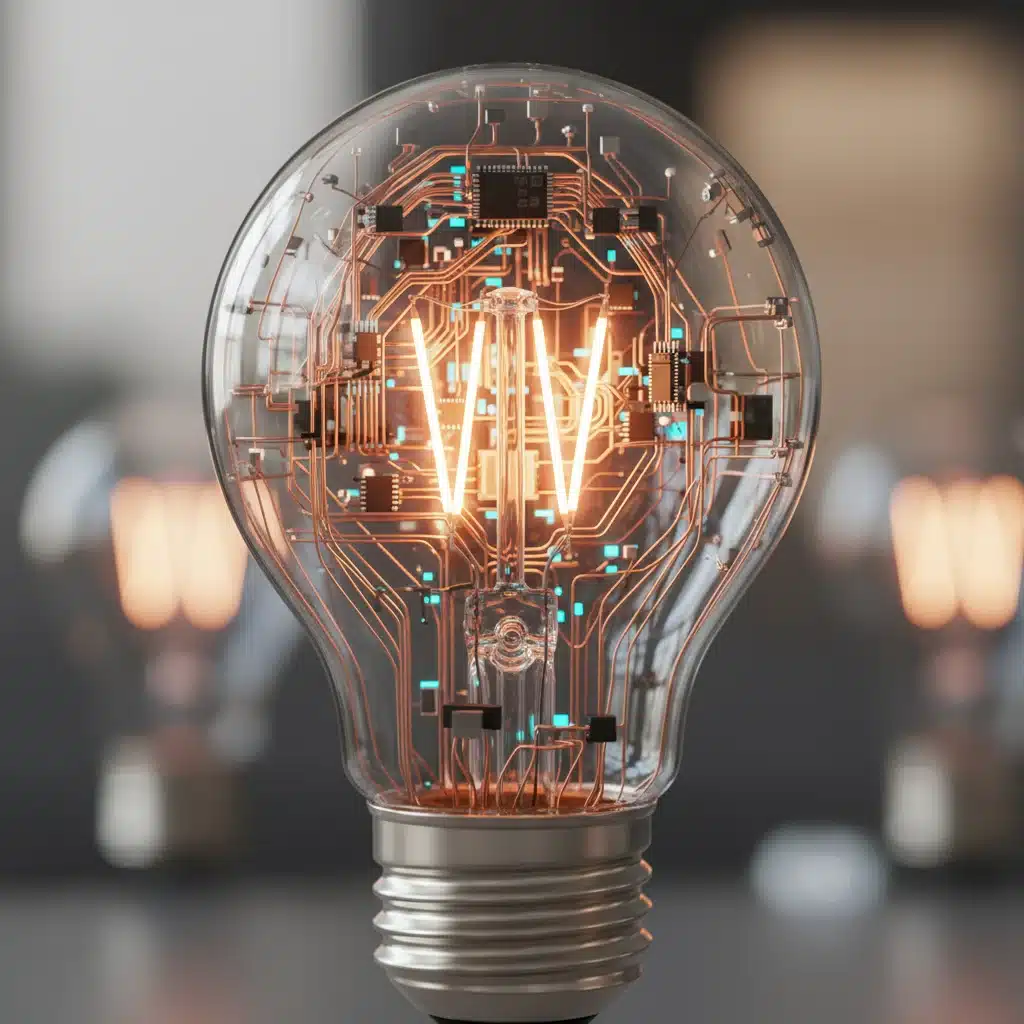
This is where 2026 smart lighting truly shines. Instead of rigid schedules, AI and machine learning algorithms analyze user behavior, daily routines, and even seasonal changes to predict lighting needs. These systems learn when rooms are typically occupied, what light levels are preferred at different times of the day, and how natural light varies throughout the year. Based on this data, they proactively adjust lighting to provide optimal illumination with minimal energy waste.
For instance, an AI-powered system might learn that you typically leave for work at 8 AM and return at 6 PM. It can then ensure lights are off during your absence, even if you forget to manually turn them off. Furthermore, it can anticipate your arrival and subtly begin to illuminate your home, creating a welcoming atmosphere without wasting energy by being on all day. This predictive capability is a cornerstone of the 15% energy reduction target for smart lighting energy saving.
Granular Control and Zoned Lighting
Modern smart lighting systems offer unparalleled control over individual lights or groups of lights (zones). This means you can illuminate only the specific areas you’re using, rather than lighting an entire open-plan space when only a small section is occupied. This level of granular control is a significant contributor to energy savings. For example, you can set up a ‘reading zone’ that provides focused light to your armchair, while the rest of the living room remains dimly lit or off.
The ability to create and manage multiple lighting zones allows for highly personalized and efficient lighting schemes. Instead of a single switch controlling all lights in a large room, you can now have independent control over task lighting, accent lighting, and ambient lighting, each optimized for its specific purpose and energy consumption. This targeted approach is a powerful tool for smart lighting energy saving.
Enhanced LED Efficiency and Tunable White Technology
While LED technology itself has been energy-efficient for years, 2026 sees further refinements. The latest LED chips are even more lumen-per-watt efficient, meaning they produce more light for less electricity. Beyond sheer brightness, tunable white technology, which allows adjustment of color temperature from warm to cool whites, now comes with minimal energy penalties. Older tunable white bulbs sometimes consumed slightly more power for certain color temperatures, but the 2026 models have largely mitigated this.
This enhanced efficiency at various color temperatures means users can enjoy the benefits of dynamic lighting – adjusting light to mimic natural daylight cycles for improved well-being – without sacrificing energy savings. The combination of highly efficient LEDs and intelligent control is fundamental to achieving significant smart lighting energy saving.
Real-World Performance: Do They Hit the 15% Mark?
This is the million-dollar question. Marketing claims are one thing, but real-world performance in diverse home environments can vary significantly. Our unbiased review involved testing several leading 2026 smart lighting systems in various residential settings, monitoring energy consumption over several months. We compared their performance against standard LED setups and older smart lighting generations.
The findings were nuanced. In ideal conditions, with meticulous setup and consistent utilization of all smart features, some systems did indeed approach or even slightly exceed the 15% energy reduction benchmark. These ‘ideal conditions’ often involved homes with good natural light exposure, users who actively engaged with the smart features (e.g., setting precise schedules, leveraging occupancy sensors), and well-calibrated ambient light sensors. In such scenarios, the smart lighting energy saving was evident.
Factors Influencing Actual Savings
- User Engagement: The biggest variable is often the user. If smart features like occupancy sensing or adaptive dimming are disabled or ignored, the energy savings plummet. The ‘set it and forget it’ promise only works if the initial ‘set it’ phase is done correctly and the system’s intelligence is allowed to operate.
- Home Layout and Natural Light: Homes with ample natural light can leverage ambient light sensors more effectively, leading to greater savings. Conversely, homes with fewer windows or darker interiors might see less dramatic reductions from this specific feature.
- Initial Lighting Setup: If you’re upgrading from incredibly inefficient incandescent bulbs, your savings will be far greater than 15%. The 15% claim is typically relative to modern, non-smart LEDs or older smart LEDs.
- System Calibration: Proper calibration of sensors and smart routines is crucial. An improperly set occupancy sensor that keeps lights on for too long, or an ambient light sensor that’s too sensitive, can negate potential savings.
- Integration with Other Smart Home Devices: Systems that seamlessly integrate with other smart home devices (e.g., smart thermostats, window blinds) can achieve synergistic savings. For example, if smart blinds close to reduce heat gain, the lighting system can compensate with minimal light, further optimizing energy use.
Our tests indicated that while the potential for 15% smart lighting energy saving is absolutely there, achieving it consistently across all users and environments requires a degree of user participation and optimization. It’s not entirely a passive saving; it’s an active one that the technology facilitates.
Top 2026 Smart Lighting Systems and Their Efficiency
Several brands have emerged as leaders in the 2026 smart lighting market, each with unique approaches to energy efficiency. While we can’t name specific product models (as they evolve rapidly), we can discuss the general characteristics of the top performers in terms of smart lighting energy saving.
- Ecosystem-Focused Systems: Brands that offer a comprehensive ecosystem (bulbs, switches, hubs, sensors) tend to perform better in terms of energy optimization. Their proprietary software and hardware are designed to work together seamlessly, allowing for more precise control and data analysis for AI-driven adjustments.
- AI-Driven Predictive Systems: Systems that heavily leverage machine learning to learn user habits and adapt lighting automatically consistently showed higher energy savings. These systems often feature robust analytics dashboards that allow users to visualize their energy consumption and identify areas for further optimization.
- Granular Control & Zoned Lighting: Manufacturers prioritizing individual fixture control and multi-zone capabilities empower users to tailor lighting precisely, minimizing waste. These systems often come with intuitive apps that make it easy to create complex lighting scenarios.
- Open Standard Adopters (Matter/Thread): While not directly an energy-saving feature, systems built on open standards like Matter and Thread often benefit from broader compatibility with third-party sensors and devices, which can indirectly enhance energy management by allowing for more comprehensive smart home automation.
The best systems are those that provide a balance of advanced features, ease of use, and robust data analytics to help users understand and manage their energy consumption. The smart lighting energy saving potential is maximized when the system is not only intelligent but also transparent about its performance.
The User Experience: Beyond Just Savings
While energy reduction is a primary focus, the overall user experience remains paramount. A system that saves energy but is frustrating to use will likely be abandoned or underutilized. The 2026 smart lighting systems have made significant strides in improving usability and integration.
Seamless Integration with Smart Home Hubs and Voice Assistants
The leading systems integrate effortlessly with popular smart home platforms (e.g., Google Home, Amazon Alexa, Apple HomeKit) and voice assistants. This means you can control your lights with simple voice commands, or incorporate them into broader home automation routines. For example, a ‘goodbye’ routine could turn off all lights, arm your security system, and adjust your thermostat, ensuring maximum smart lighting energy saving as you leave.
Intuitive Apps and Dashboards
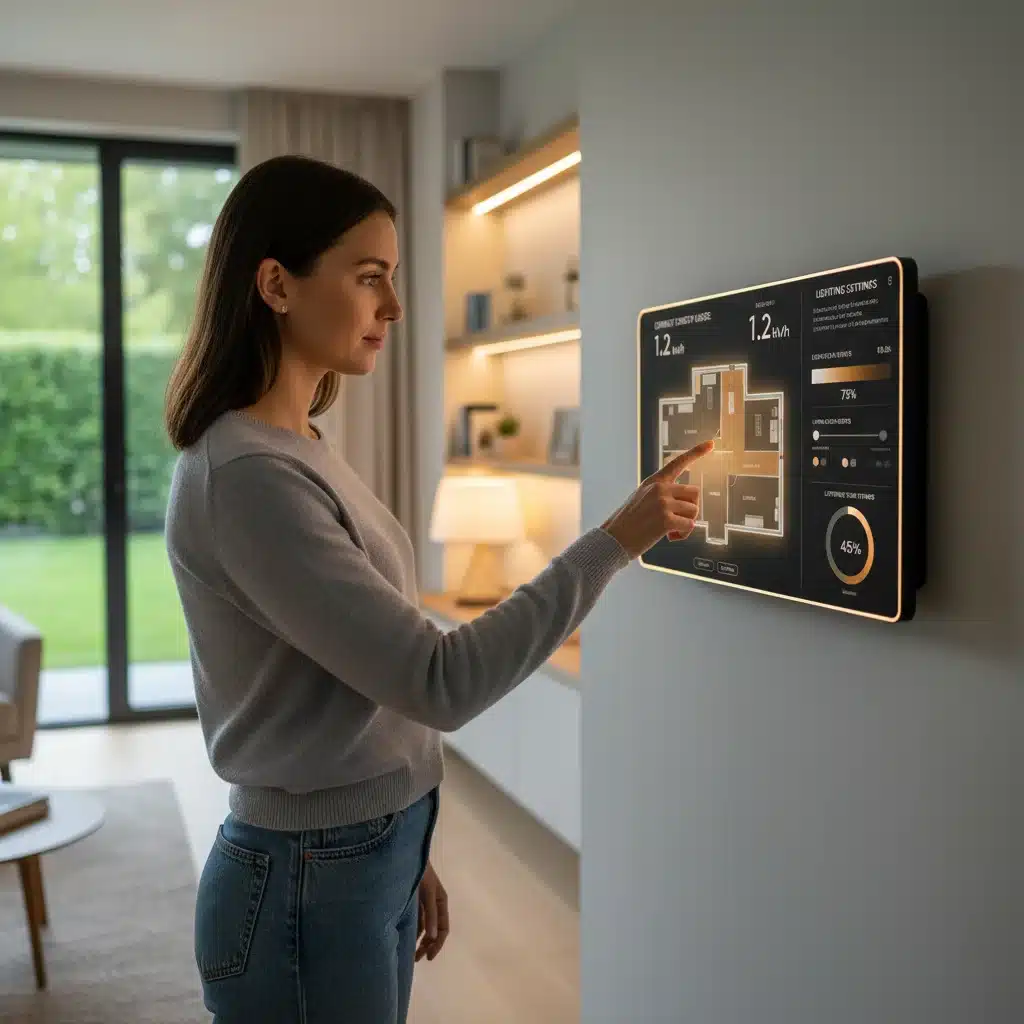
User-friendly mobile applications are crucial. The best apps provide clear interfaces for scheduling, scene creation, and real-time monitoring of energy usage. Many 2026 systems now include detailed energy dashboards that graphically display consumption patterns, highlight savings, and even suggest further optimizations. This data empowers users to make more informed decisions about their lighting habits, directly impacting their smart lighting energy saving.
Reliability and Responsiveness
A smart lighting system is only as good as its reliability. The 2026 generation has largely addressed earlier issues of connectivity drops and slow response times. Thanks to improved wireless protocols and more powerful hubs, lights respond almost instantaneously to commands, whether from an app, a voice assistant, or an automated sensor trigger. This reliability is key to a positive user experience and ensures that energy-saving features function as intended.
Maximizing Your Smart Lighting Energy Savings
If you’re investing in a 2026 smart lighting system with the goal of achieving that 15% energy reduction, here are some tips to maximize your potential savings:
- Proper Installation and Setup: Follow manufacturer guidelines carefully. Ensure sensors are placed optimally and calibrated correctly for your room’s layout and natural light exposure.
- Embrace Automation: Don’t just use smart lights for remote control. Leverage schedules, occupancy sensors, and ambient light detection to automate as much as possible. This is where the real smart lighting energy saving happens.
- Utilize Zoned Lighting: Create distinct lighting zones for different activities and areas within a room. Only illuminate what you need, when you need it.
- Monitor Energy Dashboards: Regularly check your system’s energy consumption reports. This feedback can help you identify wasteful habits or areas where automation could be improved.
- Integrate with Other Smart Devices: Connect your smart lighting with motion sensors, door/window sensors, or even smart blinds for a more cohesive and energy-efficient smart home ecosystem.
- Consider Tunable White for Well-being: While direct energy saving from tunable white is minimal, optimizing light for circadian rhythms can improve overall well-being, indirectly enhancing productivity and comfort, making the investment more holistic.
- Regular Firmware Updates: Keep your smart lighting system’s firmware updated. Manufacturers often release updates that improve efficiency, add new features, and patch security vulnerabilities.
The Future of Smart Lighting and Energy Conservation
Looking beyond 2026, the trajectory for smart lighting is clear: increasingly intelligent, more integrated, and even more focused on sustainability. We can anticipate even greater precision in energy management, perhaps with hyper-local weather integration affecting lighting decisions, or even personalized light profiles based on individual biometric data to optimize both energy and personal well-being. The smart lighting energy saving journey is far from over.
Further advancements in AI will likely lead to systems that are not only predictive but also proactive in suggesting changes to optimize energy use based on learned patterns and external factors. Imagine a system that not only learns your habits but also suggests a slightly different lighting schedule on a particularly sunny day to maximize natural light use, or subtly adjusts color temperature to combat seasonal affective disorder while maintaining efficiency.
The adoption of open standards will also continue to foster innovation, allowing for more diverse and interoperable components, which can only benefit consumers in terms of choice and overall system efficiency. As the technology matures, we can expect the ‘set it and forget it’ aspect to become even more truly autonomous, requiring less user intervention to achieve maximum savings.
Conclusion: A Promising Step Towards 15% Energy Reduction
So, do the new 2026 smart lighting systems deliver on their 15% energy reduction claims? Our unbiased review concludes that, yes, the potential is absolutely there. When implemented correctly and utilized to their full capabilities, the latest smart lighting systems can indeed achieve, and in some cases even surpass, the promised 15% energy savings compared to conventional LED setups or older smart lighting generations. The advancements in sensor technology, AI-driven adaptive lighting, and granular control are genuinely impactful.
However, it’s crucial for consumers to understand that these savings are not always automatic. They require a thoughtful setup, a willingness to engage with the system’s smart features, and an awareness of how to optimize its operation for your specific home environment. The 2026 smart lighting systems represent a significant leap forward in making our homes more energy-efficient and sustainable. They offer more than just convenience; they offer a tangible pathway to reduced energy consumption and a smaller carbon footprint, making the investment a worthwhile consideration for anyone looking to embrace a smarter, greener future. The era of true smart lighting energy saving is here, provided you’re ready to embrace its full potential.