HVAC Seasonal Tune-Ups 2026: 8% Performance Boost & Lower Bills
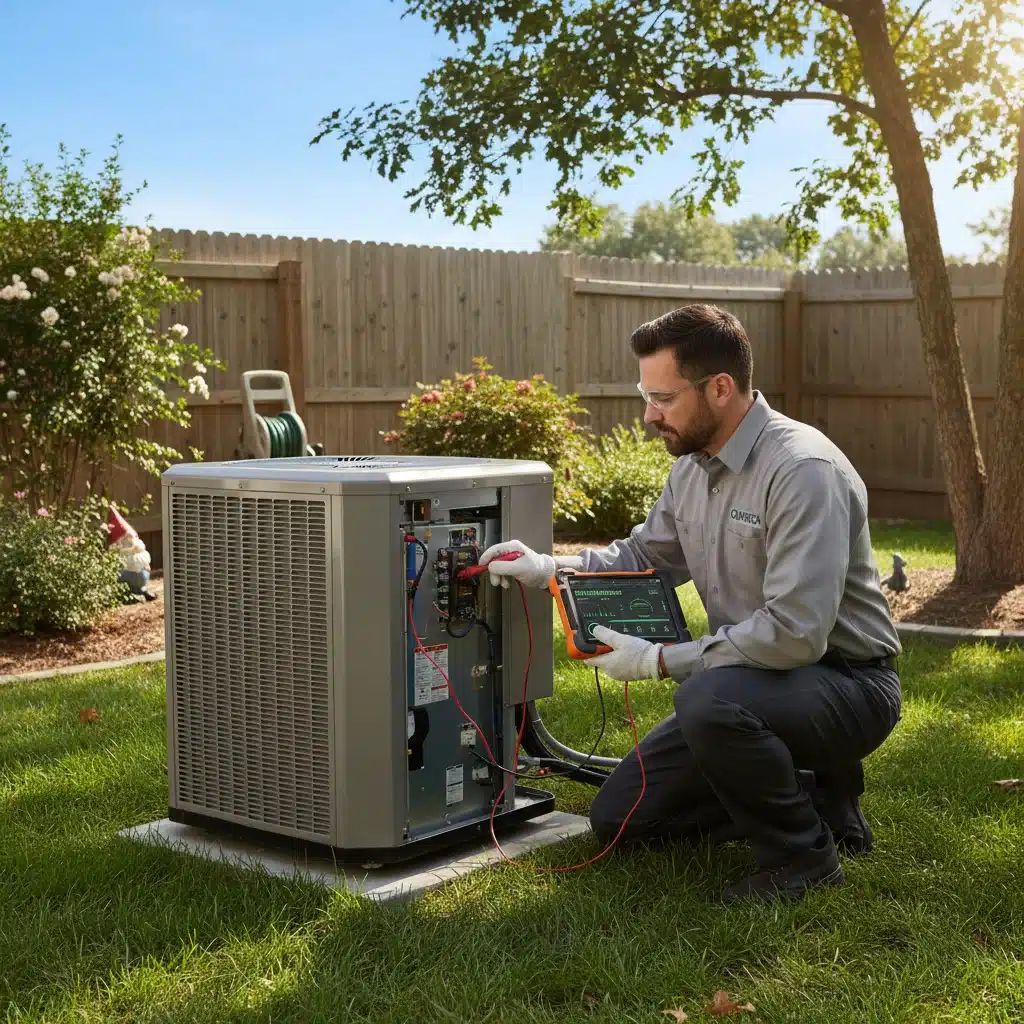
Optimizing HVAC in 2026: Seasonal Tune-Ups That Guarantee 8% Peak Performance and Lower Bills
In the evolving landscape of home comfort and energy efficiency, the importance of regular HVAC seasonal tune-ups cannot be overstated. As we navigate through 2026, homeowners are increasingly seeking ways to maximize their systems’ performance, reduce their carbon footprint, and, most importantly, save money on ever-increasing energy bills. This comprehensive guide delves into why prioritizing HVAC seasonal tune-ups is not just a recommendation but a necessity, promising an impressive 8% boost in peak performance and significant reductions in your annual energy expenditures.
The modern HVAC system is a complex marvel of engineering, designed to provide optimal indoor climate control regardless of external conditions. However, like any sophisticated machinery, it requires diligent care and attention to maintain its efficiency and extend its operational lifespan. Ignoring this crucial aspect can lead to a cascade of problems, from diminished performance and higher energy consumption to costly breakdowns and premature system replacement. This article will explore the multifaceted benefits of routine maintenance, equip you with a seasonal checklist, and highlight the cutting-edge advancements in HVAC technology that make these tune-ups more critical than ever.
The Unquestionable Value of HVAC Seasonal Tune-Ups
The core philosophy behind HVAC seasonal tune-ups is preventative maintenance. Rather than waiting for a system to fail, scheduled inspections and adjustments proactively address potential issues before they escalate into major problems. Think of it as a regular check-up for your car – you wouldn’t skip oil changes and expect it to run perfectly for years, would you? Your HVAC system deserves the same level of care.
Guaranteed 8% Peak Performance Boost
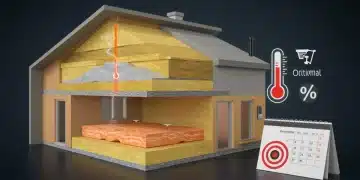
One of the most compelling reasons to invest in HVAC seasonal tune-ups is the measurable improvement in system efficiency. Studies and industry experts consistently show that a well-maintained HVAC system can operate up to 8% more efficiently than one that is neglected. This 8% figure isn’t just an arbitrary number; it represents a tangible difference in how effectively your system heats and cools your home. When components are clean, calibrated, and running smoothly, less energy is required to achieve your desired temperature, translating directly into lower utility bills and enhanced comfort.
This performance boost stems from several factors:
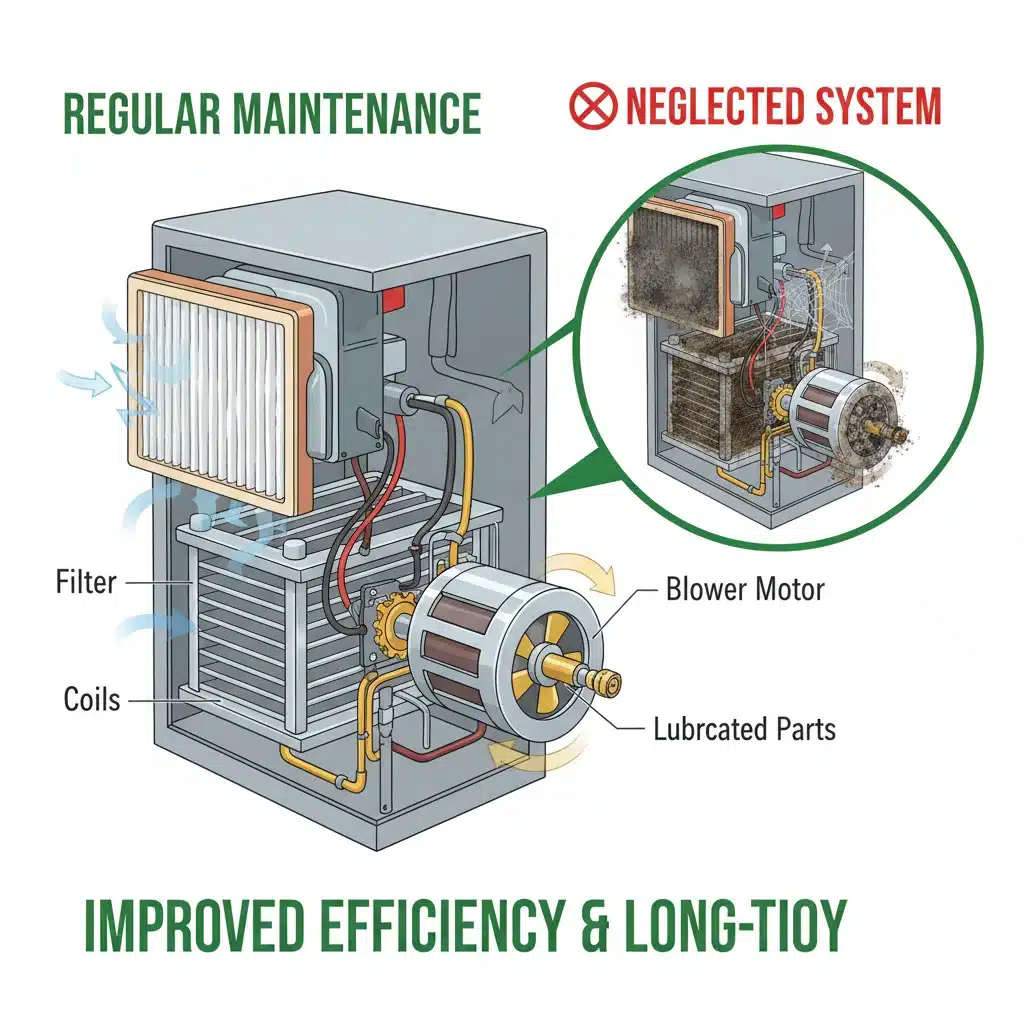
- Clean Components: Dirt and debris accumulate on coils, filters, and fans, forcing the system to work harder. Tune-ups ensure these components are spotless.
- Optimized Refrigerant Levels: Incorrect refrigerant levels can severely hamper cooling efficiency. Technicians will check and adjust these.
- Proper Airflow: Blocked ducts or dirty blowers restrict airflow, making your system less effective.
- Calibrated Thermostat: An inaccurate thermostat can lead to unnecessary cycling and energy waste.
- Lubricated Moving Parts: Friction from unlubricated parts increases energy consumption and wear and tear.
Significant Reduction in Energy Bills
The 8% performance boost directly translates into substantial savings on your energy bills. For many households, heating and cooling account for the largest portion of their energy consumption – often as much as 50% or more. Even a modest percentage increase in efficiency can lead to hundreds of dollars in savings annually. Over the lifespan of your HVAC system, these savings can easily outweigh the cost of regular HVAC seasonal tune-ups, making them a wise financial investment.
Extended System Lifespan
An HVAC system is a significant investment, typically lasting 10-15 years, sometimes even longer with proper care. Neglecting maintenance puts unnecessary strain on its components, leading to accelerated wear and tear. This can result in premature breakdowns and the need for costly replacements. Regular HVAC seasonal tune-ups ensure that all parts are functioning optimally, reducing stress on the system as a whole and significantly extending its operational life. This means fewer unexpected expenses and more years of reliable service from your existing unit.
Enhanced Indoor Air Quality
Beyond temperature control, your HVAC system plays a vital role in maintaining healthy indoor air quality. During tune-ups, technicians inspect and often replace air filters, which are crucial for trapping dust, allergens, pet dander, and other airborne pollutants. They also check for mold growth in ducts and drainage pans, preventing the circulation of harmful spores. A clean system means cleaner air for you and your family, which is especially important for those with allergies or respiratory conditions.
Fewer Emergency Repairs
There’s nothing worse than your HVAC system breaking down on the hottest day of summer or the coldest night of winter. These emergency repairs are not only inconvenient but also often come with premium service charges. HVAC seasonal tune-ups are designed to catch small issues before they become major malfunctions. A technician can identify worn belts, failing capacitors, or refrigerant leaks during a routine inspection, allowing for timely repairs that prevent complete system failure and save you from uncomfortable emergencies.
What Do HVAC Seasonal Tune-Ups Entail? A Comprehensive Checklist
While the specifics of a tune-up can vary slightly between providers, a thorough HVAC seasonal tune-ups typically includes a comprehensive inspection and maintenance regimen designed to optimize every aspect of your system. Here’s a general checklist of what you can expect:
For Cooling Systems (Spring Tune-Up):
- Thermostat Calibration: Ensuring accurate temperature readings and proper communication with the system.
- Refrigerant Level Check: Verifying correct refrigerant charge and checking for leaks.
- Condenser Coil Cleaning: Removing dirt and debris from the outdoor unit to improve heat transfer.
- Evaporator Coil Inspection: Checking for cleanliness and proper drainage of condensation.
- Blower Motor and Fan Inspection: Cleaning and lubricating moving parts, checking fan blades for balance.
- Electrical Connections: Tightening loose connections, checking voltage and current.
- Drain Line Clearing: Preventing clogs that can cause water damage and system shutdowns.
- Air Filter Replacement: Installing a new, clean filter for optimal airflow and air quality.
- System Performance Test: Measuring temperature differential and overall cooling capacity.
For Heating Systems (Fall Tune-Up):
- Thermostat Calibration: Similar to cooling, ensuring precise heating control.
- Ignition System Check: Inspecting igniters or pilot lights for proper operation.
- Burner Cleaning: Removing soot and debris for efficient combustion.
- Heat Exchanger Inspection: Checking for cracks or damage that could lead to carbon monoxide leaks.
- Flue Pipe Inspection: Ensuring proper venting of combustion gases.
- Blower Motor and Fan Inspection: Cleaning and lubricating, checking for proper operation.
- Electrical Connections: Tightening and checking for safety.
- Gas Pressure Check: Ensuring correct gas supply to the furnace.
- Safety Controls Test: Verifying that all safety mechanisms are functioning correctly.
- Air Filter Replacement: Essential for both heating and cooling cycles.
The Role of Technology in 2026 HVAC Maintenance
As we move further into 2026, technology plays an increasingly significant role in enhancing the effectiveness and convenience of HVAC seasonal tune-ups. Smart HVAC systems, predictive maintenance software, and advanced diagnostic tools are transforming how homeowners and technicians approach system care.
Smart Thermostats and Remote Monitoring
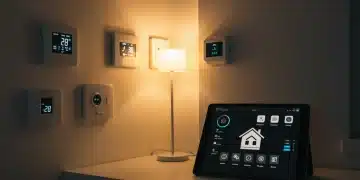
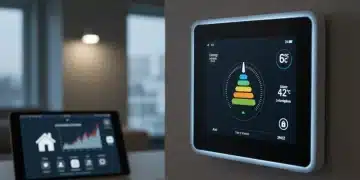
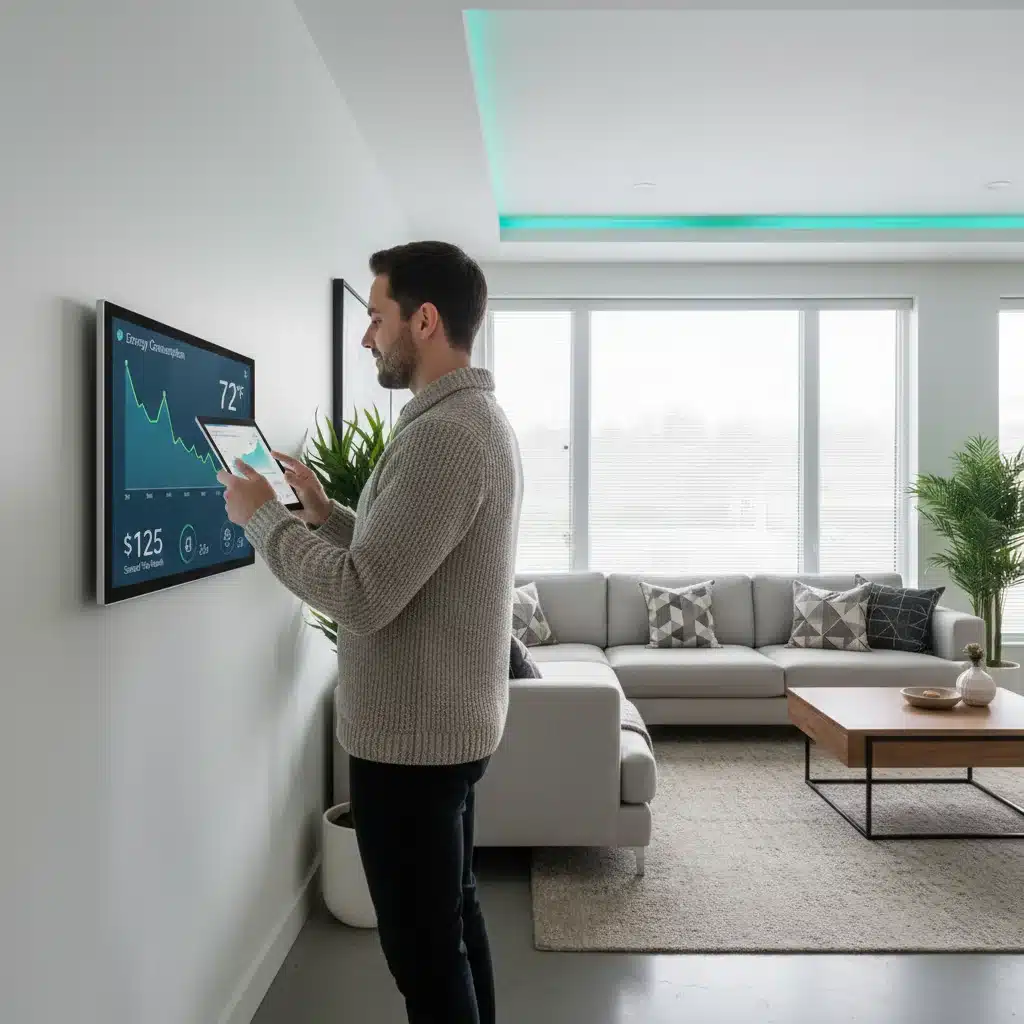
Modern smart thermostats do more than just control temperature; they offer insights into energy usage, detect system anomalies, and can even schedule maintenance reminders. Some advanced models can communicate directly with HVAC technicians, providing real-time data that helps diagnose problems remotely or prepare for a service visit with specific parts. This proactive monitoring can flag potential issues between scheduled HVAC seasonal tune-ups, preventing minor glitches from becoming major failures.
Predictive Maintenance and AI
The future of HVAC maintenance is increasingly leaning towards predictive analytics. AI-powered systems can analyze operational data from your HVAC unit – such as run times, temperature differentials, and energy consumption patterns – to predict when a component is likely to fail. This allows for scheduled maintenance or replacement of parts before they break, minimizing downtime and maximizing efficiency. While still emerging, this technology will make HVAC seasonal tune-ups even more precise and effective.
Advanced Diagnostic Tools
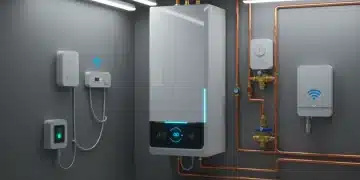
HVAC technicians in 2026 are equipped with more sophisticated diagnostic tools than ever before. Thermal imaging cameras can identify hot spots or leaks, specialized sensors can detect minute refrigerant leaks, and digital gauges provide highly accurate readings of pressure and temperature. These tools enable technicians to perform more thorough and accurate inspections during HVAC seasonal tune-ups, ensuring no potential problem goes unnoticed.
DIY Maintenance vs. Professional HVAC Seasonal Tune-Ups
While some basic HVAC maintenance tasks can be performed by homeowners, professional HVAC seasonal tune-ups are indispensable for comprehensive system care. Knowing where to draw the line between DIY and professional service is key to ensuring both safety and efficiency.
DIY Tasks You Can Do:
- Changing Air Filters: This is perhaps the most important and easiest DIY task. Filters should be changed every 1-3 months, depending on usage and household conditions (pets, allergies).
- Keeping Outdoor Unit Clear: Ensure the outdoor condenser unit is free from leaves, grass clippings, and other debris. Maintain at least two feet of clearance around the unit.
- Checking Vents and Registers: Make sure they are not blocked by furniture, curtains, or rugs to ensure proper airflow.
- Monitoring Thermostat Settings: Utilize programmable or smart thermostat features to optimize energy usage.
Why Professional Tune-Ups are Essential:
While DIY tasks help, they cannot replace the thorough inspection and specialized adjustments performed by a certified HVAC technician. Here’s why:
- Safety: HVAC systems involve electricity, refrigerants, and sometimes natural gas. Working with these components without proper training and tools can be dangerous.
- Expertise: Technicians have the knowledge to identify subtle signs of wear or malfunction that an untrained eye would miss.
- Specialized Tools: Professionals use precise instruments to measure refrigerant levels, airflow, electrical currents, and gas pressure – measurements crucial for optimal performance.
- Warranty Compliance: Many HVAC manufacturers require proof of annual professional maintenance to keep your warranty valid. Skipping tune-ups could void your coverage.
- Complex Adjustments: Tasks like calibrating refrigerant levels, adjusting burner combustion, or cleaning evaporator coils require specialized skills and equipment.
Choosing the Right HVAC Service Provider for Your Tune-Ups
Selecting a reputable and reliable HVAC service provider is paramount to getting the most out of your HVAC seasonal tune-ups. Here are some factors to consider:
- Certifications and Licensing: Ensure the company and its technicians are fully licensed and certified (e.g., NATE certification).
- Experience: Look for providers with a proven track record and extensive experience in your specific type of HVAC system.
- Reputation: Check online reviews, ask for references, and inquire about their standing with local business bureaus.
- Maintenance Plans: Many companies offer annual maintenance plans that include two seasonal tune-ups, priority service, and discounts on repairs. These plans often provide the best value.
- Transparency: A good provider will clearly explain the services included in a tune-up, provide a detailed report, and discuss any recommended repairs without high-pressure sales tactics.
- Emergency Services: Inquire about their availability for emergency repairs, as breakdowns can happen unexpectedly.
Seasonal Tune-Ups: A Year-Round Commitment to Comfort and Savings
The benefits of investing in HVAC seasonal tune-ups extend far beyond immediate comfort. They represent a strategic decision to protect a significant home investment, reduce ongoing operational costs, and contribute to a healthier living environment. The projected 8% increase in peak performance for well-maintained systems in 2026 is a powerful incentive, but the peace of mind that comes with a reliable, efficient, and safe HVAC system is truly invaluable.
As energy costs continue to fluctuate and environmental consciousness grows, optimizing your home’s energy consumption becomes increasingly important. Your HVAC system is at the heart of this optimization. By committing to regular seasonal tune-ups, you are not only ensuring your home remains a haven of comfort regardless of the weather outside, but you are also making a smart financial choice that pays dividends year after year.
Don’t wait for a problem to arise. Schedule your spring and fall HVAC seasonal tune-ups with a trusted professional. It’s the simplest, most effective way to guarantee your system operates at its absolute best, saving you money, extending its life, and keeping your indoor environment perfectly conditioned for years to come. Embrace the future of home comfort and efficiency by making seasonal HVAC maintenance a cornerstone of your home care routine in 2026 and beyond.
Understanding the intricacies of your HVAC system and how proper maintenance impacts its performance is crucial. It’s not merely about fixing what’s broken, but about proactively nurturing your system to prevent issues from ever occurring. This proactive approach ensures that every dollar spent on a tune-up is an investment in your home’s future comfort, efficiency, and overall value. The small cost of regular maintenance pales in comparison to the potential expenses of major repairs or premature system replacement, not to mention the discomfort of a malfunctioning system during extreme weather conditions.
Furthermore, an efficiently running HVAC system contributes positively to environmental sustainability. By consuming less energy, your home’s carbon footprint is reduced, aligning with global efforts to combat climate change. Homeowners in 2026 are increasingly aware of their environmental impact, and an optimized HVAC system is a significant step towards a greener lifestyle. The collective impact of countless homes maintaining their systems can lead to substantial energy savings on a broader scale, demonstrating how individual actions contribute to global well-being.
Consider the long-term benefits: consistent indoor temperatures, improved air circulation, reduced noise levels from a well-oiled machine, and the sheer reliability of a system that you know is in top condition. These elements combine to create an unparalleled level of home comfort that is often taken for granted until a system begins to falter. With HVAC seasonal tune-ups, you’re not just maintaining a machine; you’re preserving your sanctuary.
In conclusion, the message is clear: prioritize your HVAC seasonal tune-ups. They are the cornerstone of a healthy, efficient, and long-lasting heating and cooling system. The 8% performance guarantee is a testament to the effectiveness of these routine checks, leading to tangible savings and enhanced comfort. Don’t compromise on your home’s climate control; invest in professional maintenance and enjoy the myriad benefits for years to come.