LED Lighting Evolution: 2026 Innovations for 75% More Efficiency and 10-Year Lifespan
The world of illumination is on the cusp of a transformative revolution, one that promises to redefine our relationship with light. For decades, Light Emitting Diodes (LEDs) have been heralded as the future, steadily replacing incandescent and fluorescent bulbs with their superior energy efficiency and extended lifespans. However, the journey of innovation is far from over. As we approach 2026, the landscape of LED lighting is set to undergo a dramatic evolution, driven by relentless research and development. The promise? A staggering 75% increase in efficiency and an unprecedented 10-year operational lifespan, making current LED technology seem almost rudimentary. This isn’t just an incremental improvement; it’s a leap forward that will have profound implications for energy consumption, environmental sustainability, and our daily lives.
The core of these advancements lies in several converging technological breakthroughs. From novel semiconductor materials and advanced quantum dot technology to sophisticated thermal management systems and intelligent control platforms, every component of the LED ecosystem is being reimagined. The goal is clear: to extract more light from less energy, and to ensure that this light remains consistent and reliable for an entire decade, if not longer. This article will delve into the exciting LED lighting innovations that are poised to emerge by 2026, exploring the science behind these breakthroughs, their potential impact on various sectors, and what consumers and industries can expect from this new era of illumination. Prepare to witness a future where light is not just a utility, but a highly efficient, intelligent, and sustainable resource.
The Quest for 75% More Efficiency: Unpacking the Technological Leaps
Achieving a 75% boost in LED efficiency by 2026 is an ambitious target, yet one that leading researchers and manufacturers are actively pursuing with promising results. This significant jump isn’t coming from a single magic bullet, but rather from a confluence of innovations across multiple disciplines. Understanding these technological leaps is key to appreciating the profound impact they will have.
Advanced Semiconductor Materials: Beyond Gallium Nitride
For years, Gallium Nitride (GaN) has been the workhorse of blue and white LEDs, forming the foundation of modern solid-state lighting. While GaN is highly efficient, its theoretical limits are being approached. The next generation of LED lighting innovations is exploring new semiconductor materials and heterostructures that can overcome these limitations. Researchers are experimenting with indium gallium nitride (InGaN) alloys with higher indium content for improved green light emission, and exploring novel substrates that allow for more uniform crystal growth and fewer defects. These material science advancements aim to reduce internal quantum efficiency (IQE) droop, a phenomenon where LED efficiency decreases at higher current densities, and to minimize energy losses due to non-radiative recombination.
Quantum Dot Technology: Precision and Purity of Light
Quantum dots (QDs) are tiny semiconductor nanocrystals that emit light at specific wavelengths when excited. Their ability to convert blue light from a GaN LED into precise colors with high efficiency makes them ideal for improving color rendering and overall lumen output. While QDs are already used in some high-end displays and lighting applications, the 2026 innovations will see significant improvements in their stability, efficiency, and cost-effectiveness. New cadmium-free quantum dots, for example, are being developed to address environmental concerns, while improved encapsulation techniques will prevent degradation over time. Integrating QDs directly into the LED package or even within the semiconductor structure itself will lead to more efficient light conversion and a broader, more accurate color spectrum, enhancing both visual comfort and energy efficiency.
Enhanced Light Extraction Techniques
Even if an LED chip generates light efficiently, a significant portion can be trapped within the chip due to total internal reflection. Engineers are developing sophisticated light extraction techniques to overcome this. These include micro- and nano-patterning of LED surfaces, incorporating photonic crystals, and using advanced optical lenses and diffusers. By precisely engineering the interface between the LED chip and its surroundings, more light can be directed outwards, dramatically increasing the overall efficacy (lumens per watt) of the LED package. These intricate designs require advanced manufacturing processes, but the payoff in terms of efficiency is substantial.
Thermal Management Breakthroughs
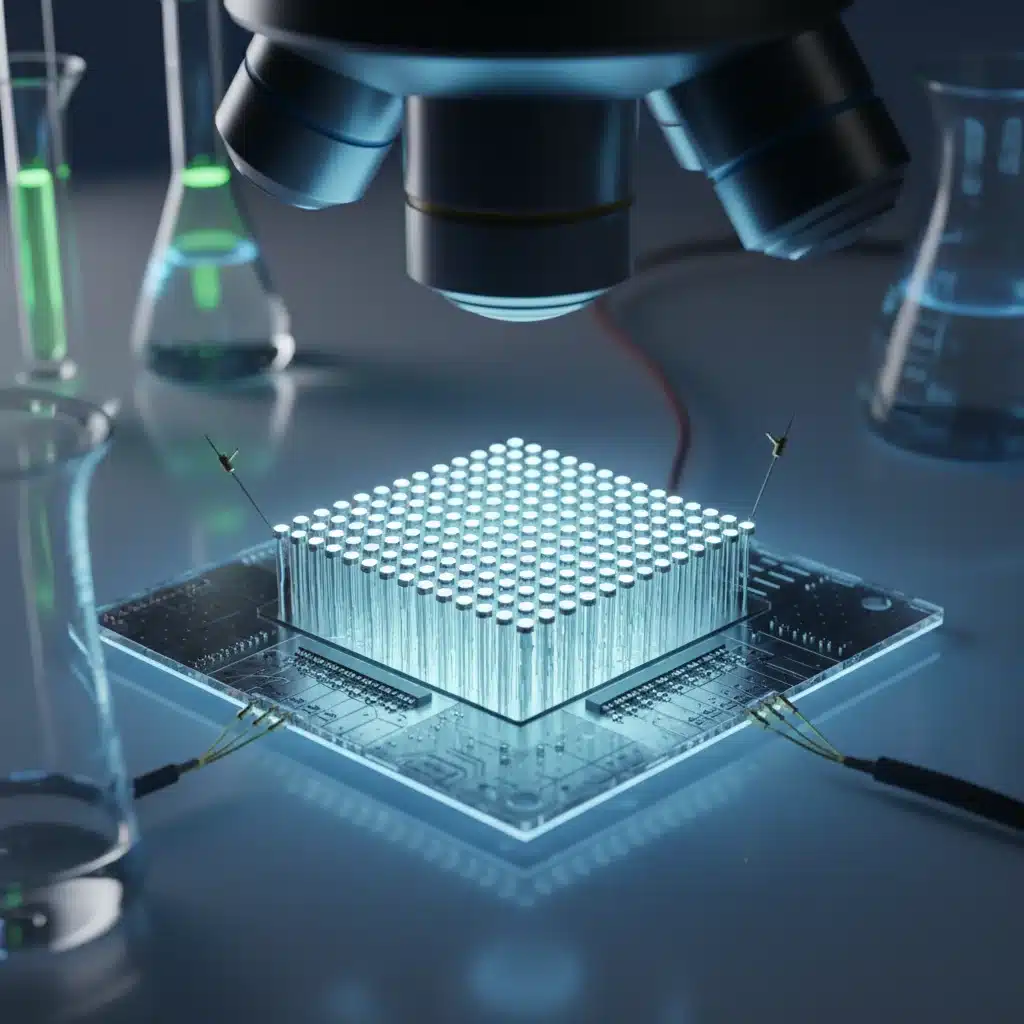
Heat is the Achilles’ heel of LED performance and longevity. While LEDs are more efficient than incandescent bulbs, they still generate heat, which can degrade semiconductor materials, reduce light output, and shorten lifespan. The 2026 LED lighting innovations will feature revolutionary thermal management solutions. This includes integrating materials with ultra-high thermal conductivity, such as advanced ceramics and composite materials, directly into the LED package. Passive cooling designs are becoming more sophisticated, utilizing optimized fin structures and vapor chambers. Active cooling solutions, though more complex, are also being explored for high-power applications, ensuring that the LED junction temperature remains within optimal operating limits, thereby preserving efficiency and extending life.
The Promise of a 10-Year Lifespan: Durability Meets Performance
Beyond efficiency, the extension of LED lifespan to a full decade of continuous operation is another cornerstone of the 2026 innovations. While current LEDs already boast impressive lifespans compared to traditional lighting, achieving a reliable 10-year (approximately 87,600 hours) operational life under various conditions requires addressing every potential point of failure. This focus on durability is not just about convenience; it significantly reduces maintenance costs, waste, and the overall environmental footprint of lighting infrastructure.
Robust Packaging and Encapsulation Materials
The integrity of the LED package is crucial for its longevity. Traditional epoxy resins can yellow and degrade over time due to heat and UV exposure, reducing light output and altering color. The next generation of LED lighting innovations will utilize advanced silicone-based encapsulants and other high-performance polymers that are more resistant to heat, UV radiation, and environmental stressors. These materials maintain their optical clarity and mechanical properties for much longer, protecting the delicate LED chip from moisture, dust, and chemical contaminants. Hermetic sealing techniques, borrowed from other high-reliability electronics industries, are also being adapted to create impenetrable barriers around the LED components.
Driver Electronics and Power Supply Reliability
The LED driver, which converts AC mains power to the DC voltage and current required by the LED, is often the weakest link in the system’s lifespan. Electrolytic capacitors, in particular, are known to degrade over time due to heat. By 2026, we will see a widespread adoption of driver designs that eliminate or significantly reduce the reliance on electrolytic capacitors, opting instead for ceramic capacitors or advanced integrated circuits that offer superior longevity. Furthermore, the integration of smart power management units (PMUs) within the LED fixture will optimize power delivery, protect against voltage spikes, and manage thermal loads more effectively, all contributing to a longer, more stable operational life for the entire system.
Degradation Mitigation and Self-Healing Technologies
Even with the best materials and designs, some level of degradation is inevitable over extreme durations. Future LED lighting innovations are exploring novel approaches to mitigate this. This includes incorporating sensors that monitor LED performance and adjust operating parameters to slow down degradation. Research is also underway into "self-healing" materials that can repair minor defects or cracks that emerge over time, though these are likely further out than 2026 for widespread commercial application. However, the focus on understanding and predicting degradation mechanisms is leading to designs that inherently resist these processes for longer periods.
Quality Control and Accelerated Life Testing
To confidently guarantee a 10-year lifespan, manufacturers are investing heavily in advanced quality control and accelerated life testing (ALT) methodologies. These tests push LEDs to their limits under extreme conditions of temperature, humidity, and electrical stress to simulate years of operation in a compressed timeframe. Sophisticated data analytics and machine learning algorithms are used to interpret these results, allowing engineers to identify potential failure modes and refine designs before products even reach the market. This rigorous testing ensures that the promised longevity is not just a marketing claim but a verifiable performance metric.
Impact Across Sectors: A Brighter, More Sustainable Future
The combination of 75% higher efficiency and a 10-year lifespan for LED lighting will send ripple effects across virtually every sector, ushering in an era of unprecedented sustainability and economic benefits.
Residential and Commercial Buildings: Massive Energy Savings
For homeowners and businesses, the most immediate and tangible benefit will be a dramatic reduction in electricity bills. Lighting accounts for a significant portion of energy consumption in buildings. With LEDs that are 75% more efficient, the energy required to illuminate homes and offices will plummet. This translates to substantial cost savings over the lifespan of the fixtures, making the initial investment in advanced LEDs even more attractive. Furthermore, the 10-year lifespan means fewer bulb replacements, reducing maintenance costs and the hassle of frequent changes, particularly in hard-to-reach areas. Imagine a world where you rarely, if ever, have to change a light bulb in your home or office.
Urban Infrastructure: Smart Cities and Reduced Carbon Footprint
Cities stand to benefit immensely from these LED lighting innovations. Street lighting, public spaces, and municipal buildings consume vast amounts of energy. Upgrading to these new high-efficiency, long-lasting LEDs will dramatically cut municipal energy expenditures. The reduced need for maintenance crews to replace streetlights will also save labor costs and improve public safety by ensuring consistent illumination. Coupled with smart lighting controls – which can dim or brighten lights based on real-time needs, traffic, or pedestrian presence – cities can achieve truly intelligent and responsive urban environments. This not only saves energy but also significantly reduces the carbon footprint of urban centers, contributing to global climate goals.
Industrial and Manufacturing: Enhanced Productivity and Safety
In industrial settings, reliable and high-quality lighting is paramount for productivity, safety, and quality control. Factories, warehouses, and production lines often operate 24/7, making energy efficiency and longevity critical. The new generation of LEDs will provide superior illumination with minimal energy input, reducing operational costs. The extended lifespan means less downtime for maintenance, ensuring continuous operation and higher productivity. Moreover, improved color rendering and flicker-free lighting can enhance worker comfort and reduce eye strain, leading to a safer and more efficient work environment.
Horticulture and Agriculture: Optimized Plant Growth
Beyond general illumination, specialized LED lighting plays a crucial role in controlled environment agriculture (CEA) and horticulture. Future LED lighting innovations will enable even more precise spectral control and higher photosynthetic photon flux (PPF) per watt. This means growers can tailor light recipes more accurately to specific plant species and growth stages, accelerating growth, improving yield, and enhancing crop quality, all while consuming significantly less energy. The long lifespan will also reduce the need for frequent fixture replacement in demanding greenhouse or vertical farm environments.
Healthcare and Wellness: Human-Centric Lighting
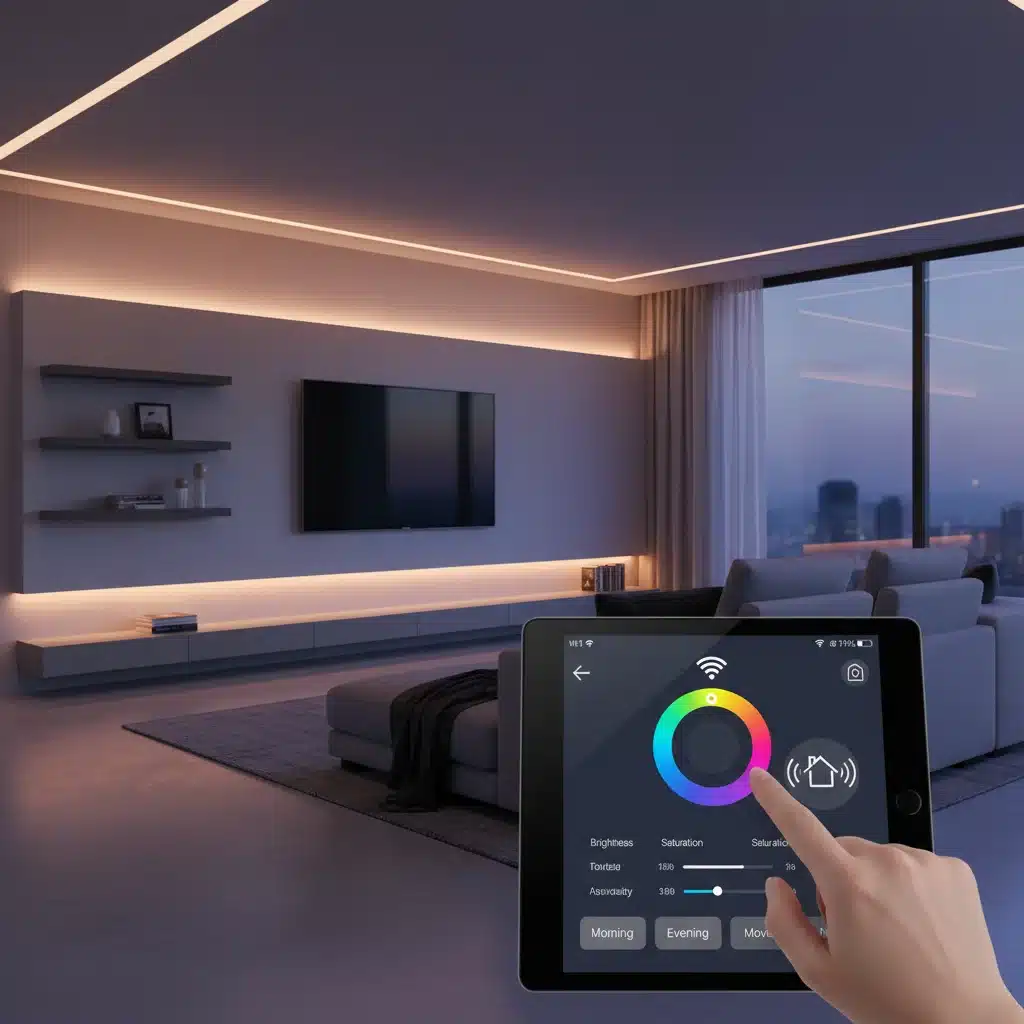
The impact of light on human health and well-being is increasingly recognized. Future LEDs will facilitate advanced human-centric lighting (HCL) systems that dynamically adjust color temperature and intensity throughout the day to mimic natural light cycles, supporting circadian rhythms. The increased efficiency and longevity will make these sophisticated systems more accessible and cost-effective for hospitals, elder care facilities, and even residential applications. By providing optimal lighting conditions, these innovations can improve patient recovery, enhance mood, and boost cognitive function.
Challenges and the Road Ahead for LED Lighting Innovations
While the future of LED lighting is incredibly bright, achieving these ambitious goals by 2026 isn’t without its challenges. Overcoming these hurdles will require continued collaboration between academia, industry, and policymakers.
Cost of Advanced Materials and Manufacturing
The development and implementation of novel semiconductor materials, quantum dots, and advanced thermal management solutions often come with higher initial costs. For these LED lighting innovations to achieve widespread adoption, manufacturers must find ways to scale production efficiently and bring down unit costs. Research into more cost-effective synthesis methods for quantum dots and alternative, abundant materials for substrates will be crucial. Furthermore, the sophisticated manufacturing processes required for nano-patterning and precise assembly demand significant investment in automation and quality control.
Standardization and Interoperability
As LED technology becomes more complex, especially with the integration of smart controls and IoT capabilities, standardization becomes increasingly important. Ensuring interoperability between different manufacturers’ products, control systems, and communication protocols is essential for seamless integration and user experience. Industry bodies will need to work together to establish common standards for performance metrics, communication interfaces, and even form factors to avoid market fragmentation and ensure consumer confidence.
Recycling and End-of-Life Management
With LEDs lasting for 10 years or more, the volume of discarded traditional lighting will decrease, but the eventual need to responsibly dispose of or recycle advanced LED fixtures will grow. These new LEDs, especially those incorporating quantum dots or specialized materials, may require more sophisticated recycling processes than current models. Developing robust recycling infrastructure and designing products for easier disassembly and material recovery from the outset will be critical to maintaining the environmental benefits of these long-lasting lights.
Consumer Education and Market Adoption
Despite the clear benefits, educating consumers and businesses about the value proposition of these advanced LEDs will be vital. The higher upfront cost, even with significant long-term savings, can be a barrier. Clear communication about total cost of ownership, environmental benefits, and enhanced performance will be necessary to drive market adoption. Government incentives, rebates, and energy efficiency programs can also play a significant role in accelerating the transition.
Balancing Performance with Aesthetics and Design
Beyond pure efficiency and lifespan, the aesthetic and design aspects of lighting remain crucial. The challenge for LED lighting innovations is to integrate these high-performance technologies into visually appealing and versatile form factors. Miniaturization of components, flexible light sources, and seamless integration into architectural designs will be key to ensuring that the functional benefits are matched by desirable aesthetics, allowing designers and architects to unleash new levels of creativity.
The Future is Bright: A Decade of Illumination and Beyond
The trajectory of LED lighting is undeniable. The innovations expected by 2026, promising 75% greater efficiency and a 10-year lifespan, represent a monumental step forward. These aren’t just incremental improvements; they are foundational shifts that will reshape our energy consumption patterns, reduce our environmental impact, and enhance our living and working environments. From the microscopic level of novel semiconductor materials and quantum dots to the macroscopic integration into smart cities and human-centric spaces, every aspect of lighting is being optimized for performance, durability, and sustainability.
The journey from incandescent bulbs to today’s LEDs has been remarkable, but the next few years promise an even more accelerated pace of change. As researchers continue to push the boundaries of physics and material science, and as manufacturers refine their production processes, we can anticipate a future where light is not only incredibly efficient and long-lasting but also highly intelligent, adaptable, and deeply integrated into our digital and physical worlds. The widespread adoption of these LED lighting innovations will lead to substantial global energy savings, contributing significantly to climate change mitigation efforts and fostering a more sustainable planet.
For consumers, this means fewer replacements, lower electricity bills, and superior quality of light. For businesses and municipalities, it translates to reduced operational costs, enhanced productivity, and a smaller environmental footprint. The challenges of cost, standardization, and recycling are significant, but the momentum of innovation suggests they are surmountable. As we look towards 2026 and beyond, the future of illumination is not just bright; it’s brilliantly efficient, remarkably durable, and profoundly transformative.