Smart Lighting Systems 2026: Top 4 Reviewed for US Homes
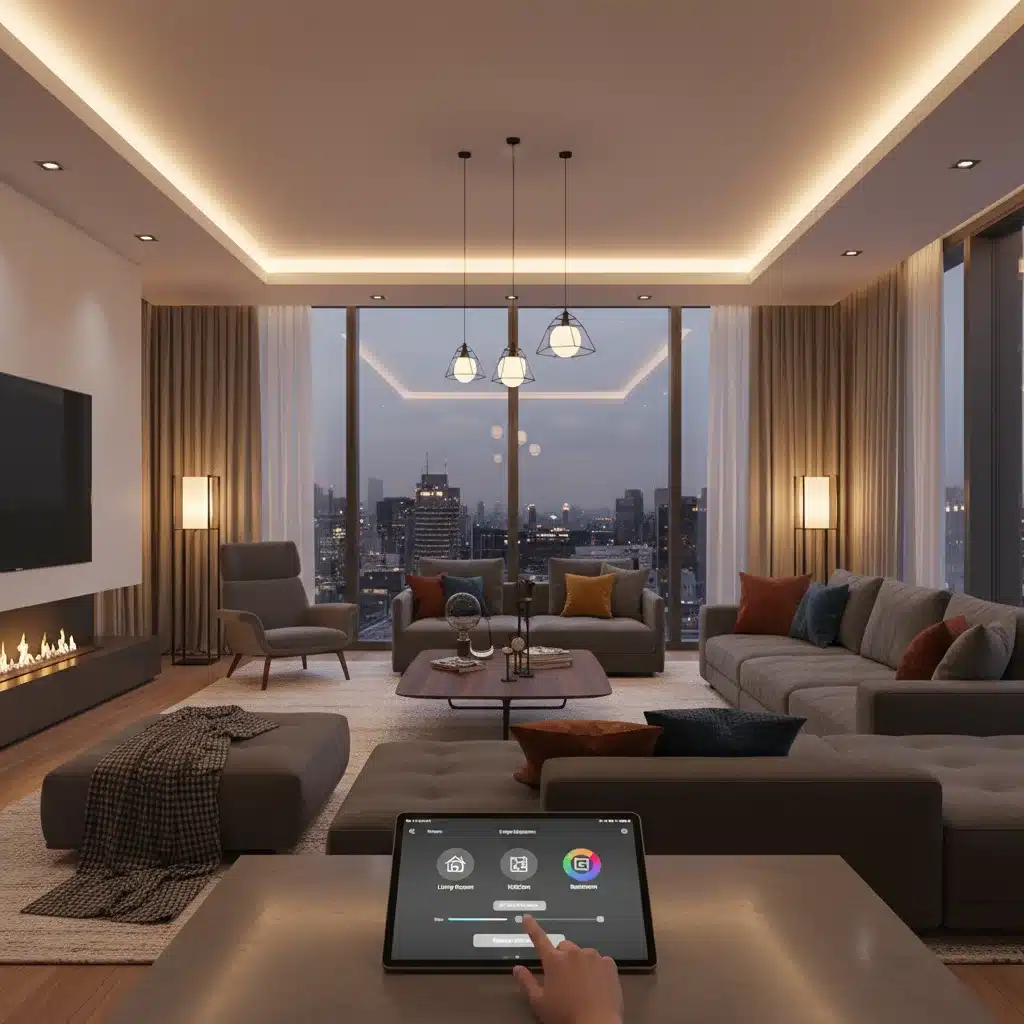
Welcome to the future of home illumination! In today’s rapidly evolving smart home landscape, smart lighting systems are no longer just a luxury but an integral part of modern living. They offer unparalleled convenience, energy efficiency, and the ability to transform the ambiance of any space with a tap or a voice command. As we step into Q1 2026, the market is brimming with innovative solutions, each promising to deliver the ultimate lighting experience. But with so many options, how do you choose the best smart lighting systems for your specific needs?
That’s where we come in. Our comprehensive review dives deep into the four leading smart lighting systems available to US consumers today. We’ve meticulously tested, analyzed, and compared these systems across critical parameters like features, compatibility, ease of installation, user experience, and overall value. Whether you’re a smart home veteran looking to upgrade or a newcomer eager to dip your toes into connected lighting, this guide will provide you with all the insights you need to make an informed decision.
Understanding the nuances of each system – from their proprietary ecosystems to their integration capabilities with other smart home devices – is crucial. Our goal is to cut through the marketing jargon and present you with a clear, unbiased comparison. So, dim the lights (or brighten them, if you prefer!) and let’s explore the best smart lighting systems of Q1 2026.
The Rise of Smart Lighting: More Than Just On/Off
Gone are the days when a light switch was your only control. Modern smart lighting systems offer a plethora of functionalities that go far beyond simple on/off commands. Imagine waking up to simulated sunrise lighting, having your lights adjust automatically based on natural light levels, or setting the perfect mood for a movie night with a spectrum of colors. This level of control not only enhances comfort and aesthetics but also contributes significantly to energy savings and home security.
Key Benefits of Integrating Smart Lighting Systems:
- Convenience: Control your lights from anywhere using your smartphone, voice assistant, or pre-set schedules.
- Energy Efficiency: Dimming capabilities, motion sensors, and scheduling features can significantly reduce electricity consumption.
- Ambiance Control: Millions of colors and shades of white light allow you to tailor the mood for any occasion.
- Enhanced Security: Program lights to turn on and off randomly when you’re away, creating the illusion of occupancy.
- Integration: Seamlessly connect with other smart home devices like thermostats, security cameras, and entertainment systems.
- Personalization: Create custom scenes and routines that match your lifestyle and preferences.
As the technology matures, these systems are becoming more user-friendly and affordable, making them accessible to a broader audience. The competition among manufacturers has also driven innovation, leading to more robust features, better connectivity, and improved reliability. Our review of the top smart lighting systems will highlight how each brand addresses these benefits and more.
Our Top 4 Smart Lighting Systems for Q1 2026
After extensive research and hands-on testing, we’ve narrowed down the field to four standout smart lighting systems that consistently deliver on performance, features, and user satisfaction for the US market. Each system has its unique strengths and caters to slightly different user needs and preferences. Let’s dive into each one.
1. Philips Hue: The Industry Standard for Smart Lighting Systems
Overview: Philips Hue continues to dominate the smart lighting market, and for good reason. Its comprehensive ecosystem, robust features, and extensive third-party integrations make it a perennial favorite. Hue offers an incredibly wide range of bulbs, light strips, lamps, and outdoor lighting solutions, all controlled via a user-friendly app or voice assistants.
Key Features:
- Vast Product Range: From standard bulbs to intricate light strips, outdoor fixtures, and entertainment lighting.
- Excellent Color Accuracy: Known for its vibrant and accurate color reproduction across millions of shades.
- Reliable Connectivity: Utilizes Zigbee, requiring a Hue Bridge for optimal performance and connectivity, though Bluetooth control is also available for single rooms.
- Robust App: Intuitive interface for scene creation, scheduling, geofencing, and advanced automations.
- Entertainment Sync: Unique ability to sync lights with movies, music, and games for an immersive experience.
- Broad Compatibility: Works seamlessly with Amazon Alexa, Google Assistant, Apple HomeKit, Samsung SmartThings, and many more.
Pros: Unrivaled ecosystem, superior color quality, extremely reliable, extensive third-party support, excellent entertainment features. The sheer variety of products means you can light up every corner of your home, inside and out, with consistent performance. The Hue Bridge, while an additional cost, ensures a dedicated and stable network for your lights, reducing reliance on your Wi-Fi and improving responsiveness. For those seeking the most comprehensive and feature-rich smart lighting systems, Hue remains the gold standard.
Cons: Higher initial cost, especially with the required Hue Bridge for larger setups. Some users might find the initial setup slightly more involved due to the bridge requirement. However, the investment often pays off in terms of reliability and feature set.
2. Govee: The Innovator in Ambient Smart Lighting Systems
Overview: Govee has rapidly gained popularity for its innovative and often more affordable smart lighting solutions, particularly in the realm of LED light strips and unique ambient lighting products. While it might not have the same breadth of traditional bulb offerings as Hue, Govee excels in creating dynamic and visually stunning lighting effects.
Key Features:
- Dynamic Light Effects: Known for its segment control on light strips, allowing multiple colors to be displayed simultaneously.
- Vibrant Colors: Offers a wide spectrum of rich and bright colors, often with higher lumen output in specific products.
- Music Sync Modes: Advanced music synchronization that reacts dynamically to sound, creating impressive light shows.
- Camera-Based TV Backlighting: Products like the Govee Immersion Kit use a camera to match the colors on your TV screen, enhancing entertainment.
- Wi-Fi & Bluetooth Connectivity: Most devices connect directly to Wi-Fi, eliminating the need for a separate hub, though some also offer Bluetooth for direct control.
- Growing Ecosystem: Expanding range of bulbs, light bars, floor lamps, and outdoor lights.
Pros: Excellent value for money, cutting-edge dynamic lighting effects, no hub required for most devices, strong focus on entertainment and atmospheric lighting. Govee’s app is surprisingly robust, offering deep customization for its unique lighting effects. For users prioritizing visual flair and immersive entertainment experiences without breaking the bank, Govee’s smart lighting systems are a fantastic choice.
Cons: Less extensive range of traditional bulbs compared to Philips Hue. While compatibility with Alexa and Google Assistant is good, HomeKit support is limited or non-existent for many products. Some users might find the app’s advanced effect customization a bit overwhelming initially.
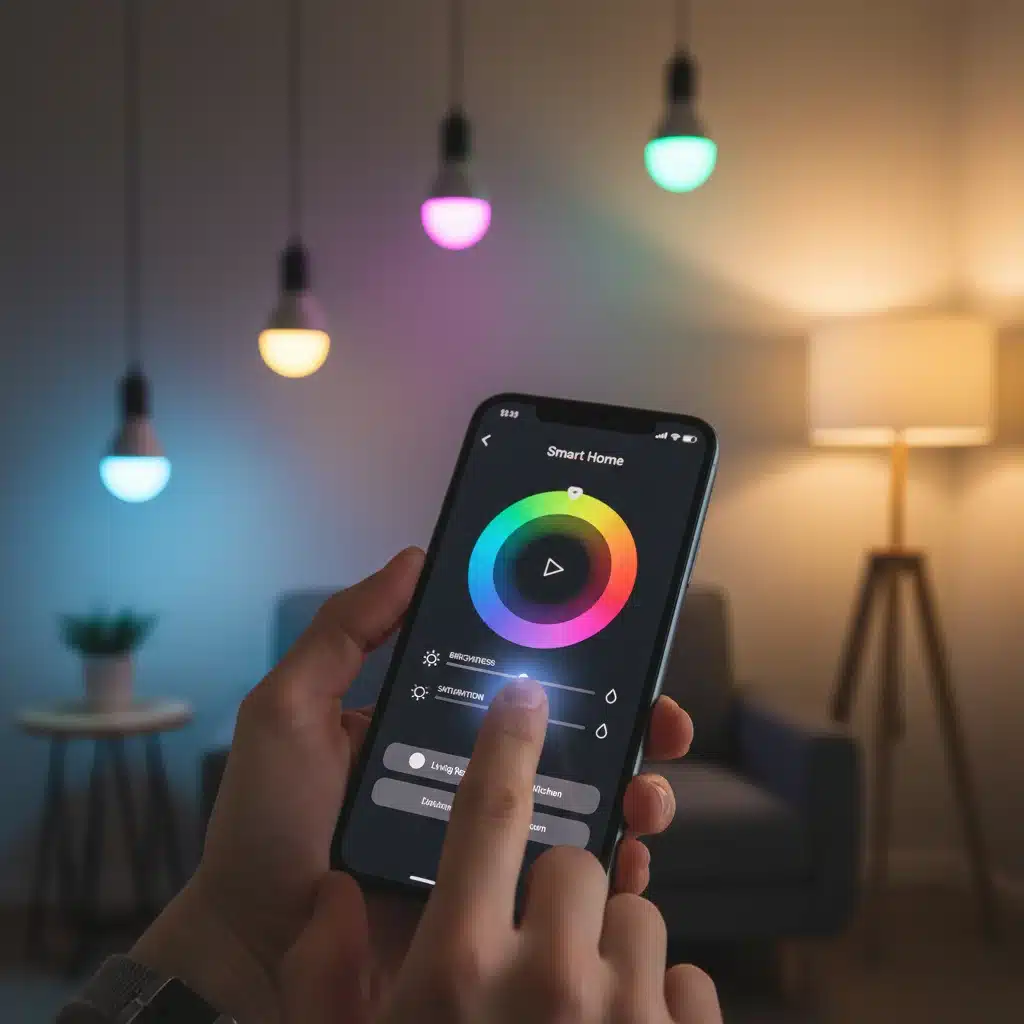
3. Nanoleaf: Artistic and Modular Smart Lighting Systems
Overview: Nanoleaf stands out with its unique modular light panels and shapes, designed not just for illumination but also as artistic wall decor. It’s for those who view lighting as an integral part of their home’s aesthetic and want to create truly personalized and dynamic visual experiences. While they also offer traditional bulbs, their modular panels are their signature.
Key Features:
- Modular Design: Connect various shapes (panels, lines, hexagons, triangles) to create custom wall art and lighting layouts.
- Touch Control: Many panels respond to touch, allowing for interactive light experiences.
- Screen Mirroring: Syncs with your computer screen to extend the visual experience of movies and games onto your walls.
- Rhythm Music Visualizer: Built-in microphone allows panels to react to music in real-time, creating stunning visualizers.
- Thread Border Router: Newer Nanoleaf devices act as Thread border routers, enhancing connectivity and future-proofing your smart home.
- Wide Compatibility: Works with Apple HomeKit, Google Assistant, Amazon Alexa, IFTTT, and SmartThings.
Pros: Unparalleled aesthetic appeal, highly customizable artistic designs, interactive features, excellent integration with Apple HomeKit, future-proof with Thread support. Nanoleaf’s smart lighting systems are perfect for creating a focal point in a room, adding a modern artistic touch, and providing dynamic ambient lighting that doubles as decor. The ability to design your own light layouts offers endless creative possibilities.
Cons: Premium price point, especially for larger installations. Primarily focused on accent and ambient lighting rather than general room illumination (though this is changing with their Essentials line). Installation can be more involved due to panel placement and cable management. The initial investment is higher, but the unique visual impact is often worth it for design-conscious users.
4. Lutron Caséta Wireless: Reliability and Precision in Smart Lighting Systems
Overview: Lutron Caséta Wireless takes a different approach to smart lighting. Instead of focusing solely on smart bulbs, Lutron specializes in smart dimmers and switches that control your existing light fixtures. This makes it an ideal choice for those who prefer to keep their current bulbs (including recessed lighting and chandeliers) but want smart control, or for those building a smart home from the ground up with reliability as a top priority.
Key Features:
- Smart Dimmers & Switches: Replaces existing light switches to provide smart control over any connected fixture.
- Proprietary Clear Connect RF Technology: Ensures extremely reliable and fast communication, free from Wi-Fi interference.
- Pico Remote Controls: Wireless, battery-powered remotes that can be mounted on walls or used handheld, offering convenient control without a smartphone.
- Smart Bridge: Required for smart home integration and app control, creating a dedicated, robust network.
- Precise Dimming: Known for its smooth and flicker-free dimming capabilities, even with low-wattage LEDs.
- Extensive Compatibility: Integrates with virtually every major smart home platform, including Apple HomeKit, Amazon Alexa, Google Assistant, Sonos, Ring, and more.
Pros: Unmatched reliability and responsiveness, ideal for controlling existing fixtures, excellent for whole-home smart lighting, superior dimming performance, robust physical controls with Pico remotes. Lutron Caséta is often recommended by electricians and smart home installers for its rock-solid performance and ease of integration into existing electrical systems. If you value stability and control over your entire home’s lighting infrastructure, these smart lighting systems are a top contender.
Cons: Higher cost per switch/dimmer compared to individual smart bulbs. Requires professional installation for those uncomfortable with electrical wiring (though DIY is possible for experienced users). Less emphasis on color-changing capabilities, as it controls the power to standard bulbs, not the bulbs themselves. The initial investment is higher, but the long-term reliability and seamless integration are significant advantages.
Key Considerations When Choosing Smart Lighting Systems
Selecting the right smart lighting system involves more than just picking a popular brand. Here are crucial factors to weigh before making your decision:
1. Ecosystem and Compatibility
Consider your existing smart home devices. Do you use Amazon Alexa, Google Assistant, Apple HomeKit, or a different hub like SmartThings? Ensure the smart lighting systems you choose seamlessly integrate with your preferred ecosystem. Philips Hue and Lutron Caséta offer the broadest compatibility, while Govee and Nanoleaf are continually expanding their integrations, though some limitations may exist, particularly with HomeKit for Govee.
2. Connectivity (Hub vs. Hub-less)
- Hub-based systems (e.g., Philips Hue, Lutron Caséta): These use a dedicated bridge or hub that connects to your router. They often offer more reliable connections (using Zigbee or proprietary RF), better range, and can handle more devices without congesting your Wi-Fi network. They typically cost more upfront.
- Hub-less systems (e.g., many Govee devices): These connect directly to your Wi-Fi. They are simpler to set up initially and often more affordable. However, they can potentially strain your Wi-Fi network with many devices and may experience more latency or dropped connections if your Wi-Fi is weak.
3. Type of Lighting Desired
- Bulbs: Do you need standard A19 bulbs, candelabra, BR30 floods, or GU10 spots? All systems offer various bulb types.
- Light Strips: For accent lighting, under cabinets, or behind TVs. Govee and Philips Hue excel here with advanced features.
- Lamps & Fixtures: Integrated lamps, outdoor lighting, and ceiling fixtures. Philips Hue has the most extensive range.
- Switches & Dimmers: If you want to control existing ‘dumb’ bulbs or recessed lighting, Lutron Caséta is the specialist.
- Decorative/Artistic: For unique wall art and ambient lighting, Nanoleaf is the clear leader.
4. Color vs. White Light
Do you need full-color RGBW capabilities to set moods and scenes, or are you primarily interested in tunable white light (from warm to cool white) for functional purposes? All reviewed smart lighting systems offer excellent tunable white options, but Philips Hue and Govee are renowned for their vibrant color renditions. Lutron Caséta controls whatever bulbs you have, so if you want color, you’d pair it with color-changing smart bulbs or fixtures.
5. Ease of Installation and Use
Consider your comfort level with technology and DIY projects. Hub-less systems are generally easier to get started with. Hub-based systems might involve an extra step but often simplify long-term management. Lutron Caséta involves electrical wiring, which might require a professional. The user-friendliness of the mobile app is also paramount for daily operation.
6. Budget
Smart lighting systems range from budget-friendly options to premium setups. While initial costs can vary, also consider the long-term investment. Cheaper individual bulbs might add up quickly, while a more expensive hub-based system might offer better scalability and reliability over time. Govee often provides excellent value, while Philips Hue, Nanoleaf, and Lutron Caséta represent higher-end investments with corresponding benefits.
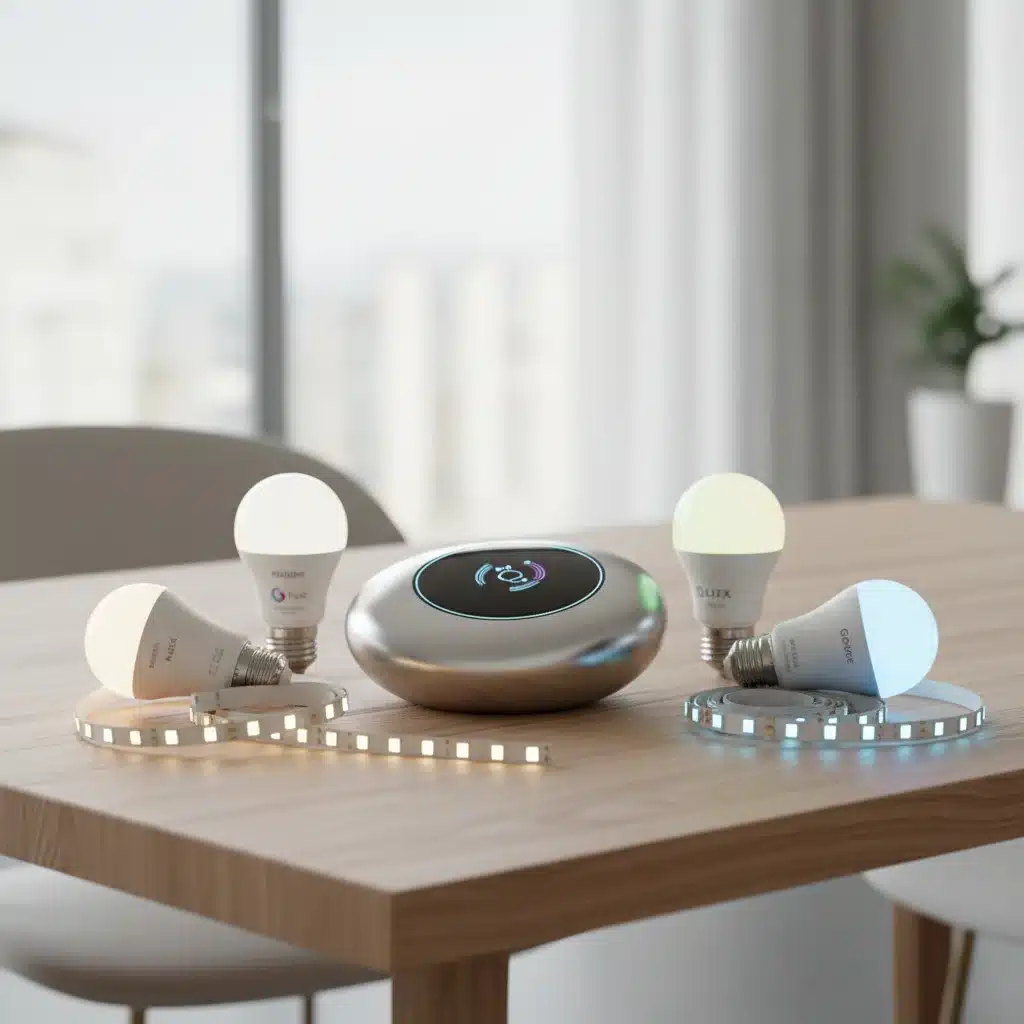
Future Trends in Smart Lighting Systems (Q1 2026 and Beyond)
The smart lighting industry is far from stagnant. As we look ahead, several exciting trends are shaping the future of these systems:
- Matter and Thread Adoption: The Matter standard promises universal compatibility across different smart home ecosystems, simplifying setup and improving interoperability. Thread is a low-power, self-healing mesh networking protocol that enhances reliability and responsiveness. Expect more devices, especially from Nanoleaf and Philips Hue, to fully embrace these technologies, making your smart home more robust and future-proof.
- AI-Powered Adaptive Lighting: Beyond simple schedules, AI will enable lights to adapt more intelligently to user presence, natural light, time of day, and even personal preferences learned over time, optimizing for circadian rhythm and energy saving automatically.
- Health and Wellness Focus: Lighting that actively supports sleep cycles, improves focus, and reduces eye strain will become more prevalent. Expect more sophisticated tunable white and full-spectrum lighting solutions.
- Enhanced Entertainment Integration: Deeper integration with gaming platforms, streaming services, and home theaters will create even more immersive experiences, with lights becoming an extension of the on-screen action.
- Sustainability: Manufacturers will continue to focus on energy efficiency, longer-lasting products, and more sustainable materials and packaging.
- Increased Sensor Integration: Lights will become more aware of their environment, integrating more sophisticated motion, occupancy, and ambient light sensors to provide truly responsive and energy-efficient illumination.
These trends indicate a future where smart lighting systems are not just about convenience but about creating a truly intelligent, adaptive, and personalized living environment that contributes to our well-being and energy conservation efforts.
Conclusion: Which Smart Lighting System is Right for You?
Choosing the best smart lighting systems for your home in Q1 2026 depends heavily on your priorities, budget, and existing smart home setup. Each of our top four contenders offers a compelling package:
- For the Comprehensive Ecosystem and Reliability: Philips Hue remains the undisputed champion. If you want the widest range of products, consistent performance, and broad compatibility, and don’t mind the premium price, Hue is your go-to.
- For Dynamic Effects and Value: Govee is perfect for those who prioritize vibrant colors, unique lighting effects, and immersive entertainment experiences without a hefty investment. It’s a fantastic entry point into dynamic smart lighting.
- For Artistic Expression and Unique Design: Nanoleaf is for the design-conscious individual who sees lighting as both function and art. Its modular panels offer unparalleled customization and visual appeal.
- For Unmatched Reliability and Whole-Home Control of Existing Fixtures: Lutron Caséta Wireless is the choice for those who value rock-solid performance, precise dimming, and the ability to smart-enable all their existing lights and ceiling fans.
Before making your final decision, we recommend assessing your specific needs:
- What rooms do you want to light?
- Do you need color, tunable white, or both?
- What’s your budget for initial setup and expansion?
- Which smart home platforms do you already use?
- Are you comfortable with DIY installation or would you prefer professional help?
No matter which of these leading smart lighting systems you choose, you’re investing in a more convenient, efficient, and enjoyable home environment. The future of lighting is bright, smart, and fully customizable. Happy illuminating!