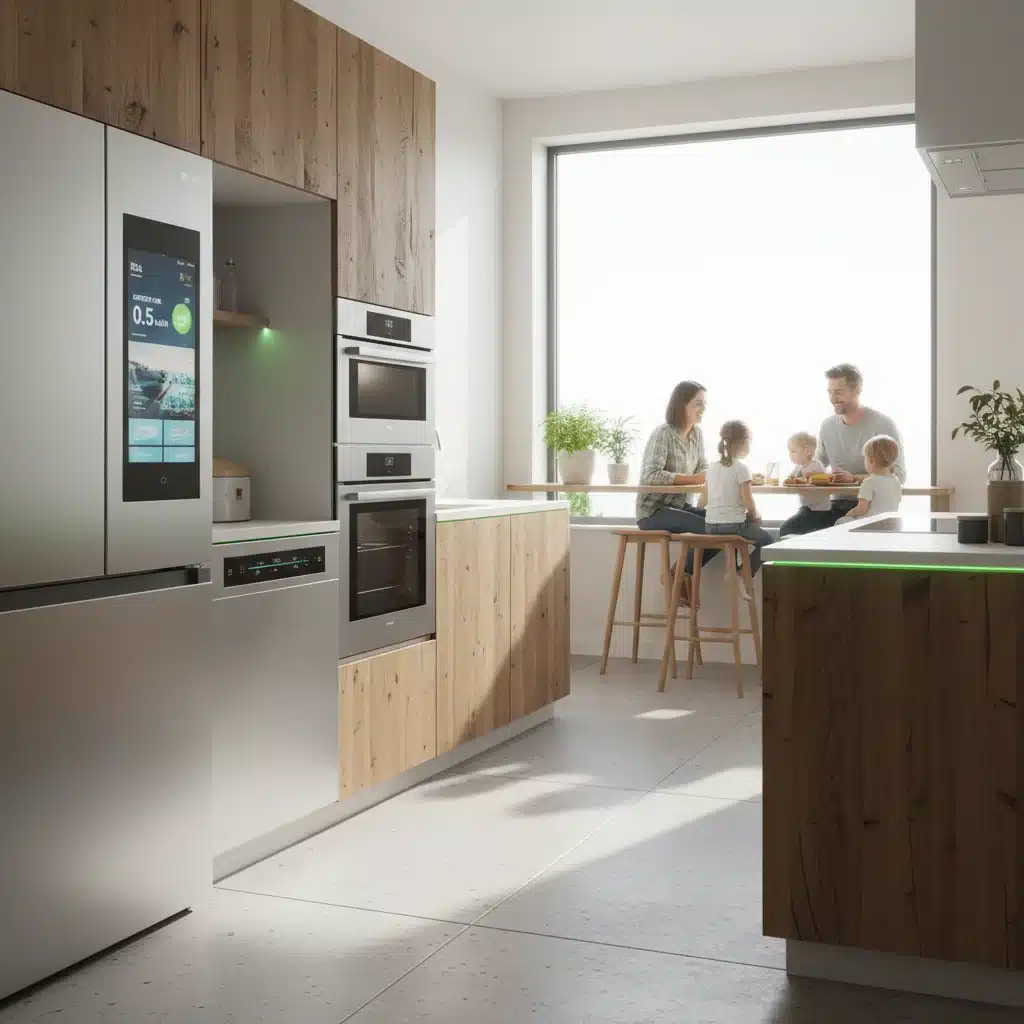
In an era where technology is seamlessly integrating into every facet of our lives, our homes are no exception. The year 2026 is poised to be a pivotal moment for home efficiency, with smart appliances not just offering convenience but also significant financial savings. If you’ve been contemplating an upgrade, now is the time to consider how smart appliance upgrades, particularly those bearing the ENERGY STAR label, can dramatically cut your utility bills by as much as 10%.
The promise of a smarter home isn’t just about controlling your lights with your voice or preheating your oven from your office. It’s about a fundamental shift in how we consume and manage energy. As energy costs continue to fluctuate and environmental concerns grow, the focus on energy efficiency has never been more critical. This comprehensive guide will delve into the world of smart appliances, explaining how their advanced features, coupled with ENERGY STAR certification, can transform your home into a beacon of efficiency and savings.
The Evolution of Home Appliances: From Basic to Brilliant
For decades, home appliances served a singular purpose: to perform a specific task. Refrigerators kept food cold, washing machines cleaned clothes, and ovens baked food. While their functionality was undeniable, their energy consumption was often an afterthought. Fast forward to 2026, and the landscape has changed dramatically. Today’s appliances are not just functional; they are intelligent, interconnected, and incredibly efficient.
The concept of a ‘smart’ appliance extends beyond mere automation. It encompasses features like remote control, diagnostic capabilities, predictive maintenance, and, most importantly, optimized energy usage. These innovations are designed to make your life easier and your home more sustainable. But what truly sets some smart appliances apart is the ENERGY STAR certification.
What is ENERGY STAR and Why Does It Matter for Smart Appliance Upgrades?
The ENERGY STAR program, a joint initiative of the U.S. Environmental Protection Agency (EPA) and the U.S. Department of Energy (DOE), is a voluntary labeling program that identifies and promotes energy-efficient products. When you see the ENERGY STAR label on an appliance, it signifies that the product meets strict energy efficiency guidelines set by these government agencies. This means it uses less energy than conventional models, leading to lower utility bills and a reduced carbon footprint.
For smart appliance upgrades, ENERGY STAR certification is particularly significant. It ensures that the advanced features and connectivity of these devices are not just about convenience but are also intrinsically linked to energy savings. An ENERGY STAR certified smart refrigerator, for instance, might learn your usage patterns and adjust its cooling cycles accordingly, or a smart dishwasher might optimize its wash cycles based on load size and soil level, all while consuming less water and electricity.
How Smart Appliance Upgrades Lead to 10% Utility Bill Reduction
The claim of cutting your utility bills by 10% might seem ambitious, but it’s a realistic goal when strategically implementing smart appliance upgrades with ENERGY STAR certification. Let’s break down the mechanisms through which these savings are achieved:
1. Optimized Energy Consumption
Traditional appliances often operate at a fixed rate, consuming the same amount of energy regardless of the actual need. Smart appliances, especially those with ENERGY STAR ratings, are designed to be dynamic. They use sensors, algorithms, and connectivity to optimize their energy consumption:
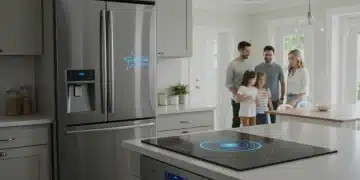
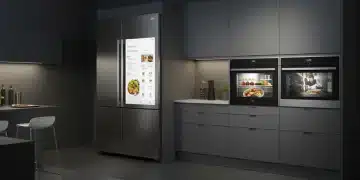
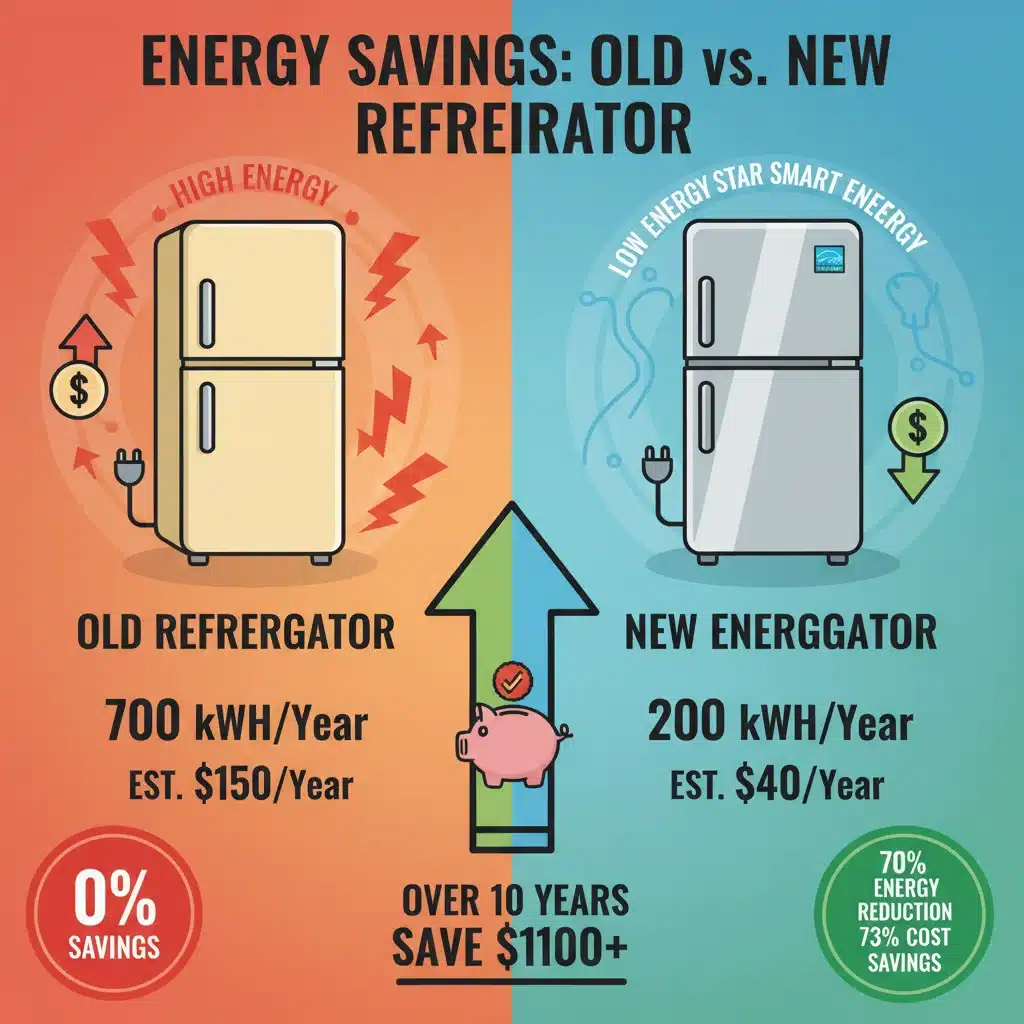
- Refrigerators: Smart refrigerators can monitor door openings, internal temperature fluctuations, and even ambient room temperature to adjust compressor cycles. Some models have ‘vacation modes’ that reduce energy use when you’re away. ENERGY STAR models are proven to be significantly more efficient than their non-certified counterparts.
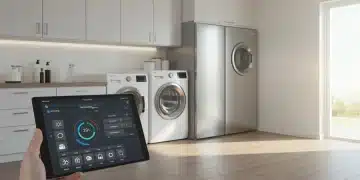
- Washing Machines and Dryers: Smart washers can detect load size and fabric type to use the optimal amount of water and detergent. Smart dryers can sense moisture levels and stop when clothes are dry, preventing over-drying and unnecessary energy expenditure. ENERGY STAR certified laundry pairs can save a substantial amount of energy and water.
- Dishwashers: Modern smart dishwashers can use soil sensors to determine the dirtiness of dishes and adjust wash cycles accordingly. Many also offer delayed start options, allowing you to run them during off-peak electricity hours when rates are lower. ENERGY STAR dishwashers use less water and energy per cycle.
- Ovens and Cooktops: Smart ovens can preheat faster and maintain precise temperatures more efficiently. Some offer convection cooking, which can reduce cooking times. Induction cooktops, often found in smart kitchen setups, are inherently more energy-efficient than traditional electric or gas ranges.
2. Remote Monitoring and Control
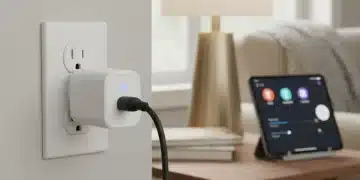
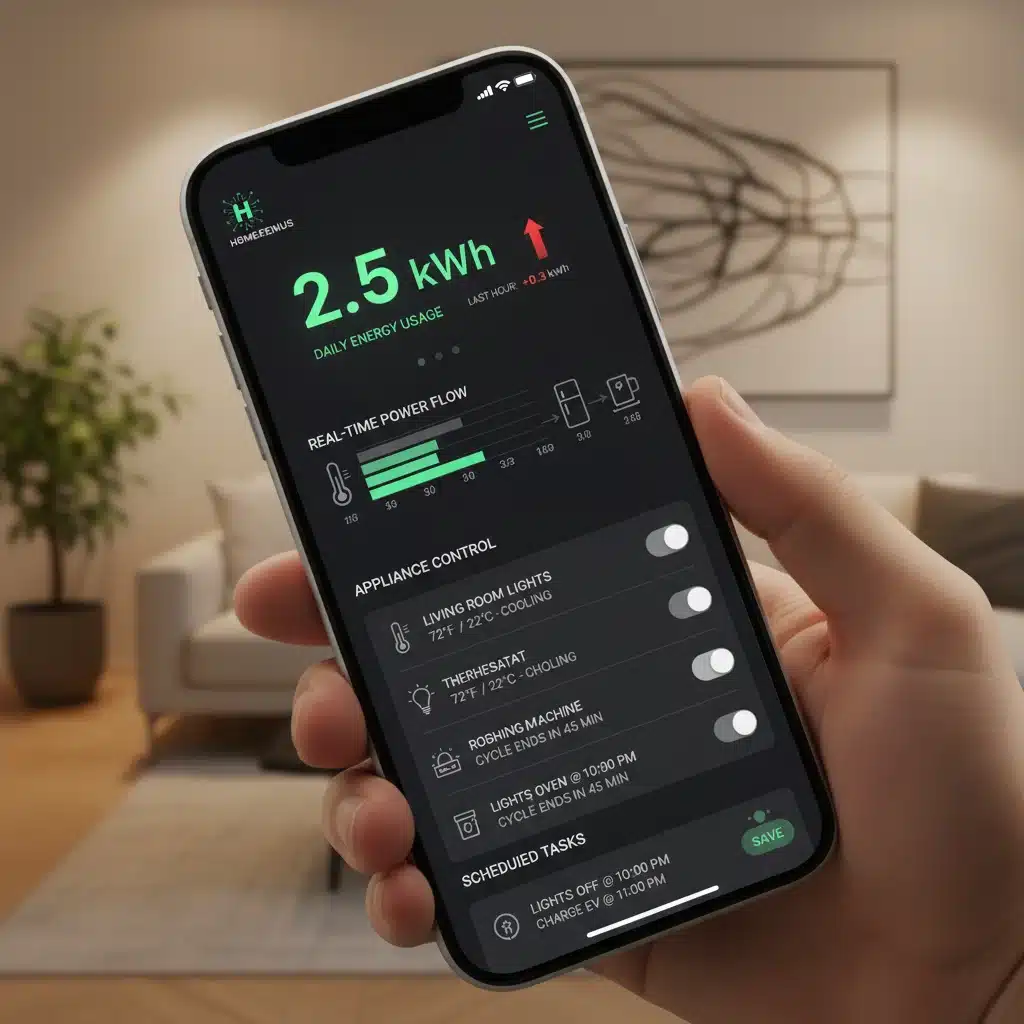
The ability to monitor and control your appliances from anywhere is not just a convenience; it’s a powerful tool for energy management. Forgot to turn off the oven? No problem, just check your app. Left the lights on? Switch them off remotely. This level of control prevents wasted energy from forgotten settings or unnecessary operation.
3. Usage Pattern Learning and Automation
Many smart appliances can learn your habits and automate tasks accordingly. A smart thermostat, for example, can learn your preferred temperatures and adjust heating and cooling based on your schedule, presence, and even local weather forecasts. This proactive approach to energy management ensures that energy is only used when and where it’s needed.
4. Integration with Home Energy Management Systems (HEMS)
The true power of smart appliance upgrades comes from their ability to integrate into a larger Home Energy Management System. A HEMS allows you to see a holistic view of your home’s energy consumption, identify energy hogs, and make informed decisions. When all your smart, ENERGY STAR certified appliances communicate with a central system, you can achieve unprecedented levels of efficiency and savings.
Key Smart Appliances to Consider for Your 2026 Upgrade
As you plan your smart appliance upgrades for 2026, here are some key areas to focus on for maximum impact on your utility bills:
Smart Refrigerators
Refrigerators run 24/7, making them one of the biggest energy consumers in your home. Upgrading to an ENERGY STAR certified smart refrigerator can lead to significant savings. Look for features like:
- Advanced Temperature Management: Precise temperature control minimizes energy use.
- Door-in-Door Access: Reduces cold air loss when accessing frequently used items.
- Smart Diagnostics: Alerts you to potential issues before they become costly repairs.
- Vacation Mode: Optimizes energy use when you’re away.
Smart Laundry Pairs (Washer and Dryer)
Washing and drying clothes can be energy and water intensive. ENERGY STAR certified smart washers and dryers are designed to minimize both:
- Load Sensing: Automatically adjusts water levels and cycle times.
- Moisture Sensing Dryers: Prevents over-drying, saving energy and extending clothing life.
- Steam Functions: Can reduce the need for ironing, saving more energy.
- Delayed Start: Utilizes off-peak electricity rates.
Smart Dishwashers
An old, inefficient dishwasher can be a major drain on your utility budget. New ENERGY STAR smart dishwashers offer:
- Soil Sensors: Detects how dirty your dishes are to optimize water and energy use.
- Energy-Saving Wash Cycles: Specific cycles designed for maximum efficiency.
- Delayed Start: Run during off-peak hours for cheaper electricity.
- Quiet Operation: Often a byproduct of efficient design.
Smart Thermostats
While not strictly an an appliance, a smart thermostat is arguably one of the most impactful smart appliance upgrades for reducing energy consumption, as heating and cooling account for a large portion of home energy use.
- Learning Capabilities: Adapts to your schedule and preferences.
- Geofencing: Adjusts temperature based on your proximity to home.
- Zone Control: If you have multiple zones, controls each independently for optimal comfort and efficiency.
- Energy Reports: Provides insights into your energy usage patterns.
Smart Water Heaters
Heating water is another significant energy consumer. Smart water heaters offer:
- Learning Modes: Learns your hot water usage patterns to heat water only when needed.
- Vacation Mode: Reduces heating when you’re away.
- Integration with Smart Home Systems: Allows for remote control and scheduling.
The Financial and Environmental Benefits Beyond 10% Savings
While a 10% reduction in utility bills is a compelling reason to consider smart appliance upgrades, the benefits extend much further. These upgrades represent an investment in both your wallet and the planet.
Long-Term Cost Savings
The initial investment in smart, ENERGY STAR certified appliances might be higher than conventional models, but the long-term savings often outweigh the upfront cost. Over the lifespan of the appliance, you’ll save money on electricity and water, potentially adding up to hundreds or even thousands of dollars. Factor in potential rebates and tax credits for ENERGY STAR products, and the return on investment becomes even more attractive.
Increased Home Value
A home equipped with modern, energy-efficient smart appliances is more appealing to potential buyers. Energy efficiency is a top priority for many homebuyers, and these upgrades can increase your home’s market value, making it a more attractive and sustainable property.
Reduced Carbon Footprint
Every kilowatt-hour of electricity saved means less demand on power plants, which often rely on fossil fuels. By choosing ENERGY STAR certified smart appliance upgrades, you are directly contributing to a reduction in greenhouse gas emissions and helping to combat climate change. This is a tangible way to make a positive environmental impact from the comfort of your own home.
Enhanced Comfort and Convenience
Beyond the savings, smart appliances offer unparalleled convenience. Imagine preheating your oven on your way home from work, having your laundry ready exactly when you need it, or receiving alerts if your refrigerator door is left ajar. These features simplify daily chores and enhance your overall quality of life.
Navigating the Smart Appliance Market in 2026
The market for smart appliances is continually evolving, with new features and technologies emerging regularly. Here’s how to make informed decisions when planning your smart appliance upgrades:
Look for the ENERGY STAR Label
This is your primary indicator of energy efficiency. Always prioritize appliances with this certification, as it guarantees they meet rigorous standards for energy savings.
Consider Interoperability
Ensure that your chosen smart appliances can communicate with each other and with your existing smart home ecosystem. Compatibility is key for a seamless and integrated experience.
Read Reviews and Research Brands
Not all smart appliances are created equal. Read independent reviews, compare features, and choose reputable brands known for reliability and customer support.
Assess Your Needs and Lifestyle
Before making a purchase, consider your household’s specific needs. Do you have a large family? Do you work from home? Your lifestyle will influence which smart features will be most beneficial to you.
Understand Installation and Setup
Some smart appliances require professional installation, while others are relatively easy to set up yourself. Factor in installation costs and complexity when making your decision.
Explore Rebates and Incentives
Many utility companies and local governments offer rebates or incentives for purchasing ENERGY STAR certified appliances. Check what’s available in your area to further reduce your upfront costs.
The Future is Now: Embracing Smart Appliance Upgrades
The year 2026 marks a significant turning point in home energy management. The convergence of smart technology and stringent energy efficiency standards, championed by programs like ENERGY STAR, offers homeowners an unprecedented opportunity to save money, reduce their environmental impact, and enjoy a more convenient lifestyle. The 10% utility bill reduction is not just a dream; it’s an achievable reality for those willing to embrace the future of home appliances.
By strategically investing in smart appliance upgrades, you’re not just buying new gadgets; you’re investing in a more sustainable, cost-effective, and comfortable home. The journey to a greener, more economical household starts with informed choices and a willingness to leverage the power of smart, ENERGY STAR certified technology. Make 2026 the year you take control of your utility bills and join the movement towards a smarter, more energy-efficient future.