
Advanced Geofencing for Smart Homes: Boosting Security & Convenience by 2026
The concept of a ‘smart home’ has evolved rapidly, moving beyond simple remote control to truly intelligent, responsive environments. At the heart of this evolution lies geofencing – a technology that uses location data to trigger actions when a device enters or exits a predefined virtual boundary. While basic geofencing has been around for a while, the next few years, specifically leading up to mid-2026, will see advanced geofencing home automation capabilities reach unprecedented levels of sophistication. This isn’t just about turning lights on when you pull into the driveway; it’s about a seamless, intuitive, and highly personalized living experience.
Imagine a home that anticipates your needs, secures itself proactively, and optimizes energy consumption without you lifting a finger. This future is closer than you think, driven by advancements in artificial intelligence, machine learning, and more precise location technologies. This article will delve into four transformative ways advanced geofencing home automation will redefine security and convenience, making our smart homes truly intelligent by mid-2026.
1. Intelligent & Adaptive Lighting Systems: Beyond Simple On/Off
Current geofencing applications for lighting are often rudimentary. They typically involve setting lights to turn on or off when you cross a single geofence boundary. However, advanced geofencing home automation will introduce multi-layered, adaptive lighting systems that learn and respond to your specific routines and preferences with incredible precision. By mid-2026, expect a significant leap in how your home’s lighting interacts with your presence.
Multi-Zone Geofencing for Granular Control
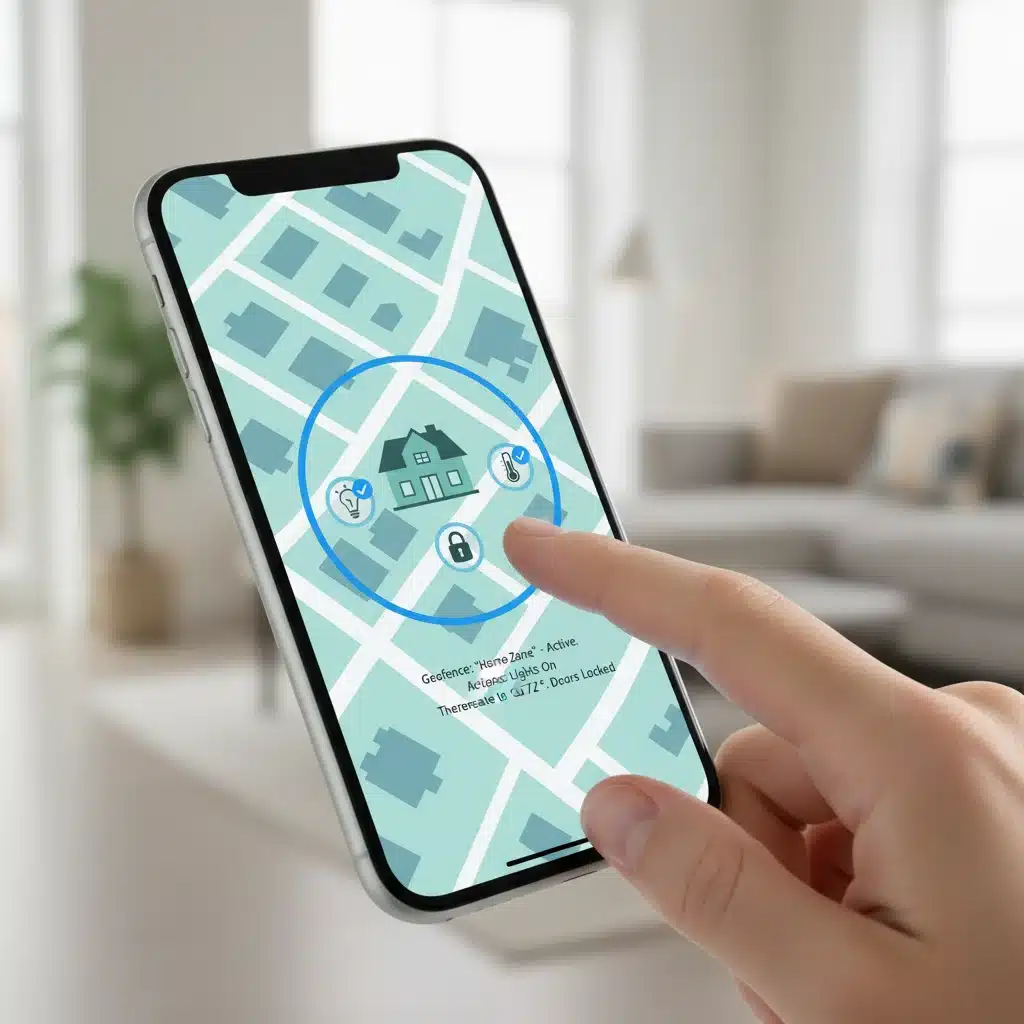
Instead of a single large geofence around your property, future systems will allow for multiple, nested geofences. Imagine a geofence around your neighborhood, another around your street, and a third specifically for your driveway. As you cross each boundary, your home can initiate a sequence of actions. For instance, when you enter your neighborhood geofence, outdoor pathway lights might subtly brighten. Upon entering your street’s geofence, your living room lights could adjust to your preferred evening ambiance, and by the time you reach your driveway, the kitchen lights might be at a comfortable level, ready for your arrival. This multi-zone approach provides a much more granular and anticipatory experience, eliminating the awkward delay often associated with current systems.
Integration with Biometric and Behavioral Data
The true intelligence of advanced geofencing home automation will come from its integration with other smart home data. Lighting systems will not only know you’re home but also *who* is home and *what they are doing*. Imagine a system that learns you typically read in the living room after dinner. As you enter that room, and your smart wearable detects a decrease in activity level (indicating relaxation), the lights could automatically dim to a softer, warmer hue suitable for reading. Conversely, if motion sensors detect active movement in the kitchen, lights might brighten to a functional level. This adaptive behavior, powered by AI and machine learning, moves beyond simple presence detection to contextual awareness.
Energy Efficiency Through Predictive Lighting
Beyond convenience, advanced geofencing will significantly boost energy efficiency. By accurately predicting your arrival and departure times based on historical data and real-time traffic information, your home can optimize lighting usage. No more leaving lights on unnecessarily. If your calendar shows you’re staying late at work, your home won’t prematurely illuminate. Conversely, if you’re heading home earlier than usual, the system can prepare for your arrival, ensuring a welcoming environment without wasted energy. This predictive capability is a hallmark of truly advanced geofencing home automation.
2. Hyper-Personalized Climate Control & Air Quality Management
The comfort of your home is paramount, and by mid-2026, advanced geofencing home automation will ensure your indoor environment is always perfectly tailored to your preferences. Forget about manually adjusting the thermostat; your home will learn your comfort zones and proactively manage climate and even air quality based on your presence and individual needs.
Individualized Comfort Zones with Multi-User Geofencing
One of the most significant leaps will be the ability to create individualized comfort zones within the home, even with multiple occupants. Advanced geofencing will track each family member’s location, both inside and outside the home. If one person prefers a cooler temperature and another a warmer one, the system can adjust climate control based on who is currently in which room or even prioritize the preferences of the primary occupant. When the last person leaves, the system enters an energy-saving mode. When the first person returns, it begins to pre-condition the home to their preferred settings, ensuring maximum comfort upon entry. This level of personalization is a game-changer for advanced geofencing home automation.
Integration with Weather Data and Predictive Analytics
Beyond just knowing who is home, future geofencing systems will integrate seamlessly with hyper-local weather forecasts and predictive analytics. If a heatwave is predicted for your arrival time, your home can begin cooling earlier to combat the rising temperatures, ensuring it’s perfectly comfortable when you walk through the door. Similarly, if a cold front is approaching, the heating system can preemptively warm the house. This intelligent foresight minimizes energy waste while maximizing comfort, showcasing the power of advanced geofencing home automation in action.
Proactive Air Quality and Humidity Management
Advanced geofencing won’t stop at temperature. Integrated air quality sensors will detect pollutants, allergens, or excessive humidity. If geofencing detects you’re approaching home and you suffer from seasonal allergies, the system could activate air purifiers proactively. If humidity levels are rising and you’re due to arrive, dehumidifiers could kick in. This proactive approach to environmental control elevates comfort and health, making the home a truly responsive and supportive space. This holistic approach is a key component of advanced geofencing home automation.
3. Enhanced & Adaptive Security Protocols: A Proactive Shield
Security is a primary concern for any homeowner, and advanced geofencing home automation is poised to revolutionize how we protect our properties. By mid-2026, security systems will move beyond reactive alarms to proactive, intelligent shields that adapt to your presence, absence, and even perceived threats.
Automated Arming and Disarming with Intelligent Presence Detection
The days of forgetting to arm your alarm system will be a distant memory. Advanced geofencing will automatically arm your security system the moment the last authorized person leaves the designated geofence. More importantly, it will intelligently disarm upon your return, identifying you through a combination of location data, facial recognition (via smart cameras), and even biometric authentication (from wearables). This multi-factor authentication ensures that only authorized individuals can disarm the system, significantly reducing false alarms and enhancing security. This seamless transition is a core benefit of advanced geofencing home automation.
Dynamic Surveillance and Perimeter Monitoring
Beyond simple arming, geofencing will enable dynamic surveillance. When all residents are away, exterior cameras might automatically switch to a higher alert sensitivity, and smart floodlights could be set to activate with specific motion patterns. If an unauthorized person lingers within a secondary geofence around your property (e.g., your front yard), the system could trigger discreet alerts to your phone, activate specific cameras, or even play pre-recorded warnings through outdoor speakers. This tiered response system provides a more sophisticated and less intrusive form of perimeter security, a hallmark of advanced geofencing home automation.
Integration with Emergency Services and Drone Technology
In the most advanced scenarios, geofencing could integrate with local emergency services. If a confirmed break-in occurs while you’re away, and the system verifies unauthorized entry, it could automatically notify authorities, providing them with real-time video feeds and location data. Furthermore, imagine the potential integration with autonomous home security drones. If a perimeter breach is detected, a small drone could be dispatched to investigate, providing visual confirmation to you and, if necessary, to emergency responders. While this might sound futuristic, the foundational technologies for this level of advanced geofencing home automation are already in development.
4. Seamless Energy Management & Appliance Automation: The Truly Smart Grid
Energy efficiency is not just about saving money; it’s about sustainable living. Advanced geofencing home automation will play a pivotal role in creating truly smart and energy-efficient homes by mid-2026, optimizing appliance usage and integrating with smart grid technologies.
Optimized Appliance Scheduling Based on Occupancy
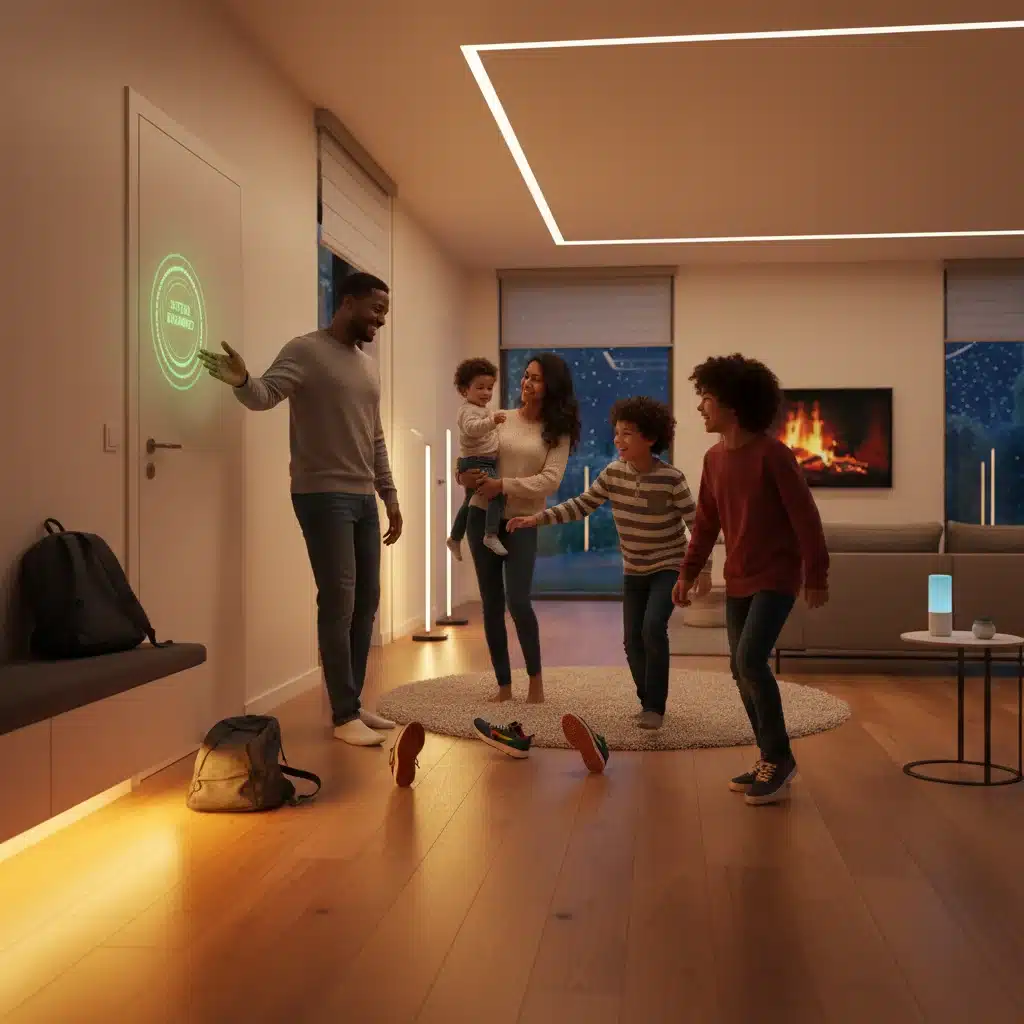
Your home will learn your routines and adjust appliance usage accordingly. For example, if your geofence indicates you’re heading home after work, your smart oven could preheat just in time for you to start cooking. The smart dishwasher could be programmed to run only when you’re away or asleep, taking advantage of off-peak electricity rates, but with an override if you arrive home unexpectedly early. This intelligent scheduling, driven by advanced geofencing, ensures appliances are used efficiently without compromising convenience. This is a crucial aspect of advanced geofencing home automation.
Integration with Renewable Energy Sources and Grid Optimization
For homes equipped with solar panels or battery storage, advanced geofencing will enable even smarter energy management. If the system predicts you’ll be away for an extended period, it can prioritize charging your home battery using solar power, or even sell excess energy back to the grid. Upon your return, it can intelligently draw from stored energy or the grid based on current electricity prices and your anticipated consumption. This dynamic interaction with renewable sources and the broader energy grid represents a significant leap in the capabilities of advanced geofencing home automation.
Leak Detection and Proactive Maintenance
While not directly tied to presence, advanced geofencing can indirectly enhance home maintenance. Imagine smart water sensors detecting a leak while you’re away. The geofencing system could automatically shut off the main water supply and alert you, preventing catastrophic damage. Similarly, if a smart appliance indicates a potential malfunction, the system could notify you and even schedule a service appointment, leveraging your geofenced location to suggest optimal times when you’re likely to be home. This preventative maintenance capability adds another layer of security and convenience, demonstrating the versatility of advanced geofencing home automation.
The Road Ahead: Challenges and Opportunities for Advanced Geofencing
While the future of advanced geofencing home automation is incredibly promising, several challenges and opportunities lie ahead. Privacy concerns, data security, and the need for robust, interoperable standards are paramount. As more devices connect and share location data, ensuring that this information is protected and used responsibly will be critical for widespread adoption.
Addressing Privacy Concerns
The collection and use of location data raise significant privacy questions. Future advanced geofencing home automation systems will need to offer transparent data policies, granular control over data sharing, and robust encryption to build user trust. Opt-in features and clear explanations of how data enhances convenience will be key.
Interoperability and Standardization
For a truly seamless experience, different smart home devices and platforms must communicate effectively. The industry is moving towards greater interoperability, but standardized protocols will accelerate the adoption and functionality of advanced geofencing. Imagine a world where your car, your phone, and every smart device in your home speak the same language to orchestrate your environment.
AI and Machine Learning Refinements
The intelligence of advanced geofencing home automation will continue to grow with improvements in AI and machine learning. Systems will become even better at learning subtle nuances of behavior, predicting needs, and adapting to unforeseen circumstances. This continuous learning will make homes more intuitive and responsive over time, moving beyond programmed rules to truly intelligent decision-making.
Conclusion: A Smarter, More Responsive Home by Mid-2026
By mid-2026, advanced geofencing home automation will have fundamentally transformed our living spaces. From intelligent lighting that anticipates your every move to hyper-personalized climate control, proactive security, and seamless energy management, our homes will become more responsive, efficient, and secure than ever before. These innovations promise not just convenience but a deeper sense of comfort, peace of mind, and control over our environment. The future of smart living is here, and it’s being shaped by the intelligent boundaries of advanced geofencing.