Advanced Home Energy Audits 2026: Save 18% on Energy Bills
Advanced home energy audits in 2026 leverage cutting-edge technology and data analytics to pinpoint inefficiencies, offering homeowners a clear path to significantly reduce energy consumption and achieve average savings of 18% on monthly utility bills.
Are you ready to transform your home into an energy-saving powerhouse? In 2026, advanced home energy audits are no longer just about identifying drafts; they’re a sophisticated, data-driven approach to pinpointing hidden waste and can realistically save you an average of 18% on your monthly bills.
The Evolution of Home Energy Audits: Beyond the Blower Door
The landscape of home energy efficiency has dramatically evolved. What was once a manual, somewhat subjective process has transformed into a highly precise science, driven by innovative technologies. Today’s advanced audits go far beyond the traditional blower door test, offering a holistic view of your home’s energy performance.
Understanding these advancements is crucial for any homeowner looking to make informed decisions about their property’s energy consumption. The goal is no longer just to identify obvious leaks, but to uncover the subtle, often overlooked areas where energy is being inefficiently used or lost. This comprehensive approach ensures that every potential avenue for savings is explored and addressed.
From Basic Checks to Predictive Analytics
Early energy audits typically involved a visual inspection and perhaps a basic blower door test to measure air leakage. While foundational, these methods only scratched the surface of a home’s energy profile. The 2026 standard incorporates a much broader spectrum of diagnostic tools and data analysis.
- Integrated Sensor Networks: Real-time data from smart thermostats, occupancy sensors, and appliance monitors.
- AI-Powered Diagnostics: Algorithms analyze consumption patterns to predict future inefficiencies.
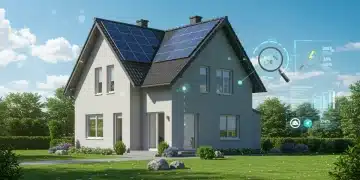
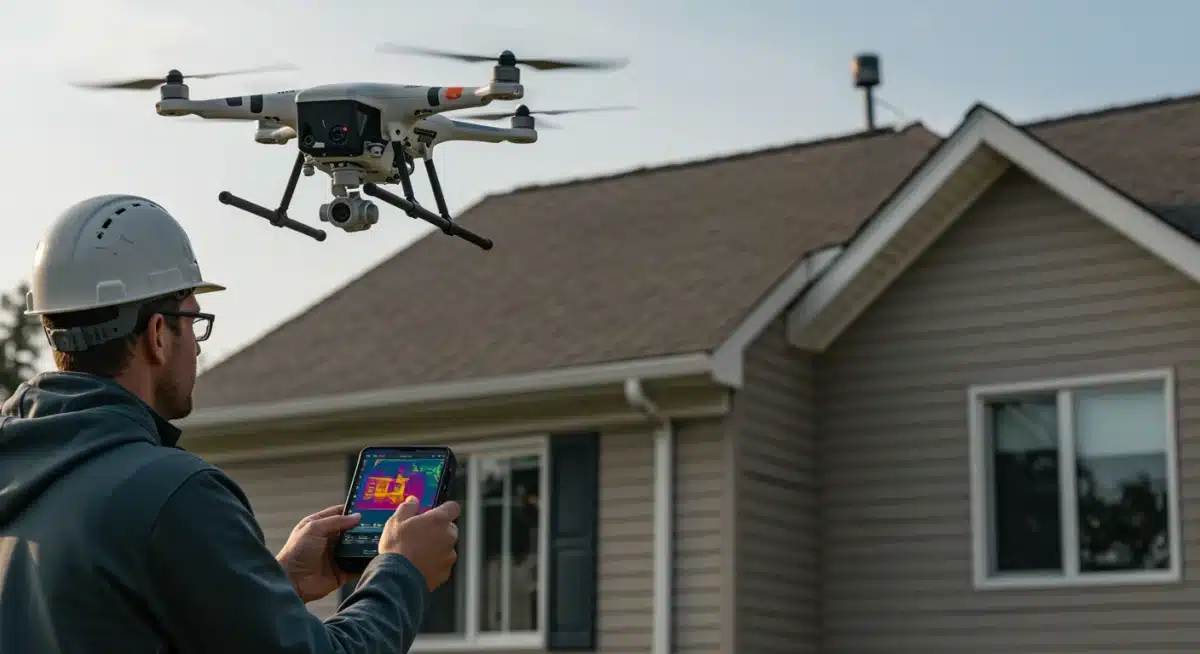
- Drone-Based Inspections: Thermal imaging from drones provides a quick and comprehensive exterior analysis.
This shift from reactive problem-solving to proactive, predictive energy management is a game-changer. It allows auditors to not only identify current issues but also anticipate potential problems before they escalate, providing a more robust and sustainable energy-saving strategy for homeowners.
In essence, modern energy audits offer a deep dive into your home’s energy ecosystem, revealing intricate details that were previously undetectable. This level of insight empowers homeowners to implement targeted, effective solutions, leading to significant and lasting reductions in energy expenses.
Cutting-Edge Technologies Redefining Diagnostics
The heart of advanced home energy audits lies in the sophisticated tools and technologies now available. These innovations provide an unprecedented level of detail and accuracy, enabling auditors to pinpoint energy waste with surgical precision. Homeowners benefit from a clear, data-backed understanding of their property’s energy strengths and weaknesses.
These tools are not just about finding problems; they’re about understanding the complex interplay of factors that affect your home’s energy performance. From the smallest air leak to the most inefficient appliance, every element is scrutinized to provide a complete energy picture.
Thermal Imaging and Blower Door Testing: A Synergistic Approach
While not new, thermal imaging and blower door tests have been significantly refined. Modern thermal cameras offer higher resolution and integrate with AI software to automatically identify common anomalies. When combined with advanced blower door systems, they create a powerful diagnostic duo.
- High-Resolution Thermal Scans: Pinpoint exact locations of heat loss or gain in walls, ceilings, and windows.
- Automated Blower Door Analysis: Software identifies and quantifies air leakage rates, suggesting optimal sealing strategies.
- Moisture Detection: Thermal imaging can also reveal hidden moisture issues that contribute to energy loss and structural damage.
The synergy between these technologies allows for a more accurate and comprehensive assessment. Instead of relying on isolated data points, auditors can correlate findings from both methods to form a more complete and reliable diagnosis. This integrated approach ensures that no stone is left unturned in the quest for energy efficiency.
Furthermore, the data collected from these advanced tools can be easily integrated into comprehensive reports, making it simpler for homeowners to understand the findings and prioritize recommended improvements. This clarity is essential for translating audit results into actionable steps for energy savings.
Smart Home Integration and Predictive Analytics
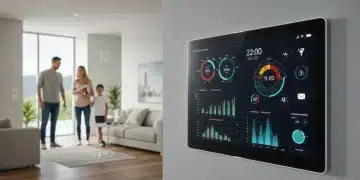
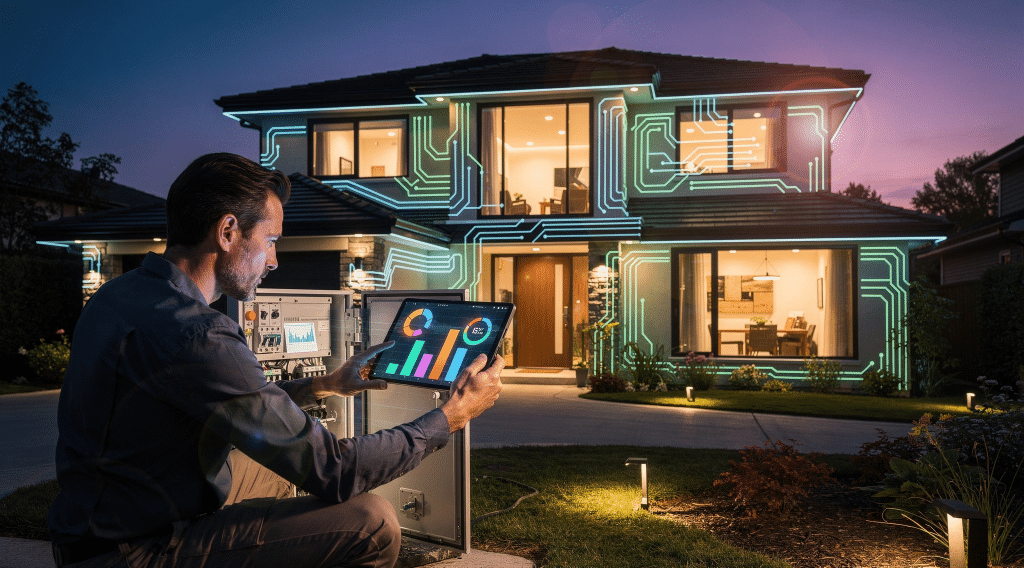
The rise of smart home technology has ushered in a new era for energy audits. Homes equipped with smart devices provide a continuous stream of data, offering auditors a dynamic rather than static snapshot of energy usage. This data is then fed into predictive analytics platforms, creating highly customized and forward-looking energy strategies.
This integration transforms the audit from a one-time event into an ongoing process of optimization. By continuously monitoring and analyzing data, homeowners can adapt their energy usage in real-time, maximizing efficiency and minimizing waste. The smart home becomes an active participant in its own energy management.
Leveraging IoT for Continuous Monitoring
Internet of Things (IoT) devices, from smart thermostats to smart plugs, are now integral to advanced audits. They collect granular data on temperature, humidity, appliance usage, and occupancy patterns, painting a detailed picture of your home’s energy footprint.
- Real-time Usage Tracking: Monitor energy consumption of individual appliances and systems.
- Occupancy-Based Adjustments: Smart systems learn daily routines and adjust settings for optimal efficiency when rooms are empty.
- System Interoperability: Different smart devices communicate to create a harmonized energy management system.
The ability to continuously monitor and adjust energy usage based on real-time data is a significant advantage. It moves beyond theoretical recommendations to practical, adaptive solutions that respond to the actual dynamics of your household. This level of responsiveness is key to achieving consistent and substantial energy savings.
Predictive analytics takes this data a step further by identifying trends and forecasting future energy needs. This enables homeowners to make strategic upgrades and adjustments that will yield the greatest long-term benefits, ensuring their home remains energy-efficient for years to come.
The Audit Process in 2026: A Step-by-Step Guide
Embarking on an advanced home energy audit in 2026 is a streamlined and highly informative process. It typically begins with an initial consultation and ends with a detailed action plan, empowering homeowners to make effective changes. Understanding each step ensures you get the most out of your investment.
The process is designed to be comprehensive yet understandable, translating complex energy data into clear, actionable insights. From the moment you engage with an auditor, you’ll be guided through a journey of discovery about your home’s energy performance.
What to Expect During Your Audit
A modern audit is a multi-faceted assessment, utilizing a range of tools and expertise. It’s not just about identifying problems but also about understanding their root causes and potential solutions. The auditor acts as a detective, piecing together clues to form a complete energy narrative.
- Initial Data Collection: Review of past energy bills, home specifications, and homeowner concerns.
- On-site Diagnostic Testing: Includes thermal imaging, blower door tests, duct leakage tests, and combustion safety checks.
- Smart System Analysis: Integration with existing smart home devices to gather operational data.
- Post-Audit Report: A comprehensive document detailing findings, prioritized recommendations, and estimated savings.
The post-audit report is perhaps the most critical component. It translates all the technical data and findings into an easy-to-understand format, outlining specific actions you can take, their estimated costs, and the projected return on investment. This empowers you to make informed decisions about your home’s energy future.
Ultimately, the 2026 audit process is about providing clarity and control. It removes the guesswork from energy efficiency, offering a clear roadmap to a more comfortable, sustainable, and cost-effective home environment.
Identifying Hidden Waste: Common and Uncommon Culprits
One of the most valuable aspects of advanced home energy audits is their ability to uncover hidden sources of energy waste. These aren’t always obvious and can often go undetected for years, silently draining your finances. Identifying these elusive culprits is key to achieving significant savings.
Many homeowners are surprised to learn that some of the biggest energy losses come from unexpected places. Advanced auditing techniques are designed to bring these hidden issues to light, providing a complete picture of your home’s energy vulnerabilities.
Beyond the Obvious: Unexpected Energy Drainers
While poor insulation and leaky windows are well-known energy hogs, 2026 audits delve deeper. They examine the performance of your entire home as an interconnected system, revealing less apparent issues that contribute significantly to energy loss.
- Phantom Loads: Devices consuming power even when off or in standby mode, now precisely measured by smart plugs.
- Ductwork Leaks: Often located in attics or crawl spaces, these can account for up to 30% of heating and cooling losses.
- Inefficient Lighting Controls: Poorly programmed smart lighting or outdated dimmers contributing to unnecessary consumption.
- Poorly Ventilated Attics: Leading to ice dams in winter and excessive heat buildup in summer.
By identifying and quantifying these less obvious sources of waste, advanced audits provide a more holistic and effective strategy for energy conservation. Addressing these hidden issues often yields disproportionately high returns on investment, making the audit a truly valuable endeavor.
The detailed insights provided by these audits allow homeowners to prioritize repairs and upgrades that will have the most significant impact on their energy bills, ensuring that every dollar spent on improvements is well invested.
Realizing Savings: An Average of 18% on Monthly Bills
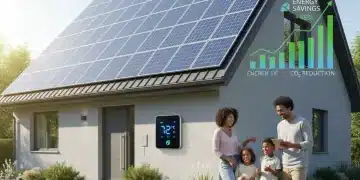
The most compelling reason to invest in an advanced home energy audit is the tangible financial benefit. Homeowners who undergo these comprehensive assessments can expect to see an average reduction of 18% on their monthly energy bills. This isn’t just a hypothetical figure; it’s a realistic outcome supported by data and technological advancements.
These savings translate into substantial financial relief over time, making the initial investment in an audit a highly rewarding decision. Beyond the monetary benefits, there’s also the added comfort and environmental impact of a more efficient home.
Translating Audit Findings into Tangible Savings
The recommendations provided in the audit report are directly linked to potential savings. Each suggested improvement comes with an estimated cost and projected energy reduction, allowing you to make informed decisions that align with your budget and goals.
- Targeted Upgrades: Focus on improvements with the highest ROI, such as sealing ductwork or upgrading specific appliances.
- Behavioral Changes: Guidance on optimizing thermostat settings, lighting usage, and appliance operation based on your unique patterns.
- Incentives and Rebates: Information on local, state, and federal programs that can offset the cost of energy-efficient upgrades.
The 18% average saving is a testament to the effectiveness of a data-driven approach. By systematically addressing every identified inefficiency, homeowners can achieve a significant and lasting impact on their energy consumption. This translates not only to lower bills but also to a more comfortable and sustainable living environment.
Ultimately, an advanced home energy audit is an investment in your home’s future, providing both immediate financial relief and long-term environmental benefits. It’s about taking control of your energy destiny and enjoying the rewards of a truly efficient home.
| Key Aspect | Brief Description |
|---|---|
| Technology Integration | Utilizes AI, IoT sensors, and drone thermal imaging for precise diagnostics. |
| Predictive Analytics | Analyzes energy patterns to forecast inefficiencies and suggest proactive solutions. |
| Hidden Waste Identification | Uncovers subtle energy drains like phantom loads and unnoticed duct leaks. |
| Average Savings | Homeowners can achieve an average of 18% reduction on monthly energy bills. |
Frequently Asked Questions About Advanced Home Energy Audits
An advanced home energy audit in 2026 uses cutting-edge technologies like AI, IoT sensors, and thermal imaging drones to comprehensively assess your home’s energy consumption. It identifies hidden inefficiencies and provides data-driven recommendations for significant energy savings, typically averaging 18% off monthly bills.
Unlike traditional audits that rely on basic visual inspections and blower doors, advanced audits integrate real-time data from smart devices, predictive analytics, and high-resolution diagnostic tools. This allows for a more precise identification of energy waste and more targeted, effective solutions, moving beyond anecdotal evidence to hard data.
Homeowners who implement the recommendations from an advanced home energy audit can expect an average reduction of 18% on their monthly energy bills. These savings are achieved by addressing both obvious and hidden sources of energy waste, leading to a more efficient and cost-effective home operation.
While advanced audits may have a higher upfront cost than basic versions due to the technology involved, the long-term savings often far outweigh the initial investment. Many regions also offer incentives, rebates, or tax credits for energy-efficient upgrades, further reducing the net cost and accelerating your return on investment.
The duration of an advanced energy audit can vary depending on the size and complexity of your home, but typically ranges from 2 to 4 hours for the on-site inspection. The post-audit report and consultation usually follow within a week, providing a comprehensive action plan for energy improvements.
Conclusion
The year 2026 marks a pivotal moment in home energy management, with advanced home energy audits offering an unparalleled opportunity for homeowners to gain control over their energy consumption. By embracing cutting-edge technologies and data-driven insights, these audits move beyond mere inspection to provide a comprehensive roadmap for efficiency. The promise of saving an average of 18% on monthly bills is not just an aspiration but a tangible reality, making your home more comfortable, sustainable, and economically sound. Investing in an advanced energy audit is investing in a smarter, more efficient future for your home.