Smart Plugs Reviewed: Save $50 Annually on Energy Bills
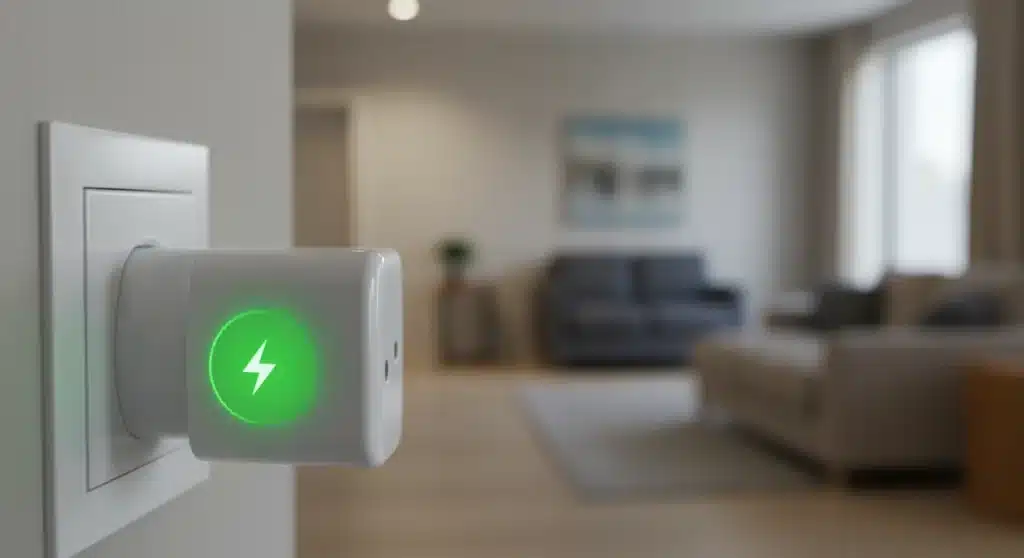
Smart plugs offer a simple yet effective way to manage and reduce household energy consumption, potentially saving users an average of $50 annually by eliminating phantom load and enabling smart scheduling for various appliances.
Are you looking to trim down your monthly utility expenses without sacrificing convenience? Our in-depth review, Smart Plugs Reviewed: How to Save an Average of $50 Annually on Energy Bills with the Right Devices, reveals how these small but mighty gadgets can make a significant impact on your energy consumption, potentially saving you around $50 each year. Let’s explore how smart plugs can transform your home into a more energy-efficient sanctuary.
Understanding smart plugs and their energy-saving potential
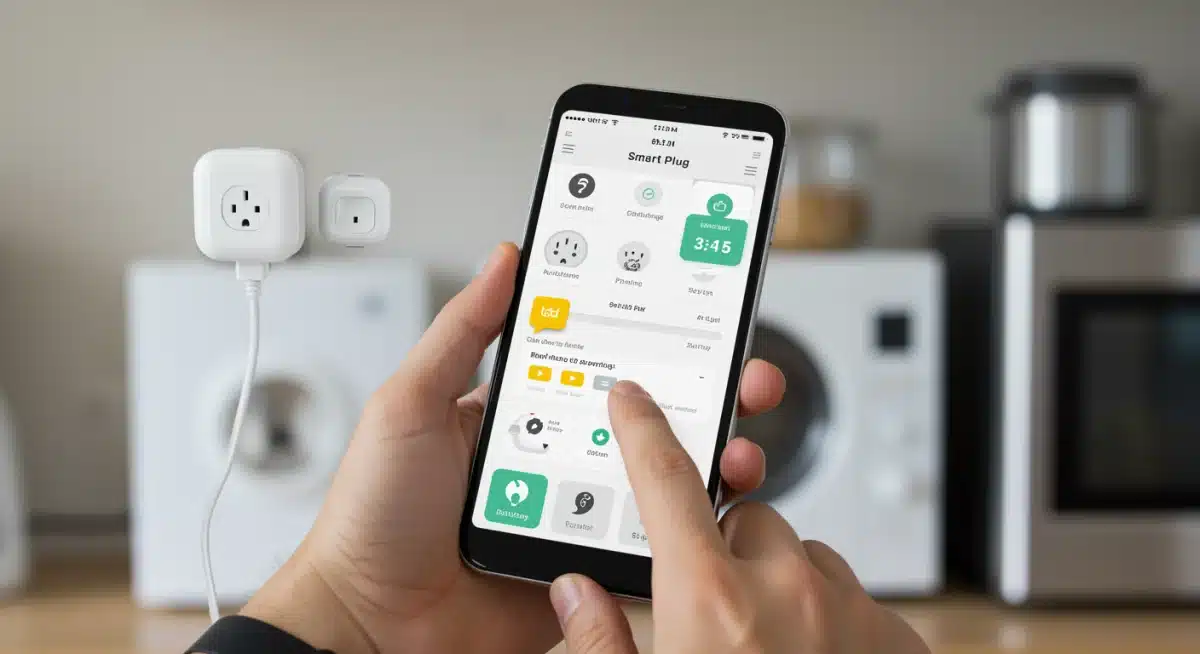
Smart plugs are essentially adapters that fit between your electrical outlets and appliances, allowing you to control power flow remotely via a smartphone app or voice commands. Beyond simple on/off functionality, many models offer advanced features like scheduling, energy monitoring, and even integration with other smart home systems.
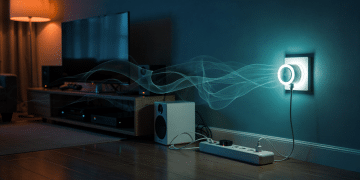
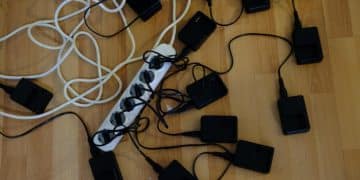
The primary way smart plugs contribute to energy savings is by combating ‘phantom load’ or ‘vampire drain.’ This refers to the electricity consumed by electronics even when they are turned off but still plugged in. Devices like TVs, chargers, coffee makers, and gaming consoles continuously draw a small amount of power, accumulating to a noticeable sum over time. By using smart plugs, you can completely cut power to these devices when not in use, eliminating this wasted energy.
The impact of phantom load on your energy bill
Phantom load might seem insignificant on a per-device basis, but when you consider all the electronics in an average American household, the costs quickly add up. Studies suggest that phantom load can account for 5% to 10% of a home’s total electricity consumption. This translates to real money being unnecessarily spent each month.
- Televisions: Even when off, many modern TVs consume power to maintain quick startup times or receive remote signals.
- Chargers: Phone, laptop, and tablet chargers continue to draw power even when no device is connected.
- Coffee makers: Many models have digital clocks or warming plates that remain active 24/7.
- Gaming consoles: Often left in standby mode, consuming power for updates and instant-on features.
By strategically deploying smart plugs, you gain precise control over these energy vampires, ensuring they only draw power when actively needed. This proactive approach to energy management not only saves money but also promotes a more environmentally conscious lifestyle.
In essence, smart plugs empower you to make informed decisions about your energy usage, moving beyond passive consumption to active management. Their ease of use and significant potential for savings make them an attractive addition to any smart home setup focused on efficiency.
Key features to look for in energy-efficient smart plugs
When selecting smart plugs for energy savings, not all devices are created equal. Certain features can significantly enhance their effectiveness and your overall experience. Prioritizing these functionalities will ensure you get the most out of your investment and maximize your energy bill reductions.
First and foremost, consider compatibility. Ensure the smart plug works seamlessly with your existing smart home ecosystem, whether it’s Amazon Alexa, Google Assistant, Apple HomeKit, or a proprietary hub. A unified system simplifies control and automation, making it easier to manage your energy consumption across multiple devices.
Energy monitoring capabilities
One of the most valuable features for energy saving is built-in energy monitoring. Plugs equipped with this functionality can track the real-time power consumption of connected devices. This data is typically displayed through the accompanying app, providing insights into which appliances are the biggest energy hogs.
- Real-time data: Instantly see how much power a device is drawing.
- Historical reports: Review daily, weekly, or monthly consumption patterns.
- Cost estimation: Some apps can even estimate the monetary cost of electricity used.
This information is crucial for identifying phantom loads and understanding your usage habits. For instance, you might discover your old desktop computer uses substantial power even when idle, prompting you to plug it into a smart plug and schedule its power off during non-working hours.
Scheduling and automation
Automated scheduling is another cornerstone of energy efficiency with smart plugs. This feature allows you to set specific times for devices to turn on and off. Imagine your coffee maker starting automatically 10 minutes before your alarm, and then powering off an hour later, ensuring it doesn’t stay on all day.
Beyond simple schedules, look for advanced automation options. Some smart plugs can integrate with motion sensors or smart thermostats, turning off lights or fans when a room is empty or adjusting heating/cooling based on occupancy. These intelligent automations move beyond basic timers, offering truly adaptive energy management.
Ultimately, the best smart plugs for energy savings combine robust compatibility with detailed energy monitoring and flexible scheduling. These features empower you to not only save money but also gain a deeper understanding and control over your home’s energy footprint.
Top smart plug models for maximizing savings
Navigating the myriad of smart plug options can be daunting, but focusing on models renowned for their energy-saving features and reliability streamlines the process. These selected plugs offer a proven track record in helping users reduce their electricity bills through effective monitoring and control.
When evaluating top models, we prioritize those that offer robust energy monitoring, seamless integration with popular smart home ecosystems, and user-friendly interfaces. These attributes are crucial for a smooth and effective energy-saving strategy.
TP-Link Kasa smart Wi-Fi plug mini with energy monitoring
The Kasa Smart Wi-Fi Plug Mini is a perennial favorite for its compact design and strong performance. Its energy monitoring capabilities are particularly impressive, providing detailed insights into power consumption directly from the Kasa app. This allows users to pinpoint energy-wasting devices and adjust their usage accordingly.
- Compact size: Doesn’t block adjacent outlets, ideal for power strips.
- Energy monitoring: Tracks real-time and historical power usage.
- Voice control: Compatible with Amazon Alexa and Google Assistant.
- Scheduling: Easy to set daily or weekly on/off schedules.
Its reliability and straightforward setup make it an excellent choice for both beginners and seasoned smart home enthusiasts. The data provided by the energy monitoring helps users make informed decisions about when and how long to power certain appliances, directly contributing to savings.
Wyze plug outdoor with energy monitoring
For outdoor applications or devices requiring robust weather resistance, the Wyze Plug Outdoor stands out. It not only offers two independently controllable outlets but also includes energy monitoring for both. This is particularly useful for holiday lights, patio heaters, or outdoor entertainment systems that can be significant energy consumers.
The Wyze ecosystem is known for its affordable yet feature-rich devices, and this smart plug is no exception. Its dual outlets provide added flexibility, allowing you to manage two separate outdoor appliances with one device, doubling your potential for savings in outdoor settings.
In summary, these top models represent the best in class for smart plugs focused on energy efficiency. Their combination of reliable performance, intuitive controls, and precise energy monitoring makes them invaluable tools in your quest to lower energy bills and create a more sustainable home.
Implementing smart plugs for optimal energy reduction
Simply owning smart plugs isn’t enough; strategic implementation is key to unlocking their full energy-saving potential. By thoughtfully placing and configuring these devices, you can significantly reduce your household’s overall electricity consumption and achieve those annual savings.
Begin by identifying the ‘always-on’ devices in your home. These are typically electronics that draw power continuously, even when not actively in use. Common culprits include entertainment systems, computer peripherals, and kitchen appliances with digital displays.
Targeting phantom loads effectively
The most straightforward application of smart plugs is to cut power to devices notorious for phantom load. Consider grouping similar devices onto a single smart plug if they are used together. For instance, a smart plug can control your entire entertainment center (TV, soundbar, gaming console) by turning off the power strip they’re connected to when not in use.
- Entertainment centers: TVs, sound systems, streaming devices, and gaming consoles.
- Home office equipment: Desktop computers, monitors, printers, and external hard drives.
- Kitchen appliances: Coffee makers, toasters, and blenders not in constant use.
- Chargers: Any charger for phones, tablets, or laptops that remains plugged in.
For devices with energy monitoring capabilities, use the collected data to prioritize your efforts. The appliances that show the highest ‘off-state’ consumption should be your first targets for smart plug integration. This data-driven approach ensures you’re addressing the most significant energy drains.
Leveraging schedules and automation
Beyond simply turning things off, smart plugs excel at automating your energy usage. Set schedules for devices that don’t need to be on 24/7. For example, schedule your bedroom fan to turn off an hour after you typically fall asleep, or have your outdoor lights come on at dusk and turn off at dawn.
Integrate smart plugs with other smart home devices for advanced automation. A smart plug connected to a space heater could be linked to a smart thermostat, only activating when the room temperature drops below a certain point. This creates a reactive and efficient system, preventing unnecessary energy expenditure.
By systematically identifying phantom loads, utilizing energy monitoring, and implementing smart schedules and automations, you can transform your home into an energy-efficient powerhouse. These steps ensure your smart plugs are working smarter, not just harder, to save you money.
The economic and environmental benefits beyond savings
While the primary motivation for many in adopting smart plugs is the direct financial savings on energy bills, their benefits extend far beyond just monetary considerations. Implementing these devices contributes to a broader positive impact, encompassing both environmental sustainability and enhanced home convenience.
By reducing overall electricity consumption, you’re directly contributing to a lower carbon footprint. A significant portion of electricity generation still relies on fossil fuels, so using less power means fewer greenhouse gas emissions. This makes smart plugs a small yet impactful tool in the fight against climate change.
A step towards environmental sustainability
Every watt saved contributes to a more sustainable planet. When millions of households adopt energy-saving practices, even minor reductions in individual consumption accumulate into substantial cuts in national energy demand. Smart plugs facilitate this collective effort by making energy conservation effortless for the homeowner.
- Reduced carbon emissions: Less electricity demand often means less burning of fossil fuels.
- Conservation of resources: Decreased need for energy production spares natural resources.
- Promotes eco-conscious habits: Encourages a mindset of mindful consumption in daily life.
This environmental benefit resonates with individuals and families increasingly concerned about their ecological impact, offering a tangible way to make a difference from the comfort of their home.
Enhanced convenience and home automation
Beyond the ‘green’ aspects, smart plugs significantly elevate the convenience of home living. Imagine arriving home to a well-lit house, or having your slow cooker automatically start its cooking cycle while you’re at work. These are not just luxuries but practical applications that simplify daily routines.
The ability to control devices remotely means you never have to worry about leaving a light on or an appliance running unnecessarily. Voice control integration adds another layer of hands-free convenience, allowing you to manage your home’s power with simple commands. This level of automation frees up mental space and time, offering a more relaxed and efficient lifestyle.
In essence, smart plugs offer a compelling package: financial savings, environmental responsibility, and unparalleled convenience. They represent a smart investment that pays dividends in multiple aspects of modern living, making them an indispensable component of any forward-thinking smart home.
Common misconceptions and practical considerations
Despite their growing popularity, smart plugs are sometimes surrounded by misconceptions that can deter potential users. Addressing these, along with practical considerations for their use, is crucial for anyone looking to integrate them into their home for energy savings.
One common myth is that smart plugs themselves consume a significant amount of power, negating any savings. While all electronics draw some power, smart plugs are designed to be highly efficient, typically consuming less than 1 watt in standby mode. This minimal consumption is far outweighed by the energy savings achieved by eliminating phantom loads from larger appliances.
Addressing security concerns
Another concern often raised is regarding the security of smart home devices. Smart plugs, like any internet-connected device, can be vulnerable if not properly secured. However, reputable brands invest heavily in encryption and security protocols to protect user data and prevent unauthorized access.
- Choose reputable brands: Stick to well-known manufacturers with a track record of security updates.
- Strong Wi-Fi password: Ensure your home network is secured with a complex, unique password.
- Regular firmware updates: Keep your smart plug’s firmware updated to patch any vulnerabilities.
- Two-factor authentication: Enable this feature in your smart home app for an added layer of security.
By taking these simple precautions, you can mitigate most security risks and enjoy the benefits of smart plugs with peace of mind.
Practical considerations for installation and use
Before purchasing, consider the type of plug you need. Standard smart plugs are great for most indoor appliances, but for outdoor use or high-power devices, look for models specifically designed for those applications. Also, verify that the smart plug’s amperage rating can handle the connected appliance to prevent overloading.
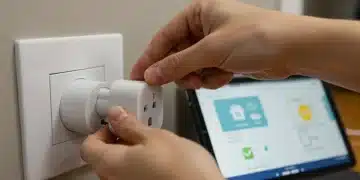
Installation is typically straightforward, often involving plugging the device in and connecting it to your home Wi-Fi network via an app. However, ensure your Wi-Fi signal is strong in the areas where you plan to deploy smart plugs, especially if they are far from your router. A stable connection is vital for reliable operation and automation.
By understanding these practical aspects and dispelling common myths, you can confidently integrate smart plugs into your home. Their benefits in energy saving, convenience, and environmental impact are substantial, making them a worthwhile investment for a smarter, more efficient household.
| Key Point | Brief Description |
|---|---|
| Phantom Load Elimination | Smart plugs cut power to devices, eliminating electricity drain when off, saving up to 10% of household energy. |
| Energy Monitoring | Many smart plugs track real-time and historical energy consumption, identifying high-usage appliances. |
| Scheduling & Automation | Program devices to turn on/off automatically, integrating with smart home systems for optimal efficiency. |
| Economic & Environmental | Beyond $50 annual savings, smart plugs reduce carbon footprint and enhance home convenience. |
Frequently asked questions about smart plugs
On average, homeowners can save around $50 annually by using smart plugs to eliminate phantom load and optimize appliance usage. Actual savings depend on the number of plugs used, types of appliances, and local electricity rates.
No, most smart plugs are very easy to install. Typically, you just plug them into an outlet, download the manufacturer’s app, and follow simple instructions to connect them to your home Wi-Fi network. Control is intuitive via the app or voice commands.
Many advanced smart plug models come with built-in energy monitoring features. These allow you to track real-time and historical electricity usage of connected devices, providing valuable insights into your consumption patterns and helping identify energy waste.
Smart plugs are ideal for devices that consume phantom load (e.g., TVs, gaming consoles, chargers) or those that benefit from scheduling (e.g., coffee makers, lamps, fans). They are generally not recommended for essential medical equipment or high-power appliances like refrigerators.
While minimal, security risks exist with any internet-connected device. To mitigate these, choose reputable brands, use strong Wi-Fi passwords, enable two-factor authentication, and keep device firmware updated. These practices ensure your smart home remains secure.
Conclusion
The journey to a more energy-efficient home is often paved with small, intelligent changes, and smart plugs stand out as one of the most accessible and impactful. As we’ve explored, these compact devices offer a compelling blend of financial savings, environmental responsibility, and enhanced daily convenience. By strategically deploying smart plugs, leveraging their energy monitoring capabilities, and embracing automation, homeowners can effortlessly combat phantom load and optimize appliance usage, leading to average annual savings of $50 or more. Beyond the quantifiable monetary benefits, the adoption of smart plugs fosters a greater awareness of energy consumption, contributing to a more sustainable lifestyle and a greener planet. In an era where technological innovation increasingly intersects with ecological consciousness, smart plugs emerge as an indispensable tool for anyone looking to make their home smarter, more efficient, and ultimately, more cost-effective.