Smart Home Security 2026: AI for Proactive Threat Detection
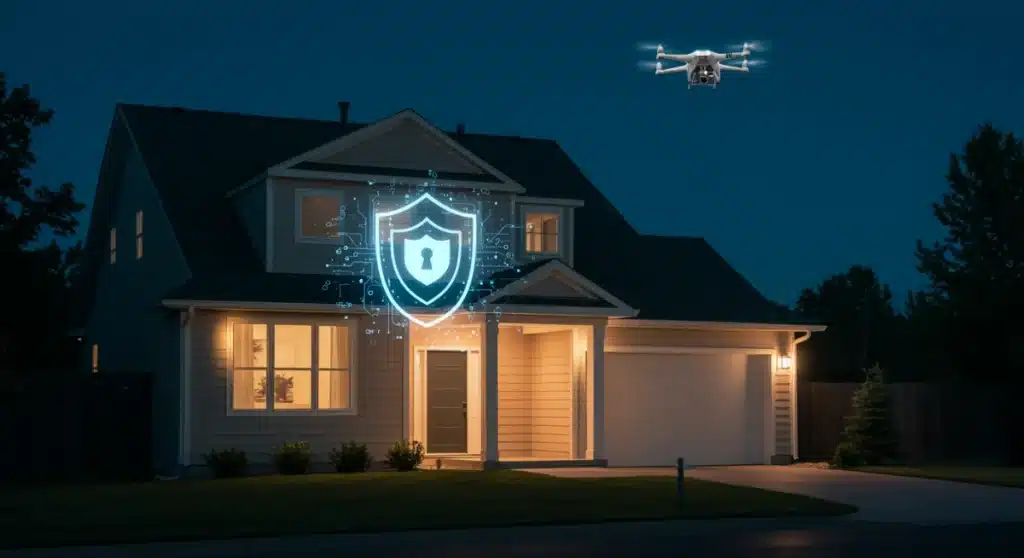
By 2026, smart home security will be revolutionized by advanced AI, enabling proactive threat detection and automated responses that move beyond traditional reactive systems, creating a truly intelligent and secure living environment.
As we approach 2026, the landscape of home protection is undergoing a profound transformation. The concept of simply reacting to security breaches is rapidly being replaced by a more intelligent, forward-thinking approach. This evolution is largely driven by the integration of advanced artificial intelligence, making AI smart home security not just a luxury, but a fundamental expectation for modern households.
The Dawn of Proactive Threat Detection
Gone are the days when home security systems merely sounded an alarm after a breach had occurred. The future, clearly visible in 2026, centers on proactive threat detection. AI algorithms are now sophisticated enough to analyze vast amounts of data, identifying potential risks before they escalate into actual threats.
This capability extends beyond simple motion detection. AI-powered systems learn the routines of your household, recognizing normal patterns of activity and immediately flagging anything unusual. This behavioral analysis is a cornerstone of next-generation security, offering an unparalleled layer of protection against intruders and other hazards.
Behavioral Analytics and Predictive Policing for Your Home
AI’s ability to interpret complex data streams allows it to move from simple observation to predictive analysis. Imagine a system that not only sees someone approaching your property but also assesses their intent based on their movements, gait, and even facial micro-expressions.
- Pattern Recognition: AI learns daily routines, distinguishing residents from strangers.
- Anomaly Detection: Flags unusual activities, like a vehicle idling too long or repeated loitering.
- Intent Analysis: Uses advanced algorithms to interpret suspicious behaviors.
- Environmental Monitoring: Detects changes in weather patterns or structural integrity that could pose risks.
The integration of deep learning models enables these systems to continuously refine their understanding of ‘normal,’ thereby reducing false positives and enhancing accuracy. This means your security system becomes smarter over time, adapting to new threats and evolving household dynamics.
Ultimately, proactive threat detection signifies a paradigm shift in home security. Instead of focusing on damage control, these advanced AI systems aim to prevent incidents entirely, offering peace of mind through intelligent foresight.
Automated Responses: Beyond the Siren
When a threat is detected, the speed and effectiveness of the response are paramount. In 2026, AI-driven smart home security systems are not just alerting you; they are taking decisive, automated actions. These responses are intelligent, layered, and designed to de-escalate or neutralize threats without human intervention.
From activating smart lighting sequences to deter intruders to locking down specific areas of the home, automated responses are becoming increasingly sophisticated. This level of autonomy ensures that your home is protected even when you’re not there to respond to alerts manually.
Intelligent and Layered Security Protocols
An automated response isn’t a one-size-fits-all solution; it’s a carefully orchestrated sequence of actions tailored to the specific threat. AI analyzes the nature of the perceived risk and initiates the most appropriate protocol.
- Deterrent Actions: Flashing lights, loud alarms, or even voice commands through smart speakers.
- Physical Lockdown: Automatic locking of smart doors, closing of smart blinds, and securing windows.
- Emergency Services Notification: Direct communication with local law enforcement or fire departments, providing crucial real-time data.
- Environmental Control: Adjusting thermostats, shutting off gas lines, or activating sprinkler systems in case of fire.
These responses are not rigid but adaptive. If an initial deterrent fails, the AI system can escalate its actions, moving through a predefined hierarchy of responses to maximize effectiveness. This dynamic approach ensures that the home’s defenses are always appropriate to the level of threat.
The ability of these systems to act swiftly and intelligently provides a critical advantage, often preventing incidents from escalating and minimizing potential harm or loss. This level of automated response truly elevates smart home security to a new standard.
AI-Powered Surveillance and Biometric Integration
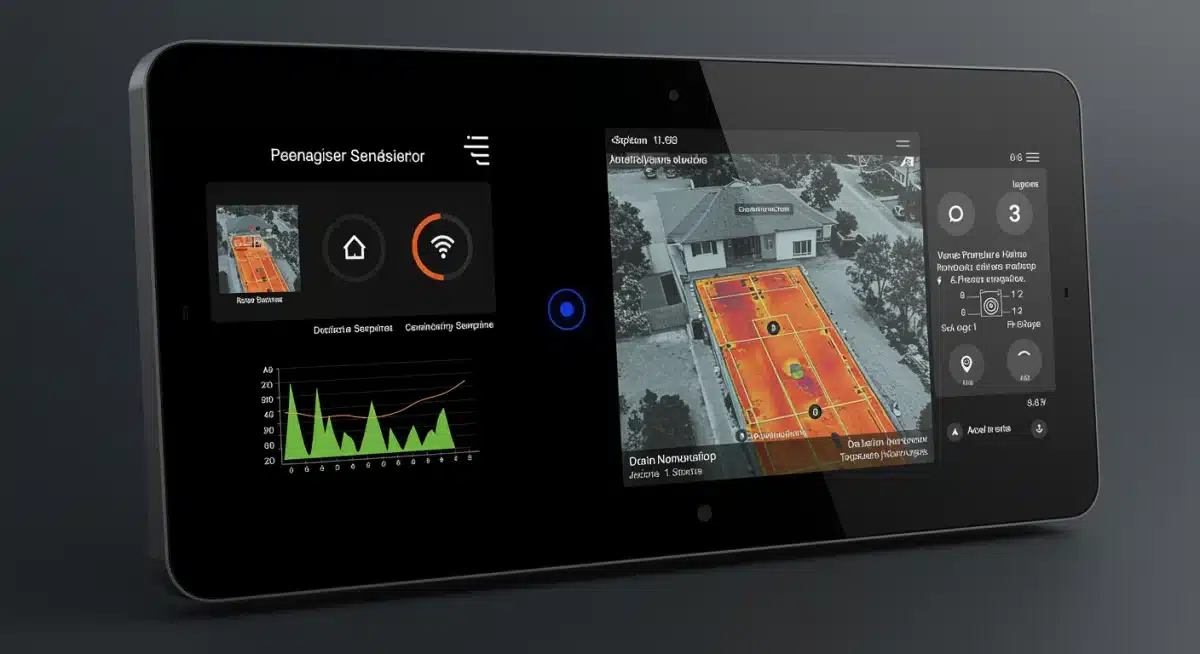
Surveillance has moved far beyond simple video feeds. In 2026, AI-powered cameras are equipped with advanced analytics, including facial recognition, object identification, and even thermal imaging. This allows for highly accurate monitoring, distinguishing between pets, packages, and potential threats.
Biometric integration further enhances security, using fingerprints, facial scans, and even voice recognition for access control. This multi-layered authentication ensures that only authorized individuals can enter your home, adding an unparalleled level of personalization and protection.
Advanced Vision and Identity Verification
AI cameras are no longer just recording; they are understanding. Deep learning models embedded in these devices can perform complex visual tasks in real-time. This includes identifying specific individuals, tracking suspicious objects, and even detecting unusual gestures or postures.
- Facial Recognition: Identifies known residents versus unknown individuals.
- Liveness Detection: Prevents spoofing attempts with photos or masks for biometric access.
- Object Identification: Differentiates between a delivery driver with a package and someone attempting forced entry.
- Thermal Imaging: Detects body heat even in complete darkness, crucial for perimeter security.
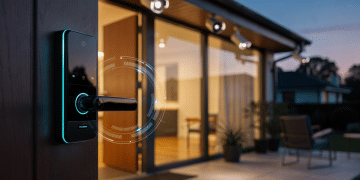
Coupled with biometric access, these systems create an impermeable barrier. Imagine your front door recognizing your face or fingerprint and unlocking automatically, while simultaneously denying access to an unrecognized individual, even if they possess a stolen keycard. This seamless integration of surveillance and identity verification provides robust security.
This combination ensures that every entry and exit is monitored and verified, significantly reducing the risk of unauthorized access and providing detailed records for any security concerns.
Seamless Integration with Home Automation Ecosystems
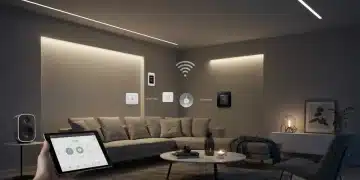
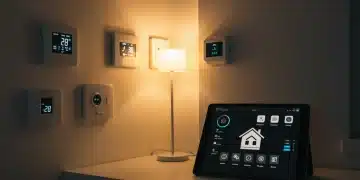
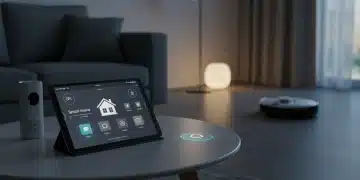
The true power of AI smart home security in 2026 lies in its seamless integration with the broader home automation ecosystem. Security is no longer a standalone system; it’s an integral part of your connected home, interacting with lighting, climate control, entertainment, and more.
This interconnectedness allows for highly coordinated responses to threats and optimized daily living. For example, if a security sensor detects an open window during a storm, the system can automatically notify you and even adjust the internal climate settings to prevent damage or energy waste.
Holistic Home Protection and Management
The synergy between security and automation creates a truly intelligent and responsive living environment. Security events can trigger a cascade of actions across different smart devices, enhancing both safety and convenience.
- Lighting Integration: Security alerts can trigger specific lighting patterns to deter intruders or guide occupants to safety.
- Climate Control: Systems can adjust HVAC settings based on occupancy detected by security sensors, saving energy.
- Smart Appliances: In emergencies, smart appliances can be powered down automatically to prevent hazards.
- Voice Assistants: Residents can inquire about security status or arm/disarm systems using natural language commands.
This level of integration means that your home is not just secure, but it’s also smarter and more efficient. The security system becomes the brain of your home, coordinating various functions to provide a safe, comfortable, and optimized living experience, even anticipating needs based on learned patterns.
The seamless interplay between security and other smart home components ensures a comprehensive and responsive protective layer for your entire household.
Ethical Considerations and Data Privacy in AI Security
As AI smart home security becomes more ubiquitous, discussions around ethical considerations and data privacy are increasingly important. These advanced systems collect vast amounts of personal data, from facial recognition scans to behavioral patterns, raising questions about how this information is stored, used, and protected.
In 2026, reputable providers are prioritizing robust encryption, transparent data policies, and user control over personal information. Regulations are also evolving to ensure that these powerful technologies are deployed responsibly, balancing security benefits with individual privacy rights.
Balancing Protection with Personal Rights
The ethical deployment of AI in home security requires careful consideration of its impact on privacy. While the benefits of enhanced security are clear, the potential for misuse or data breaches must be addressed head-on. Transparency from manufacturers and clear user consent are non-negotiable.
- End-to-End Encryption: Ensures all data, from video feeds to biometric information, is securely transmitted and stored.
- Data Minimization: Systems are designed to collect only the essential data required for security functions.
- User Control: Homeowners have granular control over what data is collected, how it’s used, and who can access it.
- Regular Audits: Independent audits verify the security and ethical compliance of AI systems.
Furthermore, the potential for algorithmic bias in facial recognition or behavioral analysis is a critical concern. Developers are working to mitigate these biases through diverse training data and rigorous testing, ensuring equitable and accurate threat detection for all users.
Addressing these ethical and privacy concerns is crucial for widespread adoption and public trust in advanced AI security solutions. Responsible innovation is key to realizing the full potential of these technologies.
The Future Outlook: Beyond 2026 for Smart Home Security
While 2026 marks a significant milestone in AI smart home security, the evolution continues. We can anticipate even more sophisticated capabilities on the horizon, pushing the boundaries of what’s possible in home protection. The integration of quantum computing, advanced robotics, and even neuro-linguistic programming could further enhance security systems.
Imagine systems that can predict threats based on global intelligence feeds, or robotic guardians that patrol your property autonomously. The future promises an even more integrated, intuitive, and ultimately safer living environment for all.
Emerging Technologies and Advanced Capabilities
The pace of technological advancement suggests that the security systems of tomorrow will be far more integrated and intelligent than anything we currently conceive. Research and development are already exploring groundbreaking applications.
- Quantum-Resistant Encryption: Protecting data from future quantum computing attacks.
- Swarm Robotics: Miniature drones or ground robots that can patrol perimeters and respond to localized threats.
- Emotional AI: Systems that can detect distress in voices or facial expressions within the home, signaling potential emergencies.
- Self-Healing Networks: Security systems that can automatically detect and repair vulnerabilities in their own networks.
These future developments aim to create a truly invisible and omnipresent layer of security that works tirelessly in the background, adapting to any scenario. The goal is to make security so seamless that it becomes an inherent part of the home’s fabric, always there, always vigilant, without intruding on daily life.
The journey of smart home security is one of continuous innovation, promising an increasingly secure and intelligent future for our homes, driven by the relentless progress of artificial intelligence.
| Key Aspect | Brief Description |
|---|---|
| Proactive Detection | AI identifies threats before they escalate by analyzing patterns and anomalies. |
| Automated Responses | AI systems take intelligent, layered actions to de-escalate or neutralize threats. |
| Biometric Integration | Advanced identity verification (facial, fingerprint) for secure access control. |
| Ethical AI | Focus on data privacy, secure encryption, and responsible deployment of AI in security. |
Frequently Asked Questions About AI Smart Home Security
In 2026, AI smart home security systems are primarily proactive, using advanced algorithms to predict and prevent threats before they occur, unlike older systems that were largely reactive, only alerting after a breach or incident began.
AI enables proactive threat detection by continuously learning and analyzing behavioral patterns within and around your home. It identifies anomalies, such as unusual activity or suspicious movements, allowing the system to flag potential risks before they escalate into actual threats.
AI security systems can provide a range of automated responses, including activating deterrents like flashing lights and alarms, physically locking smart doors and windows, and directly notifying emergency services with real-time data to ensure rapid intervention.
Yes, biometric integration in 2026 is designed with enhanced security and privacy in mind. Systems use advanced encryption, liveness detection to prevent spoofing, and strict data protection protocols. Users typically have control over their biometric data and its usage.
Beyond 2026, AI smart home security is expected to integrate further with technologies like quantum computing for unbreakable encryption, swarm robotics for advanced patrols, and even emotional AI for enhanced in-home safety monitoring, creating even more intelligent and seamless protection.
Conclusion
The journey towards a truly secure and intelligent home is accelerating, with AI smart home security in 2026 representing a pivotal moment. The shift from reactive measures to proactive threat detection, coupled with sophisticated automated responses and seamless integration, redefines our understanding of home protection. While ethical considerations and data privacy remain key areas of focus, the continuous advancement of AI promises an even safer, more intuitive, and highly personalized living environment for the future. Embracing these innovations is not just about adopting new technology; it’s about investing in unparalleled peace of mind.