Automating Your 2026 Smart Home: 5 Essential Routines for Enhanced Security and Convenience
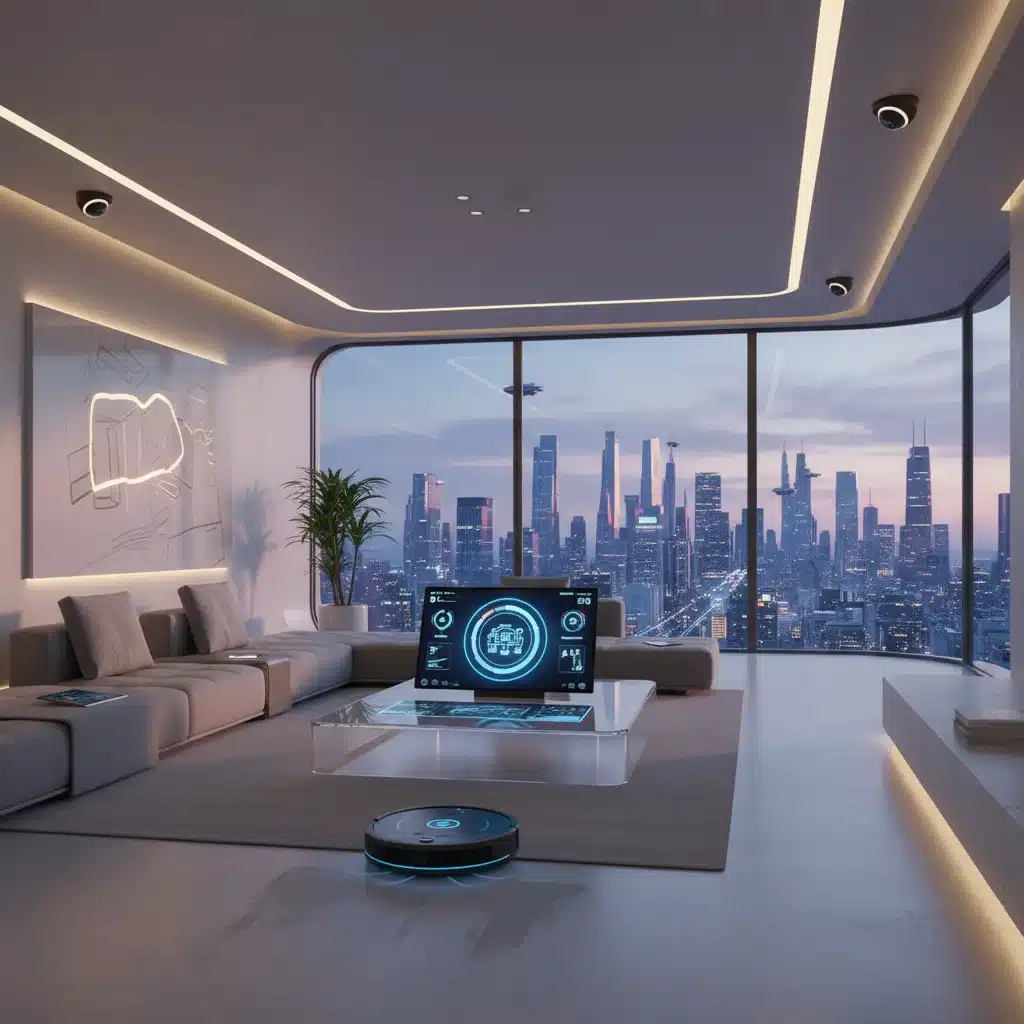
The year 2026 promises to be a pivotal moment for smart home technology, with advancements in artificial intelligence, IoT integration, and user-friendly interfaces making automated living more accessible and sophisticated than ever before. As our homes become increasingly connected, the true power lies not just in individual smart devices, but in how seamlessly they work together through well-designed routines. These routines, often triggered by specific events or schedules, are the backbone of a truly intelligent and responsive living space, offering unparalleled levels of security, convenience, and energy efficiency. Mastering Smart Home Automation 2026 is about more than just gadgets; it’s about creating an ecosystem that anticipates your needs and enhances your lifestyle.
The concept of a ‘smart home’ has evolved significantly. What once seemed like science fiction is now becoming a standard expectation. From voice-activated assistants controlling your entire environment to sensors that learn your habits, the possibilities are expanding rapidly. In 2026, the focus shifts from merely controlling devices remotely to creating proactive and adaptive environments. This means your home won’t just respond to commands; it will anticipate them, making your daily life smoother and more secure. This article delves into five essential smart home automation routines that will define the intelligent living experience in 2026, helping you unlock the full potential of your connected abode.
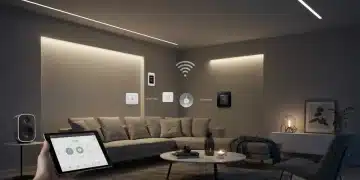
Understanding the interplay between various smart devices is crucial for building effective routines. It’s not enough to have a smart thermostat and smart lights; the magic happens when they communicate and act in concert. For instance, imagine your smart blinds automatically adjusting based on the sun’s position, simultaneously informing your thermostat to maintain optimal temperature, all while your smart speakers play a personalized morning playlist. This level of interconnectedness is what we aim for with Smart Home Automation 2026, moving beyond simple remote control to true environmental intelligence.
The Dawn of Intelligent Living: Why Smart Home Automation Matters in 2026
As we look towards 2026, the motivations for embracing smart home automation are more compelling than ever. Beyond the initial ‘wow’ factor, smart homes offer tangible benefits that address modern living challenges. Security is paramount, and advanced automation routines provide layers of protection that traditional systems simply can’t match. Convenience, too, takes center stage, freeing up valuable time and mental space by automating mundane tasks. Furthermore, with growing concerns about environmental impact and rising utility costs, energy efficiency through intelligent automation is no longer a luxury but a necessity.
The landscape of Smart Home Automation 2026 is characterized by several key trends. First, interoperability is greatly improved. Universal standards and more open platforms mean that devices from different manufacturers can communicate more effectively, simplifying setup and expanding routine possibilities. Second, AI and machine learning are becoming deeply embedded, allowing systems to learn user preferences, predict needs, and adapt to changing conditions. Third, privacy and security are being addressed with more robust encryption and localized processing, giving users greater control over their data. Finally, the user experience is becoming more intuitive, with natural language processing and advanced gesture controls making interaction effortless.
Investing in smart home technology is no longer just about early adoption; it’s about future-proofing your living space. A well-automated home in 2026 will not only be more comfortable and secure but also more valuable. Prospective buyers are increasingly looking for homes equipped with intelligent systems, recognizing the long-term benefits they offer. By integrating these routines, you’re not just buying gadgets; you’re investing in a smarter, more sustainable, and more enjoyable way of life.
Routine 1: The ‘Good Morning’ Symphony – Waking Up Smart
Imagine waking up not to a jarring alarm, but to a gentle, personalized sequence that eases you into your day. The ‘Good Morning’ Symphony is a cornerstone of Smart Home Automation 2026, transforming your wake-up experience from a chore into a tranquil ritual. This routine leverages various smart devices to create an optimal morning environment tailored to your preferences and even the day’s schedule.
How it works:
- Sunrise Simulation (5:00 AM – 6:00 AM): Your smart lights (e.g., Philips Hue, LIFX) begin to gradually brighten 30-60 minutes before your alarm, mimicking a natural sunrise. The color temperature shifts from warm amber to cool white, gently preparing your body to wake.
- Temperature Optimization (5:45 AM): Your smart thermostat (e.g., Nest, Ecobee) adjusts the bedroom temperature to your preferred wake-up setting, ensuring you step out of bed into a comfortable environment. For colder climates, smart floor heating might also activate.
- Morning Brew & News (6:00 AM): Your smart coffee maker (e.g., Smarter Coffee, Atomi Smart) starts brewing your favorite coffee. Simultaneously, your smart display or speaker (e.g., Google Nest Hub, Amazon Echo Show) begins playing a personalized news briefing, weather update, and a curated morning playlist at a low volume.
- Blind Automation (6:05 AM): Your smart blinds or curtains (e.g., Lutron, IKEA Fyrtur) slowly open, allowing natural light to flood the room. This works in conjunction with the sunrise simulation for a complete natural awakening.
- Bathroom Readiness (6:15 AM): If you have a smart bathroom, the mirror lights might turn on to a soft setting, and a smart shower (e.g., Moen U) could pre-heat to your desired temperature, ready for your arrival.
Benefits: This routine significantly reduces morning stress, improves sleep-wake cycles, and ensures you start your day feeling refreshed and informed. It eliminates the need to manually adjust multiple devices, providing a seamless transition from sleep to activity.
Advanced Integration in 2026: In 2026, this routine will be even more intelligent. AI-powered sleep trackers (e.g., Oura Ring, Sleep Number bed) will integrate directly, learning your sleep patterns and adjusting the wake-up sequence for optimal timing within your sleep cycle. If you had a particularly restless night, the system might suggest a slightly later wake-up or a gentler light increase. Furthermore, integration with your digital calendar could automatically adjust the wake-up time based on your first meeting or appointment, ensuring you’re always on schedule without manual intervention. This proactive adjustment is a hallmark of advanced Smart Home Automation 2026.
Routine 2: Enhanced ‘Away Mode’ – Comprehensive Security & Energy Saving
Leaving your home shouldn’t be a source of anxiety. The ‘Away Mode’ routine in 2026 goes far beyond simply locking your doors; it creates a multi-layered security and energy-saving fortress. This is where Smart Home Automation 2026 truly shines in providing peace of mind and optimizing resource consumption.
How it works:
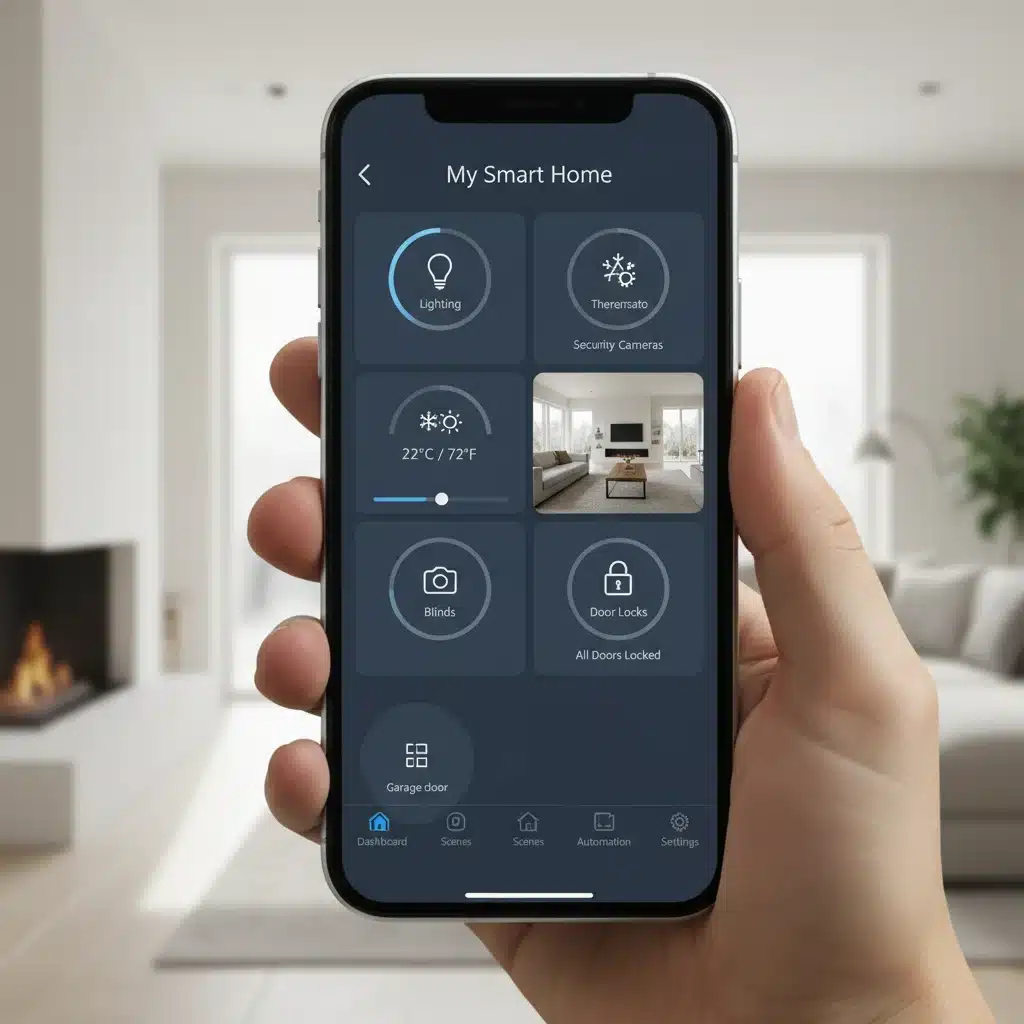
- One-Tap Activation (Departure): As you leave, a single command via voice assistant, a button on your smart lock, or geo-fencing (your phone leaving a designated area) triggers the ‘Away Mode’.
- Lockdown Protocol: All smart locks (e.g., August, Yale) engage automatically. Smart garage doors (e.g., MyQ) close. Smart windows (if equipped with sensors) confirm closure, and any open ones are flagged for your attention via notification.
- Security System Arming: Your smart security system (e.g., Ring, Arlo, SimpliSafe) arms, activating motion sensors, door/window sensors, and security cameras. AI-powered cameras can differentiate between pets and intruders, minimizing false alarms.
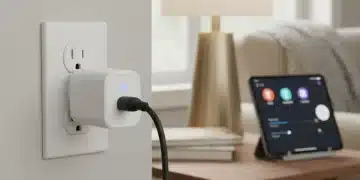
- Light & Appliance Management: All non-essential lights turn off. Smart plugs disconnect power to standby appliances (e.g., entertainment systems, chargers) to prevent phantom drain. Thermostat adjusts to an energy-saving ‘away’ temperature.
- Presence Simulation: For extended absences, your smart lights can randomly turn on and off in different rooms during the evening hours, mimicking occupancy to deter potential intruders. Smart speakers might occasionally play ambient sounds.
- Notifications & Monitoring: You receive a confirmation that ‘Away Mode’ is active. Any detected anomalies (e.g., unexpected motion, smoke alarm) trigger immediate alerts to your smartphone and potentially to a professional monitoring service.
Benefits: This routine provides robust, automated security and significantly reduces energy waste. It eliminates the worry of forgetting to lock a door or turn off a light, giving you confidence when you’re away.
Advanced Integration in 2026: The 2026 ‘Away Mode’ will incorporate even more sophisticated elements. Drone-based home monitoring could be an option, with small, autonomous drones conducting perimeter checks when an anomaly is detected. Integration with neighborhood watch apps or local police APIs could allow for faster response times in critical situations, with verified alerts providing more actionable intelligence. Furthermore, smart water leak detectors (e.g., Flo by Moen, LeakSmart) could automatically shut off the main water supply if a leak is detected while you’re away, preventing catastrophic damage. This proactive damage prevention combined with enhanced security features truly defines advanced Smart Home Automation 2026.
Routine 3: The ‘Movie Night’ Experience – Immersive Entertainment
Transforming your living room into a cinematic paradise with a single command is a prime example of the convenience offered by Smart Home Automation 2026. The ‘Movie Night’ routine orchestrates all your entertainment and environmental devices for an immersive viewing experience.
How it works:
- Voice Command Trigger: A simple voice command like ‘Hey Google, Movie Night’ or ‘Alexa, start the show’ initiates the routine.
- Lighting Transformation: All smart lights in the living room dim to a preset, low level. Accent lights behind the TV or projector screen might turn on with a warm, ambient glow. Smart blinds close to block out external light.
- Entertainment System Activation: Your smart TV or projector turns on, switching to your preferred streaming service or input. Your soundbar or surround sound system powers up and sets to a pre-defined volume and audio mode.
- Climate Control: The smart thermostat adjusts the room temperature to your ideal movie-watching comfort level.
- Snack Prep (Optional): If you have smart kitchen appliances, this routine could even trigger a smart popcorn maker or notify your smart fridge to suggest beverages.
Benefits: This routine eliminates the need to fumble with multiple remotes and settings, creating an instant, perfect atmosphere for entertainment. It enhances relaxation and allows you to fully immerse yourself in your chosen content.
Advanced Integration in 2026: In 2026, the ‘Movie Night’ routine will be even more dynamic. Integration with content recognition technology could allow your smart lights to dynamically change color and intensity based on the on-screen action, enhancing immersion. Haptic feedback furniture could sync with explosions or bass drops, providing a truly 4D experience. Furthermore, if you pause the movie, the system could automatically pause ambient lighting effects and even slightly raise the room lights, resuming them when playback continues. This contextual awareness and dynamic response are key advancements in Smart Home Automation 2026.
Routine 4: ‘Energy Saver’ Mode – Optimizing Resource Consumption
Beyond the ‘Away Mode,’ a dedicated ‘Energy Saver’ routine can continuously optimize your home’s resource consumption, leading to significant savings and a smaller environmental footprint. This routine is a testament to the sustainable capabilities of Smart Home Automation 2026.
How it works:
- Occupancy Sensing: Motion and occupancy sensors throughout the house detect which rooms are in use. If a room remains empty for a specified period (e.g., 15-30 minutes), lights in that room automatically turn off.
- Smart Thermostat Learning: Your smart thermostat learns your family’s daily schedule and preferences, automatically adjusting temperatures to conserve energy when no one is home or during sleep hours. It also takes into account external weather data.
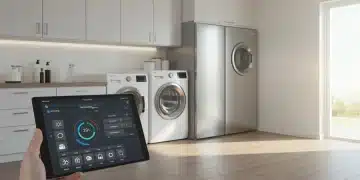
- Peak Hour Management: Integrated with your energy provider’s smart grid data, your system can automatically shift energy-intensive tasks (e.g., charging electric vehicles, running dishwashers/washing machines) to off-peak hours when electricity is cheaper and often generated from cleaner sources.
- Natural Light Harvesting: Light sensors detect ambient natural light levels. If sufficient natural light is available, smart blinds open, and artificial lights dim or turn off, reducing the need for electrical lighting.
- Appliance Monitoring: Smart plugs monitor the energy consumption of connected devices, alerting you to ‘energy vampires’ and automatically cutting power to devices in standby mode when not in use for extended periods.
Benefits: This routine provides continuous, intelligent energy management, reducing utility bills and your carbon footprint without sacrificing comfort or convenience. It empowers homeowners to be more environmentally responsible.
Advanced Integration in 2026: In 2026, the ‘Energy Saver’ routine will be even more sophisticated. Predictive analytics will use historical data, weather forecasts, and even your personal calendar to anticipate energy needs. For example, if a heatwave is predicted, your system might pre-cool your home during off-peak hours to reduce strain on the grid during peak demand. Integration with solar panels and home battery storage systems will allow for intelligent energy routing, prioritizing self-consumption of generated power and selling excess back to the grid when prices are high. Furthermore, smart water heaters could learn usage patterns and only heat water when needed, rather than constantly maintaining a high temperature. This holistic and predictive approach to resource management is a defining feature of Smart Home Automation 2026.
Routine 5: ‘Good Night’ Sanctuary – Preparing for Rest & Security
As the day winds down, the ‘Good Night’ Sanctuary routine ensures your home transitions into a state of optimal rest and heightened security. This comprehensive routine prepares your environment for sleep and reinforces your home’s defenses, making it a critical component of Smart Home Automation 2026.
How it works:
- Voice Command/Schedule Trigger (e.g., 10:00 PM): A voice command like ‘Alexa, Good Night’ or a pre-set schedule activates the routine.
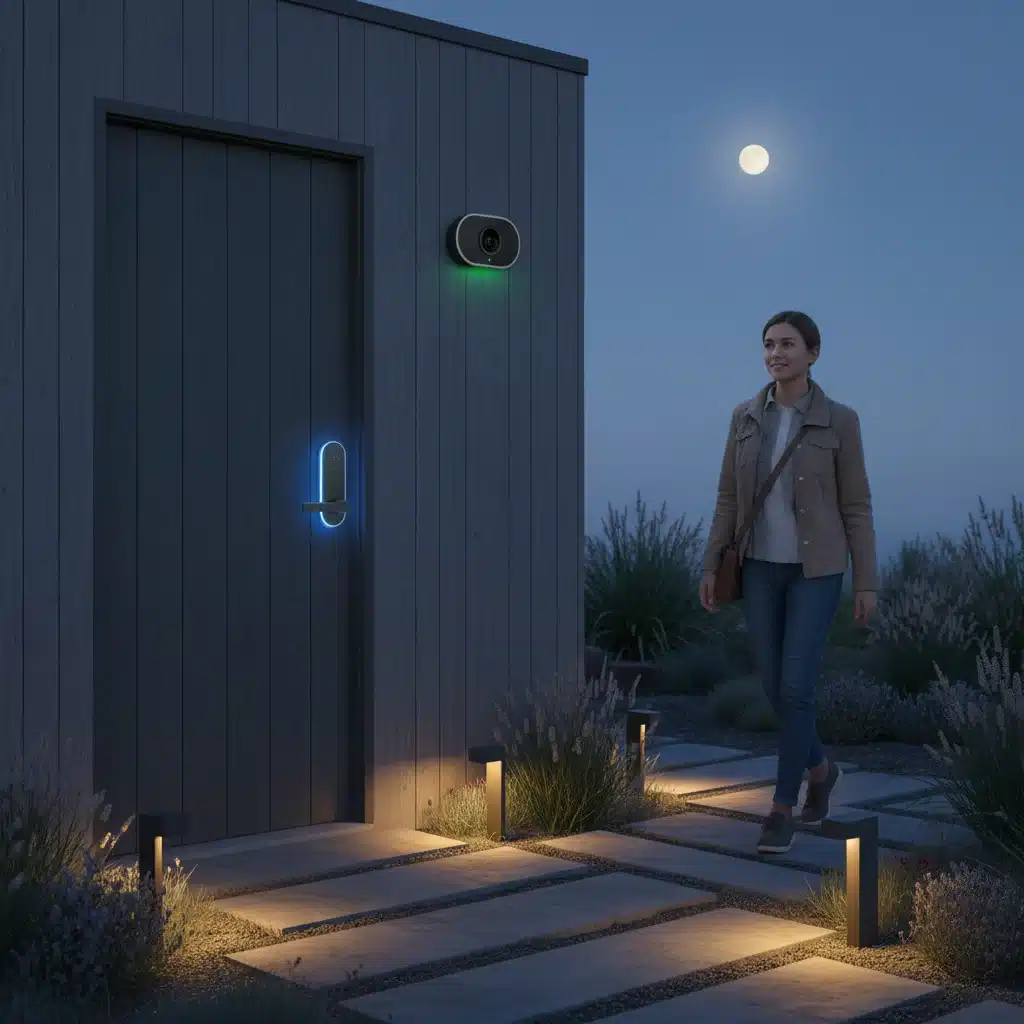
- Secure Perimeter: All smart door and window locks engage. The garage door closes. The security system arms in ‘stay’ mode, monitoring perimeter sensors but allowing movement within the house. Essential outdoor lights may turn on for a brief period before dimming or turning off entirely after a set time.
- Sleep-Inducing Lighting: All non-essential lights in the house turn off. Bedroom lights dim to a warm, low-intensity glow, shifting to a red or amber hue known to promote melatonin production, aiding in sleep.
- Climate Control for Sleep: The smart thermostat adjusts the bedroom temperature to your preferred sleep setting, which is often cooler than daytime temperatures. Smart fans might also activate at a low speed.
- Noise Management: Smart speakers can play white noise, ambient nature sounds, or calming music at a low volume to mask external disturbances and aid relaxation.
- Device Disconnection: Smart plugs can cut power to non-essential devices in the bedroom, like TVs or charging stations, to eliminate light pollution and standby power drain.
- Last Call for Notifications: A quick summary of any missed alerts or security status is delivered via your smart display before it enters a low-power, ‘do not disturb’ mode.
Benefits: This routine creates a peaceful, secure environment conducive to restful sleep. It ensures all entry points are secured and energy consumption is minimized overnight, providing complete peace of mind.
Advanced Integration in 2026: In 2026, the ‘Good Night’ Sanctuary will be even more adaptive. Integration with advanced sleep trackers could allow the system to monitor your sleep quality and make subtle adjustments to temperature, lighting, or sound throughout the night to optimize your rest. For example, if your sleep tracker detects you’re in a light sleep phase, it might slightly adjust the thermostat to maintain optimal comfort. Air quality monitors (e.g., Awair, Airthings) could integrate to ensure optimal CO2 and allergen levels, potentially activating a smart air purifier if necessary. Furthermore, the system could learn your bedtime habits and proactively suggest activating the routine if you’re unwinding in the living room past your usual sleep time. This intuitive and health-focused approach underscores the evolution of Smart Home Automation 2026.
Building Your Smart Ecosystem: Tips for 2026
Implementing these advanced routines requires a thoughtful approach to your smart home ecosystem. Here are some tips to help you build and optimize your Smart Home Automation 2026:
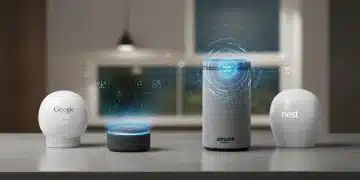
- Start with a Central Hub: A robust smart home hub (e.g., Apple HomeKit, Samsung SmartThings, Amazon Alexa, Google Home) is crucial for integrating devices from different manufacturers and creating complex routines. Choose one that supports a wide range of protocols (Wi-Fi, Zigbee, Z-Wave, Thread, Matter).
- Prioritize Interoperability: As standards like Matter gain traction, prioritize devices that support universal protocols. This ensures future compatibility and flexibility in your routines. Always check for ‘Works with’ or ‘Compatible with’ labels.
- Plan Your Routines: Before buying devices, think about the problems you want to solve or the conveniences you want to create. Map out your ideal daily routines and identify which devices would be needed. This prevents impulse purchases and ensures a cohesive system.
- Focus on Security and Privacy: Choose reputable brands that prioritize data security and offer clear privacy policies. Understand how your data is collected and used. Implement strong passwords and two-factor authentication for all smart home accounts.
- Consider Professional Installation for Complex Systems: While many smart devices are DIY-friendly, complex whole-home automation systems might benefit from professional installation to ensure optimal performance and integration.
- Regularly Update Firmware: Keep all your smart devices and hubs updated. Firmware updates often include security patches, bug fixes, and new features that enhance performance and open up new routine possibilities.
- Test and Iterate: Smart home routines are rarely perfect on the first try. Test them thoroughly in different scenarios and be prepared to tweak settings and timings to achieve the desired effect. Your home’s needs may also evolve, so periodic review is beneficial.
- Backup Your Configurations: For more advanced systems, consider backing up your routine configurations. This can save significant time if you ever need to reset or replace a hub.
- Educate Yourself on AI Capabilities: As AI becomes more integral, understand how machine learning can enhance your routines. Look for devices and platforms that offer adaptive learning features to truly personalize your smart home experience.
The Future is Automated: Embracing Smart Home Automation 2026
The journey towards a fully automated smart home in 2026 is an exciting one. By implementing these five essential routines – the ‘Good Morning’ Symphony, Enhanced ‘Away Mode’, ‘Movie Night’ Experience, ‘Energy Saver’ Mode, and ‘Good Night’ Sanctuary – you can transform your living space into an intelligent, responsive, and intuitive environment. These routines not only enhance daily convenience and comfort but also provide robust security and significant energy savings, aligning with modern priorities for sustainable and secure living.
As technology continues to advance, the boundaries of Smart Home Automation 2026 will only expand. We’ll see even greater integration with health and wellness monitoring, predictive maintenance for appliances, and personalized experiences that adapt in real-time to our moods and activities. The smart home of the future isn’t just about controlling devices; it’s about creating a living ecosystem that supports and anticipates your every need, making your life simpler, safer, and more enjoyable.
Embrace the power of smart routines. Start small, experiment, and gradually build out your automated sanctuary. The benefits of a truly intelligent home are profound, offering a glimpse into a future where technology seamlessly blends with daily life, making our homes not just places where we live, but active partners in our well-being and productivity. Get ready to experience the next generation of living with Smart Home Automation 2026.