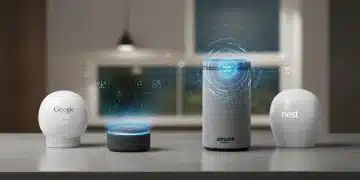
Alexa vs Google Assistant 2026: Smart Home Domination in the US

The year is 2026, and the landscape of smart home technology in the United States continues its rapid evolution. At the heart of this transformation are the two titans of voice AI: Amazon Alexa and Google Assistant. These intelligent companions have moved beyond simple voice commands, becoming indispensable conductors of our connected lives. For American consumers looking to integrate their homes with cutting-edge technology, the choice between Alexa and Google Assistant is more critical than ever. This comprehensive guide will delve deep into the Alexa Google Smart Home showdown of 2026, examining their strengths, weaknesses, and what the future holds for each in the fiercely competitive US market.
From controlling lights and thermostats to managing security systems and ordering groceries, voice assistants have redefined convenience. But which platform offers the most robust, intuitive, and future-proof experience for the average American household? This article aims to provide an in-depth analysis, considering factors such as device compatibility, ecosystem breadth, AI intelligence, privacy concerns, and emerging trends to help you make an informed decision for your smart home in 2026.
The Current State of Play: Alexa vs. Google Assistant in 2026
In 2026, both Amazon Alexa and Google Assistant have matured significantly. They are no longer just speakers that answer questions; they are sophisticated AI engines driving complex smart home ecosystems. Their ubiquity in the US market is undeniable, with millions of devices sold and integrated into daily life. The competition has pushed both companies to innovate at an unprecedented pace, leading to more natural language processing, advanced routines, and seamless integrations.
Amazon Alexa: The Established Ecosystem
Amazon Alexa, with its pioneering presence in the smart speaker market, maintains a formidable lead in terms of sheer device compatibility and third-party integrations. By 2026, Alexa has further solidified its position as a highly customizable and expansive platform. Its strengths lie in:
- Vast Device Compatibility: Alexa boasts an unparalleled number of compatible smart home devices from hundreds of brands. This extensive network means that almost any smart device you purchase, from obscure smart plugs to high-end appliances, likely has an Alexa skill. This broad support makes building a diverse Alexa Google Smart Home environment incredibly flexible.
- Skills and Routines: The Alexa Skills ecosystem has grown exponentially. In 2026, skills are more sophisticated, offering multi-step interactions and personalized experiences. Alexa’s Routines have also become more powerful, allowing for complex automations triggered by voice, time, sensor input, or even geographical location. Imagine saying “Good morning, Alexa,” and having your blinds open, coffee machine start, and news briefing play, all tailored to your daily schedule.
- Shopping Integration: Leveraging Amazon’s e-commerce dominance, Alexa’s shopping capabilities are still a significant differentiator. Voice ordering, reordering essentials, and tracking packages through Alexa are seamless, offering a level of convenience unmatched by Google Assistant.
- Entertainment Hub: Alexa’s integration with Amazon Music, Audible, and Prime Video, along with broad support for other streaming services, makes it a central entertainment hub. Echo Show devices, in particular, excel with their visual interface for video content and smart home control.
- Frustration-Free Setup: Amazon has consistently focused on ease of setup, making it straightforward for even novice users to connect new devices and get their smart home up and running.
Google Assistant: The Intelligent Powerhouse
Google Assistant, while initially playing catch-up, has carved out its niche by leveraging Google’s core strengths in AI, search, and data processing. By 2026, Google Assistant is recognized for its superior conversational AI and deep integration with Google’s suite of services. Key advantages include:
- Superior Conversational AI: Google Assistant’s natural language understanding remains a significant edge. It excels at understanding complex queries, follow-up questions, and contextual conversations. This makes interactions feel more natural and less like issuing commands. The ability to understand nuance and infer intent is crucial for a truly intelligent Alexa Google Smart Home experience.
- Deep Google Services Integration: For users heavily invested in the Google ecosystem (Gmail, Calendar, Maps, YouTube, Photos), Google Assistant offers unparalleled integration. Managing your schedule, getting personalized traffic updates, accessing photos, and casting content to Chromecast-enabled devices are seamless and intuitive.
- Proactive Intelligence: Google Assistant is often more proactive, offering timely information and suggestions based on your habits and calendar. This predictive capability can be incredibly useful, reminding you about appointments or suggesting optimal routes to work before you even ask.
- Visual Interfaces: Google Nest Hub devices, with their emphasis on visual information, provide an excellent complement to voice commands. Viewing security camera feeds, following recipes, or seeing your daily agenda on a screen enhances the smart home experience.
- Cross-Device Consistency: Google Assistant offers a highly consistent experience across various devices, from your smartphone to your smart display and smart speakers. This continuity ensures that your smart home controls and personal preferences follow you wherever you go.
Key Battlegrounds in the 2026 Smart Home War
Device Compatibility and Ecosystem Breadth
When building a smart home, device compatibility is paramount. In 2026, both Alexa and Google Assistant support a vast array of devices, but their approaches differ. Alexa tends to have broader support for a sheer number of manufacturers and niche products, often due to its open ‘Skills’ platform. This means if you have a very specific or older smart device, Alexa might be more likely to support it.
Google Assistant, while also supporting thousands of devices, often emphasizes deeper integration with a curated list of partners. Devices designed ‘Works with Google Assistant’ tend to offer a more polished and seamless experience, sometimes with advanced features not available through Alexa. The ongoing development of Matter, the new smart home connectivity standard, is playing a crucial role here. Both Amazon and Google are key players in Matter, aiming to simplify device setup and interoperability. By 2026, Matter-certified devices are becoming the norm, reducing some of the friction in choosing between ecosystems based solely on device support, but nuances in implementation and feature exposure still exist.
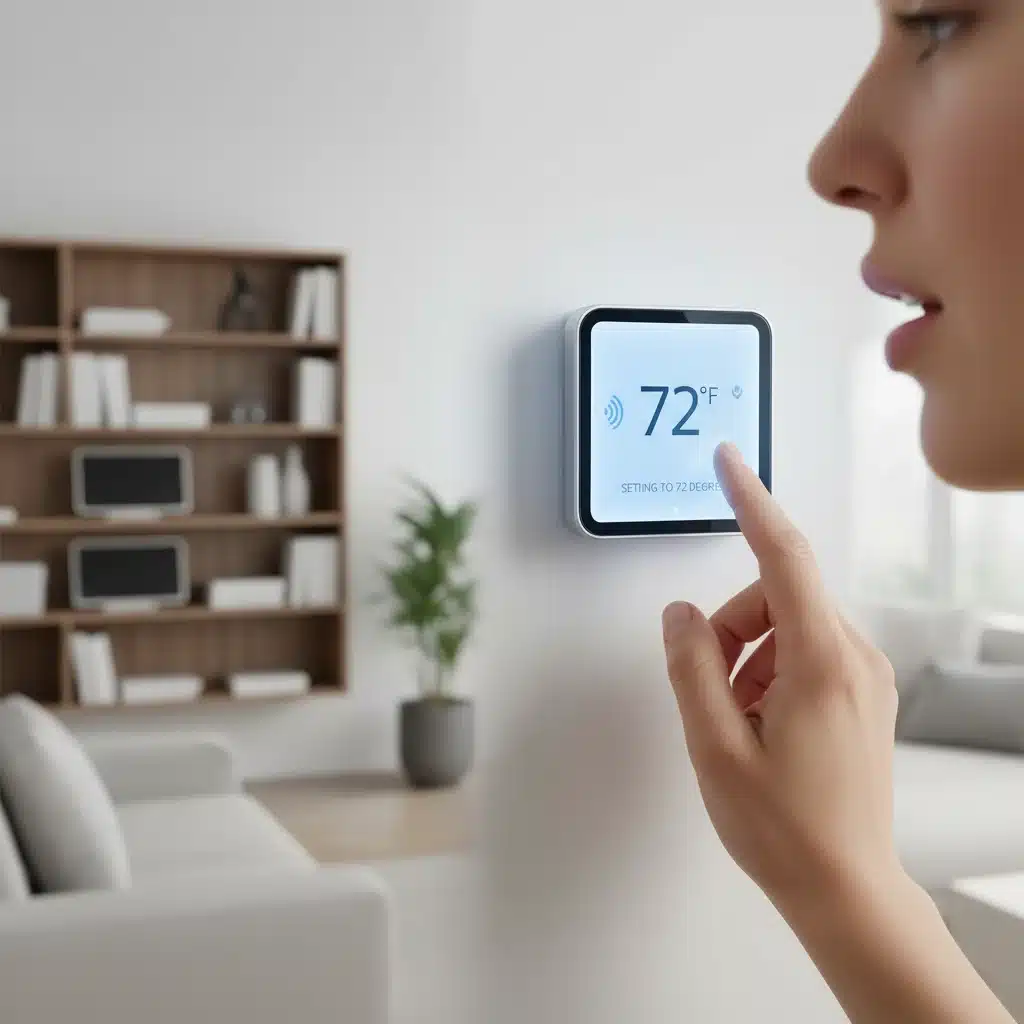
AI Intelligence and Natural Language Processing
This is arguably where Google Assistant has historically held an edge, and in 2026, this remains a strong point. Google’s core business is information and search, and its AI reflects this. Google Assistant is generally better at understanding complex, multi-part questions and maintaining context across a conversation. For instance, asking follow-up questions without repeating the subject often works more smoothly with Google. Its ability to access and process vast amounts of real-time information from the web gives it a knowledge advantage.
Alexa, however, has made significant strides in this area. Amazon has invested heavily in improving Alexa’s conversational capabilities, introducing more sophisticated contextual understanding and personalization features. While Google might still be the academician, Alexa has become a highly capable and responsive personal assistant, particularly adept at executing commands and routines efficiently. The battle for the most natural and human-like interaction continues to drive innovation in both platforms, benefiting users of both Alexa Google Smart Home systems.
Privacy and Data Security
In 2026, privacy concerns remain a top priority for consumers, and both Amazon and Google have faced scrutiny. Both companies collect data to improve their services, but they also offer robust privacy controls. Users can review and delete voice recordings, manage data collection preferences, and understand how their data is used.
- Amazon’s Approach: Amazon emphasizes user control over data, allowing easy access to privacy settings through the Alexa app and web portal. They have also invested in on-device processing for certain commands to reduce reliance on cloud processing for sensitive data.
- Google’s Approach: Google, with its vast data ecosystem, has focused on transparency and granular controls. Users can manage their activity history, including voice interactions, across all Google services. Google also highlights its commitment to secure data handling and encryption.
The choice often comes down to individual comfort levels with each company’s data practices. Both have implemented stricter protocols and greater transparency in response to consumer demand and regulatory pressures, making it a more level playing field than in previous years. However, constant vigilance from users is still recommended.

Cost and Accessibility
Both Amazon and Google offer a range of smart speakers and displays at various price points, making smart home technology accessible to a wide audience. Entry-level smart speakers can be found for under $50, while premium smart displays and integrated devices can cost hundreds. The ongoing competition ensures that pricing remains competitive, often seeing frequent sales and bundle deals, especially during major shopping events.
The true cost of a smart home, however, extends beyond the initial device purchase. It includes the cost of compatible smart devices (lights, thermostats, locks, cameras), and potentially subscription services for advanced features (e.g., cloud storage for security camera footage, premium music subscriptions). Both ecosystems offer free basic functionality, with optional paid tiers for enhanced features.
Integration with Other Services and Platforms
Beyond smart home devices, how well do these assistants integrate with the rest of your digital life? This is where personal preference and existing digital investments play a significant role.
- Alexa’s Strengths: Deep integration with Amazon’s retail and entertainment services (Prime Video, Amazon Music, Kindle, Audible) is a major draw. It also has strong ties with many third-party services through its extensive skill library, allowing for a wide range of custom integrations.
- Google Assistant’s Strengths: Unsurprisingly, Google Assistant shines when integrated with Google’s own services: Gmail, Google Calendar, Google Maps, YouTube, Google Photos, and Android phones. For users deeply embedded in the Google ecosystem, this seamless integration provides an unmatched level of convenience and personalization. Its ability to cast content to any Chromecast-enabled device is also a significant advantage for entertainment.
Emerging Trends and Future Outlook for 2026
Ambient Computing and Proactive Assistance
Both Amazon and Google are pushing towards a future of ambient computing, where technology is ever-present but fades into the background, proactively anticipating your needs rather than waiting for commands. In 2026, this means more sophisticated routines, better contextual awareness, and AI that learns your habits to offer assistance before you even realize you need it. Imagine your smart home adjusting lighting based on your mood, or your assistant reminding you to leave for an appointment based on real-time traffic, without explicit prompting.
Generative AI and More Human-like Interactions
The advancements in generative AI are profoundly impacting voice assistants. By 2026, both Alexa and Google Assistant are employing more advanced large language models (LLMs) to make conversations more natural, nuanced, and helpful. This means better understanding of complex requests, more creative responses, and the ability to engage in extended, multi-turn dialogues that feel less like talking to a machine and more like talking to a person. This will enhance the overall Alexa Google Smart Home experience significantly.
Multi-Modal Interactions
While voice remains central, multi-modal interactions are becoming increasingly important. Smart displays (Echo Show, Nest Hub) integrate touch, gestures, and visual feedback with voice commands. Future innovations will likely include even more sophisticated gesture recognition, gaze detection, and integration with augmented reality (AR) experiences, creating a richer and more intuitive interaction paradigm within the smart home.
Enhanced Security and Health Monitoring
Smart homes in 2026 are increasingly becoming health and security hubs. Both Alexa and Google Assistant are integrating more deeply with health monitoring devices (wearables, smart scales) and offering features like fall detection, medication reminders, and emergency calling capabilities. On the security front, advanced AI-powered facial recognition, anomaly detection, and seamless integration with professional monitoring services are becoming standard, providing greater peace of mind for homeowners.
Energy Efficiency and Sustainability
As environmental consciousness grows, smart home systems are playing a larger role in energy management. In 2026, both Alexa and Google Assistant offer advanced features for optimizing energy consumption through smart thermostats, lighting controls, and appliance management. They provide detailed energy usage reports and suggest ways to reduce your carbon footprint, contributing to a more sustainable lifestyle. This focus on sustainability is a growing trend for the Alexa Google Smart Home market.
Choosing Your Smart Home Champion in 2026
The decision between Amazon Alexa and Google Assistant in 2026 is less about one being definitively ‘better’ and more about which ecosystem best fits your existing digital life, priorities, and preferences. Here’s a breakdown to help you decide:
Choose Amazon Alexa if:
- You prioritize broad device compatibility and want the widest selection of smart home gadgets to choose from.
- You are a frequent Amazon shopper and want seamless voice ordering, reordering, and package tracking.
- You value an extensive ‘Skills’ library for niche functionalities and entertainment options.
- You are already invested in Amazon’s ecosystem (Prime Video, Amazon Music, Kindle).
- You prefer a system with a slightly more mature and established user base and community support.
Choose Google Assistant if:
- You are deeply integrated into the Google ecosystem (Gmail, Calendar, Photos, Android).
- You prioritize superior conversational AI and natural language understanding for more fluid interactions.
- You value proactive assistance and personalized information based on your Google data.
- You frequently use Google Search and want immediate, accurate answers to a wide range of questions.
- You prefer visual interfaces on smart displays for managing your home and consuming content.
Considerations for Both:
- Matter Compatibility: With Matter becoming more prevalent, the core interoperability gap is narrowing. Focus on specific features and ecosystem strengths rather than just basic device support.
- Privacy Comfort: Review the privacy policies and data management options for both. Choose the platform whose approach aligns best with your comfort level.
- Family Needs: Consider how different family members will interact with the system. Some might prefer Alexa’s simplicity, while others might appreciate Google’s deeper intelligence.
- Budget: While both offer affordable entry points, map out your desired smart home devices and services to understand the total investment for either ecosystem.
Conclusion: The Evolving Smart Home Landscape
In 2026, the Alexa Google Smart Home rivalry continues to push the boundaries of what’s possible in connected living. Both platforms offer incredibly powerful and convenient ways to manage your home, automate tasks, and access information. Amazon Alexa excels with its vast ecosystem, extensive device support, and strong retail integration, making it a highly flexible and comprehensive choice. Google Assistant, on the other hand, shines with its superior AI, natural language understanding, and seamless integration with Google’s powerful suite of services, offering a more intelligent and proactive experience.
As we move further into the decade, the lines between these two giants may blur even more, especially with universal standards like Matter gaining traction. However, their distinct philosophies and strengths will likely remain, giving consumers clear choices based on their individual needs and preferences. Whichever you choose, investing in a smart home powered by either Alexa or Google Assistant in 2026 means embracing a future of unparalleled convenience, efficiency, and intelligent living.
Ultimately, the best smart home assistant for you in 2026 is the one that seamlessly integrates into your unique lifestyle, anticipates your needs, and empowers you to control your environment with ease and confidence. The future of the smart home is here, and it’s more intelligent and interconnected than ever before.