
Top 4 Home Security Camera Systems for 24/7 Monitoring in 2026: Your Ultimate Guide
In an increasingly connected world, the peace of mind that comes with knowing your home is secure is invaluable. As technology advances, so do the capabilities of home security camera systems, offering more sophisticated and reliable 24/7 monitoring than ever before. For 2026, the market is brimming with innovative solutions designed to keep your property, loved ones, and valuables safe around the clock. Choosing the right system, however, can be a daunting task given the myriad of options available. This comprehensive guide will delve into the top four home security camera systems that stand out for their performance, features, and overall value, helping you make an informed decision for unparalleled home protection.
Whether you’re looking for advanced AI detection, crystal-clear night vision, seamless smart home integration, or robust cloud storage, understanding the nuances of each system is crucial. We’ll break down what makes each of these top contenders a worthy investment, exploring their pros, cons, and ideal use cases. By the end of this article, you’ll have a clear picture of the best home security camera systems on the market and how to select the perfect one to safeguard your sanctuary.
The Evolving Landscape of Home Security Camera Systems
The evolution of home security camera systems has been rapid and transformative. Gone are the days of grainy footage and complex wiring. Today’s systems boast high-definition video, artificial intelligence for intelligent motion detection, two-way audio, and seamless integration with other smart home devices. The focus has shifted from mere recording to proactive threat detection and prevention, offering homeowners unprecedented control and awareness.
Key advancements driving this evolution include:
- AI-Powered Analytics: Distinguishing between pets, vehicles, and humans, significantly reducing false alarms.
- Cloud Storage & Local Backup: Offering flexible options for storing footage, ensuring you never miss a critical moment.
- Wireless Connectivity: Simplifying installation and offering greater flexibility in camera placement.
- Enhanced Night Vision: Leveraging infrared and color night vision technologies for clear images in low-light conditions.
- Smart Home Integration: Compatibility with platforms like Amazon Alexa, Google Assistant, and Apple HomeKit for centralized control.
Understanding these advancements is the first step in evaluating the best home security camera systems for your needs. Now, let’s dive into our top picks for 2026.
1. Arlo Ultra 2: Premium Performance and Unmatched Clarity
Overview
The Arlo Ultra 2 stands as a pinnacle in the realm of home security camera systems, offering premium features designed for discerning homeowners. Known for its stunning 4K HDR video quality, this system delivers unparalleled clarity, allowing you to zoom in on details without losing resolution. Its wireless design and robust battery life make installation flexible and straightforward, suitable for both indoor and outdoor placement.
Key Features
- 4K HDR Video with 180-degree View: Captures incredibly detailed footage with a wide field of view, minimizing blind spots.
- Color Night Vision: Provides vivid, full-color video even in complete darkness, a significant improvement over traditional black-and-white infrared.
- Integrated Spotlight & Siren: Deters intruders with a bright spotlight and an ear-piercing siren, triggered by motion or manually.
- Two-Way Audio: Communicate with visitors or warn off intruders from anywhere using your smartphone.
- Advanced Object Detection: Arlo’s Smart subscription service enhances its AI, distinguishing between people, vehicles, animals, and packages, reducing irrelevant notifications.
- Direct Wi-Fi Connection: Offers more flexibility in placement and a stronger signal to your home network.
Pros
- Exceptional 4K video quality for detailed surveillance.
- Wireless and weather-resistant design for versatile outdoor use.
- Excellent color night vision capabilities.
- Effective spotlight and siren for active deterrence.
- Long-lasting rechargeable battery.
Cons
- Higher price point compared to competitors.
- Many advanced features require an Arlo Smart subscription, adding to the recurring cost.
- Battery life can vary significantly based on usage and settings.
Ideal For
Homeowners seeking the absolute best in video quality and advanced features, who are willing to invest in a premium home security camera system. It’s particularly well-suited for larger properties or areas where capturing fine details is paramount.
2. Ring Stick Up Cam Battery: Versatility and Ease of Use
Overview
The Ring Stick Up Cam Battery is a testament to versatility and user-friendliness, making it one of the most popular home security camera systems for general surveillance. Its wire-free design means it can be placed virtually anywhere, indoors or out, without the hassle of power cords. As part of the extensive Ring ecosystem, it integrates seamlessly with other Ring devices, offering a holistic security solution.
Key Features
- 1080p HD Video: Provides clear and crisp video footage, sufficient for identifying faces and objects.
- Two-Way Talk: Allows for real-time communication with anyone on your property.
- Removable Battery Pack: Easy to charge and swap, ensuring minimal downtime.
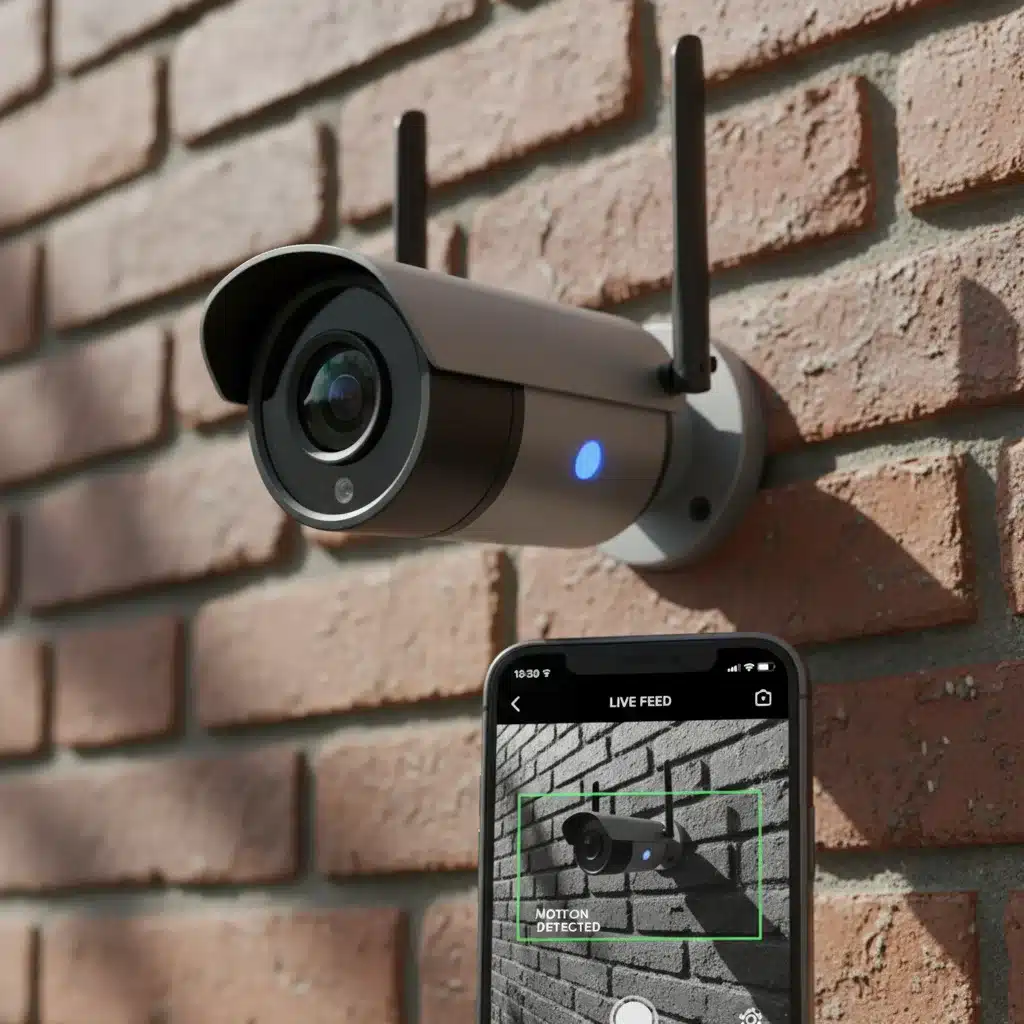
- Motion-Activated Notifications: Get instant alerts on your phone whenever motion is detected.
- Weather Resistant: Built to withstand various outdoor conditions, making it suitable for year-round use.
- Works with Alexa: Seamless integration with Amazon’s smart assistant for voice control and live view.
Pros
- Extremely versatile placement options due to its wireless nature.
- Simple installation process, ideal for DIY enthusiasts.
- Affordable entry point into the Ring ecosystem.
- Reliable motion detection and instant alerts.
Cons
- Requires a Ring Protect Plan subscription for video recording and storage.
- Battery life can be shorter in high-traffic areas or cold weather.
- Night vision is standard infrared, not color.
Ideal For
Users who prioritize ease of installation, flexibility in placement, and integration within an existing Ring smart home setup. It’s an excellent choice for those looking for a reliable, no-frills home security camera system without breaking the bank.
3. Google Nest Cam (Battery): Smart AI and Seamless Google Integration
Overview
The Google Nest Cam (Battery) brings Google’s renowned AI capabilities to the forefront of home security camera systems. Designed for intelligent detection and seamless integration with the Google Home ecosystem, this camera offers more than just basic surveillance. It’s smart enough to distinguish between people, animals, and vehicles right out of the box, offering relevant notifications without a subscription.
Key Features
- 1080p HD Video with HDR: Delivers clear video quality with improved dynamic range, handling bright and dark areas effectively.
- Built-in Intelligence: On-device processing allows for smarter alerts (people, animals, vehicles) without a subscription, providing a free three-hour event video history.
- Two-Way Audio with Noise Cancellation: Clear communication with visitors, even in noisy environments.
- Magnetic Mount: Simplifies installation and adjustment for both indoor and outdoor use.
- Backup Battery in Case of Power Outage: Provides continuous recording even if the power goes out.
- Seamless Google Home Integration: Control your camera and view feeds directly from Google Assistant-enabled devices.
Pros
- Excellent AI detection features available without a paid subscription.
- Robust build quality and weather resistance.
- Easy installation with magnetic mount.
- Integrated battery backup for uninterrupted monitoring.
Cons
- Limited free video history (3 hours); longer history requires a Nest Aware subscription.
- Battery life can be inconsistent depending on activity.
- No 4K option, unlike some premium competitors.
Ideal For
Individuals deeply integrated into the Google Home ecosystem who desire smart, AI-driven alerts and a straightforward setup. It’s a strong contender for those looking for advanced detection capabilities without immediate subscription fees for basic features in their home security camera systems.
4. EufyCam 3: Local Storage and No Monthly Fees
Overview
The EufyCam 3 distinguishes itself by offering robust security features without the burden of monthly subscription fees. This system focuses on privacy and local storage, making it an attractive option for users who prefer to keep their data on-site. Its impressive battery life and 4K resolution further solidify its position as a top-tier contender among home security camera systems.
Key Features
- 4K UHD Video: Captures incredibly sharp and detailed footage, ensuring no detail is missed.
- Face Recognition AI (BionicMind): Identifies familiar faces and learns over time, providing highly personalized alerts and reducing false positives.
- Solar Charging: Integrated solar panel on the camera extends battery life significantly, potentially offering perpetual power.
- Local Storage (Expandable): Stores footage directly on the HomeBase 3 with 16GB built-in storage, expandable up to 16TB via an external hard drive, eliminating cloud storage fees.
- Color Night Vision: Provides clear and colorful images at night, even in low light.
- Two-Way Audio and Spotlight: Essential communication and deterrence tools.
Pros
- No monthly subscription fees for video storage or advanced AI features.
- Excellent 4K video quality with advanced AI face recognition.
- Extended battery life with solar charging capabilities.
- Secure local storage with vast expansion potential.
Cons
- Initial investment can be higher due to the HomeBase requirement.
- AI features are still evolving and may not be as refined as some cloud-based services.
- Integration with third-party smart home ecosystems might not be as extensive as Google or Ring.
Ideal For
Privacy-conscious users who want to avoid recurring subscription fees and prefer local storage for their security footage. It’s also perfect for those seeking high-resolution video and a robust, self-sustaining home security camera system with minimal ongoing costs.
Factors to Consider When Choosing Your Home Security Camera System
Beyond the top four contenders, several critical factors should influence your decision when selecting a home security camera system. A thorough evaluation of these elements will ensure the system you choose perfectly aligns with your specific security needs and lifestyle.
Video Quality and Field of View
High-definition video (1080p, 2K, or 4K) is crucial for clear identification of faces, license plates, and other critical details. A wider field of view (FOV) means fewer cameras are needed to cover a large area, reducing blind spots. Consider cameras with HDR (High Dynamic Range) for better image quality in varying light conditions, especially if your cameras will face direct sunlight.
Night Vision Capabilities
Since many incidents occur under the cover of darkness, robust night vision is non-negotiable. Infrared (IR) night vision is standard, but look for systems offering color night vision, which can provide more contextual and useful footage. Some cameras also integrate spotlights to illuminate the scene, enhancing color night vision and acting as a deterrent.
Storage Options: Cloud vs. Local
This is a significant differentiator among home security camera systems. Cloud storage offers convenience, accessibility from anywhere, and protection against physical damage to local storage devices. However, it often comes with monthly subscription fees. Local storage (SD cards, NVRs/DVRs, or hubs like Eufy’s HomeBase) provides greater privacy and no recurring costs but can be vulnerable to theft or damage. Many systems offer a hybrid approach, combining a limited free cloud history with local storage options.
Power Source: Wired vs. Wireless (Battery)
- Wired Cameras: Offer continuous power and a more reliable connection, ideal for permanent installations. They typically require professional installation or a willingness to run cables.
- Wireless (Battery-Powered) Cameras: Provide immense flexibility in placement and are easy to install. However, they require periodic battery recharging or replacement, and battery life can be affected by activity levels and temperature. Solar-powered options, like EufyCam 3, can mitigate battery concerns.
Smart Features and AI Detection
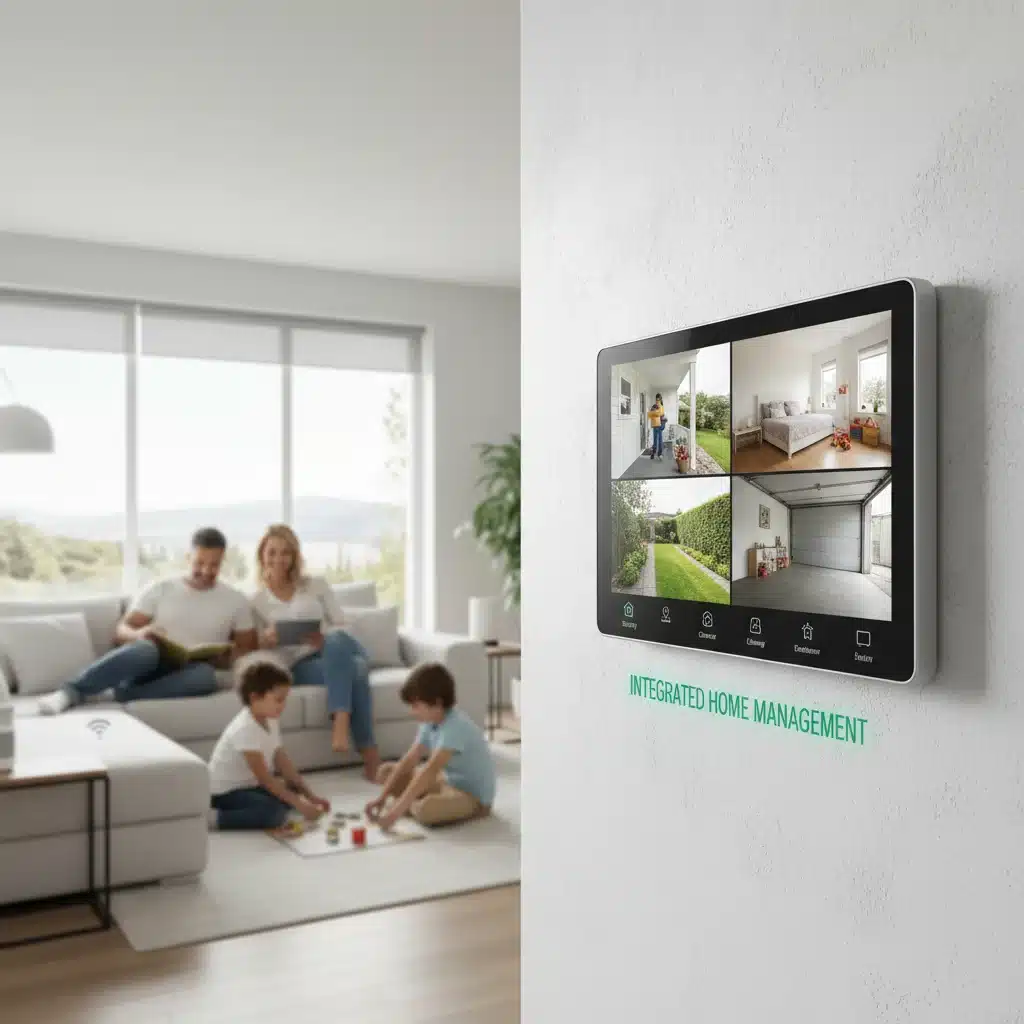
Modern home security camera systems leverage AI for advanced detection capabilities. Features like person detection, vehicle detection, package detection, and even facial recognition can significantly reduce false alarms and provide more actionable alerts. Integration with smart home ecosystems (Alexa, Google Assistant, HomeKit) allows for voice control, unified management, and automation with other smart devices.
Two-Way Audio and Siren
These features enhance the proactive security capabilities of your system. Two-way audio allows you to speak to visitors or confront potential intruders remotely. An integrated siren can deter unwelcome guests and alert neighbors to a potential issue.
Weather Resistance and Durability
For outdoor cameras, an IP (Ingress Protection) rating is crucial. Look for cameras with an IP65 rating or higher, indicating they are protected against dust and water jets, ensuring they can withstand various weather conditions.
Installation and Ease of Use
Consider whether you prefer a DIY setup or professional installation. Wireless, battery-powered cameras are generally easier to install. The accompanying app should be intuitive and user-friendly, providing easy access to live feeds, recordings, and settings.
Privacy and Data Security
With any connected device, privacy is paramount. Research the manufacturer’s data encryption policies, how they handle your footage, and whether they offer features like two-factor authentication. Systems with local storage often appeal more to privacy-conscious users.
Maximizing Your Home Security Camera System’s Effectiveness
Once you’ve chosen your ideal home security camera system, optimizing its placement and settings is key to achieving maximum effectiveness. Here are some tips:
- Strategic Placement: Install cameras at entry points (front door, back door, ground-floor windows), high-traffic areas, and any vulnerable spots like garages or sheds. Ensure cameras are mounted high enough to prevent tampering but low enough to capture clear facial features.
- Optimal Angle: Aim for angles that cover the widest possible area without significant obstructions. Test the field of view using the live feed during installation.
- Lighting Considerations: Avoid pointing cameras directly at strong light sources, which can cause glare and overexposure. Utilize natural light where possible, and ensure night vision is unobstructed.
- Motion Sensitivity: Adjust motion sensitivity settings to minimize false alarms from pets, trees swaying, or passing cars, especially for outdoor cameras.
- Regular Maintenance: Periodically clean camera lenses to ensure clear footage. For battery-powered cameras, monitor battery levels and recharge/replace as needed.
- Secure Your Network: Use a strong, unique password for your Wi-Fi network and enable WPA2/WPA3 encryption. Ensure your router’s firmware is always up to date.
- Review Alerts: Don’t ignore alerts. Regularly review notifications and footage to understand patterns and respond promptly to genuine threats.
- Integrate with Other Security: Combine your cameras with other security measures like door/window sensors, smart locks, and alarm systems for a layered defense.
The Future of Home Security Camera Systems
Looking ahead, the future of home security camera systems promises even greater integration, intelligence, and autonomy. We can expect further advancements in:
- Edge AI Processing: More processing will occur directly on the camera, reducing reliance on cloud computing and enhancing privacy and speed.
- Proactive Deterrence: Systems will become even smarter at identifying potential threats before they escalate, perhaps using advanced audio analysis to detect breaking glass or unusual sounds.
- Energy Efficiency: Longer battery life and more efficient solar charging will make truly wire-free and self-sustaining cameras more common.
- Seamless Ecosystems: Greater interoperability between different smart home brands, leading to more unified and powerful security networks.
- Privacy-Focused Designs: Manufacturers will continue to innovate with features like privacy zones, local-only processing, and enhanced encryption to address growing privacy concerns.
These developments will make home security camera systems not just tools for monitoring, but active participants in protecting your home, adapting to your environment and anticipating potential risks.
Conclusion: Securing Your Home in 2026
Choosing the right home security camera system for 24/7 monitoring in 2026 is a significant decision that directly impacts your peace of mind. The Arlo Ultra 2, Ring Stick Up Cam Battery, Google Nest Cam (Battery), and EufyCam 3 each offer compelling features and cater to different priorities, from ultra-high resolution and advanced AI to unparalleled versatility and freedom from monthly fees.
By carefully considering your budget, desired features, existing smart home ecosystem, and privacy preferences, you can confidently select a system that provides robust surveillance and reliable protection. Remember, the best security system is one that you understand, can easily operate, and trust to keep a watchful eye on your most important asset – your home. Invest wisely, and enjoy the enhanced security and tranquility that a top-tier home security camera system brings to your life.