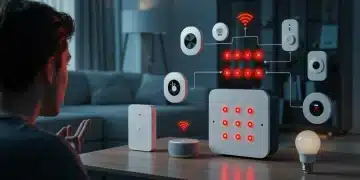
Appliance Standby Power in 2026: Eliminate 10% of Phantom Load with Smart Plugs
Appliance Standby Power in 2026: Eliminate 10% of Phantom Load with Smart Plugs
In our increasingly connected world, where every device from our coffee maker to our television set boasts smart features, an often-overlooked energy drain silently pervades our homes: appliance standby power, commonly known as phantom load. This insidious energy consumption, occurring when devices are ‘off’ but still plugged in, contributes significantly to our electricity bills and carbon footprint. As we look towards 2026, the imperative to address this invisible energy thief has never been greater. This comprehensive guide will delve into the world of phantom load, explain its impact, and, most importantly, show you how to effectively achieve a 10% reduction in your home’s phantom load by leveraging the power of smart plugs.
The concept of phantom load might seem negligible at first glance. After all, how much power can a TV really draw when it’s just sitting there, seemingly off? The answer, surprisingly, is quite a lot. Collectively, these small drains add up, accounting for a significant portion of household electricity consumption. Studies indicate that standby power can represent anywhere from 5% to 10% of a typical home’s total electricity use. Imagine pouring 5% to 10% of your hard-earned money down the drain each month, simply because you haven’t addressed these hidden power consumers. By understanding and actively combatting this phenomenon, we can not only save money but also contribute to a more sustainable future. Our goal for 2026 is ambitious yet achievable: eliminate 10% of this pervasive phantom load, primarily through the strategic deployment of smart plugs.
This article will serve as your ultimate resource for understanding, identifying, and ultimately conquering phantom load reduction. We will explore what standby power truly is, how it impacts your finances and the environment, and provide a clear roadmap for achieving substantial energy savings. Get ready to transform your energy habits and embrace a smarter, more efficient home environment.
Understanding Phantom Load: The Silent Energy Drain
Before we can effectively combat phantom load, we must first understand its nature. What exactly is standby power, and why do our appliances continue to consume electricity even when they appear to be off? The term ‘phantom load’ refers to the electricity consumed by electronic devices while they are turned off or in standby mode. This can also be called ‘vampire power,’ ‘leaking electricity,’ or ‘standby loss.’ These devices aren’t completely off; rather, they are in a low-power mode, ready to respond to a remote control signal, maintain a clock display, or perform background updates.
The Science Behind Standby Power
Many modern appliances are designed with instant-on features, remote control capabilities, or internal clocks that require a constant, albeit small, supply of power. For example, your television might be waiting for a signal from its remote, your gaming console might be downloading updates in the background, or your coffee maker might be keeping its clock illuminated. Even phone chargers, when left plugged in without a phone attached, can draw a minuscule amount of power. While individually these amounts are small, the cumulative effect across dozens of devices in a typical household can be substantial.
Consider the following common culprits for phantom load:
- Televisions and Sound Systems: Always ready for the remote.
- Computers and Monitors: Often in sleep mode, drawing power for quick wake-up.
- Gaming Consoles: Downloading updates, maintaining network connection.
- Printers and Scanners: Ready to receive print commands.
- Microwave Ovens and Coffee Makers: Displaying clocks.
- Phone Chargers and Power Adapters: Even without a device connected, some draw power.
- Smart Devices: Continuously connected to Wi-Fi.
The issue isn’t just about the quantity of devices; it’s also about the increasing complexity of modern electronics. Older appliances typically drew less standby power because they lacked many of the ‘smart’ features we now take for granted. As technology advances, so too does the potential for increased phantom load, making phantom load reduction an ever more critical aspect of home energy management.
The Financial and Environmental Impact
The financial implications of appliance standby power are often underestimated. While a single device might only cost a few dollars a year in standby power, multiply that by all the devices in your home, and then by the number of years you own them, and the figures become significant. For an average household, phantom load can account for $100 to $200 annually, sometimes even more depending on the number and type of electronics. This is money that could be saved or spent elsewhere, simply by adopting better energy habits.
Beyond your wallet, there’s a broader environmental cost. The electricity consumed by standby power, especially if generated from fossil fuels, contributes to greenhouse gas emissions. Every kilowatt-hour saved reduces the demand on power plants, leading to a smaller carbon footprint. By committing to phantom load reduction, we’re not just saving money; we’re actively participating in environmental stewardship and fostering a more sustainable energy ecosystem. Our target of eliminating 10% of phantom load by 2026 is a measurable step towards this larger goal.
The 2026 Goal: Eliminating 10% of Phantom Load
Our objective is clear: by 2026, we aim to help households significantly reduce their appliance standby power, specifically targeting a 10% elimination of total phantom load. This isn’t just an arbitrary number; it’s a realistic and impactful target that, when achieved across many homes, can lead to substantial collective energy savings and environmental benefits. Achieving this goal requires a combination of awareness, strategic planning, and the smart application of technology, particularly smart plugs.
Why 10%? The Power of Small Changes
A 10% reduction might seem modest, but consider it in context. If standby power accounts for 5-10% of your total electricity bill, a 10% reduction in that specific category translates to a 0.5% to 1% overall reduction in your total electricity consumption. While this percentage might appear small on an individual bill, when scaled across millions of homes, the impact is enormous. It means less energy generated, fewer emissions, and more money staying in consumers’ pockets. Moreover, focusing on 10% makes the goal approachable and less daunting, encouraging broader participation in phantom load reduction efforts.
This target also aligns with broader energy efficiency initiatives. Governments and environmental organizations are increasingly focusing on reducing energy waste, and tackling standby power is a low-hanging fruit with high potential impact. By proactively addressing appliance standby power, individual consumers become active participants in a global movement towards greater energy responsibility.
The Role of Smart Plugs in Achieving the Goal
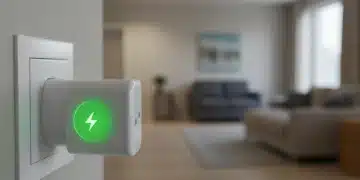
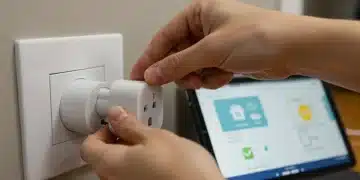
While manually unplugging devices is always an option, it’s often impractical and inconvenient. This is where smart plugs become indispensable tools for phantom load reduction. Smart plugs are simple devices that plug into a standard electrical outlet, and then your appliance plugs into the smart plug. They allow you to remotely control the power supply to the connected device via a smartphone app, voice assistant, or even scheduled timers.
Here’s how smart plugs empower you to eliminate 10% of phantom load:
- Remote Control: Turn off devices completely when you leave the house or go to bed, preventing any standby power draw.
- Scheduling: Set specific times for devices (e.g., TV, gaming console, coffee maker) to turn off and on, ensuring they are only powered when needed.
- Energy Monitoring: Many smart plugs come with built-in energy monitoring, allowing you to see exactly how much power a device is consuming, including its standby power. This data is crucial for identifying the biggest phantom load culprits and prioritizing your efforts.
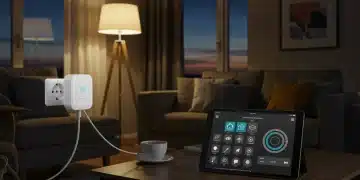
- Integration with Smart Home Systems: Integrate smart plugs into your existing smart home ecosystem (e.g., Google Home, Amazon Alexa, Apple HomeKit) for seamless automation and voice control.
By strategically deploying smart plugs, you gain unprecedented control over your home’s energy consumption, making the 2026 goal of phantom load reduction not just achievable, but easily manageable. They transform the abstract concept of standby power into a tangible, controllable aspect of your daily life.
Identifying Your Home’s Phantom Load Culprits
Before you start plugging in smart devices everywhere, it’s beneficial to identify which of your existing appliances are the biggest contributors to appliance standby power. Not all devices draw the same amount of power in standby mode, and some might surprise you. A little detective work can go a long way in optimizing your phantom load reduction strategy.
Tools for Measurement
The most accurate way to identify phantom load is by using a kill-a-watt meter or a smart plug with energy monitoring capabilities. These devices measure the actual power draw of an appliance. Plug the meter into the wall, then plug your appliance into the meter. Turn the appliance off (but leave it plugged in) and observe the wattage reading. This will tell you its standby power consumption.
Common high-draw standby devices often include:
- Entertainment Centers: TVs, cable boxes, sound systems, gaming consoles can collectively draw significant power.
- Computers and Peripherals: Desktops, laptops (when plugged in), external monitors, and printers.
- Kitchen Appliances: Microwaves, coffee makers with digital displays, and sometimes even blenders with touchscreens.
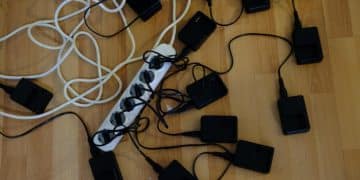
- Chargers: While individual phone chargers draw very little, a multitude of them, especially for laptops or tablets, can add up.
Focus your initial phantom load reduction efforts on these areas where the potential for savings is highest. Even a few watts saved per device, across multiple devices, quickly adds up to your 10% target.
Prioritizing Your Smart Plug Deployment
Once you’ve identified your biggest phantom load culprits, you can prioritize where to deploy your smart plugs. It’s not necessary to put a smart plug on every single outlet. Focus on devices that:
- Have a measurable standby power draw: Use your energy meter to confirm.
- Are not needed 24/7: Devices like TVs, gaming consoles, or a kitchen appliance used only at certain times of the day are prime candidates.
- Are difficult to unplug manually: Behind heavy furniture or in hard-to-reach spots.
- Are part of an entertainment or office hub: These often involve multiple devices that can be controlled by a single smart power strip.
By strategically placing smart plugs, you maximize their impact on phantom load reduction without over-complicating your home setup. Remember, the goal is to make energy saving convenient and automated, not a chore.
Implementing Smart Plugs for Optimal Reduction
Now that you understand the problem and have identified your targets, it’s time to implement smart plugs effectively to achieve significant phantom load reduction. The key is not just to buy them, but to integrate them thoughtfully into your daily routines.
Choosing the Right Smart Plugs
The market for smart plugs is vast. Consider these factors when making your selection:
- Compatibility: Ensure they work with your existing smart home ecosystem (e.g., Alexa, Google Assistant, Apple HomeKit) if you have one.
- Energy Monitoring: Prioritize plugs that offer energy usage tracking. This data is invaluable for understanding your impact and fine-tuning your strategy for appliance standby power.
- Features: Look for scheduling capabilities, remote access, and potentially voice control.
- Form Factor: Some plugs are bulky and might block adjacent outlets. Choose slim designs if space is an issue.
- Cost: Smart plugs range in price, but many affordable and reliable options exist.
Strategic Placement and Automation
Once you have your smart plugs, strategic placement is crucial for effective phantom load reduction. Here are some common scenarios:
The Entertainment Center
This is often the biggest offender. Plug your TV, soundbar, gaming console, and streaming devices into a smart power strip or individual smart plugs. Use the app to create a schedule that powers down the entire entertainment center overnight or when you’re at work. Many smart plugs allow you to group devices, so you can turn them all off with a single tap or voice command.
Home Office Equipment
Computers, monitors, and printers can draw significant standby power. Connect them to smart plugs and schedule them to power off after your workday ends and before it begins. This ensures they are not drawing power unnecessarily for hours each day. This is a prime area for phantom load reduction.
Kitchen Appliances
Coffee makers, blenders, and even microwaves with digital clocks can be connected. Schedule your coffee maker to turn on just before you wake up and off after you’ve had your morning brew. For microwaves, you might choose to turn them off completely overnight if you don’t rely on their clock. This contributes to reducing appliance standby power.
Chargers and Adapters
While individual chargers draw minimal power, a collection of them can add up. Connect multi-port charging hubs or individual chargers to smart plugs. Schedule them to turn off after your devices are typically fully charged, or simply turn them off remotely when not in use.
Monitoring Your Progress for the 2026 Goal
One of the most satisfying aspects of using smart plugs with energy monitoring is seeing your efforts pay off. Regularly check the energy usage reports in your smart plug app. This will show you:
- Real-time savings: How much power you’re saving by turning off devices.
- Problem areas: Which devices are still drawing more standby power than anticipated.
- Overall impact: How close you are to achieving your 10% phantom load reduction goal.
This feedback loop is crucial for refining your strategy and ensuring you meet your 2026 target for eliminating appliance standby power. It makes the abstract concept of energy saving tangible and rewarding.
Beyond Smart Plugs: Complementary Strategies for Energy Efficiency
While smart plugs are a powerful tool for phantom load reduction, they are part of a larger ecosystem of energy-saving practices. To maximize your impact and go beyond the 10% goal, consider these complementary strategies.
Unplugging When Possible
For devices not connected to smart plugs, or those you use infrequently, simply unplugging them is the most effective way to eliminate appliance standby power. This is particularly true for seasonal appliances (e.g., fans, humidifiers) or devices in guest rooms. Make it a habit to unplug devices when you go on vacation or when they won’t be used for an extended period.
Energy-Efficient Appliance Upgrades
When it’s time to replace an old appliance, prioritize models with Energy Star certification. These appliances are designed to be more energy-efficient, often featuring lower standby power consumption. While this isn’t directly a phantom load reduction strategy for existing devices, it prevents future phantom load issues and contributes to overall home energy savings.
Advanced Power Strips
Some power strips are designed with ‘master-slave’ outlets or auto-shutoff features. When the ‘master’ device (e.g., your TV) is turned off, the ‘slave’ outlets (e.g., sound system, DVD player) automatically cut power. These can be a good alternative or supplement to smart plugs, especially for entertainment centers where multiple devices are always used together.
Behavioral Changes
The most fundamental change often comes from awareness and habit. Encourage everyone in your household to be mindful of energy consumption. Simple actions like fully powering down computers instead of just putting them to sleep, or unplugging phone chargers when not in use, contribute to overall phantom load reduction.
Regular Energy Audits
Periodically assess your home’s energy usage. Many utility companies offer free or low-cost energy audits. These can identify unexpected energy drains, including hidden sources of appliance standby power, and provide tailored recommendations for further savings. This holistic approach ensures you’re not just tackling phantom load but optimizing your entire home’s energy profile.
The Future of Phantom Load and Smart Homes in 2026 and Beyond
As we approach and move beyond 2026, the landscape of energy consumption and smart home technology will continue to evolve. The focus on phantom load reduction will only intensify, driven by both consumer demand for lower bills and global efforts to combat climate change.
Smarter Devices from Manufacturers
Manufacturers are increasingly designing appliances with lower standby power consumption, often in response to stricter energy efficiency standards. We can expect more devices to feature ‘true off’ modes or intelligent power management systems that minimize appliance standby power without compromising convenience. This will make phantom load reduction easier right out of the box.
Integrated Home Energy Management Systems
The distinction between smart plugs and broader smart home systems will blur further. Future homes will likely feature more integrated energy management platforms that not only control individual devices but also optimize energy use based on real-time electricity prices, solar panel output, and even occupancy patterns. These systems will automatically identify and mitigate phantom load across the entire home, making the 10% reduction a baseline rather than a goal.
Artificial Intelligence and Predictive Energy Saving
AI will play a significant role in future energy efficiency. Smart home systems, powered by AI, could learn your habits and predict when devices can be safely powered down to eliminate appliance standby power without any user intervention. Imagine your home automatically shutting off non-essential devices when it detects you’ve left for work, or optimizing power usage based on your historical patterns.
The journey to eliminate 10% of phantom load by 2026 using smart plugs is just the beginning. It’s a stepping stone towards a more intelligent, efficient, and sustainable way of living. By taking action now, you’re not just saving money; you’re investing in a future where energy waste is minimized, and smart technology empowers us to live more responsibly.
Conclusion: Empowering Your Home for a Greener Future
The challenge of appliance standby power, or phantom load, is a real and often hidden drain on our finances and the environment. However, the solution is readily available and remarkably effective. By understanding what phantom load is, identifying its sources in your home, and strategically deploying smart plugs, you can achieve significant phantom load reduction. Our ambitious yet entirely achievable goal of eliminating 10% of this energy waste by 2026 is within reach for every household.
The benefits extend far beyond just a smaller electricity bill. You’ll contribute to a healthier planet by reducing greenhouse gas emissions, foster a more sustainable lifestyle, and gain greater control over your home’s energy usage. Smart plugs offer an accessible, affordable, and automated way to make a tangible difference, turning the abstract concept of energy saving into a practical, everyday reality.
Don’t let your valuable energy dollars leak away in the form of invisible power drains. Take control of your home’s energy future today. Start with a few smart plugs, monitor your savings, and gradually expand your system. By embracing these smart solutions, you’re not just preparing for 2026; you’re building a smarter, more efficient, and more sustainable home for years to come. The power to eliminate phantom load is literally at your fingertips.