Advanced Home Automation 2026: The Ultimate US Residence Guide
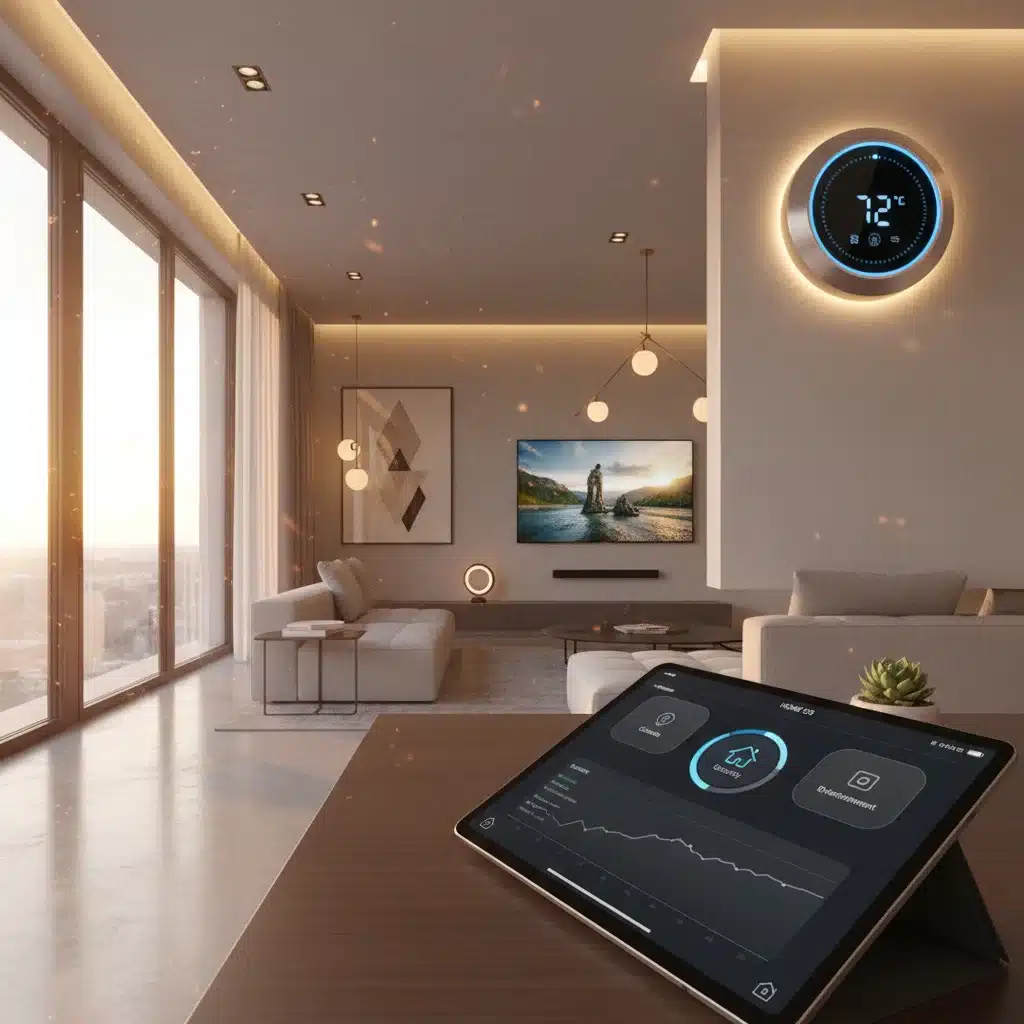
From Setup to Sophistication: Building a Robust Home Automation Network in Your US Residence for 2026
The dawn of 2026 brings with it an unprecedented era of technological integration into our daily lives. Nowhere is this more evident than in the realm of smart homes, where a well-designed Home Automation Network is no longer a luxury but a cornerstone of modern living. For US residents looking to elevate their living spaces, understanding the intricacies of building and maintaining a robust home automation system is paramount. This comprehensive guide will take you from the fundamental setup to the most sophisticated integrations, ensuring your home is not just smart, but intelligently connected and future-proof.
The journey to a truly smart home begins with a clear vision. What do you want your home to do for you? Do you envision automated lighting that adjusts to the time of day, climate control that learns your preferences, or security systems that offer unparalleled peace of mind? The answers to these questions will shape the architecture of your Home Automation Network. As technology continues its rapid evolution, staying informed about the latest standards, devices, and security protocols is crucial. This article will serve as your ultimate resource, guiding you through every step of this exciting transformation.
Understanding the Core of Your Home Automation Network
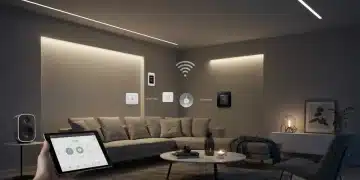
At its heart, a Home Automation Network is a collection of interconnected devices that communicate with each other and often with a central hub or controller. This network allows you to monitor, control, and automate various aspects of your home environment. Before diving into specific devices, it’s essential to grasp the underlying technologies and protocols that make this connectivity possible. In 2026, several key players dominate the landscape, each with its strengths and ideal applications.
Key Communication Protocols and Standards
- Wi-Fi: Ubiquitous and familiar, Wi-Fi remains a backbone for many smart devices, especially those requiring higher bandwidth for streaming or complex data transfer, like smart cameras. However, it can consume more power and may contribute to network congestion if too many devices are connected.
- Zigbee: A popular choice for low-power, mesh networks, Zigbee excels in connecting devices like smart lights, sensors, and thermostats. Its mesh topology means each device can relay signals, extending the network’s range and reliability. This is a critical component for a sprawling Home Automation Network.
- Z-Wave: Similar to Zigbee in its low-power mesh capabilities, Z-Wave operates on a different radio frequency, often leading to less interference with Wi-Fi networks. It’s known for its strong interoperability across diverse manufacturers, making it a reliable option for various smart home devices.
- Bluetooth Low Energy (BLE): Primarily used for short-range connections, BLE is common in wearable devices, smart locks, and some proximity sensors. While not ideal for an entire home network, it plays a supportive role for specific device types.
- Thread: An emerging IP-based mesh networking protocol, Thread offers robust, secure, and self-healing connections for smart home devices. Its IP-based nature makes it highly compatible with existing network infrastructures and a strong contender for future-proofing your Home Automation Network.
- Matter: This is perhaps the most significant development for 2026. Matter (formerly Project CHIP) is an open-source connectivity standard designed to ensure seamless interoperability across different smart home ecosystems (Apple HomeKit, Google Home, Amazon Alexa, Samsung SmartThings, etc.). Built on IP, Matter aims to simplify device setup and management, reducing fragmentation and making your Home Automation Network more cohesive.
Choosing the right mix of these protocols is crucial. While Matter promises to bridge many gaps, a comprehensive understanding of each protocol’s strengths will allow you to select devices that best fit your home’s layout and your specific automation goals. A truly robust Home Automation Network often leverages a combination of these technologies, managed by a central hub.
Phase 1: Planning and Foundation – Laying the Smart Home Groundwork
Before purchasing any devices, a solid plan is essential. Think of your home as a canvas, and your Home Automation Network as the intricate brushstrokes that bring it to life. This phase focuses on identifying your needs, assessing your existing infrastructure, and selecting the right central control system.
1. Define Your Smart Home Goals
Start by listing the areas of your life you want to automate. Do you want to:
- Enhance home security with smart locks, cameras, and motion sensors?
- Improve energy efficiency with smart thermostats, smart plugs, and automated lighting?
- Boost convenience with voice assistants, automated routines, and remote control of appliances?
- Create ambiance with tunable lights and smart speakers?
- Monitor your home environment with air quality sensors and leak detectors?
Prioritizing these goals will help you focus your investment and ensure your Home Automation Network addresses your most pressing needs first.
2. Assess Your Home’s Infrastructure
Your existing network infrastructure is the literal backbone of your Home Automation Network. A strong, reliable Wi-Fi network is non-negotiable. Consider:
- Router Quality: Is your current router capable of handling numerous connected devices? Upgrading to a Wi-Fi 6 (or even Wi-Fi 7, as it becomes more prevalent in 2026) mesh system can provide broader coverage and higher bandwidth, crucial for a robust smart home.
- Internet Speed: While many smart devices don’t require immense bandwidth individually, a large number of devices, especially those streaming video (like security cameras), will benefit from a fast and stable internet connection.
- Wiring: For certain applications, like wired security cameras or Ethernet backhauls for mesh Wi-Fi, existing or new Ethernet wiring can significantly enhance reliability and speed.
- Power Outlets: Ensure sufficient power outlets are available in areas where you plan to install smart devices. Smart plugs can help manage power, but initial placement is key.
3. Choose Your Central Hub or Ecosystem
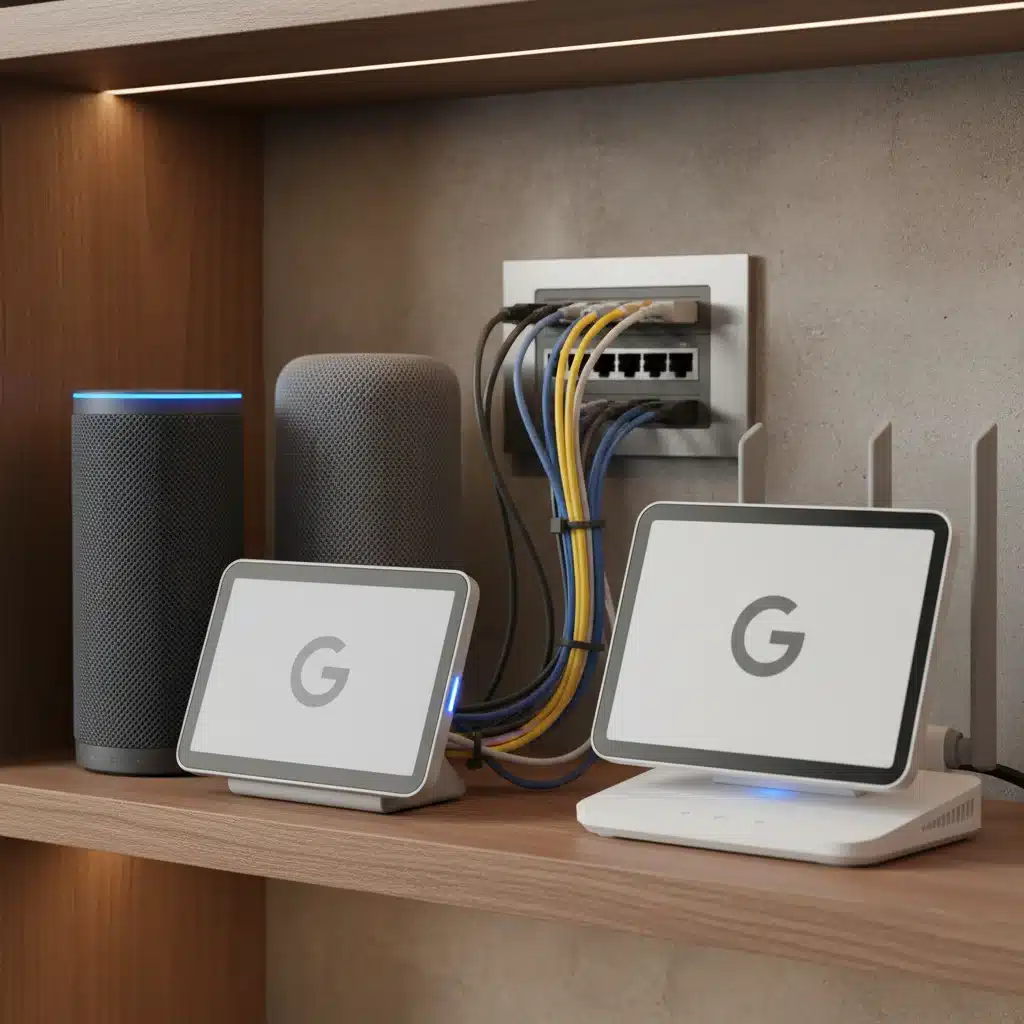
This is arguably the most critical decision for your Home Automation Network. The central hub acts as the brain, coordinating all your smart devices. In 2026, the landscape is dominated by several powerful ecosystems:
- Amazon Alexa (Echo devices): A popular choice for voice control and a vast ecosystem of compatible devices. Excellent for casual automation and media control.
- Google Home/Nest (Nest Hubs, Google Assistant-enabled devices): Strong integration with Google services, powerful voice assistant, and a growing range of smart home devices.
- Apple HomeKit (HomePods, Apple TV, iPad as hub): Known for its strong security and privacy features, seamless integration with Apple devices, and an intuitive user interface.
- Samsung SmartThings: A highly versatile platform that supports a wide array of protocols (Zigbee, Z-Wave, Wi-Fi) and offers extensive customization options for advanced users.
- Hubitat Elevation: A local processing hub that prioritizes privacy and reliability by performing most automations locally, without relying on cloud services. Ideal for users who want maximum control and minimal internet dependency.
- Home Assistant: An open-source platform for the technically inclined, offering unparalleled flexibility, customization, and integration with virtually any smart device. Requires more technical expertise but provides ultimate control over your Home Automation Network.
Consider which ecosystem aligns best with your existing devices, your technical comfort level, and your privacy preferences. With the advent of Matter, cross-platform compatibility is improving, but choosing a primary ecosystem still simplifies management.
Phase 2: Device Selection and Installation – Populating Your Smart Home
Once your foundation is laid, it’s time to select the smart devices that will populate your Home Automation Network. Prioritize devices that support your chosen protocols and ecosystem, and always check for Matter compatibility for future-proofing.
1. Essential Smart Devices for a Robust Home Automation Network
- Smart Lighting: From smart bulbs (Philips Hue, LIFX, Sengled) to smart switches (Lutron Caseta, Leviton), smart lighting offers energy savings, ambiance control, and security benefits.
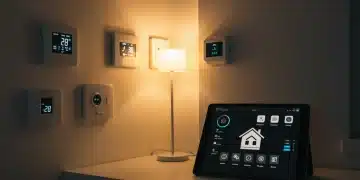
- Smart Thermostats: Devices like Nest Learning Thermostat, Ecobee, or Honeywell Home learn your preferences, optimize energy use, and can be controlled remotely.
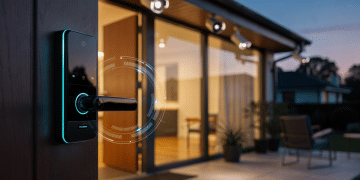
- Smart Security: This category includes smart locks (August, Schlage Encode), video doorbells (Ring, Arlo, Google Nest Doorbell), security cameras (Wyze, Eufy, Arlo), and motion/contact sensors. These are vital for securing your Home Automation Network.
- Smart Plugs/Outlets: Inexpensive and versatile, smart plugs (TP-Link Kasa, Wemo) turn any dumb appliance into a smart one, allowing for remote control and scheduling.
- Voice Assistants: While often part of your central hub, dedicated voice assistant devices (Echo Dot, Google Nest Mini) can extend voice control throughout your home.
2. Advanced Integrations for a Sophisticated Home Automation Network
For those seeking a more sophisticated experience, consider integrating:
- Smart Blinds/Shades: Automate light control, privacy, and insulation.
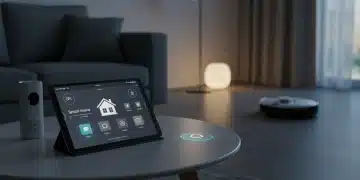
- Robotic Vacuums: Schedule cleaning or trigger it remotely.
- Smart Appliances: Refrigerators, ovens, and washing machines with smart capabilities offer monitoring and control features.
- Irrigation Systems: Smart sprinklers (Rachio) optimize water usage based on weather forecasts and soil conditions.
- Air Quality Monitors: Track indoor air quality and integrate with smart air purifiers or HVAC systems.
- Leak Detectors: Protect against water damage by alerting you to leaks and potentially shutting off water mains.
3. Installation Best Practices
When installing devices, follow manufacturer instructions meticulously. For network-connected devices:
- Strong Wi-Fi Signal: Ensure devices are within range of your Wi-Fi network or a mesh node.
- Dedicated Network (Optional but Recommended): For a large Home Automation Network, consider setting up a separate Wi-Fi network (VLAN) for your IoT devices. This enhances security and can reduce congestion on your primary network.
- Firmware Updates: Always ensure devices are running the latest firmware for optimal performance, security, and compatibility.
Phase 3: Automation and Customization – Unleashing the Power of Your Network
This is where your Home Automation Network truly comes alive. Automation allows devices to work together seamlessly, reacting to events and schedules without manual intervention. Customization tailors these automations to your unique lifestyle.
1. Creating Routines and Scenes
Most smart home ecosystems offer ways to create routines (Alexa), automations (Google Home, HomeKit), or scenes. These allow you to trigger multiple actions with a single command or based on specific conditions:
- Good Morning Routine: Wake up to lights gradually brightening, blinds opening, and your smart speaker playing the news.
- Away Scene: When you leave, lights turn off, thermostat adjusts, doors lock, and security cameras activate.
- Movie Night Scene: Lights dim, smart TV turns on, and soundbar activates.
- Motion-Activated Lighting: Lights in a hallway turn on when motion is detected and turn off after a set period.
Experiment with different triggers (time of day, motion, door opening, voice command) and actions to discover what works best for your Home Automation Network.
2. Leveraging Sensors for Intelligent Automation
Sensors are the eyes and ears of your Home Automation Network. Integrating them into your routines adds a layer of intelligence:
- Motion Sensors: Trigger lights, security alerts, or even smart plugs for appliances.
- Contact Sensors: Know when doors or windows are opened, useful for security and energy saving (e.g., HVAC turns off if a window is open).
- Temperature/Humidity Sensors: Fine-tune climate control and monitor environmental conditions.
- Light Sensors: Adjust lighting based on ambient light levels.
3. Advanced Scripting and Integrations (for advanced users)
For those using platforms like Home Assistant or Hubitat, the possibilities are virtually limitless. You can create complex automations using scripting languages (like YAML for Home Assistant), integrate unsupported devices through custom components, and even create dashboards for a unified control experience. This level of customization ensures your Home Automation Network is perfectly tailored to your needs.
Phase 4: Security and Privacy – Protecting Your Smart Home
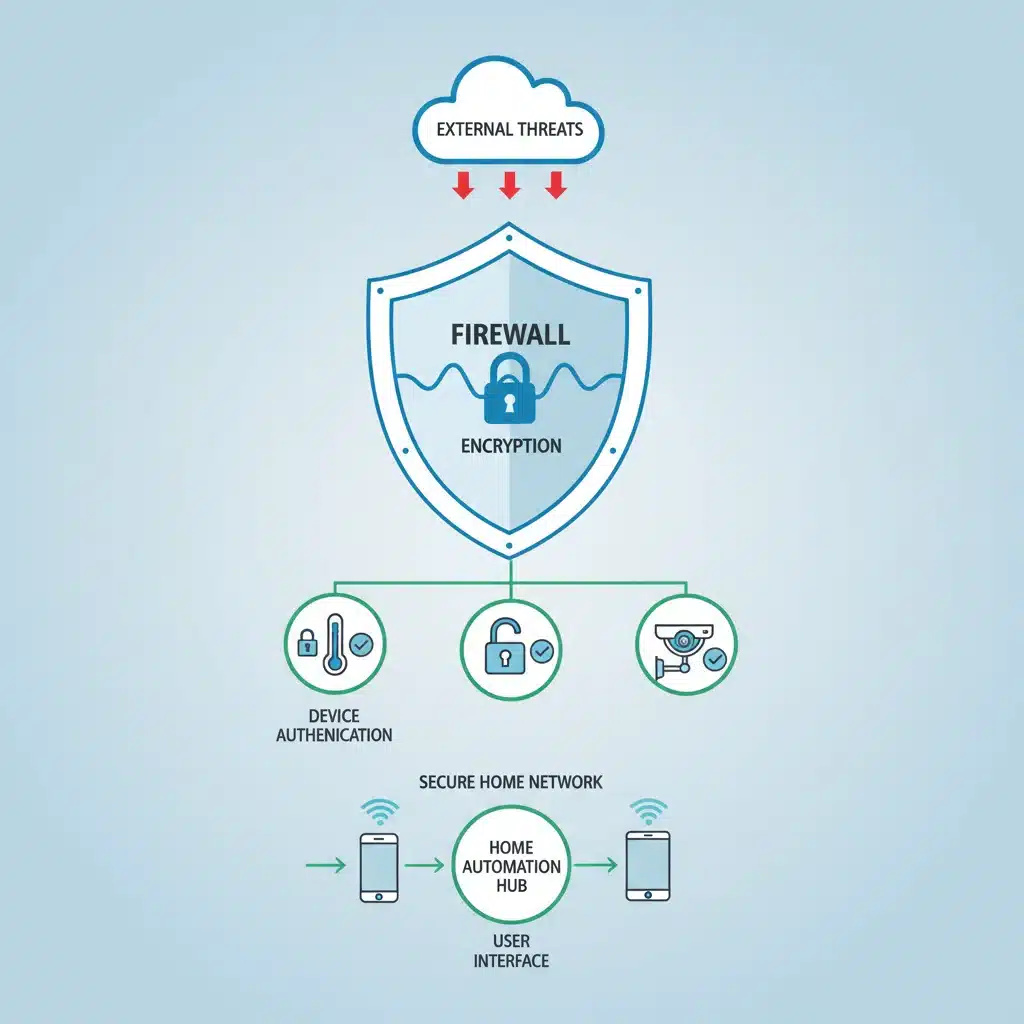
As your Home Automation Network grows, so does the importance of security and privacy. Connected devices can be vulnerable to cyber threats if not properly secured. In 2026, with the increasing sophistication of cyberattacks, this phase is non-negotiable.
1. Network Security Fundamentals
- Strong Wi-Fi Passwords: Use complex, unique passwords for your main and IoT Wi-Fi networks.
- Router Security: Keep your router’s firmware updated, change default login credentials, and disable WPS if possible.
- Guest Network/VLAN for IoT: As mentioned earlier, isolating your smart devices on a separate network segment can prevent a compromised IoT device from affecting your main network.
- Firewall Protection: Ensure your router’s firewall is active and configured correctly.
2. Device-Specific Security Measures
- Unique Passwords: Never use default passwords for smart devices. Create strong, unique passwords for each device and its associated app.
- Two-Factor Authentication (2FA): Enable 2FA wherever available for smart home accounts. This adds an extra layer of security.
- Regular Firmware Updates: Keep all your smart devices updated. Manufacturers frequently release patches for security vulnerabilities.
- Privacy Settings: Review and adjust the privacy settings of all your smart devices and apps. Be mindful of what data you’re sharing and with whom. Disable microphones or cameras when not in use if possible.
3. Data Privacy Concerns with Your Home Automation Network
In 2026, data privacy is a significant concern. Smart devices collect vast amounts of data about your habits, movements, and preferences. Understand:
- Cloud vs. Local Processing: Devices that process data locally (like many Hubitat or Home Assistant setups) offer greater privacy than those that send all data to the cloud.
- Manufacturer Policies: Read the privacy policies of smart device manufacturers. Understand how they collect, use, and share your data.
- Matter’s Role: Matter aims to improve security and privacy by standardizing communication and potentially allowing for more local processing, reducing reliance on individual vendor clouds.
Phase 5: Maintenance and Future-Proofing Your Home Automation Network
A smart home is not a static installation; it’s an evolving system. Regular maintenance and a forward-thinking approach will ensure your Home Automation Network remains robust and relevant for years to come.
1. Ongoing Maintenance Tasks
- Regular Updates: Consistently check for and apply firmware and software updates for your hub, router, and all smart devices.
- Network Monitoring: Periodically check your network for performance issues or unrecognized devices.
- Battery Replacement: For battery-powered sensors and devices, keep an eye on battery levels and replace them promptly.
- Clean Devices: Dust and debris can affect sensor performance and device longevity.
2. Troubleshooting Common Issues
Even the most robust Home Automation Network can encounter glitches. Common issues include:
- Device Disconnection: Check Wi-Fi signal strength, restart the device, or re-pair it with the hub.
- Automation Failures: Verify conditions, triggers, and actions within your routines. Check device status.
- Slow Performance: This could be network congestion. Consider a Wi-Fi analyzer app to identify problematic channels or upgrade your router.
- Interference: Other wireless devices can interfere with Zigbee or Z-Wave. Try relocating devices or your hub.
Most issues can be resolved with a quick search of manufacturer support pages or community forums.
3. Future-Proofing Your Home Automation Network for 2026 and Beyond
Technology evolves rapidly. To future-proof your investment:
- Embrace Matter: Prioritize devices that are Matter-certified. This standard is designed to ensure long-term compatibility and interoperability.
- Choose Open Standards: Devices that adhere to open standards (like Zigbee, Z-Wave, Thread, Matter) are generally more adaptable than proprietary systems.
- Modular Approach: Build your network in a modular fashion, allowing you to easily add, remove, or upgrade individual components without overhauling the entire system.
- Stay Informed: Keep up with smart home news, reviews, and emerging technologies. Join online communities to learn from other enthusiasts and experts.
The Future is Now: The Impact of a Robust Home Automation Network in 2026
The benefits of a well-implemented Home Automation Network extend far beyond mere convenience. In 2026, smart homes are contributing to:
- Enhanced Energy Efficiency: Intelligent climate control, lighting, and appliance management can significantly reduce utility bills and your carbon footprint.
- Improved Security: Integrated security systems provide proactive monitoring, remote access, and immediate alerts, offering unparalleled peace of mind.
- Greater Accessibility: Smart home technology can empower individuals with disabilities or mobility challenges by automating tasks and providing alternative control methods.
- Increased Property Value: A sophisticated and well-maintained smart home can be a significant selling point in the competitive US housing market.
- Personalized Comfort: Your home adapts to your preferences, creating an environment that is always comfortable, safe, and tailored to your lifestyle.
Building a robust Home Automation Network in your US residence for 2026 is an investment in your comfort, security, and future. While it requires careful planning and ongoing attention, the rewards are immense. By understanding the core technologies, strategically selecting devices, prioritizing security, and embracing continuous improvement, you can transform your house into an intelligent, responsive, and truly connected home.
Conclusion: Your Smart Home Journey Begins
The landscape of home automation is dynamic and exciting. With new devices, protocols, and integration standards like Matter continually emerging, the possibilities for your US residence are endless. This guide has provided a comprehensive roadmap to help you navigate the complexities of building a sophisticated and secure Home Automation Network. Remember, the goal is not just to have smart devices, but to create a cohesive, intelligent system that simplifies your life and enhances your living experience. Start small, expand thoughtfully, and enjoy the incredible benefits that a truly automated home brings.