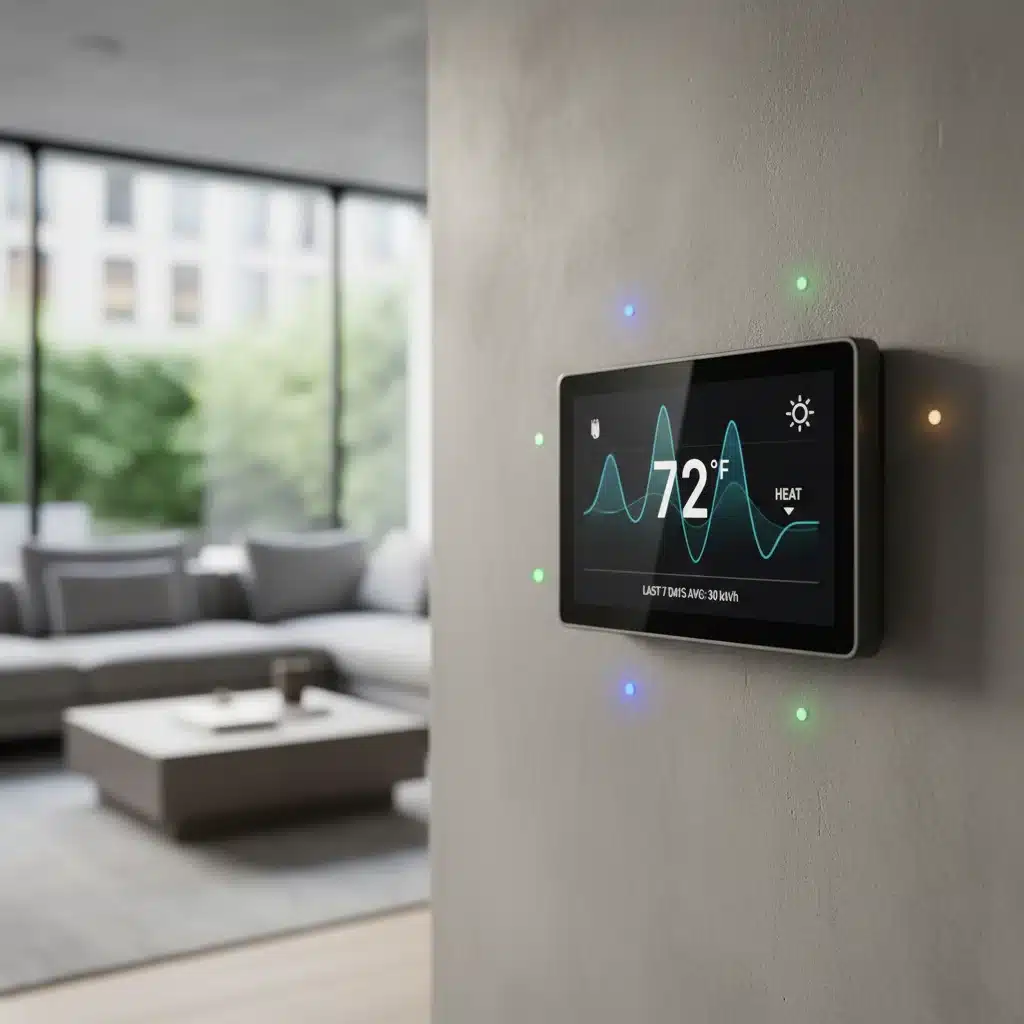
The landscape of our homes is undergoing a profound transformation, driven by the relentless march of technology. At the forefront of this revolution are smart appliances, devices designed not just to perform their primary functions but to integrate seamlessly into our lives, offering unprecedented convenience, efficiency, and control. As we cast our gaze towards 2026, a critical question emerges: will the titans of the smart appliance industry, Samsung and LG, continue to reign supreme, or are new contenders poised to challenge their dominance?
For years, Samsung and LG have been synonymous with innovation in home electronics. From their cutting-edge televisions to their powerful smartphones, these South Korean conglomerates have consistently pushed the boundaries of what’s possible. Their foray into smart appliances was a natural progression, leveraging their expertise in connectivity, display technology, and user experience. But the tech world is notoriously fickle, and market leadership is never guaranteed. This comprehensive review will delve into the current state of smart appliances, analyze the strategies of Samsung and LG, explore emerging trends, and ultimately, project their standing in the competitive arena of smart appliances 2026.
The Evolution of Smart Appliances: A Retrospective Glance
Before we peer into the future, it’s essential to understand the journey that brought us to the current generation of smart appliances. The concept of a ‘smart home’ has been around for decades, but it’s only in recent years that the technology has matured enough to become a practical reality for the average consumer. Early iterations of smart appliances were often clunky, expensive, and lacked true interoperability. They were more about novelty than genuine utility.
The turning point came with the advent of robust Wi-Fi connectivity, the proliferation of smartphones, and the development of sophisticated AI and voice assistants. These foundational technologies allowed appliances to communicate not just with each other but also with their users in intuitive ways. Refrigerators gained the ability to manage grocery lists, ovens could be preheated remotely, and washing machines could optimize cycles based on fabric type. Samsung and LG were quick to capitalize on these advancements, investing heavily in R&D to integrate these capabilities into their product lines.
Their initial offerings, while sometimes met with skepticism, laid the groundwork for the sophisticated ecosystems we see today. The focus shifted from simply adding internet connectivity to creating a truly integrated experience, where appliances could anticipate needs, offer personalized recommendations, and contribute to a more energy-efficient and convenient household. This historical context is crucial for understanding why these two brands have such a strong foothold in the market and why their future trajectory in smart appliances 2026 is so keenly watched.
Samsung’s Smart Appliance Ecosystem: Innovation and Interconnectivity
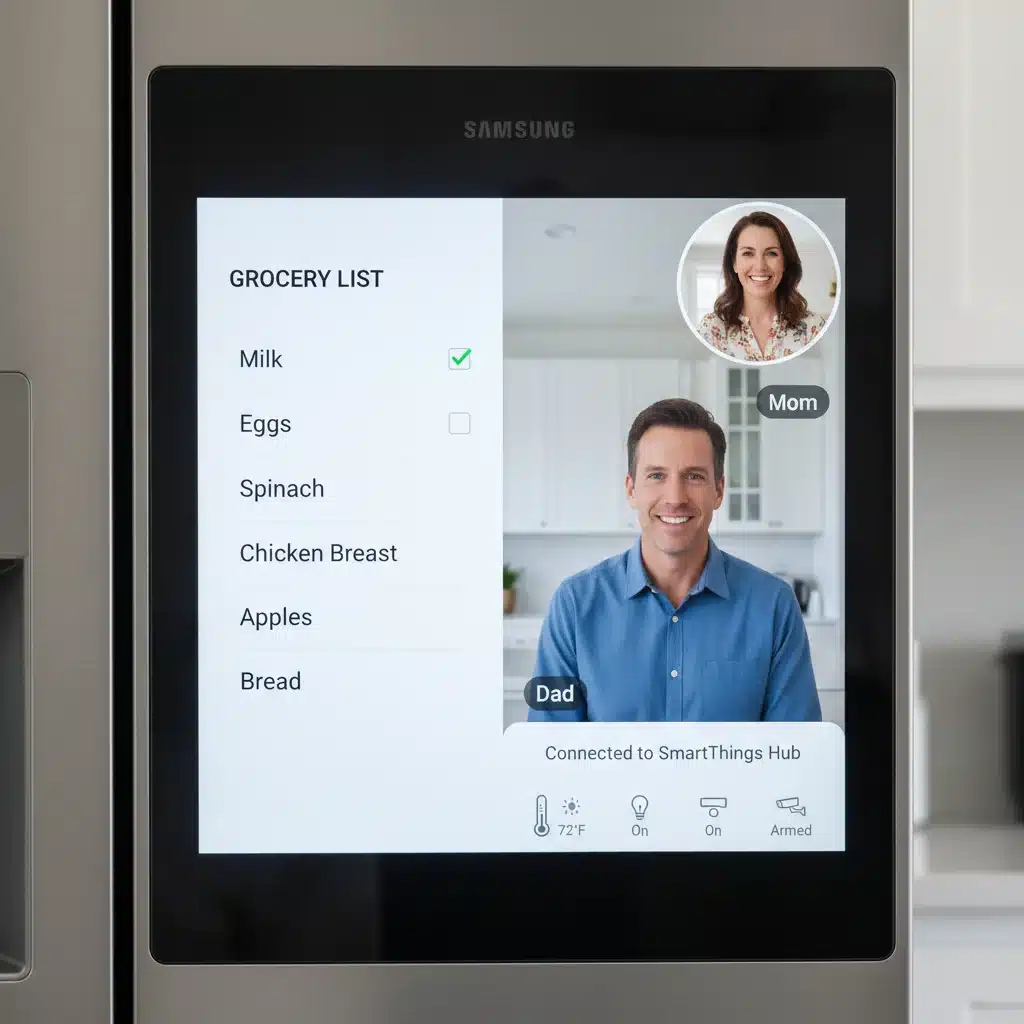
Samsung has consistently positioned itself as a leader in smart home technology, with its ‘SmartThings’ platform serving as the central nervous system for its diverse range of connected devices. In the realm of smart appliances 2026, Samsung’s strategy is likely to revolve around further enhancing this ecosystem, making it more intuitive, predictive, and personalized.
Key Samsung Smart Appliance Offerings:
- Family Hub Refrigerators: These are perhaps Samsung’s most recognizable smart appliances, featuring large touchscreens that act as command centers for the kitchen. Beyond food management (inventory, expiration dates, recipe suggestions), they offer entertainment, communication tools, and integration with other SmartThings devices. Expect more advanced AI for meal planning and even healthier eating suggestions by 2026.
- Smart Ovens and Cooktops: Samsung’s smart cooking appliances offer remote control, recipe guides, and integration with smart assistants. Future enhancements could include more precise temperature control through AI, automatic ingredient recognition, and even video monitoring of cooking progress.
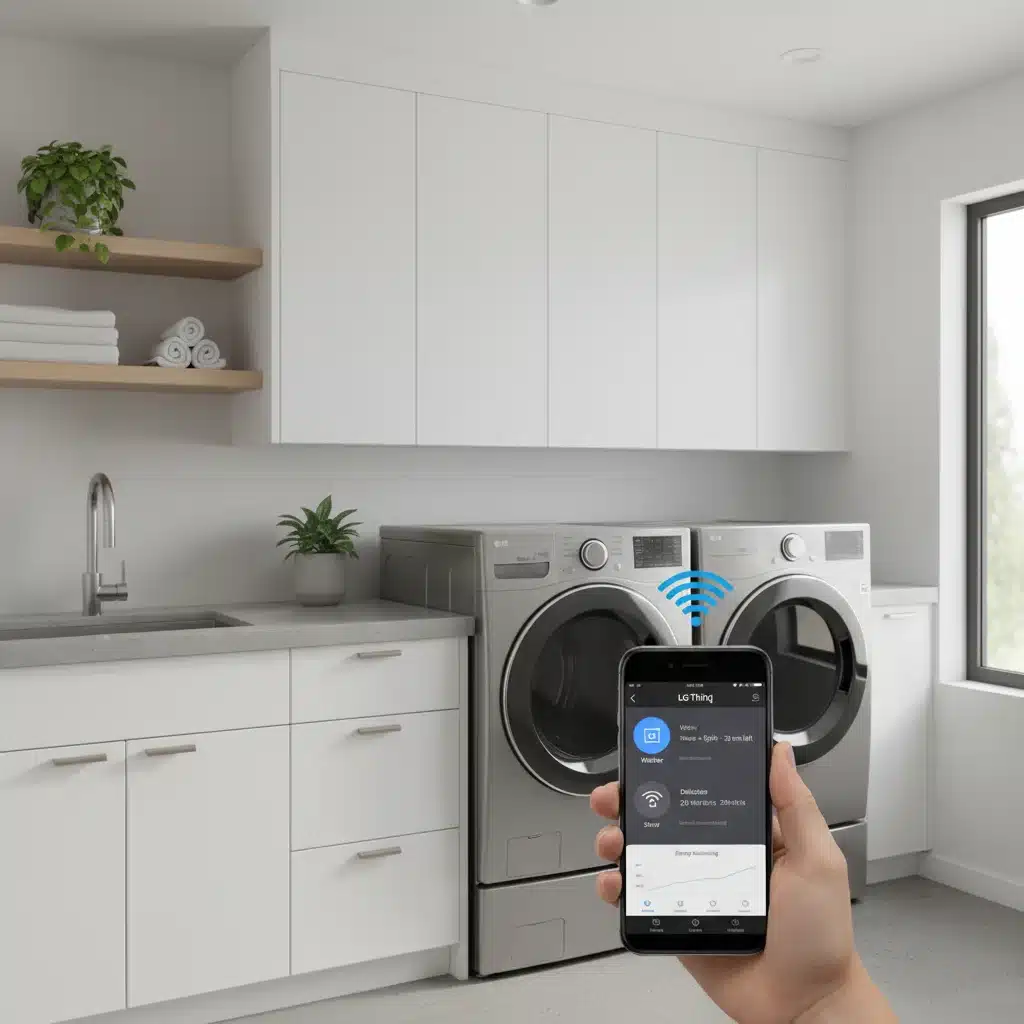
- Smart Laundry (Washers and Dryers): With features like AI OptiWash and AI Optimal Dry, Samsung’s laundry machines already offer intelligent cycle optimization. By 2026, we might see even greater water and energy efficiency, predictive maintenance, and seamless integration with smart home energy management systems.
- Smart Dishwashers and Robot Vacuums: These appliances are designed for convenience, offering remote operation and intelligent cleaning cycles. Future models could incorporate advanced sensors for better debris detection and more sophisticated navigation.
Samsung’s Competitive Edge for 2026:
Samsung’s strength lies in its vast product portfolio and its commitment to the SmartThings ecosystem. This allows for a truly interconnected home where devices can communicate and automate tasks seamlessly. Their investment in AI and machine learning will be crucial in making their appliances not just smart, but genuinely intelligent and proactive. The integration of Bixby, Samsung’s voice assistant, will also play a significant role in hands-free control and interaction. Furthermore, Samsung’s design prowess ensures that their smart appliances are not just functional but also aesthetically pleasing, fitting into modern home decor.
LG’s ThinQ Ecosystem: AI-Powered Home Solutions
LG, much like Samsung, has built a formidable presence in the smart appliance market, primarily through its ‘ThinQ’ platform. LG’s approach often emphasizes AI and intuitive user experiences, aiming to make daily life simpler and more efficient. As we look towards smart appliances 2026, LG’s focus will likely remain on enhancing the intelligence and responsiveness of its ThinQ-enabled devices.
Key LG Smart Appliance Offerings:
- InstaView Door-in-Door Refrigerators: These refrigerators combine the convenience of a transparent panel that illuminates with two knocks (allowing users to see inside without opening the door) with smart features like remote temperature control and proactive maintenance alerts. In 2026, expect advanced food recognition and even more personalized inventory management.
- LG STUDIO and Signature Kitchen Suite: These premium lines showcase LG’s cutting-edge technology, including smart ovens with ProBake Convection, induction cooktops, and integrated dishwashers. Future innovations might include AI-driven cooking algorithms that adapt to specific ingredients and preferences.
- AI DD Washers and Dryers: LG’s AI Direct Drive technology uses AI to detect fabric type and weight, optimizing wash patterns for better care. By 2026, this technology could evolve to even greater levels of precision, offering hyper-personalized laundry cycles and predictive maintenance based on usage patterns.
- CordZero Robot Vacuums and Air Purifiers: LG’s smart home cleaning and air quality solutions integrate with ThinQ for remote control and intelligent operation. Future models could feature enhanced mapping, obstacle avoidance, and even integration with smart home health monitoring systems.
LG’s Competitive Edge for 2026:
LG’s strength lies in its strong emphasis on AI and its commitment to creating a truly intuitive user experience. The ThinQ platform is designed to learn from user habits and provide proactive solutions, making daily tasks less burdensome. Their focus on durability and performance, coupled with innovative features like InstaView, gives them a distinct advantage. LG’s integration with Google Assistant and Amazon Alexa also provides users with flexible voice control options, catering to a broader audience. The company’s continued investment in OLED display technology could also translate into even more vibrant and interactive screens on their smart appliances.
Emerging Trends and Technologies Shaping Smart Appliances 2026
Beyond the individual strategies of Samsung and LG, several overarching trends will shape the entire smart appliance market by 2026. These trends represent both opportunities and challenges for existing players and potential new entrants.
1. Hyper-Personalization and Predictive Intelligence:
The future of smart appliances 2026 is deeply rooted in personalization. Appliances will move beyond simple automation to anticipate user needs based on learned behaviors, schedules, and even biometric data (with user consent). Imagine a refrigerator suggesting recipes based on expiring ingredients and your dietary preferences, or an oven preheating to the perfect temperature based on your commute home.
2. Enhanced Connectivity and Interoperability (Matter):
The ‘walled garden’ approach, where devices from different brands struggle to communicate, is slowly giving way to more open standards. The Matter protocol is poised to revolutionize smart home interoperability. By 2026, widespread adoption of Matter will mean that Samsung, LG, and other brands’ appliances can seamlessly communicate, regardless of manufacturer, creating a truly unified smart home experience. This is a game-changer for consumer choice and ecosystem flexibility.
3. Sustainability and Energy Efficiency:
With growing environmental concerns and rising energy costs, sustainability will be a major driver for smart appliance innovation. Appliances in 2026 will not only be more energy-efficient but will also integrate with smart grids to optimize energy consumption during off-peak hours. Features like intelligent water usage in laundry machines and dishwashers, and energy-saving modes in refrigerators, will become standard.
4. Health and Wellness Integration:
Smart appliances will increasingly play a role in promoting health and wellness. This could include refrigerators tracking nutritional intake, smart ovens suggesting healthier cooking methods, or air purifiers monitoring air quality and alerting users to potential allergens. The integration with wearable tech and health monitoring apps will create a holistic view of well-being within the home.
5. Advanced Sensors and AI Vision:
Improvements in sensor technology and AI-powered computer vision will enable appliances to ‘see’ and ‘understand’ their environment with greater precision. Refrigerators might identify specific food items, washing machines could detect stains, and ovens might monitor the doneness of food with unprecedented accuracy. This will lead to more autonomous and effective appliance operation.
6. Subscription Services and Software Upgrades:
The hardware purchase might just be the beginning. By 2026, we could see more subscription-based services tied to smart appliances, offering premium features, extended warranties, or personalized content. Software upgrades will continue to be crucial, adding new functionalities and improving existing ones over the lifespan of the appliance, much like smartphones today.
The Competitive Landscape: Who Else is Vying for Dominance?
While Samsung and LG hold significant market share, they are not without formidable competition. The smart appliance market is dynamic, with various players bringing their unique strengths to the table.
- Whirlpool and GE Appliances: These established American brands have been steadily integrating smart technology into their appliance lines. They leverage their brand recognition and extensive service networks. Their focus often leans towards practicality and reliability, appealing to a broad consumer base.
- Bosch and Miele: Known for their premium, high-performance appliances, these European brands are also embracing smart technology, often with an emphasis on precision engineering, durability, and sophisticated design. Their smart features often focus on optimizing performance and user control.
- Emerging Tech Companies: Companies like Google (Nest), Amazon (Alexa-enabled devices), and Apple (HomeKit) are not directly manufacturing a full suite of major appliances, but their smart home platforms and voice assistants are crucial enablers for the entire ecosystem. Their influence on interoperability and user experience is immense.
- Chinese Manufacturers (e.g., Haier, Hisense): These companies are rapidly expanding their global footprint, offering feature-rich smart appliances at competitive price points. Their aggressive market penetration strategies and continuous investment in R&D make them strong contenders in the long run.
The challenge for Samsung and LG in smart appliances 2026 will be to not only innovate within their own ecosystems but also to ensure seamless integration with broader smart home standards and platforms, maintaining their premium perception while remaining competitive on features and price.
Are Samsung and LG Still Leading in 2026? A Forecast
Based on their current trajectories, substantial investments in R&D, and strong brand recognition, it is highly probable that Samsung and LG will continue to be dominant forces in the smart appliances 2026 market. However, their leadership will be characterized by evolving strategies and heightened competition.
Samsung’s Outlook:
Samsung’s expansive SmartThings ecosystem and its integration across a wide range of devices (from TVs to smartphones to appliances) will be a key differentiator. Their ability to offer a truly connected living experience, coupled with continuous innovation in AI and display technology, will keep them at the forefront. Expect Samsung to push the boundaries of personalized experiences, predictive maintenance, and seamless automation, making the smart home feel less like a collection of gadgets and more like an intuitive, responsive environment.
LG’s Outlook:
LG’s emphasis on AI and intuitive user interfaces through its ThinQ platform will continue to resonate with consumers. Their commitment to making appliances smarter and more proactive in anticipating user needs will be a cornerstone of their strategy. LG’s focus on premium design and robust performance, especially in their Signature and STUDIO lines, will maintain their appeal in the high-end market. Their growing partnerships and integration with leading voice assistants will also ensure broad accessibility and ease of use.
Challenges and Opportunities for Both:
Both companies will face challenges related to data privacy and security, as smart appliances collect increasing amounts of personal information. Building and maintaining consumer trust in these areas will be paramount. The move towards open standards like Matter presents both an opportunity for greater market penetration and a challenge in differentiating their core offerings when interoperability becomes the norm. Furthermore, the rapid pace of technological change means continuous innovation is not just an advantage, but a necessity to stay ahead.
The rise of subscription models for advanced features could also be a double-edged sword, potentially generating new revenue streams but also risking consumer fatigue if not implemented thoughtfully. Ultimately, success for Samsung and LG in smart appliances 2026 will hinge on their ability to consistently deliver tangible value to consumers, moving beyond mere technological novelty to provide solutions that genuinely enhance daily life, save time, and reduce costs, all while ensuring a secure and private user experience.
The Consumer Perspective: What to Expect from Smart Appliances 2026
For the average consumer, the evolution of smart appliances by 2026 promises a home that is more responsive, efficient, and tailored to individual needs. Here’s what users can realistically expect:
- Effortless Automation: Less manual input, more automated routines. Your smart home will learn your habits and proactively manage tasks, from brewing coffee at your usual wake-up time to adjusting lighting based on natural light conditions.
- Energy and Cost Savings: Appliances will intelligently optimize their operation to consume less energy and water, potentially leading to noticeable reductions in utility bills. Integration with smart grids will further enhance this.
- Enhanced Convenience: Remote control, voice commands, and predictive features will free up time and simplify daily chores. Imagine your oven preheating as you leave work or your laundry being done at the most cost-effective time.
- Personalized Experiences: From customized recipe suggestions based on your dietary preferences and available ingredients to laundry cycles optimized for specific garments, appliances will offer a level of personalization previously unimaginable.
- Improved Home Health and Safety: Air purifiers will proactively clean the air, smart refrigerators will help manage food freshness to prevent waste and illness, and integrated security features will offer greater peace of mind.
- Seamless Integration: Thanks to standards like Matter, the frustration of incompatible devices will largely disappear, allowing consumers to build a smart home with their preferred brands and devices, knowing they will work together harmoniously.
The focus will shift from simply having ‘smart’ devices to living in a ‘smart’ home that truly understands and adapts to its occupants, making life simpler, more comfortable, and more sustainable. Samsung and LG, with their deep pockets and commitment to innovation, are well-positioned to deliver on these promises.
Conclusion: A Smart Future with Familiar Leaders
As we navigate towards 2026, the smart appliance market is set for continued rapid growth and innovation. While new players will undoubtedly emerge and competition will intensify, Samsung and LG are exceptionally well-prepared to maintain their leadership positions. Their extensive ecosystems, relentless pursuit of AI and connectivity, and strong brand loyalty provide them with a significant advantage.
Their strategies will likely focus on deepening the intelligence of their appliances, enhancing interoperability (especially through standards like Matter), and providing hyper-personalized user experiences that go beyond mere convenience. The emphasis will be on creating a truly intuitive and proactive smart home that seamlessly integrates into daily life, offering tangible benefits in terms of efficiency, sustainability, and well-being.
For consumers, this means a future where home appliances are not just tools but intelligent partners, actively contributing to a more comfortable, efficient, and enjoyable living environment. The race for dominance in smart appliances 2026 will be fascinating to watch, but all signs point to Samsung and LG continuing to lead the charge, shaping the homes of tomorrow with their vision and technological prowess.