
Smart Home Hubs: Unlocking Advanced Automation with Next-Gen Processing Power
In the rapidly evolving landscape of connected living, smart home automation hubs have emerged as the central nervous system for our technologically enhanced abodes. These unassuming devices are the unsung heroes that orchestrate the intricate dance of smart lights, thermostats, security cameras, and a myriad of other gadgets, transforming a collection of individual smart devices into a truly intelligent ecosystem. The latest generation of these hubs isn’t just an incremental upgrade; it represents a significant leap forward, offering up to 20% more processing power. This enhanced capability is not merely a number; it’s a gateway to more complex automations, faster response times, and a genuinely seamless smart home experience. Understanding the nuances of these advancements is crucial for anyone looking to optimize their smart home setup or embark on a new journey into intelligent living.
The Evolution of Smart Home Automation Hubs: From Simple Connectors to Intelligent Orchestrators
The journey of smart home automation hubs began with a relatively modest goal: to provide a single point of control for disparate smart devices. Early iterations primarily focused on compatibility and basic command execution. Imagine a remote control that could operate your smart lights and your smart thermostat – a convenience, certainly, but far from true automation. These initial hubs often struggled with device interoperability, leading to fragmented ecosystems where devices from different manufacturers often refused to communicate effectively. The processing power was sufficient for simple commands, such as turning a light on or off, or adjusting a thermostat to a preset temperature. However, as the number and complexity of smart devices grew, so too did the demand for more sophisticated control mechanisms.
The second wave of smart home hubs introduced more robust integration capabilities, often supporting multiple communication protocols like Zigbee, Z-Wave, and Wi-Fi. This allowed for a broader range of devices to be connected and controlled from a single interface. Users could start to create basic routines, such as ‘Good Morning’ scenes that would slowly brighten lights and adjust the thermostat. Yet, even these advancements had their limitations. The processing power, while improved, was still a bottleneck when it came to executing multiple conditional automations simultaneously or handling a large number of devices with low latency. Complex scenarios, such as adjusting lighting based on ambient light levels, motion detection, and time of day, often led to noticeable delays or even system crashes.
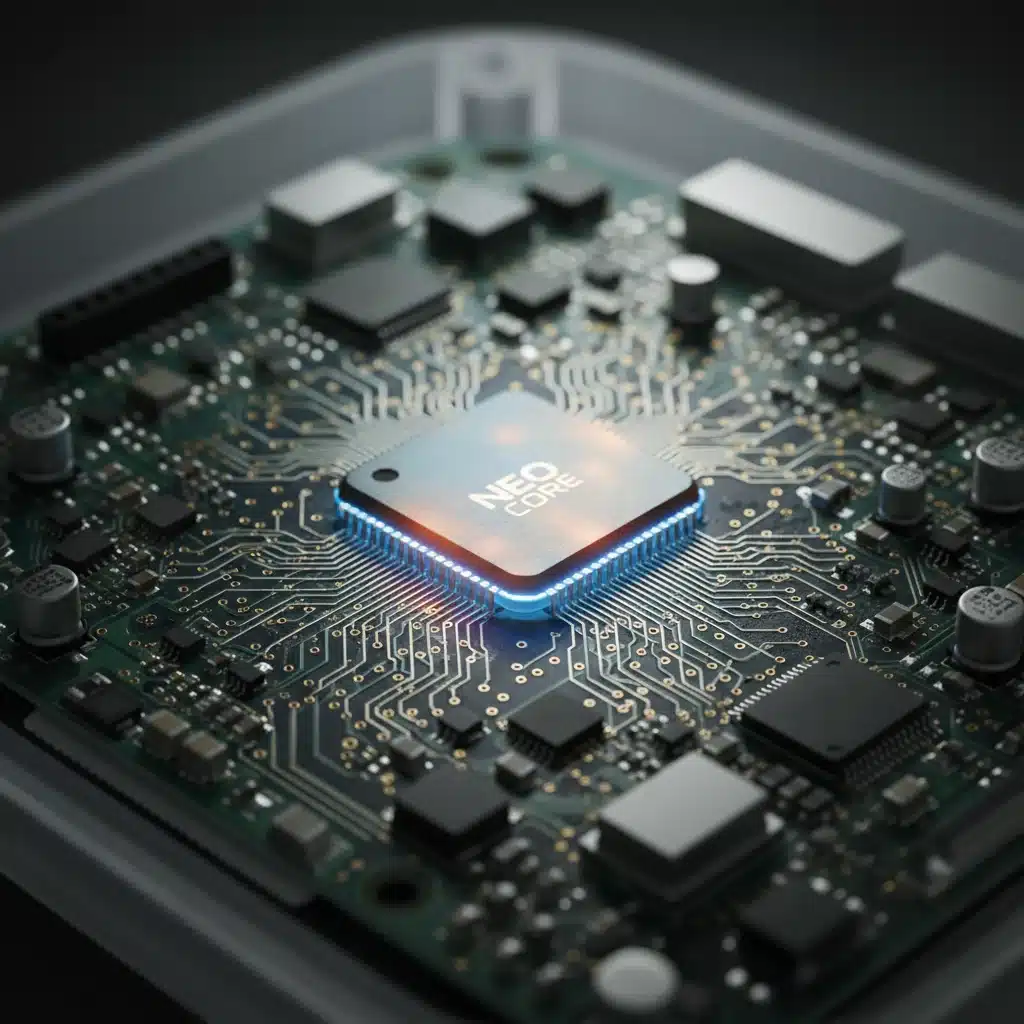
Today, we stand at the threshold of the next generation of smart home automation hubs, characterized by significantly boosted processing power. This increase, often around 20% or more, isn’t just about speed; it’s about enabling a new class of intelligent automations that were previously impractical. These hubs are designed to be proactive rather than merely reactive, capable of learning user preferences, anticipating needs, and executing intricate sequences of events with remarkable precision and speed. They are built to handle the increasing demands of a truly interconnected home, where every device contributes to a unified, intelligent experience. This leap in processing capability directly translates into a more reliable, responsive, and ultimately, a more intelligent smart home.
Why More Processing Power Matters: Beyond Basic Commands
When discussing smart home technology, the term ‘processing power’ might seem abstract, but its impact on your daily experience with smart home automation hubs is profoundly tangible. Think of your smart home as a miniature city, and the hub as its central traffic controller. The more traffic (data from devices, complex routines) it needs to manage, the more powerful its processor needs to be to prevent bottlenecks and ensure smooth operation. The 20% increase in processing power in the latest generation of hubs isn’t just a marketing gimmick; it addresses several critical areas:
Enhanced Responsiveness and Reduced Latency
One of the most frustrating aspects of early smart home systems was the delay between issuing a command and a device responding. You’d tell your smart speaker to turn on the lights, and there would be a noticeable pause. With increased processing power, these delays are significantly minimized. Commands are processed faster, and signals are sent to devices almost instantaneously. This means your lights respond the moment you speak, your doors lock without hesitation, and your security cameras begin recording precisely when triggered. This responsiveness is crucial for creating a truly intuitive and seamless interaction with your smart home.
Handling Complex Multi-Device Automations
Modern smart homes are no longer about single device control; they’re about intricate automations involving multiple devices and conditional logic. Consider a ‘Movie Night’ scene: dimming the lights, closing the blinds, lowering the thermostat, turning on the TV and sound system, all triggered by a single voice command or button press. A hub with limited processing power might struggle to execute all these actions concurrently, leading to staggered responses or even missed commands. The latest smart home automation hubs, with their enhanced capabilities, can handle these complex, multi-step automations with ease, ensuring all actions happen in perfect synchronicity.
Local Processing for Speed and Security
Many smart home hubs rely on cloud processing for complex tasks. While convenient, this introduces latency and raises privacy concerns. The increased processing power in new hubs allows for more tasks to be handled locally on the device itself. This ‘edge computing’ approach means that automations can execute faster because they don’t need to send data to the cloud and wait for a response. Furthermore, processing data locally enhances security and privacy, as sensitive information remains within your home network rather than being transmitted to external servers. This is a significant advantage for critical automations like security systems and access control.
Advanced AI and Machine Learning Capabilities
The future of smart homes lies in proactive intelligence. With greater processing power, smart home automation hubs can embed more sophisticated AI and machine learning algorithms. This allows hubs to learn your habits and preferences over time, anticipating your needs and adjusting settings automatically. For example, a hub could learn your preferred lighting levels at different times of the day, or optimize energy consumption based on your occupancy patterns and local weather forecasts. This level of predictive automation requires substantial computational resources, which the latest generation of hubs is now equipped to provide.
Key Features and Technologies Driving the Latest Smart Home Automation Hubs
The advancement in processing power isn’t happening in a vacuum; it’s complemented by several other technological innovations that collectively define the next generation of smart home automation hubs. These features work hand-in-hand with increased processing power to deliver a superior smart home experience.
Multi-Protocol Support (Matter, Thread, Zigbee, Z-Wave, Wi-Fi, Bluetooth)
One of the biggest hurdles in smart home adoption has been the fragmentation of communication protocols. A device might use Zigbee, another Z-Wave, and yet another Wi-Fi. Modern hubs are becoming true universal translators, supporting a wider array of protocols natively. The introduction of new standards like Matter and Thread is particularly exciting. Matter aims to provide a unified communication standard across manufacturers, while Thread offers a robust, self-healing mesh network for low-power devices. Hubs supporting these new protocols, combined with enhanced processing, ensure seamless interoperability and future-proofing your smart home.
Edge Computing and Local Processing
As mentioned, the ability to perform more computations locally, at the ‘edge’ of your network, is a game-changer. This reduces reliance on cloud services, leading to faster response times, improved reliability (even if your internet goes down, basic automations can still function), and enhanced privacy. The extra processing power directly enables this shift, allowing hubs to run more complex algorithms and store more data on-device.
Enhanced Security Features
With more devices connected and more data being processed, security is paramount. The latest smart home automation hubs come with advanced encryption, secure boot processes, and regular firmware updates to protect against vulnerabilities. The increased processing power allows for more robust encryption algorithms and real-time threat detection, providing greater peace of mind for users.
Energy Efficiency
Despite the increase in processing power, many modern hubs are designed with energy efficiency in mind. Advanced chip architectures allow for powerful performance without significant increases in power consumption. This is important for devices that are constantly running and for minimizing their environmental footprint.
User-Friendly Interfaces and AI Assistants
While not directly tied to raw processing power, the user experience is greatly enhanced by it. More powerful hubs can run more sophisticated operating systems and user interfaces, making setup and management easier. Integration with AI assistants like Amazon Alexa, Google Assistant, and Apple HomeKit is also more seamless, allowing for natural language control and more intelligent responses.
Real-World Impact: How Enhanced Processing Transforms Your Smart Home
The theoretical benefits of increased processing power in smart home automation hubs translate into tangible improvements in your daily life. Let’s explore some real-world scenarios where this advancement makes a significant difference:
Hyper-Personalized Environments
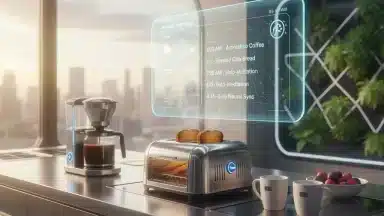
Imagine a smart home that truly understands your preferences. With advanced processing, your hub can analyze patterns of light, temperature, and sound, adjusting your environment proactively. As you wake up, the blinds slowly open, the lights gently brighten to your preferred hue and intensity, and your coffee machine starts brewing – all based on your typical wake-up time, light levels outside, and even your calendar. This level of personalization moves beyond simple schedules to truly adaptive living.
Robust Security Systems
A security system powered by a high-performance hub is far more effective. It can simultaneously monitor multiple camera feeds, process motion sensor data, and analyze sound anomalies in real-time. If an intrusion is detected, the hub can instantly trigger alarms, activate floodlights, lock doors, and send notifications to your phone, potentially even contacting emergency services. The speed and reliability of these actions are critical in security situations.
Seamless Multi-Room Audio and Video
For entertainment enthusiasts, the ability of smart home automation hubs to orchestrate multi-room audio and video experiences is a major plus. Start a movie in the living room, pause it, and resume it in the bedroom with perfect synchronization. Or play different music in different zones, all controlled effortlessly from a single interface. This requires significant processing to manage multiple high-bandwidth streams and ensure latency-free playback across devices.
Advanced Energy Management
Beyond basic thermostat control, next-gen hubs can intelligently manage your home’s energy consumption. By integrating with smart meters, solar panels, and smart appliances, the hub can optimize energy usage based on peak/off-peak rates, solar generation, and your occupancy. It can learn when you’re home and away, adjusting HVAC and lighting to minimize waste without sacrificing comfort. This level of sophisticated energy optimization relies heavily on the hub’s ability to process vast amounts of data and execute complex algorithms quickly.
Choosing the Right Smart Home Automation Hub for Your Needs
With the increasing sophistication of smart home automation hubs, selecting the right one can feel daunting. Here are key factors to consider, especially in light of the new generation’s capabilities:
Compatibility and Ecosystem
Before anything else, consider the devices you already own or plan to purchase. Does the hub support the communication protocols (Zigbee, Z-Wave, Wi-Fi, Thread, Matter) that your devices use? Is it compatible with your preferred voice assistant (Alexa, Google Assistant, HomeKit)? Opting for a hub that embraces open standards like Matter and Thread will offer the best long-term compatibility.
Processing Power and Local Control
If complex automations, speed, and privacy are priorities, prioritize hubs with higher processing power and robust local processing capabilities. Look for specifications that highlight CPU speed and RAM, even if specific numbers aren’t always readily available. Reviews often indicate how responsive a system is under heavy load.
User Interface and Ease of Use
A powerful hub is only as good as its usability. Look for intuitive mobile apps and clear setup processes. Consider whether you prefer a hub with a touchscreen interface or one that is primarily controlled via an app or voice commands.
Scalability and Future-Proofing
Your smart home will likely grow over time. Choose a hub that can easily accommodate new devices and evolving technologies. Support for emerging standards like Matter is a strong indicator of future-proofing.
Security and Privacy Features
Investigate the hub’s security protocols, encryption methods, and privacy policies. Does the manufacturer offer regular firmware updates? Is data processed locally or in the cloud? These are critical questions for safeguarding your home and personal information.
Cost and Value
While initial cost is a factor, consider the long-term value. A more expensive hub that offers superior performance, reliability, and future compatibility might save you money and frustration in the long run compared to a cheaper, less capable alternative.
The Future of Smart Home Automation Hubs: Even Smarter Living Ahead
The journey of smart home automation hubs is far from over. The current generation’s leap in processing power is just a stepping stone to even more intelligent and autonomous homes. We can anticipate several exciting developments on the horizon:
- Proactive Maintenance and Diagnostics: Hubs will become adept at monitoring the health of your smart devices, predicting potential failures, and even ordering replacements or scheduling maintenance automatically.
- Deeper AI Integration: Expect hubs to integrate even more deeply with advanced AI, offering truly personalized experiences that adapt to your mood, health metrics, and even external events like traffic or weather changes.
- Enhanced Sensory Integration: Beyond traditional sensors, hubs will leverage more advanced environmental sensing (air quality, humidity, soundscapes) to create truly holistic and healthy living spaces.
- Energy Positive Homes: Hubs will play a central role in managing microgrids within homes, optimizing energy storage, consumption, and even selling excess energy back to the grid.
- Seamless Human-Robot Interaction: As home robotics become more prevalent, the hub will serve as the central coordinator, ensuring smooth interaction between robotic assistants, smart appliances, and human occupants.
The increase in processing power in the latest smart home automation hubs is not just an incremental improvement; it’s a foundational shift that enables a new era of complex automations, enhanced responsiveness, and deeper intelligence. For anyone serious about building a truly smart, efficient, and responsive home, understanding and embracing these advancements is key. By choosing a hub that leverages this next-gen power, you’re not just buying a device; you’re investing in a future where your home works harder and smarter for you, anticipating your needs and seamlessly enhancing your daily life.