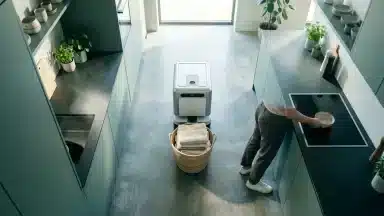

In an increasingly fast-paced world, the quest for efficiency and convenience often begins the moment we wake up. Imagine a morning where your coffee brews itself as your bedroom lights gently brighten, your favorite news podcast starts playing, and your home thermostat adjusts to your preferred comfort level – all without you lifting a finger. This isn’t a distant future; it’s the promise of a truly integrated smart home morning routine, and it’s more attainable than ever. By January 2026, you could transform your chaotic mornings into a symphony of automated bliss.
This comprehensive guide will walk you through the essential steps to design, implement, and optimize a flawless smart home morning routine. We’ll delve into everything from selecting the right devices and platforms to crafting intricate routines that cater specifically to your lifestyle. Whether you’re a seasoned smart home enthusiast or just starting your journey, prepare to unlock the full potential of automation and reclaim your mornings.
Understanding the Core of Your Smart Home Morning Routine
Before diving into specific devices and configurations, it’s crucial to understand what a smart home morning routine entails and why it’s beneficial. At its heart, a smart home morning routine is a sequence of automated actions performed by your connected devices, triggered by a specific event (like an alarm, a set time, or even your presence) to streamline your wake-up process.
Why Automate Your Morning?
- Reduced Stress: Eliminates the rush and mental checklist of daily tasks.
- Increased Efficiency: Saves time by performing multiple actions simultaneously.
- Personalized Comfort: Your home adapts to your preferences, from lighting to temperature.
- Energy Savings: Smart scheduling can ensure devices only operate when needed.
- Improved Well-being: A smoother start to the day can positively impact mood and productivity.
Key Components of a Smart Home Morning Routine
A successful smart home morning routine typically involves a combination of:
- Smart Hub/Controller: The central brain (e.g., Amazon Echo, Google Nest Hub, Apple HomeKit, Samsung SmartThings) that orchestrates all your devices.
- Smart Lighting: Dimmable bulbs, light strips, or smart switches that can be scheduled or triggered.
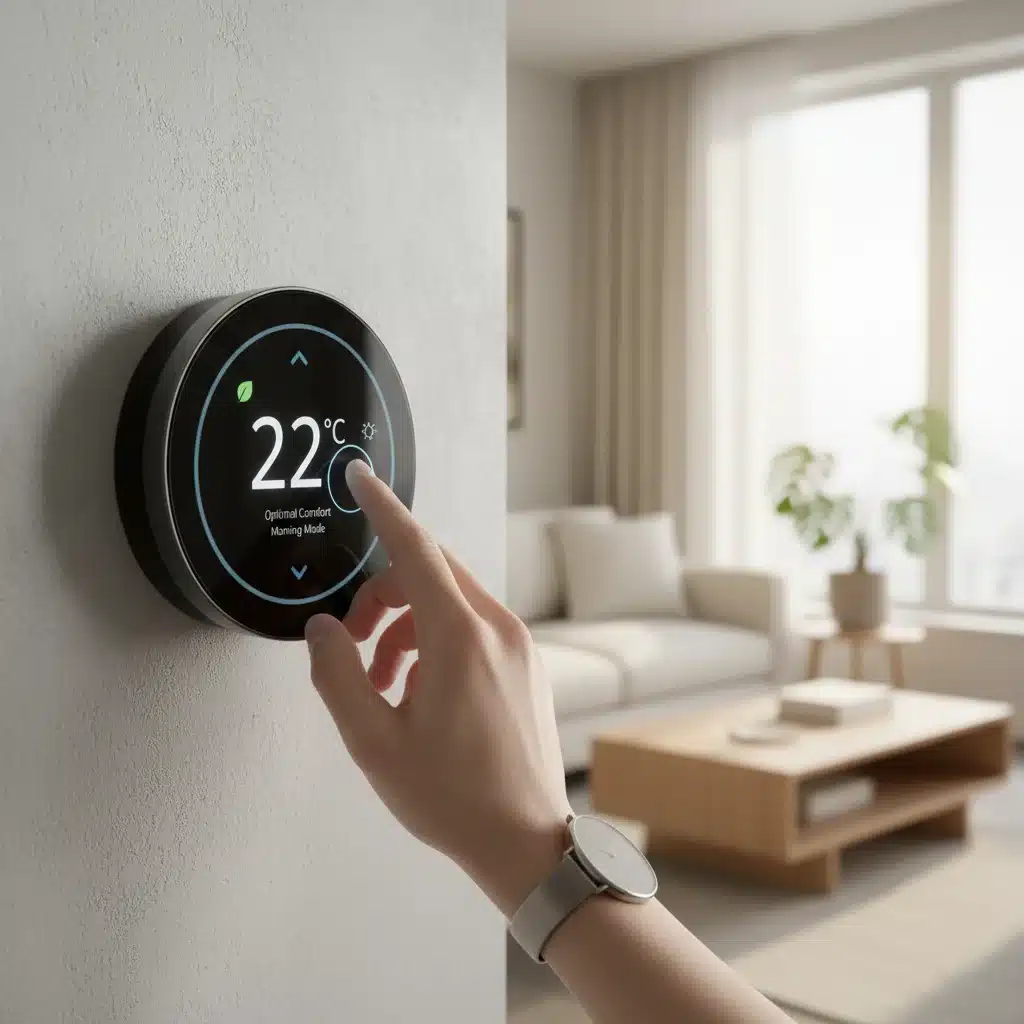
- Smart Thermostat: For pre-heating or cooling your home to a comfortable temperature.
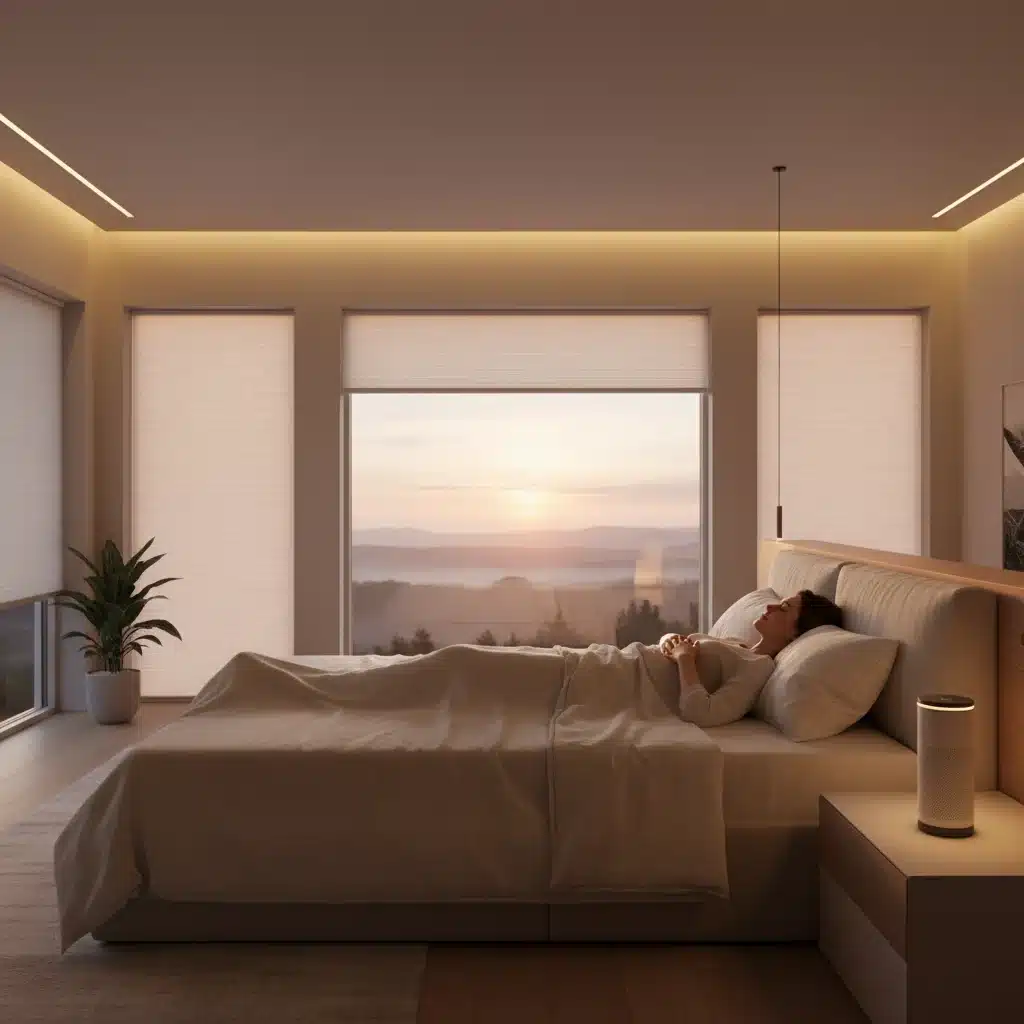
- Smart Blinds/Curtains: To let in natural light at the perfect moment.
- Smart Plugs: To automate ‘dumb’ appliances like coffee makers, toasters, or bedside lamps.
- Smart Speakers: For alarms, news briefings, music, and voice control.
- Smart Security (Optional): Disarming alarms or unlocking smart locks as part of your routine.
Phase 1: Planning Your Ideal Smart Home Morning Routine
The first and most critical step in building a flawless smart home morning routine is meticulous planning. Don’t jump straight into buying gadgets. Instead, envision your perfect morning.
Step 1: Map Out Your Current Morning
Grab a pen and paper or open a digital document. Write down every single action you perform from the moment you wake up until you leave the house. Be as detailed as possible. Include:
- What time do you wake up?
- What’s the first thing you do? (e.g., hit snooze, check phone, turn on light)
- What’s your coffee/tea ritual?
- Do you listen to news/music?
- What’s your ideal temperature?
- What lights do you turn on?
- Any specific tasks (e.g., feeding pets, checking weather)?
Step 2: Identify Automation Opportunities
Review your mapped-out morning. For each action, ask yourself: “Can a smart device do this for me, or make it easier?”
- Waking Up: Can smart lights simulate a sunrise? Can a smart speaker play a gentle alarm and then a news briefing?
- Coffee/Tea: Can a smart plug automate your coffee maker?
- Comfort: Can a smart thermostat pre-heat/cool your home? Can smart blinds open automatically?
- Information: Can a smart display show your calendar, weather, and traffic?
Step 3: Define Your Desired Routine Flow by January 2026
Based on your automation opportunities, sketch out your ideal smart home morning routine. Think about the sequence of events and their timing. For example:
- 6:30 AM: Smart lights (bedroom) gradually brighten to 20%.
- 6:35 AM: Smart speaker plays calming music.
- 6:45 AM: Smart blinds open. Bedroom lights brighten to 50%. Thermostat adjusts to 72°F.
- 6:50 AM: Smart plug activates coffee maker in the kitchen.
- 7:00 AM: Smart speaker gives a news briefing and weather update. Kitchen lights turn on.
- 7:30 AM: ‘Leaving Home’ routine initiated (lights off, thermostat adjusts to away setting, doors lock – if applicable).
Phase 2: Selecting the Right Smart Home Devices and Platform
With a clear plan in hand, it’s time to choose the technology that will bring your smart home morning routine to life. Compatibility is key here.
Step 1: Choose Your Smart Home Ecosystem
This is arguably the most important decision. Your ecosystem will be the backbone of your automation. Popular choices include:
- Amazon Alexa (Echo devices): Wide device compatibility, excellent voice control, extensive routines.
- Google Home/Assistant (Nest devices): Strong AI integration, great for information retrieval, good device compatibility.
- Apple HomeKit: Focus on privacy and security, seamless integration with Apple devices, but generally fewer compatible devices and often higher price points.
- Samsung SmartThings: Very versatile hub, supports a wide range of protocols (Zigbee, Z-Wave), great for advanced users.
- Hubitat Elevation: Local control (doesn’t rely on the cloud), excellent for privacy and reliability, steeper learning curve.
Pick one ecosystem and try to stick with devices that are compatible with it to minimize complexity and ensure smooth integration.
Step 2: Select Smart Devices for Your Routine
Based on your desired routine, acquire the necessary smart devices. Prioritize reliability and compatibility with your chosen ecosystem.
- Smart Lights: Philips Hue (premium, excellent color), Sengled, Govee, Wyze. Look for bulbs with adjustable color temperature for simulating sunrise.
- Smart Plugs: TP-Link Kasa, Wyze, Amazon Smart Plug, Gosund. Ensure they can handle the wattage of your appliances (especially coffee makers).
- Smart Thermostat: Nest Thermostat, Ecobee SmartThermostat, Honeywell Home. Consider features like learning capabilities and remote sensors.
- Smart Blinds/Curtains: IKEA FYRTUR/KADRILJ, Lutron Serena, Somfy. These can be a significant investment but offer unparalleled convenience.
- Smart Speakers/Displays: Amazon Echo Dot/Show, Google Nest Mini/Hub. These act as your voice interface and can trigger routines.
Phase 3: Implementing and Configuring Your Smart Home Morning Routine
Now for the exciting part: bringing your smart home morning routine to life! This involves setting up devices and creating automation rules.
Step 1: Install and Connect Your Devices
Follow the manufacturer’s instructions to install each smart device. Most modern devices are designed for easy setup via their respective apps. Ensure all devices are connected to your home Wi-Fi network and linked to your chosen smart home ecosystem (e.g., Alexa app, Google Home app, HomeKit app).
Step 2: Create Your Morning Routine (Automation)
This is where the magic happens. Every smart home ecosystem has a way to create routines or automations. The exact steps vary, but the concept is similar:
- Choose a Trigger: This is what starts your routine. Common triggers for a smart home morning routine include:
- Time-based: “At 6:30 AM every weekday.”
- Alarm-based: “When my 6:45 AM alarm dismisses.” (Common with Google Assistant/Nest)
- Presence-based: “When my phone connects to the home Wi-Fi after 6 AM.” (More advanced)
- Define Actions: These are the tasks your smart devices will perform. Add actions in the desired sequence and with appropriate delays.
- “Turn on bedroom lights to 20% brightness, warm white.”
- “Wait 5 minutes.”
- “Play ‘Morning Chill’ playlist on Spotify on bedroom speaker.”
- “Open smart blinds 75%.”
- “Set living room thermostat to 72°F.”
- “Wait 10 minutes.”
- “Turn on smart plug for coffee maker.”
- “Broadcast ‘Good morning, the coffee is brewing!’ on all speakers.”
- Add Conditions (Optional but Recommended): For example, “Only run this routine if it’s a weekday.” or “Only if someone is home.”
Pro Tip: Start simple. Create a basic routine first, then add more actions and complexities as you get comfortable.
Step 3: Personalize and Refine
Don’t be afraid to experiment! Adjust timings, brightness levels, music choices, and device settings until your smart home morning routine feels just right. This iterative process is crucial for achieving a truly flawless experience.
Phase 4: Advanced Optimizations for Your Smart Home Morning Routine by January 2026
Once your basic routine is functional, you can explore advanced features to make your mornings even smoother and more intelligent. Aim to have these optimizations in place by January 2026.
Integration with Other Services
Many smart home platforms integrate with external services to pull in useful information:
- Calendar Integration: Have your smart speaker read out your schedule for the day.
- Weather Updates: Get the current weather forecast as part of your morning briefing.
- Traffic Reports: Receive personalized commute times based on your location and destination.
- News Briefings: Configure your preferred news sources to play automatically.
Conditional Automations
Elevate your routines with conditions. For example:
- “If it’s raining, play a different news briefing about local road conditions.”
- “If the outside temperature is below 40°F, set the thermostat 2 degrees higher.”
- “If I have an early meeting (checked via calendar), start the routine 30 minutes earlier.”
Leveraging Sensors
Motion sensors, contact sensors, and ambient light sensors can add another layer of intelligence to your smart home morning routine:
- Motion Sensor in Bathroom: Turn on a dim light when you enter the bathroom in the morning.
- Contact Sensor on Bedroom Door: Pause music when you leave the bedroom, resume in the kitchen.
- Ambient Light Sensor: Adjust light brightness based on natural light levels, ensuring energy efficiency.
Voice Control Overrides
While automation is great, sometimes you need manual control. Ensure your routine can be easily overridden or adjusted via voice commands. For instance, “Hey Google, skip morning news” or “Alexa, dim the bedroom lights.”
Creating ‘Leaving Home’ and ‘Arriving Home’ Routines
A truly flawless morning extends to your departure. Create a complementary ‘Leaving Home’ routine:
- Turn off all lights.
- Adjust thermostat to an energy-saving ‘away’ setting.
- Lock smart doors.
- Arm security system.
Similarly, an ‘Arriving Home’ routine can prepare your home for your return, making the transition back seamless.
Troubleshooting Common Smart Home Morning Routine Issues
Even with the best planning, you might encounter hiccups. Here are some common issues and their solutions:
Issue 1: Devices Not Responding or Disconnecting
- Solution: Check Wi-Fi signal strength. Reboot your router and modem. Update device firmware. Ensure devices are within range of your smart hub (if applicable).
Issue 2: Routine Not Triggering or Running Incorrectly
- Solution: Double-check the trigger conditions (time, day of the week, alarm setting). Review the sequence of actions and any delays. Ensure all devices involved are online and connected.
Issue 3: Latency or Slow Response Times
- Solution: A crowded Wi-Fi network can cause delays. Consider upgrading your router or using a mesh Wi-Fi system. For critical automations, consider devices that use local control (e.g., Zigbee/Z-Wave via SmartThings or Hubitat) rather than relying solely on cloud services.
Issue 4: Voice Commands Not Understood
- Solution: Speak clearly and at a normal pace. Ensure your smart speaker’s microphone isn’t obstructed. Retrain your voice model in the app if available. Simplify routine names for easier recall.
The Future of Your Smart Home Morning Routine Beyond January 2026
The smart home landscape is constantly evolving. By January 2026, we can expect even more sophisticated integrations and AI-driven capabilities. Here’s a glimpse into what the future might hold for your smart home morning routine:
Predictive Automation
AI will increasingly learn your habits and preferences, proactively adjusting your routine. For example, if traffic is unusually heavy, your smart home might suggest an earlier wake-up or automatically adjust your morning briefing to include alternative routes.
Health and Wellness Integration
Wearable devices could integrate more deeply, triggering routines based on your sleep quality, heart rate, or even stress levels. Imagine your home gently waking you up at the optimal point in your sleep cycle, or playing calming sounds if it detects you’re stressed.
Seamless Multi-Room Experiences
As you move through your home, routines will follow you more seamlessly. Lights, music, and temperature will adjust from room to room without explicit triggers, creating a truly fluid environment.
Enhanced Security and Privacy
With greater automation comes a need for robust security. Future smart homes will feature even stronger encryption, local processing of sensitive data, and more transparent privacy controls to protect your personal information.
Energy Optimization
Advanced AI will fine-tune energy consumption, not just turning off lights, but optimizing heating/cooling based on real-time occupancy, weather forecasts, and even electricity pricing, leading to significant savings.
Conclusion: Embrace the Automated Dawn
Creating a flawless smart home morning routine is an investment – an investment in your time, your peace of mind, and your overall well-being. By meticulously planning, selecting the right devices, and diligently configuring your automations, you can transform your mornings from a hurried scramble into a serene, efficient, and enjoyable start to your day.
Don’t wait. Start mapping out your ideal morning today, choose your ecosystem, and begin building the automated future you envision. By January 2026, your smart home won’t just be a collection of devices; it will be a perfectly choreographed assistant, ensuring every morning is a testament to modern convenience and effortless living. Embrace the automated dawn, and experience the profound difference it makes.