In an era where every household seeks to optimize expenses and reduce its environmental footprint, smart home technologies are no longer just luxuries but essential tools for modern living. Among these, the smart thermostat stands out as a powerful device capable of delivering tangible financial benefits and significant energy savings. As we look towards 2026, understanding the smart thermostat ROI becomes paramount for homeowners and property managers alike. This comprehensive guide will explore how investing in a smart thermostat can lead to an impressive 15% annual energy saving, detailing the features, benefits, and practical steps to maximize your return on investment.
The Rise of Smart Thermostats: More Than Just Temperature Control
Gone are the days of basic programmable thermostats. Modern smart thermostats offer a sophisticated blend of artificial intelligence, connectivity, and user-friendly interfaces to revolutionize how we manage our home’s climate. These devices learn your preferences, adapt to your schedule, and even respond to external factors like weather forecasts, all to ensure optimal comfort and unparalleled energy efficiency. The concept of smart thermostat ROI isn’t just about saving a few dollars; it’s about making a strategic investment in your home’s future and contributing to a more sustainable planet.
Understanding the fundamental shift from traditional to smart thermostats is crucial. Traditional thermostats, even programmable ones, often operate on a ‘set it and forget it’ principle that doesn’t account for real-time changes in occupancy, external weather conditions, or even varying utility rates. Smart thermostats, on the other hand, are dynamic. They are designed to be intuitive, responsive, and ultimately, more economical. This inherent intelligence is what drives their ability to deliver substantial energy savings, making the smart thermostat ROI a compelling proposition.
Key Features Driving Smart Thermostat ROI
To truly appreciate the financial advantages, it’s essential to understand the core functionalities that make smart thermostats so effective in reducing energy consumption. These features collectively contribute to the impressive smart thermostat ROI:
- Learning Capabilities: Many smart thermostats, like the Nest Learning Thermostat, observe your habits over time. They learn when you’re home, when you’re away, and what temperatures you prefer at different times of the day. This eliminates the need for manual programming and ensures your HVAC system isn’t running unnecessarily.
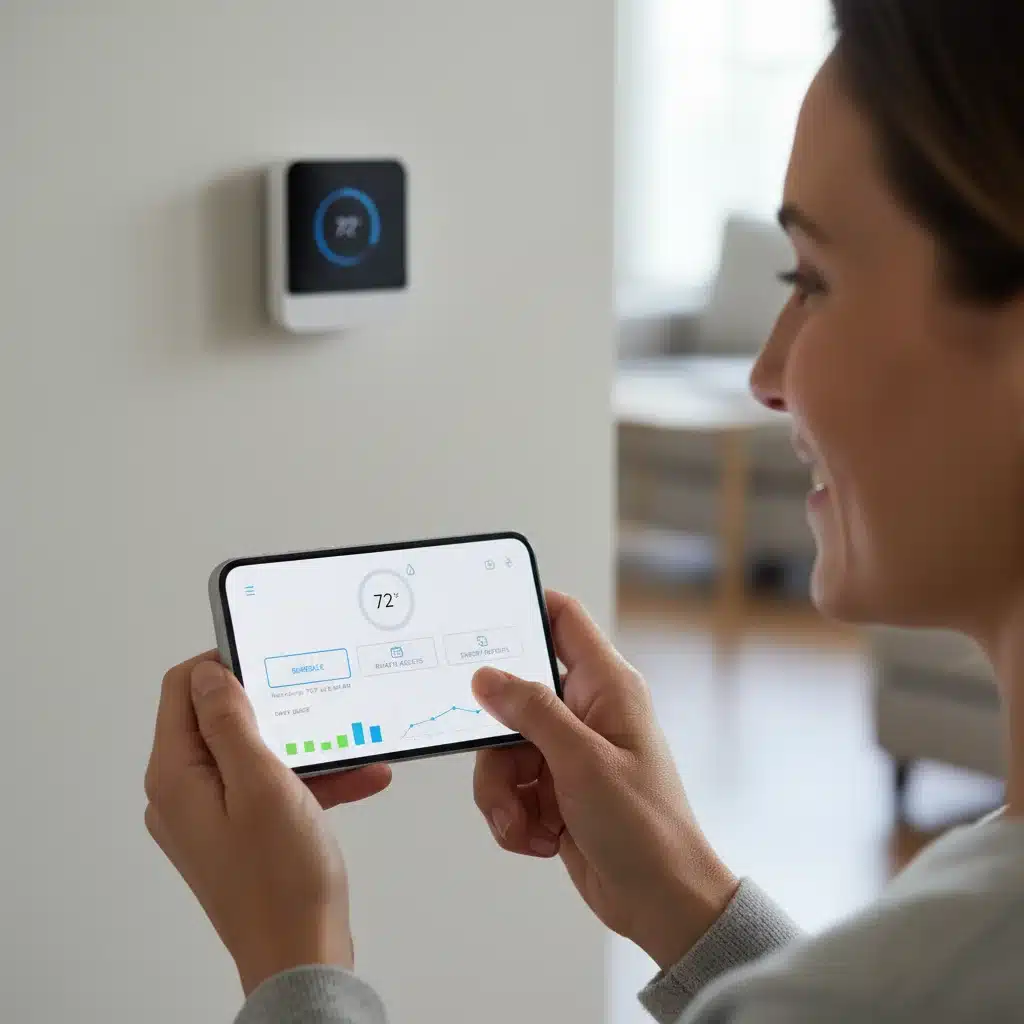
- Remote Access and Control: With a smartphone app, you can adjust your home’s temperature from anywhere in the world. Forgot to turn off the AC before leaving for vacation? No problem. This feature is invaluable for preventing wasted energy and maximizing your smart thermostat ROI.
- Geofencing: This technology uses your smartphone’s location to determine if you’re home or away. As you leave a predefined perimeter, the thermostat can automatically adjust to an energy-saving temperature. As you return, it can begin heating or cooling your home to your preferred comfort level, ensuring you never waste energy conditioning an empty house.
- Energy Reporting and Insights: Smart thermostats provide detailed reports on your energy usage, often broken down by day, week, or month. These insights help you identify patterns, understand where energy is being consumed, and make informed decisions to further optimize your settings, directly impacting your smart thermostat ROI.
- Integration with Smart Home Ecosystems: Many smart thermostats seamlessly integrate with other smart home devices, such as smart lights, door locks, and voice assistants (e.g., Amazon Alexa, Google Assistant). This creates a more cohesive and automated home environment, where different systems work together to enhance comfort and efficiency.
- Occupancy Sensors: Some advanced models incorporate sensors that detect presence in a room. If a room is consistently empty, the thermostat can adjust its heating or cooling to conserve energy in that zone.
- Weather Awareness: By connecting to local weather forecasts, smart thermostats can preemptively adjust settings. For instance, if a cold front is expected, it might slightly pre-heat your home to avoid a sudden surge in energy consumption.
- Demand Response Programs: Certain utility providers offer incentives for participating in demand response programs. Smart thermostats can automatically adjust temperatures during peak demand periods, helping you save money and sometimes even earning you credits on your energy bill, further boosting your smart thermostat ROI.
Calculating Your Smart Thermostat ROI: The 15% Energy Savings Target
The promise of 15% annual energy savings is not an arbitrary figure; it’s a realistic goal backed by various studies and real-world user experiences. The U.S. Department of Energy estimates that homeowners can save about 10% on heating and cooling costs by simply turning back their thermostat 7°-10°F for 8 hours a day from its normal setting. Smart thermostats automate this process and add layers of intelligence that push these savings even further, often reaching or exceeding the 15% mark.
Let’s break down how this smart thermostat ROI is achieved:
- Eliminating Human Error: Forgetfulness is a major energy drain. Leaving the AC on while you’re at work or heating an empty house for hours accounts for significant waste. Smart thermostats automate these adjustments, ensuring your HVAC system only works when and where it’s needed.
- Optimized Scheduling: While manual programming exists, smart thermostats refine schedules based on actual usage, not just assumptions. This precision leads to more efficient energy use.
- Reduced HVAC Wear and Tear: By operating your HVAC system more intelligently, a smart thermostat can reduce its overall runtime, potentially extending its lifespan and delaying costly repairs or replacements, adding another dimension to your smart thermostat ROI.
- Targeted Comfort: Instead of uniformly heating or cooling your entire home, some smart thermostat systems can integrate with zoning systems, allowing you to control temperatures in individual rooms or areas. This prevents energy waste in unoccupied spaces.
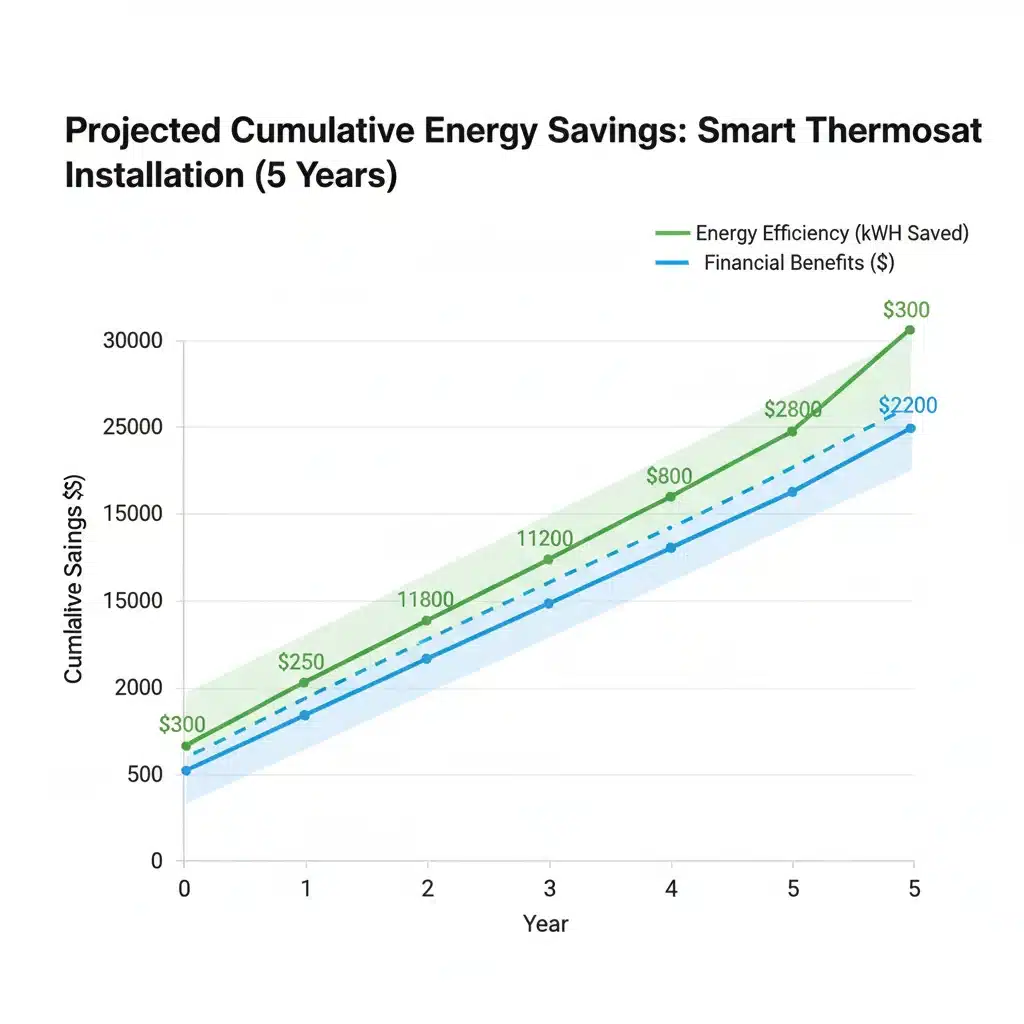
Consider an average household spending $1,500 annually on heating and cooling. A 15% saving translates to $225 per year. Given that many quality smart thermostats cost between $150 and $300, the payback period can be as short as one to two years. After that, every year brings pure savings, making the smart thermostat ROI incredibly attractive.
Choosing the Right Smart Thermostat for Maximum ROI
Not all smart thermostats are created equal. To maximize your smart thermostat ROI, consider the following factors when making a purchase:
- Compatibility with Your HVAC System: Ensure the smart thermostat is compatible with your existing heating and cooling system (e.g., conventional, heat pump, multi-stage). Check wiring requirements carefully.
- Key Features: Prioritize features like geofencing, learning capabilities, and remote access, as these are primary drivers of energy savings.
- Ease of Installation: While many smart thermostats are designed for DIY installation, some may require professional help. Factor this into your overall cost and potential payback period.
- User Interface and App Experience: A clunky app or complex interface can deter you from utilizing the thermostat’s full potential. Opt for intuitive designs.
- Integration with Other Smart Devices: If you have an existing smart home ecosystem (e.g., Google Home, Apple HomeKit, Amazon Alexa), choose a thermostat that integrates seamlessly.
- Energy Reporting: Look for detailed and easy-to-understand energy reports that help you track your savings and identify areas for improvement.
- Utility Rebates: Many utility companies offer rebates or incentives for installing smart thermostats. Check with your local provider, as this can significantly reduce the upfront cost and accelerate your smart thermostat ROI.
Installation and Setup: Paving the Way for Savings
Proper installation and setup are crucial for realizing the full potential of your smart thermostat and achieving the projected smart thermostat ROI. While many devices offer straightforward DIY installation, here are some tips:
- Read the Manual: Every thermostat has specific instructions. Follow them meticulously to avoid electrical issues or compatibility problems.
- Turn Off Power: Always cut power to your HVAC system at the breaker before beginning installation. Safety first!
- Label Wires: Before disconnecting your old thermostat, take a picture of the wiring and label each wire. This will make connecting the new smart thermostat much easier.
- Connect to Wi-Fi: A stable Wi-Fi connection is essential for remote access, learning features, and software updates.
- Calibrate Sensors: Ensure any external or internal sensors are properly calibrated for accurate temperature readings and optimal performance.
- Initial Programming: Even with learning thermostats, an initial setup of your general schedule and preferences can help the device learn faster and start saving energy sooner.
If you’re uncomfortable with electrical work, hiring a professional HVAC technician for installation is a wise investment. Their expertise ensures the thermostat is correctly integrated, preventing potential issues that could hinder your energy savings and overall smart thermostat ROI.
Maximizing Your Smart Thermostat ROI: Beyond the Initial Setup
Installing a smart thermostat is just the first step. To truly achieve and even exceed the 15% annual energy savings target, ongoing optimization and engagement are key:
- Leverage Geofencing Consistently: Ensure all household members have the app on their phones and that geofencing is activated for everyone. This guarantees the thermostat knows when the house is empty.
- Review Energy Reports Regularly: Use the data provided by your thermostat to understand your usage patterns. Identify peak consumption times and look for opportunities to adjust your schedule or temperature settings.
- Participate in Demand Response Programs: If your utility offers them, enrolling in demand response programs can provide additional savings and sometimes even financial incentives for reducing energy during peak times.
- Optimize Your Schedule: Even with learning capabilities, occasionally reviewing and fine-tuning your schedule can yield better results. For instance, if your work schedule changes, update your thermostat’s settings accordingly.
- Utilize Away Modes: When going on vacation, actively set your thermostat to an ‘away’ or ‘vacation’ mode. This typically sets the temperature to an even more conservative level than your regular ‘away’ settings, ensuring minimal energy use while you’re gone.
- Integrate with Other Smart Devices: If you have smart blinds or smart plugs, consider integrating them. For example, smart blinds can automatically close during the hottest part of the day to reduce solar gain, complementing your thermostat’s efforts.
- Maintain Your HVAC System: A smart thermostat works best with an efficient HVAC system. Regular maintenance, such as changing air filters and having annual check-ups, ensures your system runs optimally, maximizing the energy savings your smart thermostat provides and solidifying your smart thermostat ROI.
- Consider Zoning: For larger homes or homes with varying heating/cooling needs in different areas, investing in a zoning system alongside your smart thermostat can dramatically increase efficiency and comfort.
Beyond Savings: The Environmental and Comfort Benefits
While the financial aspect of smart thermostat ROI is compelling, the benefits extend far beyond your wallet:
- Environmental Impact: Reducing energy consumption directly translates to a smaller carbon footprint. By using less electricity or natural gas, you’re contributing to a more sustainable future.
- Enhanced Comfort: Smart thermostats don’t just save energy; they also enhance comfort. By learning your preferences and adapting to your schedule, they ensure your home is always at the ideal temperature when you’re there, without you having to constantly adjust it.
- Convenience: Remote control and automation offer unparalleled convenience. No more coming home to a freezing or sweltering house.
- Increased Home Value: Smart home technologies, including smart thermostats, are increasingly seen as desirable features by prospective homebuyers, potentially adding to your home’s market value.
- Peace of Mind: Knowing you’re efficiently managing your home’s climate, even when you’re away, provides significant peace of mind.
Challenges and Considerations for Smart Thermostat ROI
While the benefits are clear, it’s important to consider potential challenges:
- Upfront Cost: The initial investment can be a barrier for some, though utility rebates can help offset this.
- Compatibility Issues: Older HVAC systems might not be fully compatible with all smart thermostat features, requiring professional consultation or system upgrades.
- Learning Curve: While designed to be user-friendly, there’s still a learning curve for some advanced features.
- Privacy Concerns: Like all smart devices, there are privacy considerations regarding data collection. Choose reputable brands with strong privacy policies.
- Wi-Fi Dependence: A stable and reliable Wi-Fi connection is essential for full functionality.
Addressing these considerations proactively can ensure a smoother transition and a more successful realization of your smart thermostat ROI.
The Future of Smart Thermostat ROI: What to Expect by 2026 and Beyond
As technology continues to evolve, smart thermostats will become even more sophisticated and integrated. By 2026, we can expect:
- More Advanced AI and Machine Learning: Thermostats will become even better at predicting your needs and optimizing energy use with less input from you.
- Deeper Grid Integration: Closer ties with energy grids will allow for more dynamic demand response, potentially leading to greater savings and grid stability.
- Enhanced Sensor Technology: More precise occupancy detection, air quality monitoring, and even predictive maintenance for HVAC systems will become standard.
- Greater Affordability: As the technology matures and becomes more widespread, prices are likely to become even more competitive, making the smart thermostat ROI accessible to a broader audience.
- Seamless Smart Home Integration: Expect even more effortless integration with a wider array of smart home devices, creating truly intelligent and responsive living spaces.
These advancements will only enhance the value proposition of smart thermostats, making the 15% annual energy saving target a more consistent and achievable reality for millions of households.
Conclusion: A Smart Investment for a Smarter Future
The evidence is clear: investing in a smart thermostat is a wise decision for any homeowner looking to save money, reduce their environmental impact, and enhance their home’s comfort and convenience. By 2026, the consistent adoption of these intelligent devices will solidify their reputation as essential components of an energy-efficient home. With features like learning capabilities, remote access, geofencing, and detailed energy reporting, achieving an annual energy saving of 15% is not just possible, but highly probable.
The smart thermostat ROI is not merely a theoretical concept; it’s a measurable financial benefit that starts almost immediately after installation. Beyond the monetary savings, the environmental advantages and improved quality of life make the smart thermostat an indispensable tool for the modern household. Embrace this technology, optimize its settings, and watch your energy bills shrink while your comfort levels soar. The future of home climate control is smart, efficient, and exceptionally rewarding.