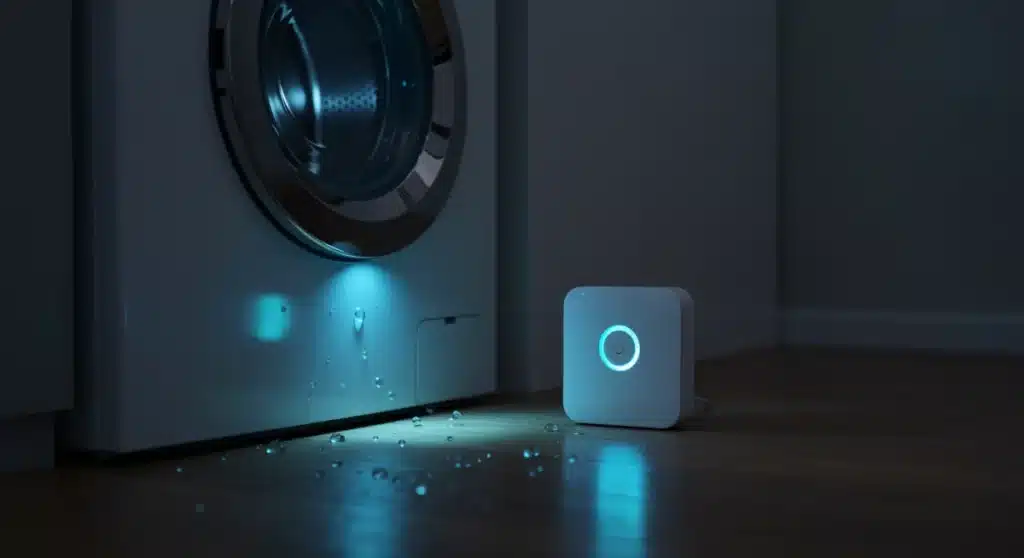
Smart Home Water Leak Detectors 2026: An Essential Review to Prevent Costly Damage
Water leaks are silent destroyers. They creep into your home, often unnoticed, causing extensive and costly damage that can range from ruined flooring and furniture to dangerous mold growth and structural integrity issues. The average cost of a water damage claim is staggering, and many homeowners only discover the problem when it’s too late. But what if you could detect these insidious leaks the moment they begin, receiving an instant alert on your smartphone, even when you’re miles away? This is no longer a futuristic fantasy; it’s the reality offered by today’s advanced Smart Water Leak Detectors.
In 2026, the landscape of smart home technology has evolved significantly, offering more sophisticated, reliable, and integrated solutions than ever before. This comprehensive review delves into the world of smart home water leak detectors, exploring their crucial role in preventative maintenance, the cutting-edge features to look for, and the top contenders that stand out in the market. Whether you’re a seasoned smart home enthusiast or just beginning to explore ways to protect your property, understanding these devices is paramount.
The goal of this article is to equip you with all the knowledge you need to make an informed decision, ensuring your home remains safe, dry, and free from the financial burdens of water damage. We’ll cover everything from how these devices work to what makes a particular detector superior, helping you choose the best Smart Water Leak Detectors for your specific needs.
The Silent Threat: Why Water Leaks Are So Dangerous
Before diving into the technological marvels that are Smart Water Leak Detectors, it’s essential to grasp the severity of the problem they aim to solve. Water damage is one of the most common and expensive homeowner insurance claims. It doesn’t always come from a burst pipe or a flooded basement; often, it’s the slow, persistent drip from a leaky appliance hose, a failing water heater, or a compromised pipe joint that causes the most insidious damage over time.
These slow leaks can go unnoticed for weeks or even months, allowing water to seep into walls, under flooring, and into ceilings. The consequences are dire:
- Structural Damage: Prolonged water exposure can weaken wooden structures, damage drywall, and compromise the integrity of your home’s foundation.
- Mold and Mildew Growth: Damp environments are breeding grounds for mold and mildew, which not only cause unpleasant odors but also pose significant health risks, especially for individuals with allergies or respiratory issues. Remediation can be incredibly expensive and disruptive.
- Property Loss: Furniture, electronics, cherished heirlooms, and personal documents can be irrevocably damaged by water.
- Increased Utility Bills: A hidden leak can lead to a significant increase in your water bill, indicating a problem long before you physically see the damage.
- Insurance Headaches: While homeowner’s insurance often covers sudden and accidental water damage, slow leaks discovered after extended periods might be disputed or subject to higher deductibles, as they are sometimes attributed to lack of maintenance.
The proactive approach offered by Smart Water Leak Detectors transforms this reactive and often devastating scenario into a manageable incident. Early detection means minor repairs, not major overhauls, saving you thousands of dollars and immeasurable stress.
How Smart Water Leak Detectors Work: The Technology Behind the Protection
At their core, Smart Water Leak Detectors are designed to sense the presence of water where it shouldn’t be and immediately alert you. However, the “smart” aspect elevates them far beyond simple moisture alarms.
Basic Principles of Detection
Most detectors utilize two metallic probes or sensors that, when bridged by water, complete an electrical circuit. This triggers an alarm. The “smart” part comes from their connectivity:
- Wi-Fi Connectivity: Many devices connect directly to your home’s Wi-Fi network, allowing them to send alerts to your smartphone via a dedicated app.
- Zigbee/Z-Wave: Some integrate into existing smart home hubs (like SmartThings, Apple HomeKit, or Google Home) using protocols like Zigbee or Z-Wave, offering broader automation possibilities.
- Cellular Backup: Premium models might offer cellular backup, ensuring alerts are sent even if your home internet goes down.
Types of Smart Water Leak Detectors
The market offers several variations, each suited for different applications:
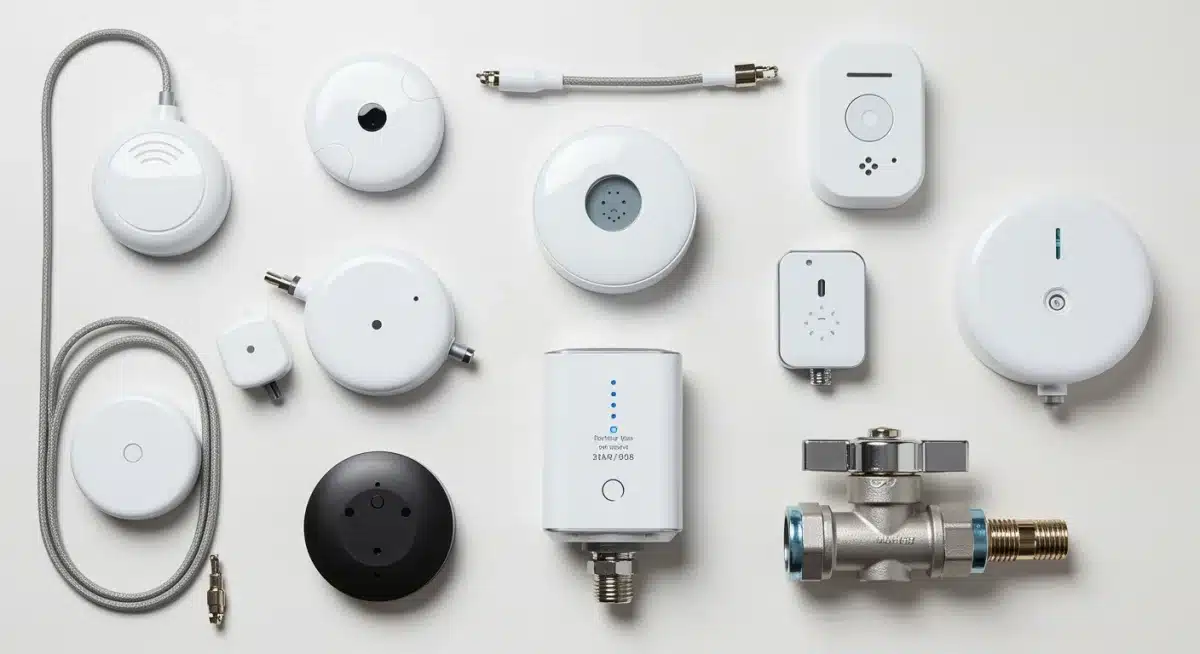
- Spot Detectors: These are small, puck-shaped devices placed directly on the floor in vulnerable areas (e.g., under sinks, near water heaters, behind toilets, in basements). When water touches their sensors, they trigger an alert.
- Rope/Cable Sensors: These consist of a main unit with an attached cable or rope that’s sensitive to water along its entire length. Ideal for wrapping around pipes, along baseboards in basements, or under appliances to cover a larger area.
- Whole-Home Systems with Shut-off Valves: These are the most advanced and comprehensive solutions. A central sensor or a series of sensors monitor water flow throughout your home. If an unusual flow pattern (indicating a leak) is detected, the system can automatically shut off your main water supply, preventing catastrophic damage. These often integrate with flow meters and pressure sensors.
- Combined Sensors: Some devices offer multi-sensing capabilities, detecting not just water but also temperature (to warn of freezing pipes) and humidity (to indicate potential mold conditions).
Key Features to Look for in 2026
As technology advances, so do the capabilities of Smart Water Leak Detectors. Here are the essential features to prioritize when making your selection in 2026:
1. Instant and Reliable Notifications
The primary function of a smart detector is to alert you immediately. Look for devices that offer:
- Multiple Notification Methods: Push notifications to your smartphone are standard, but also consider email, SMS, and even phone calls for critical alerts.
- Audible Alarms: A loud siren directly on the device is crucial for alerting anyone in the house, even if they don’t have their phone nearby.
- Customizable Alert Settings: The ability to set different alert sensitivities or designate specific contacts for different types of alerts.
2. Connectivity and Integration
Seamless integration with your existing smart home ecosystem is a major advantage.
- Wi-Fi, Zigbee, Z-Wave, or Bluetooth: Choose a protocol that matches your current smart home devices. Wi-Fi is easiest for standalone use, while Zigbee/Z-Wave offer better mesh networking for larger homes.
- Voice Assistant Compatibility: Integration with Amazon Alexa, Google Assistant, or Apple HomeKit for voice commands and status checks.
- IFTTT (If This Then That) Support: For advanced users, IFTTT allows you to create custom automations, like flashing smart lights when a leak is detected.
3. Battery Life and Power Options
These devices need to be operational 24/7. Long-lasting batteries are key.
- Extended Battery Life: Look for devices offering 2-5 years of battery life on standard AA or AAA batteries, or even longer with specialized batteries.
- Low Battery Alerts: Essential for proactive maintenance, ensuring you replace batteries before the device goes offline.
- AC Power Options: Some whole-home systems offer AC power with battery backup for continuous operation.
4. Durability and Design
Water detectors will be placed in potentially damp or hidden areas.
- Water Resistance/Waterproof Rating: Important for the device itself to survive contact with water.
- Compact and Discreet Design: Allows for placement in tight spots without being obtrusive.
- Robust Build Quality: To withstand the environment they are placed in.
5. Advanced Sensing Capabilities
Beyond basic water detection, some models offer enhanced protection.
- Temperature Monitoring: Crucial for preventing frozen pipes in unheated areas like basements or garages.
- Humidity Monitoring: Helps identify areas prone to mold growth due to high humidity.
- Flow Monitoring (for whole-home systems): Detects unusual water usage patterns, indicating leaks even before water hits the floor.
6. Ease of Installation and Setup
Most Smart Water Leak Detectors are designed for DIY installation, but some whole-home systems might require professional plumbing assistance.
- Simple App-Guided Setup: A user-friendly app makes the setup process straightforward.
- Wireless Operation: Eliminates the need for complex wiring.
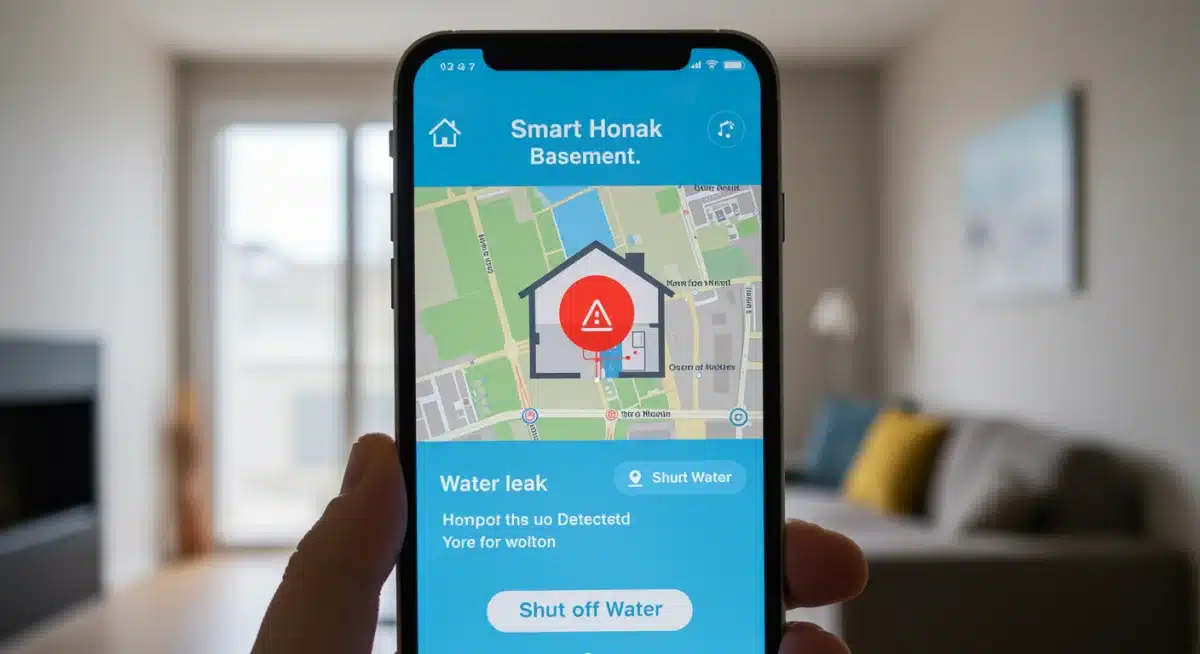
Top Smart Water Leak Detectors of 2026: A Comparative Look
The market for Smart Water Leak Detectors is robust, with several manufacturers offering excellent products. While specific models evolve rapidly, here are some of the leading brands and types to consider in 2026, representing the best in class for various needs:
1. Whole-Home Solutions with Automatic Shut-off: The Ultimate Protection
For unparalleled peace of mind, a system that can automatically shut off your water supply is the gold standard. These systems typically consist of a main monitoring unit installed on your primary water line, often combined with wireless spot sensors placed throughout your home.
- Moen Flo Smart Water Monitor and Shutoff: Still a leader in 2026, Moen Flo (now often simply called Flo by Moen) offers continuous monitoring of water pressure, flow, and temperature. It learns your home’s water usage patterns and alerts you to anomalies, automatically shutting off the water if a significant leak is detected. It integrates with Alexa and Google Assistant and offers a robust app with detailed insights into water consumption. The addition of wireless Flo Smart Water Detectors extends its coverage to specific areas.
- Phyn Plus Smart Water Assistant + Shutoff: Phyn Plus is another top-tier contender, known for its advanced AI and machine learning capabilities that accurately detect even tiny leaks (down to a drip per minute). It provides real-time data on water usage and can automatically shut off water. Its app is highly intuitive, offering diagnostic tools and detailed alerts.
- StreamLabs Water Monitor: While not always featuring an integrated shut-off valve, StreamLabs offers a high-precision monitor that clamps onto your existing pipes, providing flow data and leak alerts. It can be paired with a separate shut-off valve for a complete system.
Pros of Whole-Home Systems: Comprehensive protection, automatic water shut-off, detailed water usage insights, proactive leak detection before water hits the floor. Cons: Higher initial cost, professional installation might be required for the main unit, especially the shut-off valve.
2. Standalone Wi-Fi Smart Water Leak Detectors: Flexible and Accessible
These devices are perfect for targeted protection in specific areas without the need for a separate hub.
- Aqara Water Leak Sensor: Known for its reliability and compact design, the Aqara sensor is often a top pick. While it typically uses Zigbee and requires an Aqara hub for full smart functionality, newer versions are increasingly offering direct Wi-Fi connectivity. It’s highly sensitive and integrates well with Apple HomeKit, Alexa, and Google Assistant.
- Samsung SmartThings Water Leak Sensor: If you’re already invested in the SmartThings ecosystem, this Z-Wave sensor is an excellent choice. It’s reliable, easy to set up, and integrates seamlessly with other SmartThings devices for automation.
- Ring Alarm Flood & Freeze Sensor: For Ring Alarm users, this sensor is a natural extension. It detects both water and freezing temperatures, sending alerts through the Ring app. It uses Z-Wave and requires the Ring Alarm base station.
- Govee WiFi Water Leak Detector: Govee offers affordable and effective Wi-Fi-enabled sensors that provide instant app notifications and often feature loud audible alarms. They are a great entry point into smart leak detection.
Pros of Standalone Wi-Fi Detectors: Lower cost, easy DIY installation, no hub required (for pure Wi-Fi models), good for targeted areas. Cons: No automatic water shut-off (unless integrated with a separate smart valve), limited whole-home insights.
3. Rope/Cable Sensors: Covering More Ground
These are ideal for areas where water might spread quickly or where you need to monitor a linear space.
- Fibaro Flood Sensor: A premium Z-Wave sensor that offers both flood and temperature detection. It’s highly sensitive and can be extended with external probes or cables, making it versatile for various applications. It often features a built-in tilt sensor, useful for ensuring it hasn’t been accidentally moved.
- D-Link Wi-Fi Water Sensor (DCH-S161): This sensor comes with a 3.3-foot (1-meter) sensing cable, allowing it to monitor a larger area. It connects directly to Wi-Fi and sends alerts to your phone. It also includes a built-in siren.
Pros of Rope Sensors: Cover larger or linear areas, highly sensitive. Cons: Can be more expensive than spot detectors, cable placement might require more thought.
Installation and Best Placement Strategies for Your Smart Water Leak Detectors
The effectiveness of your Smart Water Leak Detectors heavily relies on strategic placement. While installation is typically straightforward for spot detectors, knowing where to put them is crucial.
Key Areas to Monitor:
- Water Heater: A common source of leaks as tanks age. Place a sensor in the drip pan or directly on the floor nearby.
- Under Sinks: Kitchen and bathroom sinks are prone to leaks from supply lines, drains, and garbage disposals.
- Washing Machine and Dishwasher: Hoses can burst or fittings can loosen. Place sensors behind or under these appliances.
- Refrigerator with Ice Maker/Water Dispenser: The water line to these appliances is a frequent culprit for slow leaks.
- Toilets: Leaky wax rings or supply lines can cause significant damage. Place a sensor behind the toilet or at its base.
- Basements and Crawl Spaces: Especially if prone to dampness or flooding. Rope sensors are excellent here for covering larger areas.
- Near Sump Pumps: To detect if the pump fails or the pit overflows.
- HVAC Condensate Pans: Air conditioning units produce condensate that can overflow if the drain line gets clogged.
- Under Bathtubs and Showers: Though harder to access, if you suspect issues, this is a critical spot.
- Garage: If you have a utility sink or water pipes running through your garage, especially in areas prone to freezing.
Installation Tips:
- Test Regularly: Just like smoke detectors, it’s vital to test your Smart Water Leak Detectors periodically (e.g., monthly or quarterly) to ensure they are working correctly and sending alerts. A simple wet paper towel can usually trigger the sensor.
- Check Batteries: Pay attention to low battery alerts and replace batteries promptly.
- Clean Sensors: Dust and debris can sometimes interfere with sensor performance. Keep them clean.
- Consider Signal Strength: For Wi-Fi or wireless sensors, ensure they are within range of your router or smart home hub.
- Plan for Power Outages: If your chosen system relies on Wi-Fi, consider a UPS (Uninterruptible Power Supply) for your router and modem to maintain connectivity during short power interruptions. Whole-home systems with cellular backup mitigate this risk.
The Future of Water Leak Detection: What’s Next for Smart Water Leak Detectors?
The evolution of Smart Water Leak Detectors isn’t slowing down. In the coming years, we can anticipate even more sophisticated features:
- Enhanced AI and Machine Learning: Systems will become even better at distinguishing between normal water usage (e.g., showering, running a dishwasher) and actual leaks, reducing false alarms.
- Predictive Analytics: Leveraging data from water flow and pressure sensors, devices might soon be able to predict potential pipe failures or appliance issues before they even become leaks.
- Advanced Material Science: New sensor materials could offer even greater sensitivity and durability in various environmental conditions.
- Seamless Home Automation Integration: Expect deeper integration with other smart home devices, allowing for complex scenarios like automatically turning off lights, sending alerts to neighbors, or even contacting a plumber directly when a severe leak is detected.
- Energy Harvesting: Devices powered by ambient light or small vibrations, reducing the need for battery replacements.
- Micro-Leak Detection: The ability to detect extremely small, slow leaks that are currently very difficult to identify, further minimizing long-term damage.
These advancements promise an even more secure and maintenance-free home environment, further cementing Smart Water Leak Detectors as an indispensable part of modern home protection.
Cost vs. Benefit: The Investment That Pays for Itself
When considering the purchase of Smart Water Leak Detectors, it’s natural to look at the upfront cost. Individual spot detectors can range from $30 to $80, while whole-home systems with automatic shut-off can be several hundred to over a thousand dollars, not including potential installation costs for the main valve.
However, this is an investment with a clear and often rapid return. Consider the potential costs of water damage:
- Repair Costs: A small leak can lead to thousands of dollars in repairs for drywall, flooring, electrical systems, and structural elements. Major floods can easily reach tens of thousands.
- Mold Remediation: This alone can cost anywhere from a few hundred to over ten thousand dollars, depending on the extent of the growth.
- Increased Insurance Premiums: Even if your insurance covers the damage, a claim can lead to higher premiums in the future.
- Deductibles: Your deductible alone might be $500, $1000, or more, which you’ll pay out of pocket before insurance kicks in.
- Displacement Costs: If the damage is severe, you might need to temporarily relocate, incurring hotel and food expenses.
- Loss of Irreplaceable Items: Some things simply cannot be replaced.
When weighed against these potential financial and emotional burdens, the cost of even a sophisticated Smart Water Leak Detector system pales in comparison. It’s not just about protecting your property; it’s about protecting your peace of mind and your financial stability.
Conclusion: Safeguarding Your Home with Smart Water Leak Detectors
In conclusion, Smart Water Leak Detectors are no longer a luxury but a crucial component of a modern, well-protected home. The technology available in 2026 offers unparalleled capabilities for early detection, instant alerts, and in some cases, automatic mitigation of water leaks. From simple spot detectors guarding critical appliances to comprehensive whole-home systems that monitor your entire water supply, there’s a solution for every need and budget.
By investing in these intelligent devices, you’re not just buying a gadget; you’re purchasing peace of mind, preventing potentially catastrophic damage, and safeguarding your most valuable asset. Don’t wait for the tell-tale signs of water damage – the warped floorboards, the musty smell, or the skyrocketing water bill. Take a proactive step today and equip your home with the protection it deserves. Choose the right Smart Water Leak Detectors for your home and ensure your property remains safe, dry, and secure for years to come.