Future-Proof Your Smart Home: DIY Matter Devices by 2026 for Enhanced Interoperability
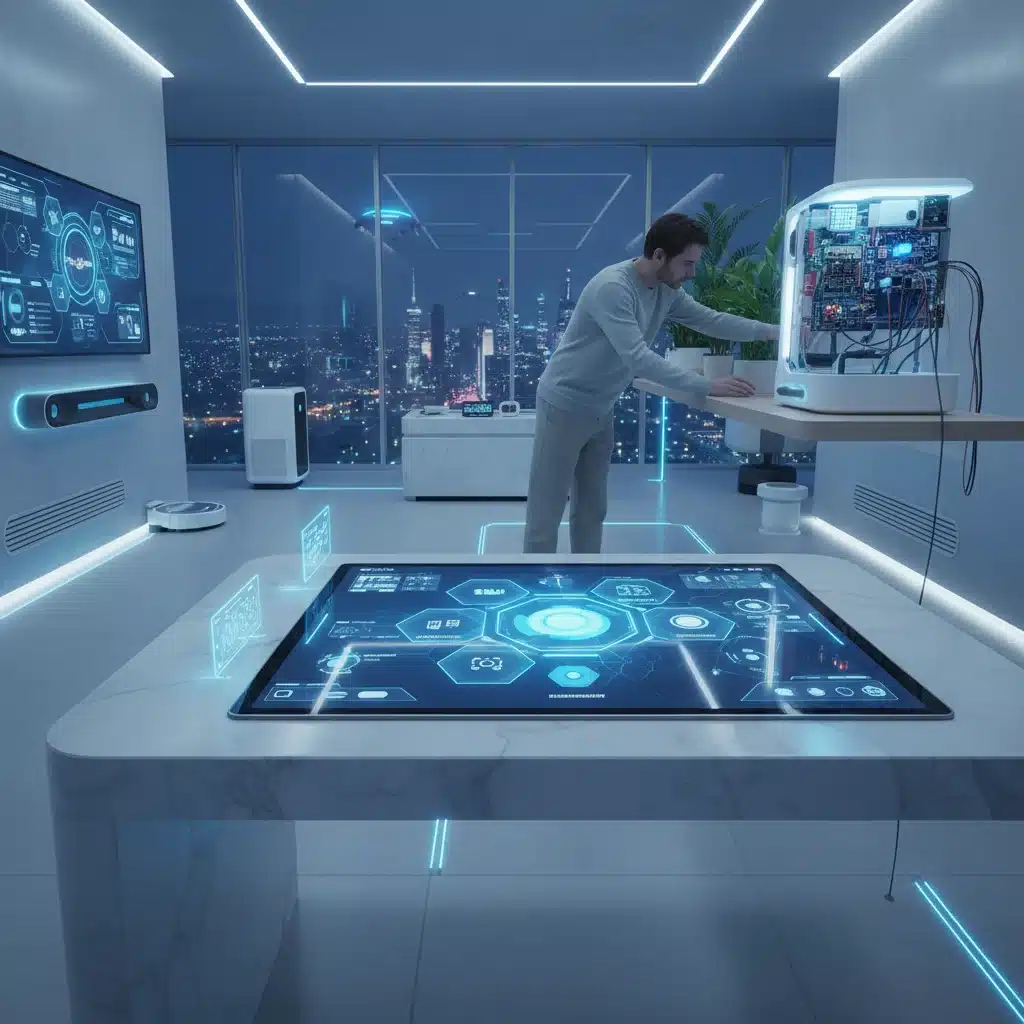
The landscape of smart home technology is constantly evolving, promising greater convenience, efficiency, and interconnectedness. Yet, for many enthusiasts and casual users alike, the reality has often been a fragmented ecosystem where devices from different manufacturers struggle to communicate seamlessly. This challenge has led to frustration, limiting the true potential of home automation. However, a revolutionary standard, known as Matter, is rapidly changing this narrative, ushering in an era of unprecedented interoperability. As we look towards early 2026, the integration of Matter-compatible DIY devices is not just a trend; it’s a strategic move to future-proof your smart home, promising a significant boost in interoperability, estimated at 15% or more, and a truly unified experience.
This comprehensive guide will delve into the world of Matter DIY Smart Home solutions, exploring why this standard is crucial, how you can leverage DIY projects to integrate Matter into your existing setup, and what benefits you can expect to reap by embarking on this journey. We will cover everything from understanding the core principles of Matter to practical considerations for building and integrating your own devices, ensuring you are well-equipped to navigate the future of smart living.
Understanding Matter: The Unifying Protocol for Your Smart Home
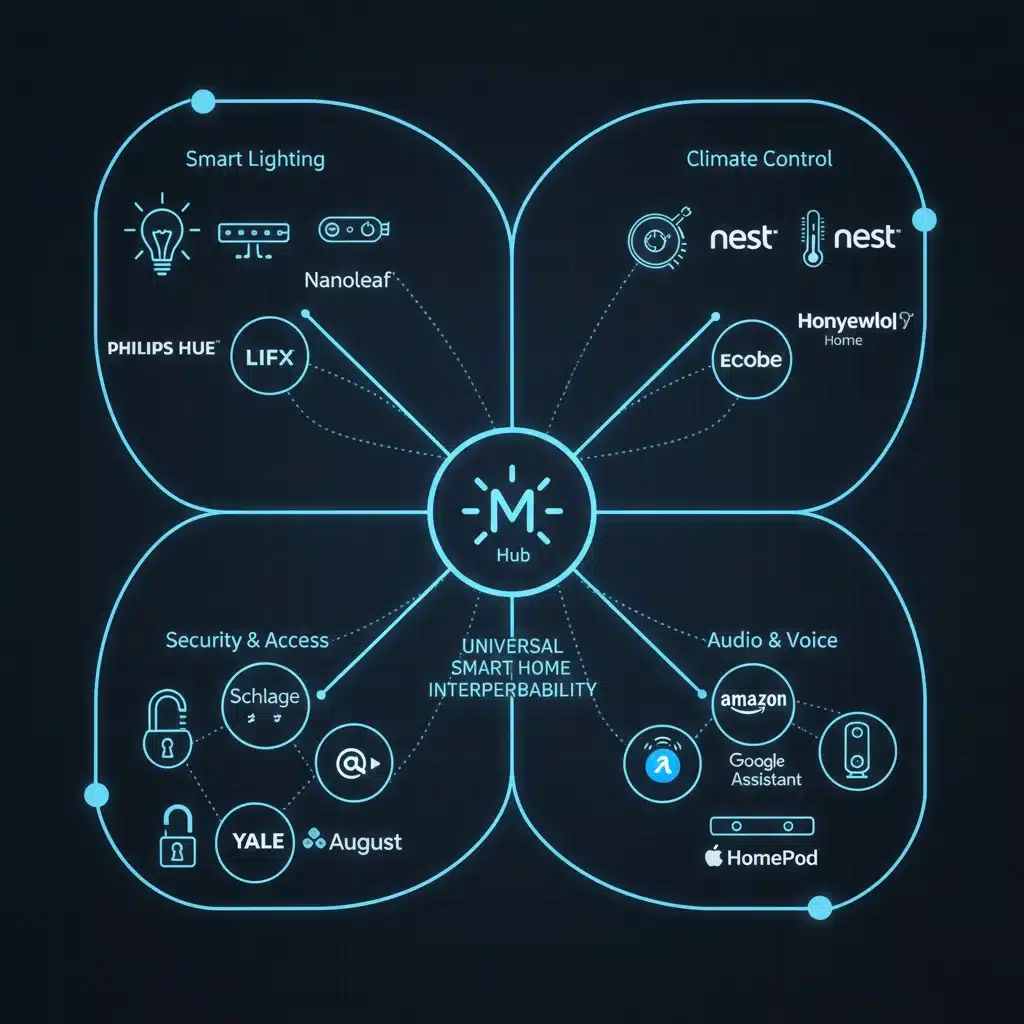
Before we dive into the exciting realm of DIY, it’s essential to grasp what Matter is and why it’s such a game-changer. Matter is an open-source connectivity standard developed by the Connectivity Standards Alliance (CSA), a consortium of major players in the smart home industry, including Apple, Google, Amazon, Samsung, and many others. Its primary goal is to create a universal language for smart home devices, allowing them to communicate with each other regardless of their brand or underlying technology.
The Problem Matter Solves: Fragmentation and Complexity
Historically, the smart home market has been plagued by a lack of standardization. Each manufacturer often developed its own proprietary protocols, apps, and ecosystems. This meant that a smart light bulb from one brand might not work with a smart thermostat from another, or a security camera might require its own dedicated app, separate from your smart speaker’s control interface. This fragmentation led to:
- Limited Compatibility: Users were often locked into specific ecosystems, making it difficult to mix and match devices.
- Increased Complexity: Managing multiple apps and hubs for different devices became cumbersome.
- Security Concerns: Proprietary systems could have varying security standards.
- Future Uncertainty: The longevity of devices was tied to the manufacturer’s continued support for their specific ecosystem.
How Matter Works: A Universal Language
Matter addresses these issues by providing a common application layer that sits atop existing IP-based networking technologies like Wi-Fi, Thread, and Ethernet. This means that devices can communicate directly with each other, or through a Matter controller (like a smart speaker or hub), regardless of the underlying network. Key features of Matter include:
- Local Control: Many Matter devices can operate locally, reducing reliance on cloud services and improving responsiveness and reliability.
- Simplified Setup: A unified pairing process makes adding new devices straightforward, often involving just a QR code scan.
- Enhanced Security: Matter incorporates robust security features from the ground up, including end-to-end encryption.
- Interoperability Across Ecosystems: A Matter-certified device can work with any Matter controller, whether it’s Apple HomeKit, Google Home, Amazon Alexa, or Samsung SmartThings, simultaneously.
- Future-Proofing: As an open standard, Matter is designed to evolve and adapt, ensuring long-term compatibility for your devices.
The promise of Matter is a truly harmonious smart home where all your devices, regardless of origin, work together effortlessly. This foundational understanding is crucial as we explore how DIY projects can play a pivotal role in accelerating this transition.
Why DIY Matter Smart Home Devices? The Power of Customization and Control
While commercial Matter-certified devices are steadily entering the market, the Matter DIY Smart Home approach offers unique advantages that appeal to enthusiasts and those seeking highly customized solutions. By building your own Matter-compatible devices, you gain unparalleled control, flexibility, and often, cost savings.
Beyond Off-the-Shelf: The Benefits of DIY
- Tailored Functionality: Need a custom sensor for a specific, niche application? DIY allows you to build exactly what you need, rather than settling for off-the-shelf products that might have superfluous features or lack essential ones.
- Cost-Effectiveness: Often, the components for a DIY smart device are significantly cheaper than purchasing a pre-built commercial equivalent, especially for specialized sensors or controllers.
- Learning and Skill Development: Engaging in DIY smart home projects is an excellent way to learn about electronics, programming, and network protocols, deepening your understanding of the technology that powers your home.
- Repairability and Longevity: When you build it yourself, you understand how it works, making repairs and modifications much easier. This extends the lifespan of your devices and reduces electronic waste.
- Early Adoption and Experimentation: DIY provides a pathway to experiment with Matter before a wide array of commercial products becomes available, allowing you to be an early adopter and shape your smart home’s future.
- Unique Solutions: Create devices that simply don’t exist on the market, solving specific problems unique to your home or lifestyle.
- Enhanced Security through Transparency: By building your own, you have full visibility into the code and components, potentially offering greater peace of mind regarding privacy and security compared to closed-source commercial products.
The DIY route empowers you to be an active participant in the evolution of your smart home, rather than just a consumer. It transforms your living space into a dynamic, adaptable environment that truly reflects your needs and preferences.
Getting Started with Matter DIY: Essential Components and Skills
Embarking on your Matter DIY Smart Home journey requires a foundational understanding of some key components and basic skills. Don’t be intimidated; the barrier to entry is lower than ever, thanks to accessible development boards and extensive online resources.
Core Components for DIY Matter Devices:
- Microcontrollers (MCUs): These are the brains of your DIY devices. Popular choices that are increasingly gaining Matter support include:
- ESP32 Series (e.g., ESP32-C3, ESP32-S3, ESP32-H2): Excellent for Wi-Fi and Bluetooth, with newer models offering Thread support. Highly popular in the DIY community due to their low cost and versatility.
- Raspberry Pi Pico W: A powerful and affordable option for smaller projects, offering Wi-Fi connectivity.
- NXP, Silicon Labs, Nordic Semiconductor Development Kits: These offer more robust Matter development environments, often with integrated Thread and Bluetooth Low Energy (BLE) capabilities, though they might be slightly more complex for beginners.
- Sensors and Actuators: These are the inputs and outputs of your smart devices.
- Sensors: Temperature, humidity, motion (PIR), light, door/window contact, ultrasonic distance, air quality (VOC, CO2), etc.
- Actuators: Relays (to control lights or appliances), servo motors, stepper motors, LEDs, buzzers.
- Connectivity Modules: While many MCUs have integrated Wi-Fi/Bluetooth, for Thread-only devices or adding Thread to non-Thread MCUs, dedicated modules might be necessary.
- Power Supply: USB power, battery packs (LiPo with charging circuits), or AC-DC converters.
- Prototyping Tools: Breadboards, jumper wires, soldering iron, multimeters.
- Enclosures: 3D-printed cases, off-the-shelf project boxes to house your creations.
Essential Skills for Your DIY Journey:
- Basic Electronics: Understanding circuits, voltage, current, and how to connect components safely.
- Programming: Familiarity with C++ (especially for Arduino IDE or ESP-IDF) or MicroPython. Matter development often involves specific SDKs.
- Networking Fundamentals: A basic grasp of Wi-Fi, Bluetooth, and ideally Thread (which is a core part of Matter).
- Problem-Solving: DIY projects inevitably involve troubleshooting. Patience and a logical approach are key.
- Resourcefulness: The ability to search for information, read datasheets, and learn from online communities.
Many online tutorials, forums (like the ESPHome community or dedicated Matter development forums), and YouTube channels offer excellent resources for beginners. Starting with simple projects and gradually increasing complexity is a great way to build confidence and expertise.
Building Your First Matter DIY Device: A Step-by-Step Guide
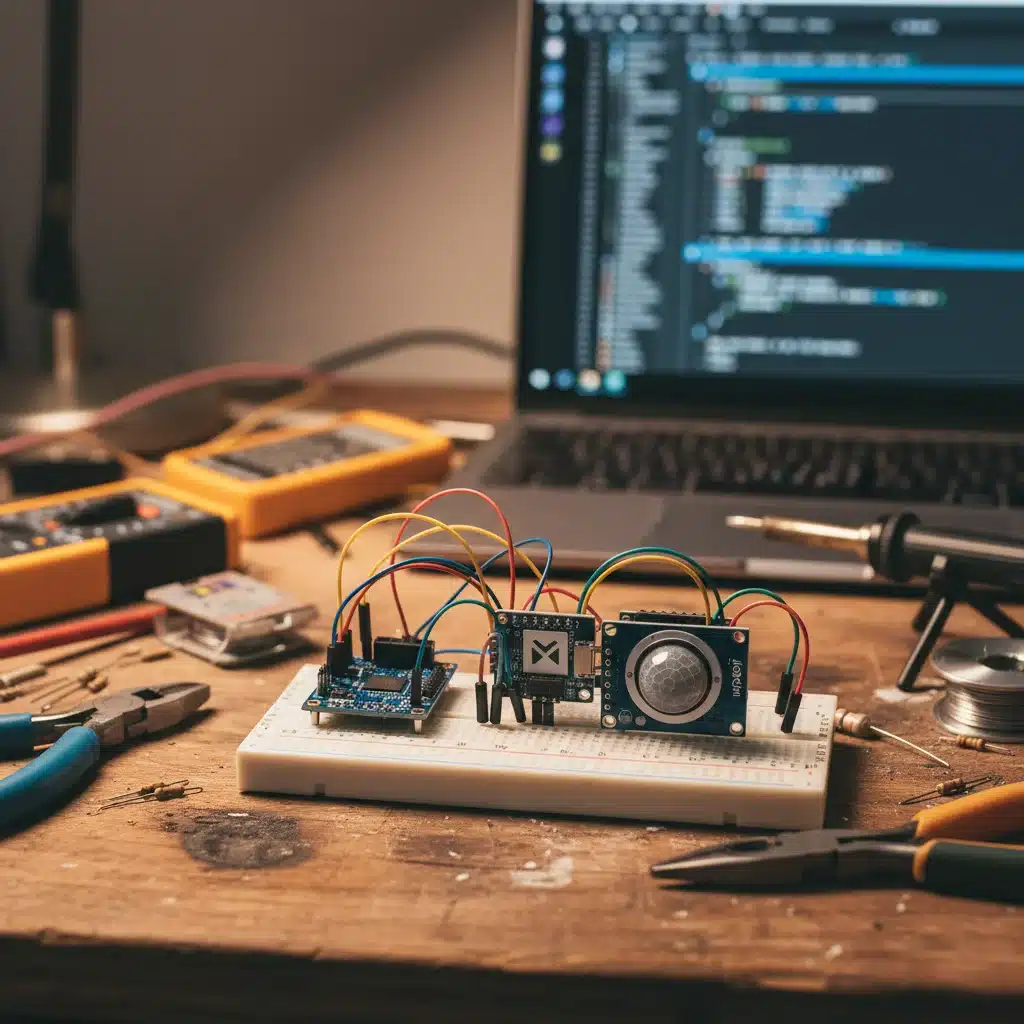
Let’s walk through a simplified example of how you might approach building a Matter DIY Smart Home device. For this instance, we’ll consider a simple Matter-compatible temperature and humidity sensor using an ESP32-C3 (which supports Wi-Fi and Thread) and a DHT11 sensor.
1. Choose Your Microcontroller and Sensor:
For a temperature/humidity sensor, an ESP32-C3 is an excellent choice due to its integrated Wi-Fi and growing Matter support. Pair it with a DHT11 or DHT22 sensor for environmental data.
2. Set Up Your Development Environment:
You’ll typically use the ESP-IDF (Espressif IoT Development Framework) or a platform like PlatformIO with the Arduino framework. For Matter development, you’ll need to integrate the Matter SDK (Software Development Kit) provided by the CSA or Espressif.
3. Wire Up the Components:
Connect the DHT11 sensor to your ESP32-C3 board. Typically, this involves VCC (power), GND (ground), and a data pin (e.g., GPIO4). Use a breadboard for initial prototyping.
4. Write the Firmware (Simplified):
This is where the magic happens. Your firmware will do the following:
- Initialize the ESP32-C3: Configure Wi-Fi or Thread connectivity.
- Integrate the Matter SDK: This is the most complex part, involving setting up Matter clusters (e.g., Temperature Measurement Cluster, Relative Humidity Measurement Cluster) and endpoints.
- Read Sensor Data: Periodically read temperature and humidity values from the DHT11 sensor.
- Expose Data via Matter: Update the Matter clusters with the latest sensor readings.
- Handle Matter Commissioning: Implement the logic for pairing the device with a Matter controller (e.g., via a QR code).
Numerous open-source examples and libraries are available to help with sensor integration and Matter implementation (e.g., Espressif’s Matter examples on GitHub).
5. Compile and Flash the Firmware:
Compile your code using your chosen IDE/SDK and flash it onto the ESP32-C3 board using a USB cable.
6. Commission the Device:
Once flashed, put your DIY sensor into commissioning mode. Use a Matter controller app (e.g., Google Home, Apple Home, SmartThings) to scan the QR code (generated during the firmware build process or provided in documentation) and add the device to your smart home ecosystem. Your sensor should now appear alongside your commercial Matter devices.
7. Test and Refine:
Verify that the temperature and humidity readings are accurate and update in your smart home app. Optimize power consumption, refine the code, and design a suitable enclosure for your finished product.
This process, while simplified, highlights the core steps. The complexity lies in understanding the Matter SDK and integrating it correctly, but the rewards of a fully custom, interoperable device are significant.
The Role of Existing DIY Platforms and Future-Proofing with Matter
Many smart home enthusiasts already rely on platforms like ESPHome, Tasmota, or Home Assistant for their DIY projects. The good news is that these platforms are actively embracing Matter, providing pathways to integrate your existing devices or build new ones with Matter compatibility.
Integrating Existing DIY Devices with Matter:
- Firmware Updates: Projects like ESPHome are actively developing Matter components. In the future, you may be able to flash Matter-compatible firmware onto your existing ESP-based devices, turning them into native Matter endpoints.
- Matter Bridges: Home Assistant, for example, can act as a Matter bridge. This means your non-Matter DIY devices (or even commercial devices) connected to Home Assistant can be exposed to other Matter controllers (like Google Home or Apple Home) through Home Assistant’s Matter integration. This is a powerful way to bring your entire smart home under the Matter umbrella without replacing everything.
Future-Proofing Your Investment by Early 2026:
The goal of achieving 15% better interoperability by early 2026 with Matter DIY Smart Home devices is highly attainable. Here’s why:
- Rapid Evolution of Matter: Matter is a living standard, with new device types and features being added regularly. By engaging in DIY, you’re always at the forefront of these advancements.
- Open-Source Community Support: The strong open-source community around Matter and related DIY platforms ensures that resources, examples, and troubleshooting assistance are readily available.
- Hardware Readiness: Newer microcontrollers are being designed with Matter in mind, offering dedicated hardware acceleration for Thread and other Matter requirements, making future DIY projects even easier and more efficient.
- Reduced Vendor Lock-in: By choosing Matter, you avoid being tied to a single manufacturer’s ecosystem. Your DIY devices will work with any Matter controller, giving you ultimate flexibility.
By proactively integrating Matter into your DIY projects now, you are building a resilient, adaptable, and truly interoperable smart home that will stand the test of time and evolving technology. The estimated 15% improvement in interoperability isn’t just a number; it represents a tangible reduction in friction, fewer compatibility headaches, and a more cohesive smart home experience.
Advanced DIY Matter Projects and Considerations
Once you’ve mastered the basics, the world of Matter DIY Smart Home opens up to more complex and innovative projects. Here are some advanced considerations and project ideas:
Project Ideas for the Advanced DIYer:
- Custom Smart Blinds/Curtains: Motorize your blinds and integrate them with Matter for automated light control.
- Matter-Enabled Irrigation System: Build a smart watering system that responds to weather data and soil moisture sensors, all controlled via Matter.
- Advanced Environmental Monitoring: Combine multiple air quality sensors (PM2.5, CO2, VOCs) into a single Matter device, providing a comprehensive view of your indoor environment.
- DIY Security Sensors: Create custom door/window sensors, vibration sensors, or even simple cameras with Matter integration (though cameras are more complex).
- Energy Monitoring: Build a device to monitor the energy consumption of specific appliances and expose this data via Matter.
Important Considerations for Advanced Projects:
- Power Management: For battery-powered devices, optimizing power consumption is critical. This involves deep sleep modes, efficient sensor polling, and choosing low-power components.
- Enclosure Design: Professional-looking and durable enclosures are essential for long-term reliability. Consider 3D printing custom cases.
- Firmware Updates (OTA): Implement Over-The-Air (OTA) update capabilities for your DIY devices, allowing you to push new features or bug fixes without physically connecting to them.
- Security Best Practices: Always follow secure coding practices. Ensure your Matter devices are properly authenticated and encrypted. Avoid hardcoding sensitive information.
- Compliance and Certification: While DIY devices don’t require official Matter certification for personal use, understanding the certification requirements can guide your design choices to ensure maximum compatibility and reliability.
The beauty of DIY is the endless possibility for innovation. As Matter matures, the tools and resources for creating sophisticated, interoperable smart home devices will only become more robust.
Challenges and Solutions in Matter DIY
While the prospects of Matter DIY Smart Home are exciting, it’s important to acknowledge potential challenges and how to overcome them.
Common Challenges:
- Steep Learning Curve: For absolute beginners, understanding electronics, programming, and the Matter specification can be daunting.
- Debugging: Identifying and fixing issues in hardware or software can be time-consuming.
- Component Availability: Sometimes specific microcontrollers or sensors can be hard to source or experience supply chain issues.
- Matter SDK Complexity: Integrating the Matter SDK can be more involved than simpler IoT protocols.
- Reliability: Ensuring your DIY devices are as reliable as commercial products requires careful design and testing.
Potential Solutions:
- Start Simple: Begin with basic projects (like a single sensor) to build confidence and understanding.
- Leverage Communities: Online forums, GitHub repositories, and Discord channels dedicated to Matter and DIY electronics are invaluable resources for support and guidance.
- Utilize Existing Frameworks: Platforms like ESPHome and Home Assistant simplify much of the underlying complexity, allowing you to focus on the device’s functionality.
- Thorough Testing: Test your devices rigorously in various scenarios to ensure stability and accuracy.
- Modular Design: Design your projects with modularity in mind, making it easier to swap out components or troubleshoot specific sections.
- Stay Updated: Follow the latest developments in Matter and your chosen microcontroller platforms to take advantage of new features and bug fixes.
Patience and persistence are your greatest allies in the world of DIY. Every challenge overcome is a learning opportunity that makes your next project even more successful.
The Future of Your Smart Home: Embracing Matter and DIY
As we approach early 2026, the smart home industry is at an inflection point. Matter is poised to become the dominant standard, dissolving the walls between ecosystems and creating a truly unified experience. By embracing the Matter DIY Smart Home approach, you are not just adopting a new technology; you are actively participating in shaping the future of your living space.
The benefits are clear: enhanced interoperability, estimated at 15% better performance, unparalleled customization, cost savings, and the satisfaction of building something unique and functional. Whether you’re an experienced maker or a curious beginner, now is the perfect time to explore how Matter and DIY can transform your smart home. Start small, learn continuously, and enjoy the journey of creating a more intelligent, responsive, and future-proof home tailored precisely to your needs.
The fragmented smart home of yesterday is giving way to a cohesive, user-centric ecosystem, and with Matter-compatible DIY devices, you have the power to be at the forefront of this exciting revolution. Get ready to build, connect, and experience the true potential of your smart home.