Advanced Ventilation Systems 2026: Improve Air Quality, Cut Energy Costs by 18%
Advanced Ventilation Systems 2026: Improve Air Quality, Cut Energy Costs by 18%
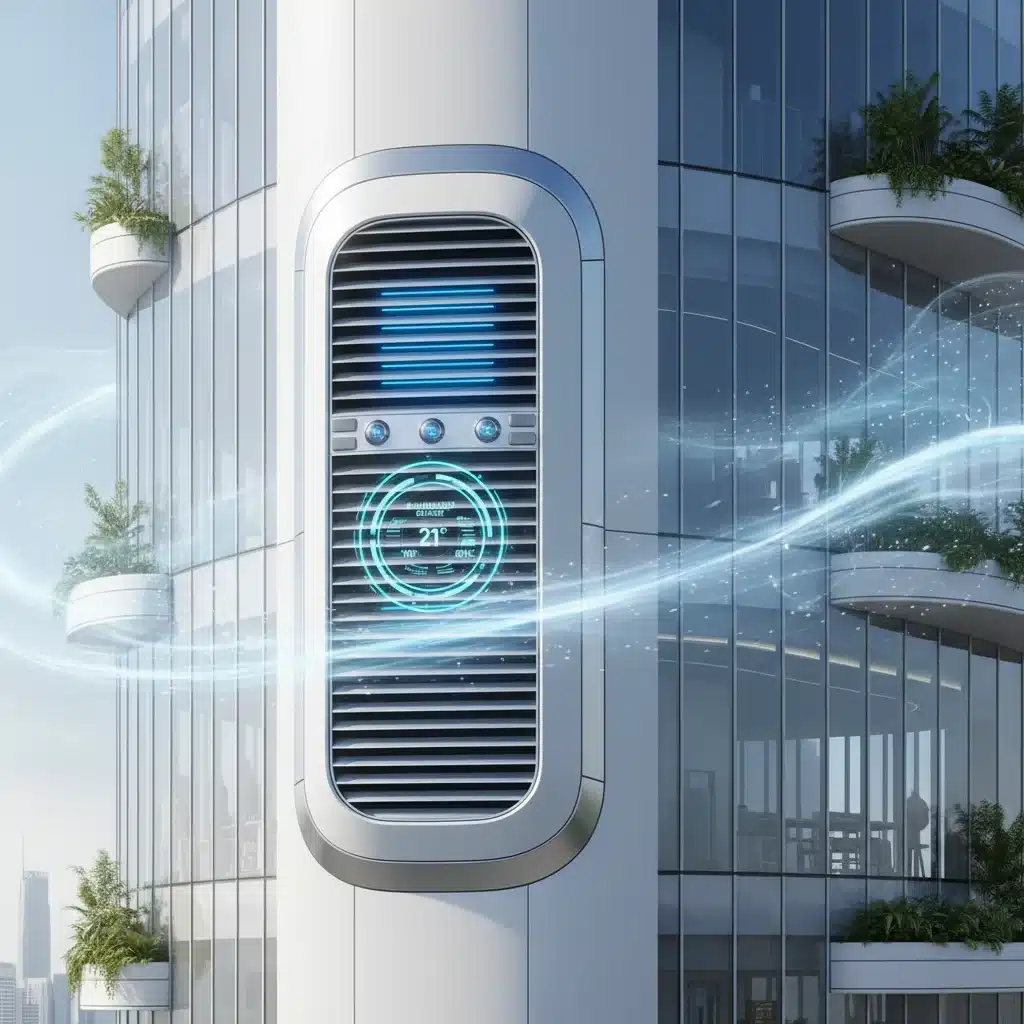
In an era where indoor air quality has never been more critical, and energy efficiency is paramount, the evolution of advanced ventilation systems is set to revolutionize how we breathe and consume energy. As we look towards 2026, the convergence of smart technology, sustainable practices, and innovative engineering is promising a future where buildings not only provide comfort but also actively enhance health and significantly reduce operational costs. This comprehensive guide delves into the cutting-edge developments in advanced ventilation systems, exploring how they are poised to deliver cleaner air and an impressive 18% reduction in energy expenditure.
The Imperative for Superior Indoor Air Quality (IAQ)
The conversation around indoor air quality (IAQ) has intensified dramatically in recent years. From concerns about airborne pathogens to the long-term effects of volatile organic compounds (VOCs) and particulate matter, the need for effective ventilation goes far beyond simple comfort. Poor IAQ can lead to a host of health issues, including respiratory problems, allergies, headaches, and decreased cognitive function. For businesses, this translates to reduced productivity, increased absenteeism, and potential legal liabilities. For homeowners, it means a compromised living environment that can impact the well-being of their families.
Traditional ventilation methods, often relying on simple exhaust fans or opening windows, are frequently inefficient and inadequate. They either remove too much conditioned air, leading to energy waste, or fail to effectively dilute and remove indoor pollutants. This is where advanced ventilation systems step in, offering sophisticated solutions that consistently maintain optimal IAQ.
The year 2026 marks a significant turning point, with regulatory bodies and industry standards increasingly emphasizing stricter IAQ guidelines. Building codes are evolving, and consumers are becoming more educated and demanding about the quality of the air they breathe indoors. This societal shift, combined with technological advancements, is driving the rapid adoption of advanced ventilation systems across residential, commercial, and industrial sectors.
Understanding Advanced Ventilation Systems: Beyond the Basics
What exactly defines an advanced ventilation system? It’s more than just moving air; it’s about intelligent air management. These systems integrate a variety of technologies to ensure optimal air exchange while minimizing energy loss. Key components often include:
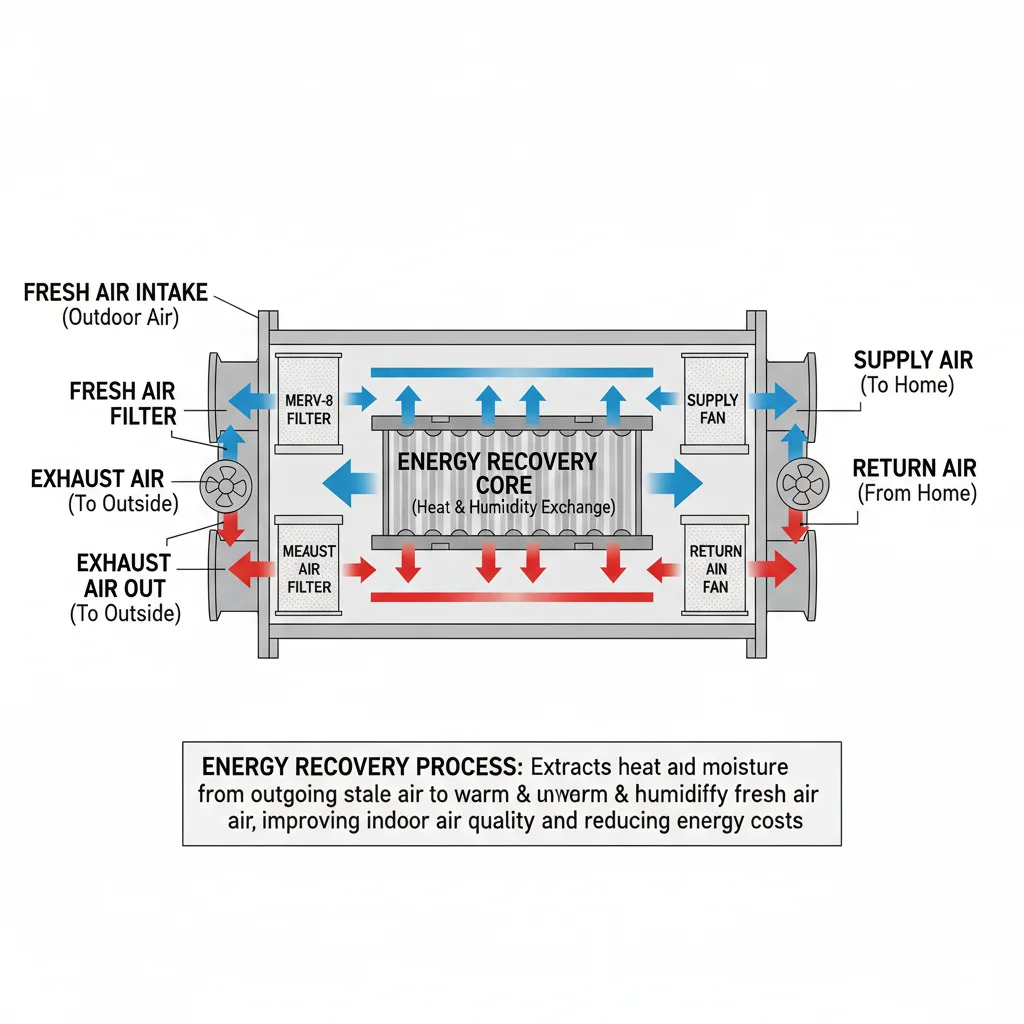
- Heat Recovery Ventilators (HRVs) and Energy Recovery Ventilators (ERVs): These are foundational technologies. HRVs transfer heat from outgoing stale air to incoming fresh air in colder climates, while ERVs also transfer moisture, making them suitable for both heating and cooling seasons across diverse climates. This process significantly reduces the energy load on heating and cooling systems.
- Demand-Controlled Ventilation (DCV): Instead of operating at a constant rate, DCV systems use sensors (e.g., CO2, VOCs, occupancy) to detect pollutant levels and adjust ventilation rates accordingly. This ensures fresh air only when and where it’s needed, preventing over-ventilation and saving energy.
- High-Efficiency Filtration: Advanced systems incorporate multi-stage filtration, often including MERV 13 or higher filters, HEPA filters, and even activated carbon filters, to capture particulate matter, allergens, odors, and some airborne pathogens.
- Smart Controls and IoT Integration: Modern ventilation systems are often part of a broader building management system (BMS) or smart home ecosystem. They can be controlled remotely, integrate with weather data, learn occupancy patterns, and provide real-time IAQ data to users.
- Zoning and Personalization: The ability to ventilate specific zones within a building based on occupancy or air quality needs, rather than treating the entire space uniformly, allows for greater efficiency and occupant comfort.
These elements, when combined and intelligently managed, form a powerful solution that not only provides superior air quality but also optimizes energy usage. The synergy between these technologies is what allows for the impressive energy savings projected for 2026.
The Energy Saving Revolution: Achieving an 18% Reduction
The promise of an 18% reduction in energy costs is not an arbitrary figure; it’s a conservative estimate based on the proven capabilities of integrating advanced ventilation technologies. This saving primarily stems from two main areas:
1. Minimizing Conditioning Load
Traditional ventilation often means exhausting heated or cooled air and replacing it with unconditioned outdoor air, forcing HVAC systems to work harder. HRVs and ERVs drastically reduce this load. By recovering a significant portion of the energy from the exhaust air and transferring it to the incoming fresh air, the strain on heating and cooling systems is lessened. In cold climates, HRVs pre-heat incoming air; in warm climates, they pre-cool it. ERVs add the benefit of moisture transfer, reducing the dehumidification or humidification load, which is a major energy consumer.
Consider a typical building where ventilation accounts for a substantial portion of the HVAC energy consumption. By recapturing 70-80% of the energy that would otherwise be lost, HRVs/ERVs alone can lead to significant savings. When combined with smart controls, these savings are further amplified.
2. Demand-Driven Operation
Demand-controlled ventilation (DCV) plays a pivotal role in achieving these energy reductions. Instead of continuously ventilating at a maximum rate (which is often overkill), DCV systems use real-time data from air quality sensors. For instance, in an office building, CO2 sensors can detect when meeting rooms are occupied and increase ventilation only then. When the room is empty, ventilation can be reduced to a minimum, preventing unnecessary energy expenditure on conditioning air that isn’t needed.
This dynamic adjustment means that fans run less frequently or at lower speeds, and the amount of air that needs to be conditioned is precisely matched to demand. This eliminates the energy waste associated with constant-volume ventilation systems, contributing significantly to the 18% energy cost reduction target.
Key Technologies Driving the 2026 Ventilation Revolution
Several technological advancements are converging to make these ambitious goals a reality:
A. Smart Sensors and AI Integration
The backbone of advanced ventilation systems is an array of sophisticated sensors. Beyond traditional temperature and humidity, these include:
- CO2 Sensors: Directly indicate human occupancy and respiration levels.
- VOC Sensors: Detect chemicals released from building materials, cleaning products, and furnishings.
- Particulate Matter (PM2.5/PM10) Sensors: Monitor fine dust, pollen, and other airborne particles.
- Ozone (O3) Sensors: Crucial for urban environments where ozone can be a significant outdoor pollutant.
- Formaldehyde Sensors: Important for new constructions or spaces with specific material off-gassing.
These sensors feed data into AI-powered algorithms that learn building occupancy patterns, predict air quality fluctuations, and optimize ventilation strategies in real-time. This predictive capability allows systems to anticipate needs rather than just react, further enhancing efficiency and air quality.
B. Advanced Filtration Techniques
While MERV and HEPA filters are standard, 2026 will see the wider adoption of more advanced filtration. This includes:
- Electrostatic Precipitators: Efficiently remove fine particles by charging them and collecting them on oppositely charged plates.
- UV-C Germicidal Irradiation: Integrated into ductwork to neutralize bacteria, viruses, and mold spores in the airstream.
- Photocatalytic Oxidation (PCO): Uses UV light and a catalyst to break down VOCs and other gaseous pollutants into harmless substances.
- Activated Carbon Filters: Highly effective at adsorbing odors and gaseous contaminants, often used in conjunction with particulate filters.
These multi-layered filtration approaches ensure that not only are particles removed, but also biological and chemical contaminants, providing a truly comprehensive air purification solution.
C. IoT and Cloud-Based Management
The Internet of Things (IoT) is transforming ventilation into a connected, intelligent network. Cloud-based platforms allow building managers or homeowners to monitor IAQ, energy consumption, and system performance from anywhere. Predictive maintenance alerts can be generated, identifying potential issues before they lead to breakdowns. Over-the-air software updates ensure systems always have the latest optimizations and security patches.
Integration with other smart building systems, such as lighting, occupancy sensors, and even personal devices, allows for a holistic approach to environmental control. Imagine a ventilation system that knows when you’re arriving home, adjusts to your preferred IAQ settings, and coordinates with your thermostat for optimal comfort and energy use.
D. Regenerative Heat Exchangers
While traditional plate heat exchangers are common in HRVs/ERVs, regenerative heat exchangers, which alternate airflow through a heat-absorbing matrix, offer even higher efficiency. These are particularly beneficial in industrial applications but are becoming more refined and cost-effective for commercial and even larger residential settings, contributing to greater energy recovery.
Benefits Beyond Energy Savings: A Holistic Approach
While the 18% energy cost reduction is a compelling driver, the advantages of adopting advanced ventilation systems extend far beyond the balance sheet:
1. Enhanced Health and Well-being
The most direct benefit is significantly improved indoor air quality. This leads to:
- Reduced Respiratory Issues: Fewer allergens, pollutants, and irritants in the air.
- Decreased Risk of Airborne Illness Transmission: Better dilution and filtration of viruses and bacteria.
- Improved Cognitive Function: Studies show that good IAQ, especially lower CO2 levels, can boost concentration and decision-making.
- Better Sleep Quality: A well-ventilated bedroom contributes to a more restful night.
- Odor Control: Effective removal of unpleasant smells from cooking, cleaning, or building materials.
2. Increased Productivity and Comfort
In commercial settings, a healthy indoor environment directly translates to a more productive workforce. Employees are more comfortable, experience fewer sick days, and can focus better. For homeowners, it means a more pleasant and healthy living space.
3. Sustainability and Environmental Stewardship
By drastically reducing energy consumption, advanced ventilation systems contribute to a smaller carbon footprint. This aligns with corporate social responsibility goals and helps individuals and organizations meet sustainability targets. It’s a tangible step towards a greener future.
4. Extended Building Lifespan
Proper ventilation helps control humidity levels, preventing moisture-related issues like mold growth, wood rot, and deterioration of building materials. This can extend the lifespan of the building structure and its contents, reducing maintenance costs over time.
5. Compliance and Certification
As IAQ standards become more stringent, buildings with advanced ventilation systems will more easily meet compliance requirements and qualify for green building certifications (e.g., LEED, WELL), enhancing their market value and appeal.
Challenges and Considerations for Adoption
Despite the undeniable benefits, the widespread adoption of advanced ventilation systems comes with certain challenges:
1. Initial Investment Cost
These systems typically have a higher upfront cost compared to conventional ventilation. However, it’s crucial to view this as an investment rather than an expense, given the long-term energy savings and health benefits. Payback periods are often attractive, especially with rising energy prices and incentives.
2. Design Complexity
Integrating advanced ventilation requires careful design and planning, often needing specialized HVAC engineers. The system needs to be properly sized, zoned, and integrated with other building systems for optimal performance. Poor design can negate many of the potential benefits.
3. Maintenance Requirements
While modern systems are designed for reliability, regular maintenance, particularly filter replacement and sensor calibration, is essential to ensure continued efficiency and IAQ performance. Neglecting maintenance can lead to decreased efficiency and compromised air quality.
4. Retrofitting Existing Buildings
Installing advanced ventilation in new constructions is relatively straightforward. Retrofitting older buildings can be more complex and costly, requiring careful consideration of existing infrastructure, ductwork, and space constraints. However, modular and decentralized solutions are emerging to address this challenge.
5. User Education and Awareness
To fully leverage the capabilities of these systems, occupants and building managers need to understand how they work and how to interact with them effectively. User-friendly interfaces and clear communication are vital.
The Future Landscape: What to Expect by 2026 and Beyond
The trajectory for advanced ventilation systems is one of continuous innovation and integration. By 2026, we can expect:
- Greater Miniaturization and Decentralization: More compact, localized ventilation units that can be easily integrated into individual rooms or zones, reducing the need for extensive ductwork.
- AI-Driven Predictive Maintenance: Systems will become even smarter, predicting component failures before they occur and scheduling maintenance proactively, minimizing downtime and costs.
- Integration with Renewable Energy: Direct coupling of ventilation systems with solar or wind power sources, further enhancing their sustainability credentials.
- Personalized Air Zones: Advanced systems that can create micro-climates and individual air quality profiles for occupants within a shared space.
- Enhanced Biosecurity Features: Increased focus on features like rapid air changes, advanced UVGI, and specialized filtration to mitigate the spread of airborne pathogens in various building types.
- Standardization and Affordability: As technology matures and adoption increases, costs are expected to decrease, making these systems more accessible to a broader market.
The future of indoor environments is intelligent, healthy, and sustainable. Advanced ventilation systems are not just a trend; they are a fundamental shift in how we design, operate, and experience our buildings.
Making the Transition: Steps for Implementation
For individuals and organizations considering an upgrade or new installation of advanced ventilation systems, here are key steps:
- Conduct a Comprehensive IAQ Audit: Understand your current indoor air quality, identifying specific pollutants and areas of concern.
- Assess Energy Consumption: Analyze your current HVAC energy usage to quantify potential savings.
- Consult with Experts: Engage experienced HVAC engineers and building automation specialists to design a tailored solution.
- Evaluate System Options: Compare different types of HRVs/ERVs, DCV strategies, and filtration technologies based on your specific needs and climate.
- Consider Smart Integration: Plan for integration with existing or planned building management systems.
- Budget for Installation and Maintenance: Account for both upfront costs and ongoing operational expenses.
- Explore Incentives: Research local, state, and federal rebates or tax credits for energy-efficient building upgrades.
- Prioritize Occupant Education: Ensure users understand the benefits and how to interact with the new system.
Conclusion
The year 2026 is poised to be a landmark year for advanced ventilation systems. The convergence of pressing health concerns, ambitious energy reduction targets, and rapidly evolving technology has created a perfect storm for innovation. By embracing these cutting-edge solutions, buildings can transcend their traditional roles, becoming active contributors to human health, environmental sustainability, and economic efficiency. The promise of cleaner air and an 18% reduction in energy costs is not just a dream; it’s a tangible, achievable reality that will redefine our indoor environments for the better.
Investing in advanced ventilation systems is an investment in health, productivity, and a sustainable future. It’s time to breathe easier and smarter.