
In an era where our homes are becoming increasingly intelligent, the evolution of smart technology continues to push boundaries. We’ve moved beyond simple motion detectors and door/window contacts. The year 2026 promises a leap forward, with “Advanced Smart Sensors” that are not just reactive but predictive, intuitive, and seamlessly integrated into our daily lives. This comprehensive review delves into five groundbreaking “Advanced Smart Sensors” that are poised to redefine home automation, offering unprecedented levels of comfort, security, and efficiency. Get ready to discover the future of smart living.
The landscape of home automation is constantly evolving, driven by advancements in artificial intelligence, machine learning, and miniaturization. “Advanced Smart Sensors” are at the heart of this revolution, acting as the eyes, ears, and even the “sixth sense” of our homes. They gather vast amounts of data, interpret complex patterns, and enable our smart homes to respond dynamically to our needs and preferences. This article will explore the specific innovations that make these five sensors stand out, examining their features, benefits, and potential impact on your smart home ecosystem.
The Dawn of Next-Generation “Advanced Smart Sensors”
The concept of a smart home has matured significantly. What once seemed like science fiction is now commonplace. However, the next wave of “Advanced Smart Sensors” takes this to an entirely new level. These aren’t just incremental improvements; they represent a paradigm shift in how we interact with our living spaces. We’re talking about sensors that understand context, learn routines, and anticipate requirements, making our homes truly intuitive and responsive.
1. Multi-Spectral Environmental Analysis Sensors: Beyond Temperature and Humidity
Traditional environmental sensors tell us the temperature and humidity. While useful, they barely scratch the surface of our indoor environment. The new generation of “Advanced Smart Sensors” includes Multi-Spectral Environmental Analysis Sensors. These sophisticated devices go far beyond basic metrics, offering a holistic view of your home’s atmosphere.
What They Do:
- Comprehensive Air Quality Monitoring: Detects a wide range of volatile organic compounds (VOCs), particulate matter (PM2.5, PM10), carbon dioxide (CO2), carbon monoxide (CO), and even specific allergens.
- Light Spectrum Analysis: Measures not just ambient light intensity but also its color temperature and spectral composition. This allows for dynamic adjustment of smart lighting to mimic natural light cycles, improving circadian rhythms and overall well-being.
- Soundscape Analysis: Identifies specific sounds within the home, differentiating between a crying baby, a barking dog, a smoke alarm, or even a window breaking. This enables targeted alerts and automated responses.
- Advanced Climate Control: Beyond temperature and humidity, these sensors factor in perceived comfort based on air velocity and radiant heat, working with HVAC systems for optimal climate.
Benefits for Your Smart Home:
Imagine a home that automatically purifies the air when elevated levels of pollen are detected, or adjusts lighting to a calming warm glow as evening approaches, perfectly matching the natural progression of daylight. These “Advanced Smart Sensors” contribute significantly to health and wellness, creating a truly adaptive and comfortable living environment. They can trigger air purifiers, open windows for ventilation (if outdoor air quality is good), or even send alerts if dangerous levels of pollutants are detected, ensuring a safer home.
2. Thermal Presence and Activity Sensors: The Invisible Watchers
Motion sensors are good, but they have limitations. They often trigger false alarms from pets or fail to detect stationary occupants. Thermal Presence and Activity Sensors are among the most revolutionary “Advanced Smart Sensors” because they overcome these challenges by detecting human presence and activity based on body heat, without relying on line of sight or visible movement.
What They Do:
- Accurate Occupancy Detection: Distinguishes between humans and pets, reducing false positives. It can detect a person even if they are sitting still, reading a book.
- Activity Monitoring: Tracks movement patterns, identifying if someone is pacing, resting, or has fallen. This is particularly valuable for elderly care or monitoring children.
- Privacy-Focused: Unlike cameras, thermal sensors do not capture identifiable images, making them ideal for sensitive areas like bedrooms and bathrooms while still providing crucial data.
- Energy Efficiency Optimization: Ensures lights and HVAC systems are only active in occupied rooms, leading to significant energy savings.
Benefits for Your Smart Home:
These “Advanced Smart Sensors” are game-changers for energy management and safety. Lights turn on only when you enter a room and stay on as long as you’re there, even if you’re motionless. HVAC systems can intelligently direct heating or cooling to occupied zones, minimizing waste. For elder care, these sensors can alert caregivers to unusual inactivity or potential falls, offering peace of mind without invading privacy. Their ability to distinguish between humans and animals means fewer annoying false alarms for security systems.
3. Biometric Access and Recognition Sensors: Your Home Knows You
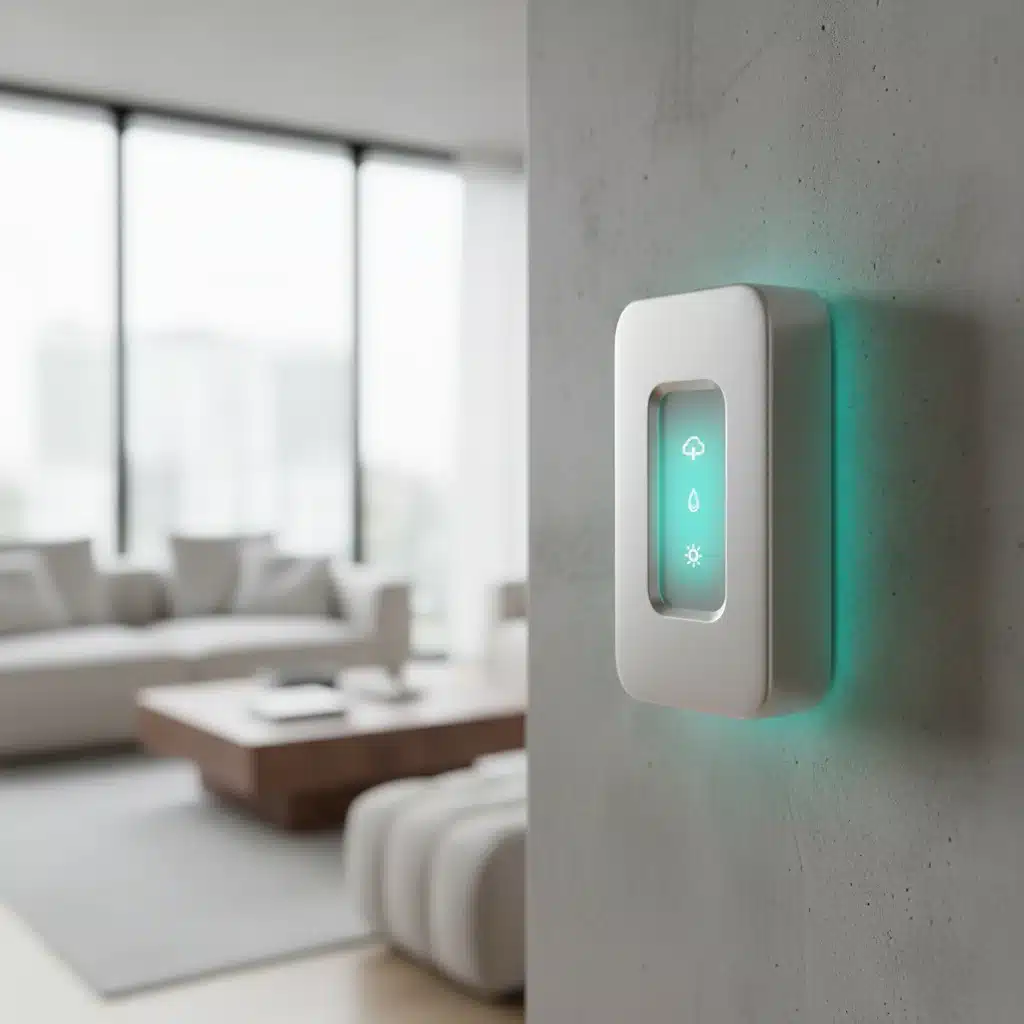
Forget keys, codes, or even fobs. Biometric Access and Recognition Sensors represent the pinnacle of secure and convenient home entry. These “Advanced Smart Sensors” use unique biological characteristics to grant access and personalize the home environment.
What They Do:
- Multi-Modal Biometrics: Combines facial recognition, fingerprint scanning, and potentially iris or voice recognition for robust identification.
- Personalized Home Settings: Upon recognizing an individual, the home can automatically adjust settings – lighting preferences, thermostat, music playlists, even specific content on smart screens – to their stored profile.
- Enhanced Security: Virtually eliminates the risk of lost keys or forgotten codes. It can detect unauthorized entry attempts and alert authorities with verified identity information.
- Guest Management: Temporarily grant access to guests or service providers with specific biometric profiles, which can be revoked instantly.
Benefits for Your Smart Home:
The convenience is unparalleled. Imagine walking through your front door and your home instantly greeting you with your favorite music, adjusting the temperature to your liking, and turning on the lights you prefer – all without lifting a finger. Beyond convenience, these “Advanced Smart Sensors” provide a formidable layer of security, making unauthorized access incredibly difficult. For families, it means no more worrying about children losing their keys or remembering complex codes, streamlining daily routines and enhancing peace of mind.
4. Predictive Maintenance and Anomaly Detection Sensors: Proactive Home Care
One of the most frustrating aspects of homeownership is unexpected appliance failure or system malfunctions. Predictive Maintenance and Anomaly Detection Sensors are “Advanced Smart Sensors” designed to prevent these issues by monitoring the health of your home’s critical systems and appliances, alerting you to potential problems before they escalate.
What They Do:
- Vibration and Acoustic Analysis: Monitors motors, pumps, and fans in appliances (HVAC, refrigerator, washing machine) for unusual vibrations or sounds that indicate wear and tear.
- Fluid Leak Detection with Flow Monitoring: Not just detecting standing water, but also subtle changes in water pressure or flow rates that could indicate a slow leak in pipes or appliances.
- Electrical Load Monitoring: Tracks the power consumption patterns of various devices, identifying anomalies that might suggest a failing component or inefficient operation.
- Structural Integrity Monitoring: Utilizes micro-sensors embedded in walls or foundations to detect subtle shifts, cracks, or moisture ingress that could compromise the home’s structure.
Benefits for Your Smart Home:
These “Advanced Smart Sensors” transform home maintenance from reactive to proactive. Instead of a burst pipe causing extensive damage, you’ll receive an alert about a minor leak, allowing you to address it quickly. Your HVAC system can be serviced before it breaks down in the middle of a heatwave, saving you discomfort and emergency repair costs. By anticipating failures, these sensors save homeowners significant money, time, and stress, extending the lifespan of appliances and maintaining the value of the home. They are truly “Advanced Smart Sensors” for a smarter, more resilient home.
5. Context-Aware Personal Assistant Sensors: The Ultimate Co-Pilot
While voice assistants are common, Context-Aware Personal Assistant Sensors take interaction to a new level. These “Advanced Smart Sensors” integrate multiple data streams – from other sensors, user schedules, and external information – to offer truly intelligent and proactive assistance.
What They Do:
- Multi-Sensor Fusion: Combines data from environmental, presence, and biometric sensors with calendar data, weather forecasts, and user preferences.
- Proactive Suggestions: Based on fused data, it can make intelligent suggestions, like “It’s going to rain in 30 minutes, would you like to close the windows?” or “Your commute time is longer than usual, perhaps you should leave earlier.”
- Emotional State Recognition: Using subtle cues like voice tone, posture (via thermal sensors), or even smart wearable data, it can infer a user’s emotional state and adjust home ambiance accordingly (e.g., playing calming music if stress is detected).
- Learning and Adaptation: Continuously learns user habits and preferences, refining its assistance over time to become more personalized and accurate.
Benefits for Your Smart Home:
This category of “Advanced Smart Sensors” moves beyond simple commands to genuine partnership. Your home becomes an active participant in your well-being and productivity. It anticipates your needs, offers timely advice, and adapts to your mood, creating an unprecedented level of personalized comfort and support. These sensors enable a truly “smart” home that understands and responds to the nuances of daily life, making routines smoother and living more enjoyable. They are the epitome of “Advanced Smart Sensors” that learn and evolve with you.
Integrating “Advanced Smart Sensors” into Your Ecosystem
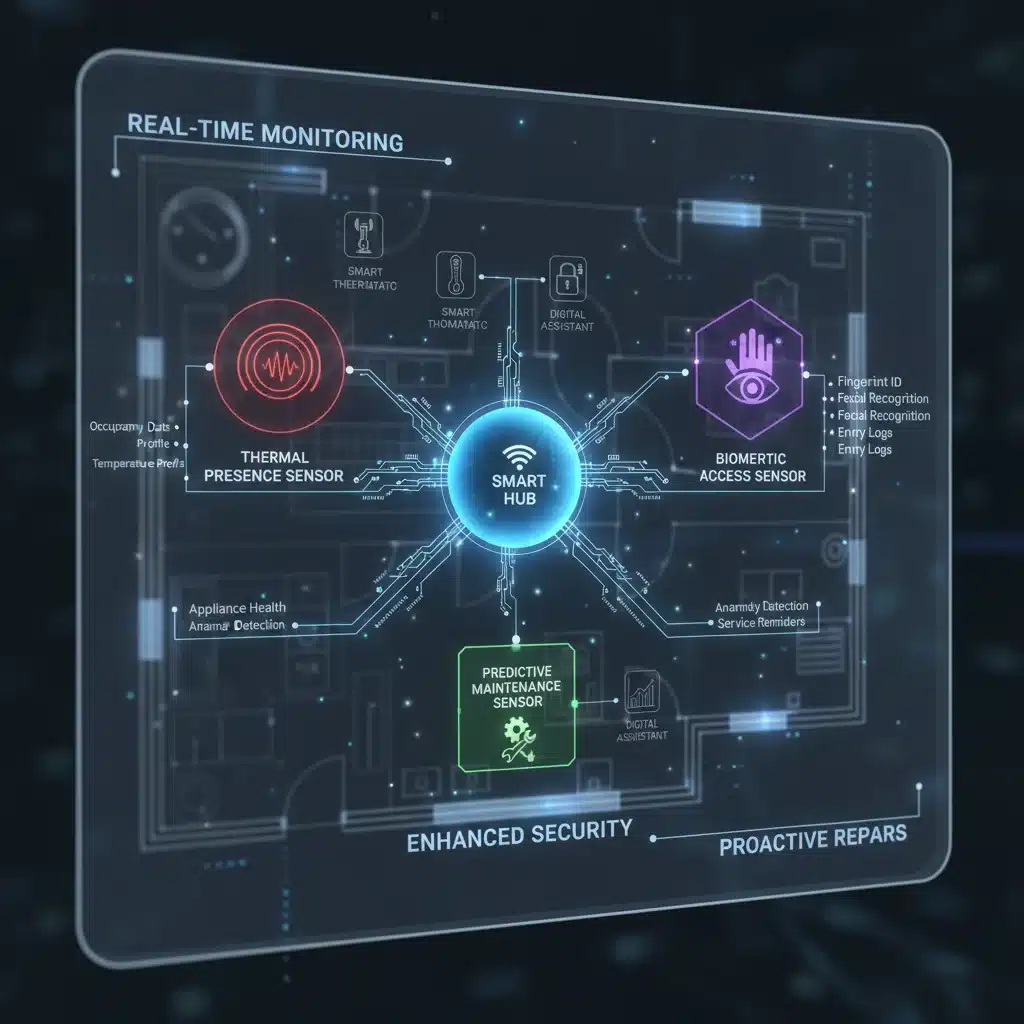
The true power of these “Advanced Smart Sensors” lies not just in their individual capabilities, but in their ability to communicate and cooperate within a unified smart home ecosystem. Interoperability and standardized protocols (like Matter, Thread, and Zigbee) will be crucial for seamless integration, allowing data from one sensor to inform the actions of another. A robust central hub or AI assistant will be essential to process the vast amounts of data generated, making intelligent decisions and executing complex routines.
The Importance of Data Privacy and Security
As “Advanced Smart Sensors” collect more intimate data about our homes and habits, the importance of data privacy and security cannot be overstated. Manufacturers must prioritize end-to-end encryption, local processing where possible, and transparent data policies. Users, in turn, must be diligent in understanding privacy settings and choosing reputable brands that prioritize consumer data protection. Trust will be the cornerstone of widespread adoption for these sophisticated technologies.
Future Outlook: The “Advanced Smart Sensors” Revolution Continues
Looking further into the future, we can anticipate even more innovative “Advanced Smart Sensors.” Imagine miniature drone sensors for aerial home inspection, or nanoscale sensors embedded in materials that monitor structural integrity at a molecular level. The integration of augmented reality (AR) and virtual reality (VR) with sensor data could create immersive interfaces for home management, allowing us to “see” the invisible data streams that govern our intelligent living spaces. The potential for “Advanced Smart Sensors” to transform our lives is virtually limitless.
Conclusion: Embracing the Future with “Advanced Smart Sensors”
The year 2026 is set to herald a new era of home automation, driven by these five categories of “Advanced Smart Sensors.” From multi-spectral environmental analysis that ensures optimal well-being, to thermal presence sensors that enhance efficiency and safety, and biometric systems that offer unparalleled convenience and security, our homes are becoming more intelligent, responsive, and personalized than ever before. Predictive maintenance sensors will save us from costly surprises, while context-aware assistants will transform our living spaces into truly intuitive partners.
While the benefits are immense, careful consideration of privacy and security will be paramount. As consumers, our choices will shape the direction of this technology. By embracing these “Advanced Smart Sensors,” we are not just upgrading our homes; we are investing in a future where our living environments are designed to proactively support our health, comfort, and peace of mind. The smart home of tomorrow is not just connected; it’s truly intelligent, thanks to the continuous innovation in “Advanced Smart Sensors.” Get ready to experience a home that understands you better than ever before.