
Secure Your Smart Home: 7 Essential Cybersecurity Practices for Home Automation Systems in 2026
The dawn of 2026 finds our homes more connected than ever before. From smart thermostats that learn our preferences to security cameras that keep watch while we’re away, and voice assistants that manage our daily tasks, smart home technology has woven itself seamlessly into the fabric of modern living. This unparalleled convenience, however, comes with an equally significant responsibility: ensuring the robust security of our smart home ecosystems. As the number of internet-connected devices in our homes skyrockets, so too do the potential entry points for cyber threats. Protecting your smart home is no longer a luxury; it’s an absolute necessity.
In an era where data breaches are common and privacy concerns are paramount, understanding and implementing effective smart home cybersecurity measures is crucial. This comprehensive guide will walk you through seven essential practices to fortify your home automation systems against evolving threats in 2026. We will delve into strategies that protect your devices, safeguard your personal data, and maintain your peace of mind in an increasingly connected world. By adopting these practices, you can enjoy the full benefits of your smart home without compromising your security or privacy.
1. Implement Strong, Unique Passwords and Multi-Factor Authentication (MFA)
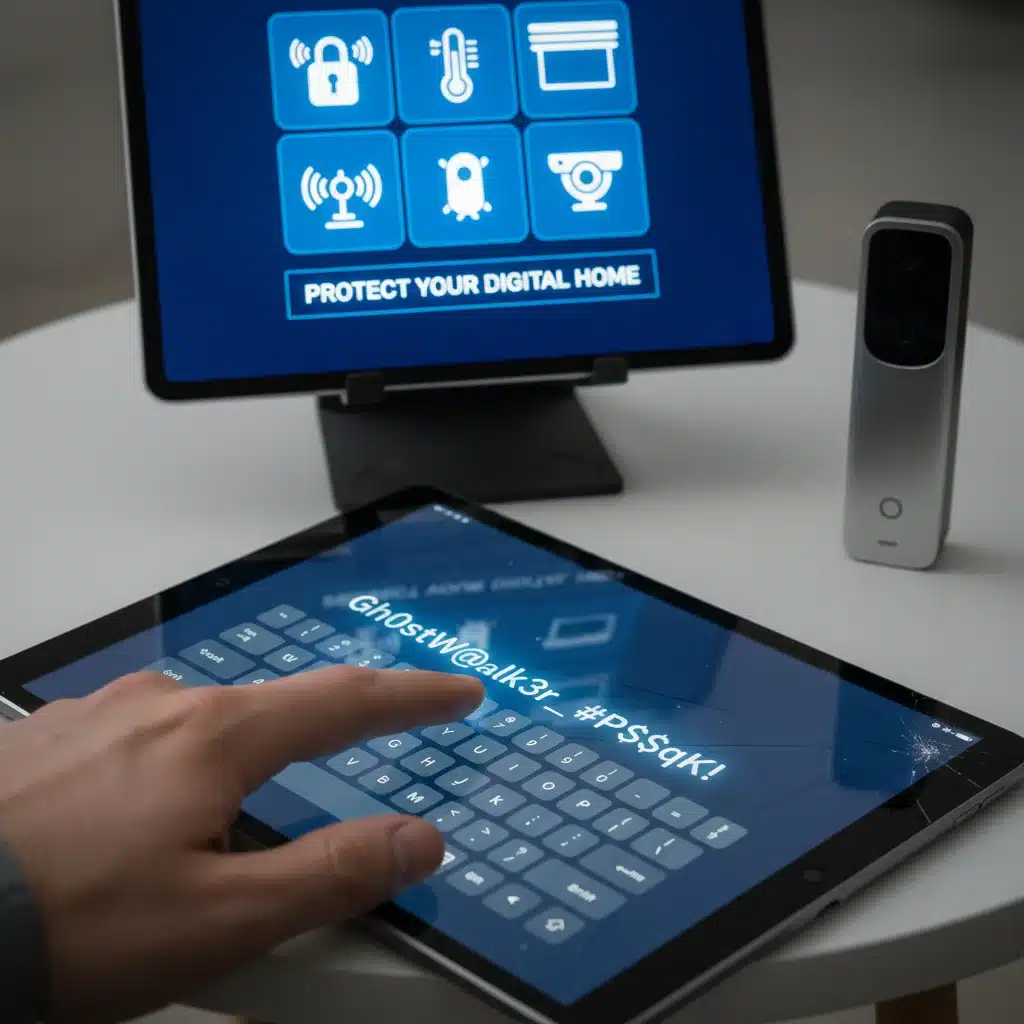
The first line of defense for any digital system, including your smart home, is robust authentication. In 2026, relying on default passwords or easily guessable combinations is akin to leaving your front door unlocked. Every single smart device, from your smart lock to your smart refrigerator, represents a potential vulnerability if not properly secured. The key here is strong, unique passwords for each device and service.
A strong password is typically long (at least 12-16 characters), includes a mix of uppercase and lowercase letters, numbers, and special characters. Avoid using personal information, common words, or predictable sequences. Furthermore, never reuse passwords across different devices or accounts. If one service is compromised, a unique password ensures that other accounts remain secure.
Managing dozens of unique, complex passwords can seem daunting, but this is where password managers become invaluable. Tools like LastPass, 1Password, or Bitwarden can generate, store, and auto-fill strong passwords securely, encrypting them with a single master password. This not only simplifies your life but significantly enhances your smart home cybersecurity posture.
Beyond strong passwords, Multi-Factor Authentication (MFA) is an absolute must-have. MFA adds an extra layer of security by requiring two or more verification factors to gain access. This usually involves something you know (your password), something you have (a code from an authenticator app or sent to your phone), or something you are (a fingerprint or facial scan). Even if a hacker manages to steal your password, they won’t be able to access your smart home devices without the second factor. Most reputable smart home device manufacturers and platform providers offer MFA options; ensure you enable it wherever possible.
Prioritize enabling MFA on your smart home hub, router, cloud accounts associated with your devices (like Amazon, Google, Apple HomeKit), and any critical security devices such as smart locks or cameras. This seemingly small step can dramatically reduce the risk of unauthorized access to your connected environment, making your smart home cybersecurity significantly more resilient against sophisticated attacks.
2. Regularly Update Firmware and Software
Just like your computer or smartphone, your smart home devices run on software, known as firmware. Manufacturers constantly release updates to fix bugs, improve performance, and, most importantly, patch security vulnerabilities. Neglecting these updates leaves your devices exposed to known exploits that hackers can readily use.
Think of it this way: when a software company discovers a security flaw, they develop a patch and release an update. If you don’t install that update, your device remains vulnerable to that specific flaw, even if the vulnerability has been publicly disclosed. Cybercriminals actively scan for devices running outdated firmware precisely because they know these devices are easier targets.
Make it a habit to check for and install updates for all your smart home devices regularly. Many modern smart devices offer automatic updates, which is the most convenient and recommended option. If automatic updates are available, enable them. For devices that require manual updates, set a reminder to check for new firmware at least once a month. This includes your smart hub, router, cameras, smart plugs, thermostats, and any other connected gadget.
It’s also crucial to ensure your smart home apps on your smartphone or tablet are always up-to-date. These apps often serve as the primary interface for controlling your devices and can also contain vulnerabilities if not kept current. Regular updates are a cornerstone of effective smart home cybersecurity, ensuring your defenses are always equipped with the latest protections against emerging threats.
3. Secure Your Home Network: The Foundation of Smart Home Cybersecurity
Your home Wi-Fi network is the backbone of your smart home. If your network is compromised, every device connected to it is at risk. Securing your router and Wi-Fi is perhaps the single most critical step in establishing robust smart home cybersecurity.
Start by changing the default administrator username and password on your router. Default credentials are widely known and are a favorite target for attackers. Create a strong, unique password for your router’s administration interface. Next, ensure your Wi-Fi network uses WPA3 encryption (or WPA2 if WPA3 isn’t available). WPA3 offers the strongest encryption protocols currently available, making it significantly harder for unauthorized users to eavesdrop on your network traffic or crack your Wi-Fi password.
Consider creating a separate guest Wi-Fi network. This allows visitors to access the internet without having direct access to your primary network and, by extension, your smart home devices. Even better, consider setting up a dedicated network (often called a VLAN or separate SSID) specifically for your smart home devices, especially those that may have lower security standards or are less frequently updated. This practice, known as network segmentation, isolates your smart devices from your more sensitive personal computers, smartphones, and financial data. If a smart device is compromised, the attacker’s access is contained within that segmented network, preventing them from moving laterally to other, more critical devices.
Disabling Universal Plug and Play (UPnP) on your router is also highly recommended. While UPnP can make setting up devices easier, it also creates potential security holes by allowing devices to automatically open ports on your router, which can be exploited by malicious actors. Unless absolutely necessary for a specific application, it’s safer to keep UPnP disabled.
4. Be Mindful of Data Privacy and Sharing Settings
Smart home devices collect a vast amount of data about your habits, routines, and even your conversations. This data is often stored in the cloud by manufacturers and can be a goldmine for advertisers or, worse, malicious actors if not properly secured. Understanding and managing the privacy settings of your devices is a critical aspect of smart home cybersecurity.
Before purchasing a new smart device, research the manufacturer’s privacy policy. Understand what data they collect, how it’s used, and for how long it’s retained. Once you own the device, dive into its settings. Disable any unnecessary data collection or sharing features. For example, if your smart speaker records and stores voice commands, check if you can delete these recordings or opt out of their collection for improving services.
Be cautious about linking your smart home accounts to third-party services, especially if those services don’t have a strong reputation for privacy. Each linked service represents another potential point of data exposure. Regularly review the permissions you have granted to various apps and services connected to your smart home ecosystem. Revoke access for any services you no longer use or trust.
For smart cameras and doorbells, be acutely aware of where the video footage is stored and who has access to it. Opt for devices that offer local storage options (e.g., an SD card or a local network drive) in addition to or instead of cloud storage, if privacy is a major concern. If cloud storage is used, ensure it’s encrypted and that you have control over retention periods. Remember, your smart home devices are extensions of your personal space; protecting their data is paramount to maintaining your privacy and smart home cybersecurity.
5. Conduct Regular Security Audits and Device Inventory
As your smart home expands, it’s easy to lose track of all the connected devices. A forgotten or unused device can become a security liability. Regularly auditing your smart home ecosystem is an essential practice for maintaining robust smart home cybersecurity.
Start by creating an inventory of all your smart devices. List the device name, manufacturer, model, and its purpose. This inventory will help you keep track of what needs updating, what’s connected to your network, and what might be obsolete. As part of this audit, identify any devices you no longer use or that are no longer supported by the manufacturer with security updates. These ‘ghost devices’ should be disconnected or removed from your network immediately, as they can become easy backdoors for attackers.
During your audit, also review the access settings for each device. Do all family members still need access to every device? Are there any old accounts or guest accesses that should be revoked? The principle of least privilege applies here: grant only the necessary access to each user and device. For instance, a smart light bulb typically doesn’t need internet access to function locally; if it does, question why and ensure its firmware is impeccable.
Consider using network scanning tools (available as apps or software) to identify all devices connected to your home network. This can reveal unexpected or unauthorized devices that might be lurking in your network. A thorough security audit, performed periodically, ensures that no forgotten device or outdated setting undermines your overall smart home cybersecurity strategy.
6. Utilize a Dedicated Smart Home Hub or Platform
While many smart devices can operate independently, integrating them through a dedicated smart home hub or a unified platform (like Apple HomeKit, Google Home, or Amazon Alexa with a robust underlying security architecture) can significantly enhance your smart home cybersecurity.
A good smart home hub acts as a central brain, orchestrating communication between your devices. It can often provide a more secure environment than having each device communicate directly with the internet. Many hubs offer enhanced security features, such as local processing of commands (reducing reliance on cloud services), robust encryption for inter-device communication, and centralized management of security settings.
Furthermore, these platforms often have stricter security requirements for devices to be certified, meaning devices that integrate well with them are generally held to a higher security standard. This reduces the risk associated with individual, less secure devices. By consolidating control and communication through a trusted hub, you create a more cohesive and manageable security perimeter for your smart home.
When choosing a hub or platform, prioritize those with a strong track record of security, regular software updates, and clear privacy policies. Research community feedback on their security practices and vulnerabilities. While it might represent an initial investment, a well-chosen smart home hub can simplify your smart home cybersecurity management and provide a more secure foundation for your connected life, especially as you add more devices.

7. Understand and Mitigate Physical Security Risks
While much of smart home cybersecurity focuses on digital threats, it’s crucial not to overlook the physical security aspects that can impact your connected devices. A smart home is only as secure as its weakest link, and sometimes that link is tangible.
Consider the physical placement of your devices. Are your outdoor cameras easily accessible or positioned in a way that someone could tamper with them? Are your smart locks protected against physical manipulation? Ensure that your smart home hub or router is located in a secure area, not easily accessible to unauthorized individuals. Physical access to these central devices can often bypass many digital security measures.
Another often-overlooked aspect is what happens when you dispose of old smart devices. Just like old computers or smartphones, smart devices can store sensitive data. Before discarding, selling, or donating a device, perform a factory reset to wipe all personal data and restore it to its original settings. For devices with local storage (like an SD card in a camera), ensure you remove and securely destroy the storage medium if it contains sensitive information.
If you’re using smart locks, ensure they are integrated with a robust physical lock mechanism. A smart lock’s digital security is only part of the equation; its physical resistance to forced entry is equally vital. Regularly check for physical tampering with any outdoor smart devices, such as cameras or sensors. By addressing both digital and physical vulnerabilities, you create a truly comprehensive smart home cybersecurity defense.
The Evolving Landscape of Smart Home Cybersecurity
The world of smart home technology is dynamic, with new devices, features, and unfortunately, new threats emerging constantly. What constitutes robust smart home cybersecurity today might need adjustments tomorrow. Staying informed about the latest security trends, potential vulnerabilities, and best practices is an ongoing process.
Follow reputable cybersecurity news sources, check manufacturer security advisories, and engage with smart home communities to stay updated. Education is one of your most powerful tools in defending your smart home. Teaching all members of your household about basic smart home cybersecurity practices – like recognizing phishing attempts, understanding password hygiene, and knowing how to identify suspicious activity – further strengthens your overall security posture.
As we navigate 2026 and beyond, the integration of Artificial Intelligence (AI) and Machine Learning (ML) into smart home security systems will become even more prevalent. These technologies can enhance threat detection, identify anomalous behavior, and even automate responses to security incidents. However, they also introduce new considerations regarding data privacy and the potential for AI-driven vulnerabilities, necessitating continued vigilance.
The journey towards a perfectly secure smart home is continuous, but by diligently applying these seven essential smart home cybersecurity practices, you can significantly mitigate risks and create a safer, more private, and more enjoyable connected living experience. Embrace the convenience of your smart home with confidence, knowing you’ve taken proactive steps to protect your digital sanctuary.
Conclusion: A Proactive Approach to Smart Home Security
Securing your smart home in 2026 is an ongoing commitment, not a one-time task. The convenience and efficiency offered by home automation systems are undeniable, but they must be balanced with a robust approach to cybersecurity. By implementing strong, unique passwords and MFA, regularly updating firmware, securing your home network, being mindful of data privacy, conducting regular security audits, utilizing dedicated hubs, and mitigating physical risks, you lay a solid foundation for a secure smart home ecosystem.
Remember that every connected device is a potential gateway. Treating each one with the respect it deserves in terms of security will greatly reduce your overall risk profile. Don’t wait for a security incident to occur; adopt a proactive mindset. Empower yourself with knowledge, apply these essential smart home cybersecurity practices consistently, and enjoy the peace of mind that comes with a well-protected smart home. Your digital sanctuary is worth safeguarding.