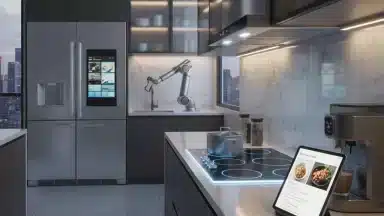

The Rise of AI in Home Automation: What Recent Updates Mean for Predictive Control and Personalization in 2026
The year is 2026, and the concept of a ‘smart home’ has evolved far beyond simple remote-controlled lights and voice assistants. We are now firmly in the era of advanced AI Home Automation, where artificial intelligence isn’t just reacting to commands but proactively anticipating needs, learning preferences, and orchestrating a living environment that is truly intuitive and personalized. This isn’t science fiction; it’s the present reality shaped by rapid advancements in machine learning, IoT integration, and robust data analytics. The promise of a truly intelligent home is no longer a distant dream but a tangible experience, redefining comfort, efficiency, and security.
For years, home automation promised convenience. Now, with the profound integration of AI, it delivers intelligence. This article delves into the most significant recent updates in AI Home Automation, exploring how they are revolutionizing predictive control and hyper-personalization, ultimately shaping the future of our living spaces. We’ll examine the technological underpinnings, the practical applications, and the profound impact these innovations have on daily life, offering a glimpse into what it truly means to live in a home that thinks for itself.
The Evolution of Predictive Control in AI Home Automation
At the heart of modern AI Home Automation lies the concept of predictive control. Gone are the days when you had to manually adjust your thermostat or set complex schedules for your lights. Today’s AI-driven systems learn from your habits, external factors, and even your mood to predict and adjust your environment before you even realize a need exists. This leap from reactive to proactive is a game-changer.
Machine Learning and Behavioral Patterns
Advanced machine learning algorithms are the backbone of predictive control. These systems continuously collect data from various sensors within your home – occupancy sensors, light sensors, temperature probes, even smart appliance usage. They analyze these vast datasets to identify patterns in your daily routines. For instance, your AI home automation system might learn that you typically arrive home at 6:00 PM, prefer a temperature of 72°F in the evenings, and dim the lights in the living room while watching TV. It doesn’t just record these events; it understands the context.
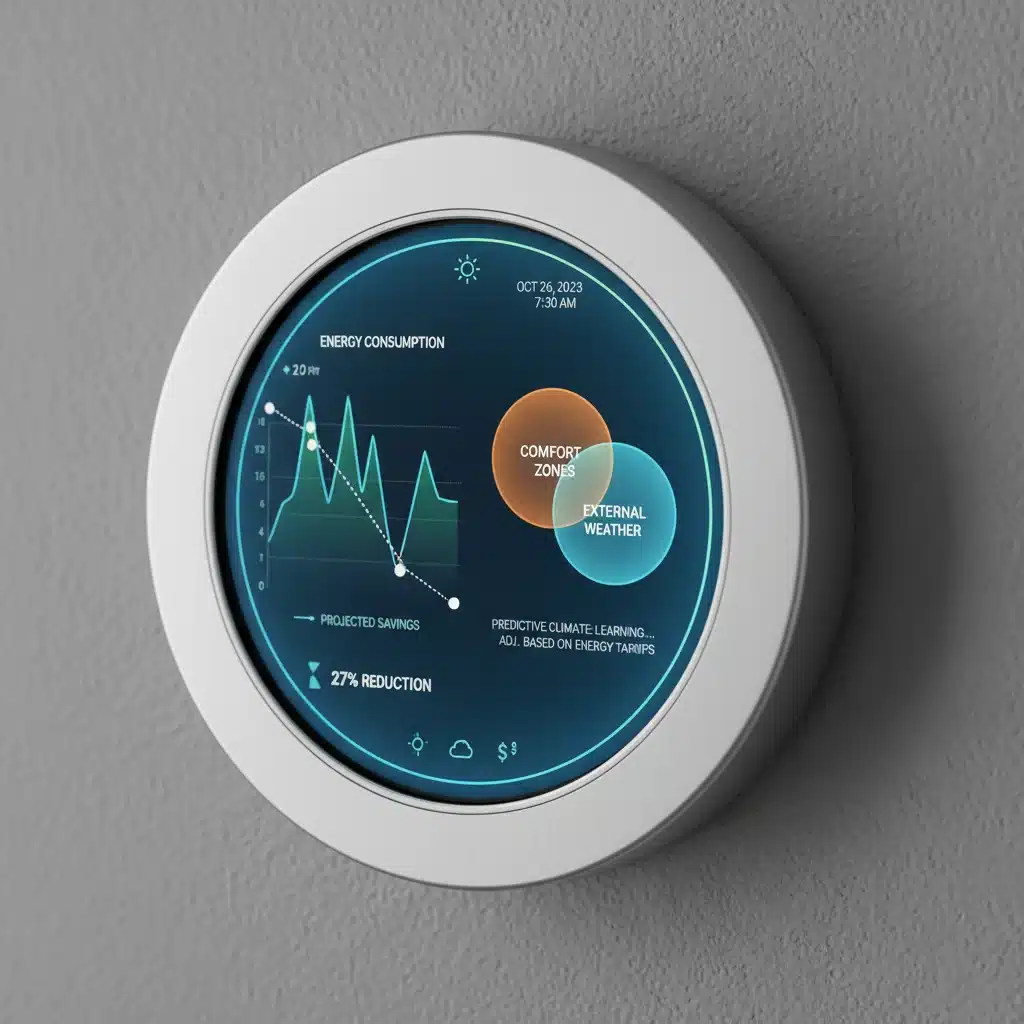
This understanding allows the system to anticipate. On a cold winter day, your home might begin warming up 30 minutes before your usual arrival time, ensuring it’s perfectly comfortable when you walk through the door. If a sudden heatwave is predicted, your AC might pre-cool your home during off-peak energy hours to save costs, all while maintaining your desired comfort level. This level of foresight is what truly distinguishes current AI Home Automation from its predecessors.
External Data Integration for Enhanced Prediction
The intelligence of AI Home Automation extends beyond just internal home data. Modern systems seamlessly integrate with external data sources to make even more informed predictions. This includes real-time weather forecasts, local traffic conditions, energy grid pricing, and even your personal calendar or work schedule. Imagine your smart home knowing you have an early morning flight and gently adjusting your bedroom lights to simulate a sunrise an hour before your alarm, while also pre-heating your shower water and brewing coffee. This holistic approach ensures that your home is always a step ahead, optimizing for convenience, energy efficiency, and overall well-being.
Furthermore, the integration with smart city infrastructure is beginning to emerge. Future AI Home Automation systems could potentially communicate with municipal grids to optimize energy consumption during peak demand, or even receive alerts about local events that might impact your commute, adjusting your morning routine accordingly. The interconnectedness promises a level of environmental responsiveness previously unimaginable.
The Era of Hyper-Personalization in Smart Living
While predictive control focuses on anticipating needs, hyper-personalization takes it a step further by tailoring the entire home experience to individual occupants. This goes beyond simple user profiles; it’s about creating a dynamic environment that adapts to the unique preferences, moods, and even health metrics of each person living in the home.
Individualized User Profiles and Adaptive Learning
Modern AI Home Automation systems can distinguish between different occupants using various methods, including facial recognition, voice recognition, and even wearable device data. Each individual can have a unique profile that dictates their preferred temperature, lighting schemes, entertainment choices, and even security settings. When you enter a room, the system recognizes you and instantly adjusts the environment to your liking. If your partner enters the same room later, the settings might subtly shift to accommodate their preferences without disruption.
Adaptive learning continuously refines these profiles. If you frequently adjust the lights to a warmer tone in the evenings, the AI learns this preference and begins to implement it automatically. If your sleep patterns indicate you prefer a cooler bedroom, the system will adjust the temperature accordingly, even if it deviates slightly from your general daytime preference. This granular level of personalization ensures that every corner of your home feels tailor-made for you.
Wellness and Health Integration
One of the most exciting frontiers in AI Home Automation is its integration with personal wellness and health monitoring. Smart homes are increasingly becoming proactive partners in maintaining occupant health. Wearable devices can feed data to the home AI, allowing it to adjust environmental factors to improve sleep quality, reduce stress, or even assist in managing chronic conditions.
Imagine a home that detects elevated stress levels through your smartwatch and gently lowers the lights, plays calming music, and diffuses a soothing essential oil. Or a system that monitors air quality and adjusts ventilation to mitigate allergy symptoms. For elderly residents, AI can monitor movement patterns, detect falls, and alert caregivers, providing a new layer of safety and peace of mind. This convergence of home automation and health tech is transforming houses into truly supportive living environments.
Key Technological Updates Driving AI Home Automation in 2026
The advancements in AI Home Automation wouldn’t be possible without significant strides in underlying technologies. Several key areas have seen rapid development, pushing the boundaries of what smart homes can achieve.
Edge AI and Local Processing
While cloud computing still plays a role, there’s a growing trend towards ‘Edge AI’ in home automation. This means more processing power and AI inference happening directly on devices within the home, rather than relying solely on remote servers. Edge AI brings several advantages: increased privacy (less data leaving your home), faster response times (no cloud latency), and greater reliability (functions even without an internet connection). This allows for more immediate and nuanced responses from your smart devices, making the home feel more responsive and intelligent.
For instance, a smart camera with Edge AI can process facial recognition locally, identifying family members without sending images to the cloud. A smart speaker can understand and execute common commands instantly, making interactions feel more natural and fluid. This shift is crucial for building trust and enhancing the user experience in AI Home Automation.
Advanced Sensor Fusion and Contextual Awareness
Modern AI Home Automation relies heavily on ‘sensor fusion’ – combining data from multiple types of sensors to create a more comprehensive understanding of the home environment and its occupants. Instead of just a motion sensor, systems now integrate motion, sound, temperature, humidity, light, air quality, and even biometric data. AI then processes this fused data to build rich contextual awareness.
This allows the home to understand not just ‘someone is in the room,’ but ‘John is in the living room, it’s getting dark outside, and he’s listening to music at a moderate volume while the air quality is slightly low.’ This deep contextual understanding is what enables truly intelligent and personalized responses, far beyond simple if-then rules.
Interoperability and Open Standards
A persistent challenge in early smart homes was the fragmentation of ecosystems. Different brands often didn’t communicate, leading to siloed experiences. In 2026, significant progress has been made in interoperability, largely driven by open standards and protocols (like Matter, Thread, and expanded API integrations). This means that devices from different manufacturers can now communicate and work together seamlessly, creating a more unified and powerful AI Home Automation system.
This open approach fosters innovation, gives consumers more choice, and ultimately leads to more robust and feature-rich smart home environments. Your smart thermostat from one brand can now effortlessly coordinate with your smart blinds from another, all orchestrated by your central AI assistant.
The Impact on Daily Life: A Glimpse into 2026
So, what does all this mean for the average homeowner in 2026? The impact of advanced AI Home Automation is profound, touching every aspect of daily life, from waking up to going to sleep.
Unprecedented Comfort and Convenience
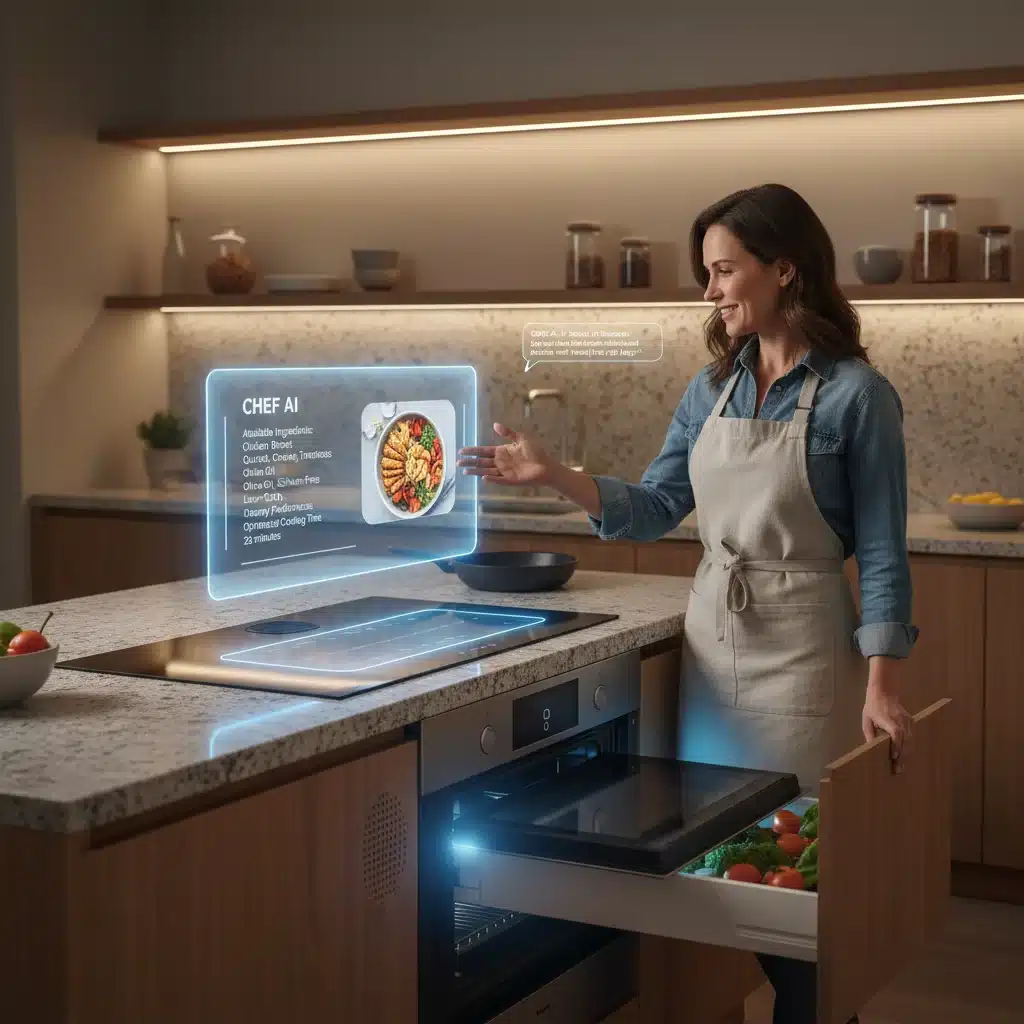
Imagine a home that knows your morning routine. As your alarm gently wakes you, the bedroom lights slowly brighten, the coffee machine starts brewing, and the bathroom mirror displays your personalized news briefing. You walk into a kitchen where the temperature is just right, and your favorite breakfast playlist is softly playing. This level of seamless comfort, tailored to your exact preferences without a single command, is the new standard.
Throughout the day, your home optimizes itself. It adjusts lighting based on natural light and activity, ensures optimal temperature and air quality, and manages energy consumption in the background, all while learning and adapting to your evolving needs. This frees up mental bandwidth, allowing you to focus on what truly matters.
Enhanced Security and Peace of Mind
AI Home Automation elevates home security to a new level. Beyond basic motion detection, AI-powered cameras can differentiate between pets, known individuals, and potential intruders. They can detect unusual patterns of activity, such as a window being opened unexpectedly or a package left at the door for too long. If you’re away, the system can simulate occupancy by randomly adjusting lights and sounds, deterring potential burglars.
Furthermore, AI can monitor for environmental hazards like water leaks, gas leaks, or smoke, alerting you and even shutting off utilities automatically. The peace of mind that comes from knowing your home is intelligently protecting itself and your loved ones is invaluable.
Optimized Energy Efficiency and Sustainability
With rising energy costs and growing environmental awareness, the energy-saving capabilities of AI Home Automation are more critical than ever. Predictive control ensures that heating, cooling, and lighting are only used when and where needed, minimizing waste. By integrating with energy grid data, homes can shift energy consumption to off-peak hours, reducing bills and strain on the grid.
AI can also monitor appliance usage and suggest more efficient practices or even identify faulty appliances that are consuming excess energy. This intelligent management not only saves money but also contributes to a more sustainable lifestyle, making your home an active participant in environmental stewardship.
Challenges and Future Outlook for AI Home Automation
While the future of AI Home Automation looks incredibly promising, there are still challenges to address and exciting frontiers to explore.
Privacy and Data Security Concerns
With an increasing amount of personal data being collected by smart homes, privacy and data security remain paramount concerns. Manufacturers are continually improving encryption and data handling protocols, and Edge AI helps by keeping more data local. However, ensuring transparency, user control over data, and robust cybersecurity measures will be ongoing priorities for the industry and regulators alike. Building consumer trust is essential for widespread adoption.
Complexity and User Experience
Despite the aim for simplicity, advanced AI Home Automation systems can still be complex to set up and manage, especially for less tech-savvy users. The challenge lies in making these powerful systems intuitive and easy to use, ensuring that the technology enhances life without adding frustration. Voice interfaces, gesture control, and increasingly intelligent AI assistants are helping to bridge this gap, but continuous refinement of the user experience is vital.
The Fully Autonomous Home
Looking further into the future, the concept of a ‘fully autonomous home’ is on the horizon. This isn’t just a home that anticipates needs but one that can make complex decisions and adapt to unforeseen circumstances with minimal human intervention. Imagine a home that can detect a broken pipe, automatically shut off the water, alert a plumber, and even provide temporary solutions until repairs are made. Or a home that can reconfigure its layout or functionality based on the dynamic needs of its inhabitants, evolving with their life stages.
This level of autonomy will require even more sophisticated AI, advanced robotics, and seamless integration with external services. While still some years away, the foundations being laid by current AI Home Automation advancements are paving the way for this truly intelligent living environment.
Conclusion
The landscape of AI Home Automation in 2026 is one of profound transformation. From predictive control that anticipates your every need to hyper-personalization that tailors your environment to your unique preferences, AI is no longer just a feature but the very intelligence that defines the modern smart home. Recent updates in machine learning, edge computing, sensor fusion, and interoperability have propelled us into an era where homes are not just structures but active, intelligent partners in our daily lives.
As we move forward, the focus will remain on enhancing convenience, optimizing energy efficiency, bolstering security, and integrating wellness, all while addressing the critical aspects of privacy and user experience. The journey towards a truly sentient home is well underway, promising a future where our living spaces are not just smart, but truly brilliant, adapting and evolving with us every step of the way. The rise of AI Home Automation is not just a technological trend; it’s a fundamental shift in how we interact with and experience the most personal of spaces: our homes.